Empty first aid boxes wholesale gives you control over cost, contents, and compliance instead of relying on one size retail kits. Many workplaces still overspend on pre filled sets. You face injury risks, OSHA rules, and tight budgets at the same time. Generic kits rarely match that mix or your real injury data.
This guide on empty first aid boxes wholesale explains what bulk empty containers cover, how to choose the right types, where the real savings come from, and how First Aid Longs customizes boxes for your sites. You get clear steps so you can tune your program instead of guessing.
Key Takeaways
- You cut spending when you buy bulk empty containers and stock only what your staff actually uses instead of paying for generic retail mixes.
- You match box types with OSHA and ANSI expectations by linking headcount, hazards, and container ratings to the right mix of plastic, metal, and rugged cases.
- You add custom branding through OEM and ODM services, so your logo, colors, and labels sit on every cabinet and bag across all locations.
Understanding Empty First Aid Boxes Wholesale For Workplaces

You need to understand empty first aid boxes wholesale as the reusable shells of your first aid program. You buy containers in bulk, then fill them to match your hazards.
Buyers in healthcare, industry, education, and government now favor this model because it gives more control and a better fit. According to the U.S. Bureau of Labor Statistics, private employers recorded about 2.8 million nonfatal workplace injuries and illnesses in 2022, so reliable kits are not optional.
Suppliers like MFASCO, e‑FirstAidSupplies, and First‑Aid‑Product.com all show this trend toward empty boxes and cabinets. First Aid Longs sits in that same space with a wide range of empty first aid boxes, bags, and containers.
What Does Empty First Aid Boxes Wholesale Actually Include?
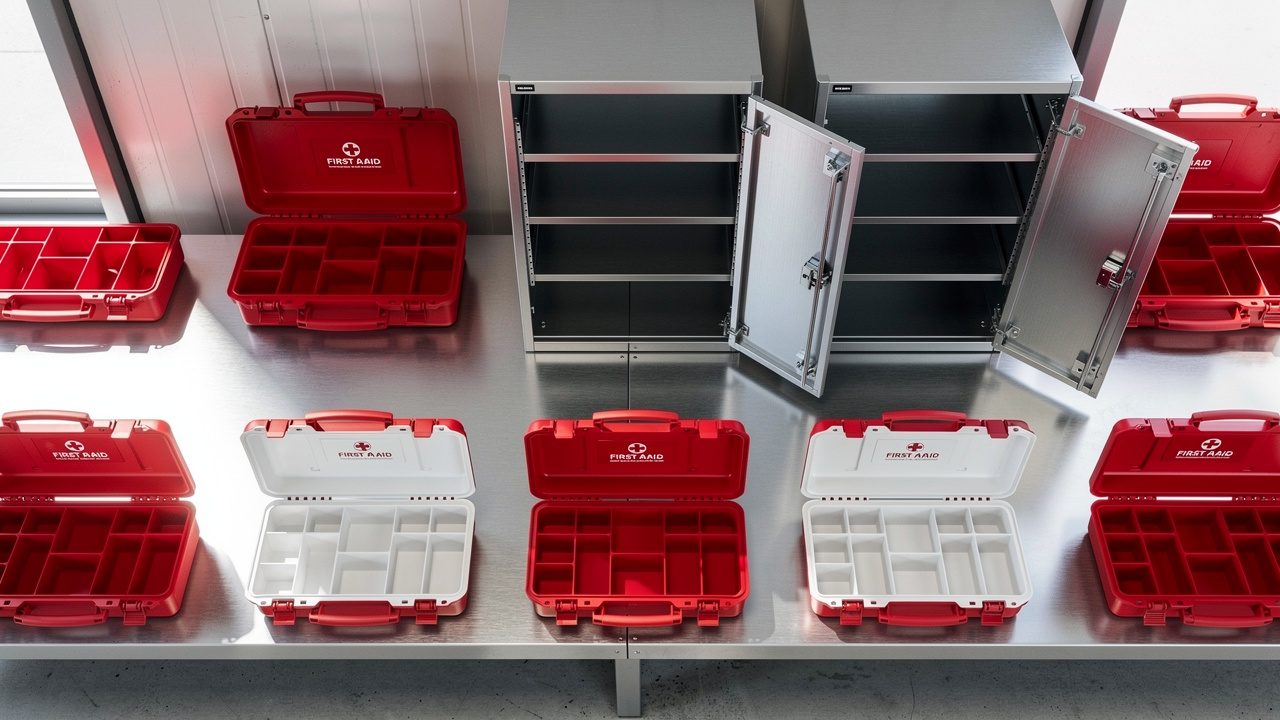
When you hear empty first aid boxes wholesale, think of plastic cases, steel cabinets, rugged boxes, and soft bags shipped without contents. You then stock gauze, bandages, eye wash, and trauma gear based on your own plan.
You can spread these containers across floors, vehicles, and work zones so employees always reach a kit in a short walk. That mix becomes your long term infrastructure, while the contents change over time as your risks and staff change.
Why Are More Facilities Moving To Empty Boxes?
More facilities move toward bulk empty containers because they lower cost and raise control, and studies on first aid kit installation at institutional settings confirm that well-planned kit programs improve both accessibility and compliance outcomes. Internal pricing reviews at First Aid Longs show empty containers plus bulk supplies often run 30 to 50 percent less than similar pre filled kits.
You also cut waste from items that never fit your risk profile, such as niche ointments or small office items that expire untouched. Guidance from OSHA highlights the need for supplies that match likely injuries, not random assortments.
Here is a quick comparison that many procurement teams like you find helpful.
| Program Type | Upfront Cost Level | Flexibility Of Contents | Waste From Unused Items | Fit With Hazard‑Based Planning |
|---|---|---|---|---|
| Pre‑filled kits | Higher | Low | Higher | Weak |
| Empty boxes plus bulk supplies | Lower | High | Lower | Strong |
How To Choose The Right Empty First Aid Boxes Wholesale For Your Environment

You choose the right empty first aid boxes wholesale by matching container material, size, and rating to where you place each kit. You want the box to fit the room and the risk, not the other way around.
You start by looking at headcount, layout, and injury patterns across offices, plants, vehicles, and field work. A small clinic needs very different gear from a highway construction crew or a school district.
Matching Box Types To Your Facility And Risk Profile
The best way to pick boxes is to sort your spaces by risk level, then size, then mobility needs. Office floors, classrooms, and reception areas typically sit in a low risk group and work well with small plastic wall mount cases for 10 or 25 people.
Factories, warehouses, and food plants fit a higher risk group and usually need large metal cabinets for 50 to 200 people, plus portable vehicle boxes for maintenance teams. Construction projects, public works, and utilities often rely on gasketed plastic cases for trucks and rugged bags for supervisors who move around.
This simple table shows how that mapping looks in practice.
| Environment | Main Risk Level | Recommended First Aid Longs Family |
|---|---|---|
| Corporate office or school | Low | Plastic wall boxes, small soft bags |
| Factory or warehouse | Medium to high | Metal cabinets, vehicle cases |
| Construction or field service | High | Gasketed plastic cases, soft trauma bags |
| Healthcare facility | Clinical mix | Metal cabinets, plastic exam‑room boxes |
To make this easier for you, First Aid Longs often suggests you:
- List each site and headcount.
- Mark risk level (low, medium, high).
- Assign at least one fixed box and one portable kit to every zone.
What About OSHA And ANSI When You Buy Empty First Aid Boxes Wholesale?
OSHA’s rule at 29 CFR 1910.151(b) says you must provide “adequate” first aid supplies that are fast to reach. The agency often points employers toward ANSI/ISEA Z308.1 as a helpful standard for kit contents and container types.
ANSI Z308.1 sets two kit classes, A and B, and four container types, I through IV.
- Class A fits lower risk spaces with basic items.
- Class B supports higher risk settings with more trauma gear.
- Type I is fixed indoor.
- Type II is portable indoor.
- Type III is portable with some weather protection.
- Type IV is rugged outdoor.
Guidance from the International Safety Equipment Association explains these details in clear terms.
First Aid Longs designs plastic boxes, metal cabinets, and rugged cases with these types in mind, including room for all required supplies. You only need to:
- Document which container you use in each area.
- Note what ANSI class you stock inside.
- Keep that file ready for audits or safety visits.
Why Empty First Aid Boxes Wholesale Save Money

Empty first aid boxes save you money because you stop paying for contents you do not need and start buying supplies at true bulk rates.
Across many client programs, First Aid Longs sees overall first aid spend drop by roughly 35 to 42 percent when buyers move from pre filled kits to empty containers plus bulk consumables. You still meet OSHA and ANSI guidance, yet you trim inactive items and expired stock. Over a multi site network, those savings stack up year after year.
Cost Comparison: Pre Filled Kits Vs Empty First Aid Boxes Wholesale
Cost comparisons look even clearer when you line up common kit sizes. The table below reflects market averages and internal data from First Aid Longs.
| Kit Size | Typical Pre‑Filled Cost | Empty Box Plus Supplies | Approximate Savings |
|---|---|---|---|
| 10‑person | 25–35 USD | 15–22 USD | 35–40 percent |
| 25‑person | 45–65 USD | 28–42 USD | 35–38 percent |
| 50‑person | 85–120 USD | 55–78 USD | 35–40 percent |
| 100‑person | 150–220 USD | 95–145 USD | 35–42 percent |
As your order volume grows, wholesale pricing on both boxes and refills usually improves. You can also standardize a limited set of SKUs for boxes and supplies, which keeps your purchase orders lean.
Operational Wins: Standardization, Refills, And Compliance
Beyond price, empty boxes bring several daily benefits. When every site uses the same few box models, you can:
- Train staff once on where to find items.
- Keep inspection checklists short and simple.
- Move people between locations without new kit training.
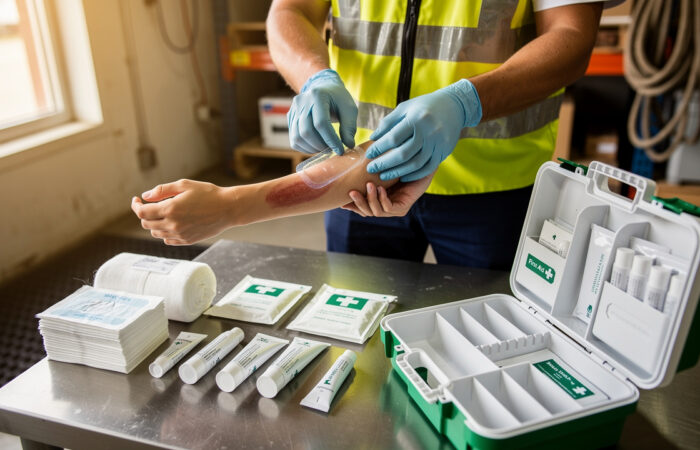
You can also build refill packs that match each container type, such as a small office pack, a 50 person plant pack, and a vehicle pack. Linking those packs to a set schedule turns restocking into a routine task rather than a scramble after incidents.
To keep your loop simple, you:
- Create a short checklist per box.
- Assign monthly or quarterly checks.
- Tie refill orders to that checklist and your budget.
For more ideas, you can review their guidance on bulk first aid refills and match it to your headcount and risk level.
How To Customize Empty First Aid Boxes Wholesale With First Aid Longs

You can customize empty first aid boxes wholesale so your safety needs line up with brand style and clear labels. You do not have to choose between plain white cabinets and loud retail logos.
Because First Aid Longs runs in house manufacturing with a 100K Class Cleanroom, they can adjust logos, colors, and layouts while keeping costs and timelines steady. Many OEM and ODM orders ship within about 45 days, even for larger projects.
OEM/ODM Options: Branding, Colors, And Configurations
With OEM and ODM support, you can turn a standard plastic box or metal cabinet into a container that fits your program and your brand. Options start with simple logo printing on the door and color choices that match your corporate safety scheme.
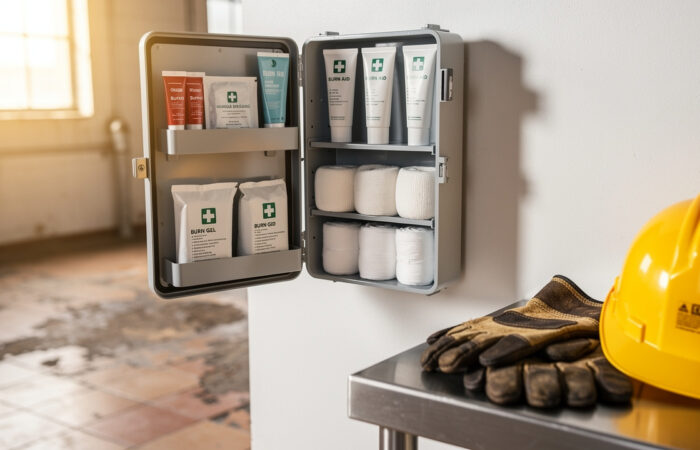
You can add text such as “First Aid,” “Trauma,” or “Burn Care” in clear fonts so staff know what sits inside before they open the door. Engineers at First Aid Longs can also suggest internal layouts, like dividers for small packets or extra shelves for trauma modules.
Here is a quick view of the elements you can tune.
| Element | Example Adjustments Available Through First Aid Longs |
|---|---|
| Logo and text | Company logo, department name, kit purpose text |
| Color | Case body color, door color, label color bands |
| Size | Small 10 person box up to a large multi‑shelf cabinet |
| Interior layout | Dividers, removable trays, door pouches, label sets |
| Mounting style | Wall holes, magnetic backs, vehicle brackets |
Building Risk Based, Branded Programs Across Many Sites
For multi‑site buyers, the real strength comes when you turn custom boxes into a full program. You might settle on four standard containers:
- A 10 person plastic wall box.
- A 25 person plastic wall box.
- A large metal cabinet.
- A soft trauma bag.
Every location then uses those same four items in the same colors with the same labels. That way, your people always know what to expect.
A healthcare network could place metal cabinets in maintenance and lab areas, plastic boxes in exam rooms, and soft bags in ambulances or shuttles. A national construction firm might put rugged plastic vehicle cases in every truck and metal cabinets in trailers and laydown yards. A school district could combine hallway wall boxes with backpacks for field trips and sports travel.
Conclusion
Empty first aid boxes wholesale let you design a first aid program that matches your hazards, budget, and brand instead of living with one size retail kits. When you choose containers by risk level and headcount, then stock them to ANSI and OSHA guidance, you protect people and avoid surprise findings during inspections. First Aid Longs supports that plan through plastic boxes, metal cabinets, rugged cases, and soft bags, plus OEM and ODM services. The team works with you on standard layouts, refill plans, and branding that stay consistent across every facility you manage.