Why Burn Gel Belongs At The Heart Of Your Workplace First Aid Plan
How fast could your teams calm a painful burn on the shop floor or in a busy kitchen right now?
Would your supervisors know when a simple tube of burn gel is enough, and when a burn needs emergency care?
Many workplaces still rely on home tricks and guesswork for burns: ice directly on the skin, butter on a fryer splash, any random tube labeled “burn cream” pulled from a drawer. Those habits feel familiar, yet they do not match modern first aid guidance, and they do not give workers or guests the best chance at a quick recovery.
In a business context, minor burns are not minor problems. They happen in kitchens, production lines, auto bays, warehouses, construction sites, and outdoor jobs. A slow or poor first response can turn a simple incident into extra medical visits, lost shifts, and avoidable claims. Used correctly, burn gel gives you fast cooling, strong pain relief, and a clean, non‑stick cover for many minor burns and sunburns across your sites.
Burn gel products also fit smoothly into ANSI and OSHA‑aligned first aid programs when you choose the right formats and stock them in the right places. First Aid Longs supports this work as a medical supplies and consumables partner for businesses that take safety, cost control, and standardization seriously.
By reading this guide, you gain a clear, practical view of what burn gel is, how it works, when to use it, and when to call 911 instead. You also see which types of burn gel match different areas in your business, and how First Aid Longs can help you select, place, and manage supplies across many locations.
“Preparedness is not a box of bandages; it’s having the right item, in the right place, used the right way.” – Workplace Safety Principle
Key Takeaways
Burn gel should sit at the center of your plan for minor workplace burns rather than on the edges as a nice extra. When you use it after cool running water, it supports pain control and comfort and gives your teams a simple, repeatable tool they can trust during stressful moments.
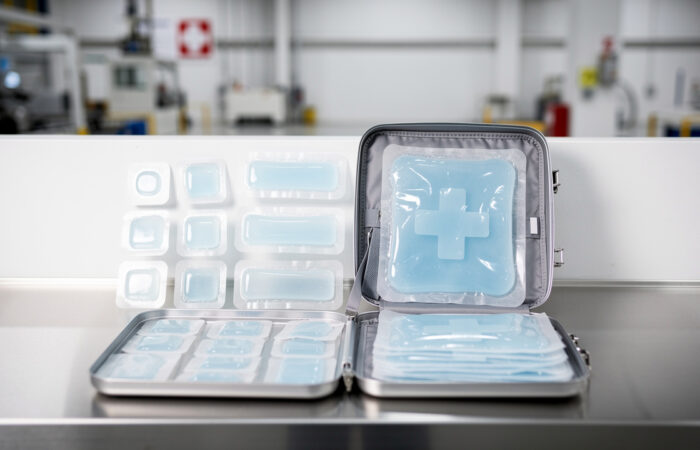
Hydrogel burn dressings, such as sterile four‑by‑four gel‑soaked pads, work well for localized workplace burns on hands, arms, and similar areas. They combine cooling and coverage in one item, which keeps first aid straightforward for your staff. These dressings also line up with common ANSI‑style first aid kit expectations for heat‑exposed sites.
Tube‑based burn relief gel with lidocaine and aloe is ideal for very small burns and for sunburn in outdoor or guest‑facing settings. A compact tube fits well in security posts, lifeguard stands, reception desks, and office kitchens. This type of burn gel is easy to hand to an employee or guest while still keeping control of how it is used.
Burn gel is meant only for minor, superficial burns on limited areas of skin. Deep, large, electrical, chemical, or face and genital burns are medical emergencies that need professional care rather than more gel. Your written procedures should spell out these red flags in clear language for everyone.
Product choice is only part of the picture, because placement and expiry control matter just as much. A partner such as First Aid Longs can help you standardize burn gel types, stocking levels, and refill routines across multiple facilities so that every high‑risk zone has what it needs.
What Burn Gel Is And How It Works In Workplace First Aid

At its core, burn gel is a water‑rich gel or cream designed for quick use on minor burns and sunburns. When someone touches a hot pan, brushes an exhaust pipe, or comes back from an outdoor shift with sore, red skin, the right burn gel can cool the area, reduce pain, and protect the surface of the skin. In practice, that means less distress for the person and a more controlled incident for your supervisors.
In workplaces, you mainly see three forms of burn gel:
Hydrogel burn dressings – sterile pads soaked in gel that you place directly over a burn.
Tube‑based burn relief gel – squeezed onto the skin in a thin layer, often for sunburn or very small contact burns.
Single‑use gel packets – small doses of burn gel that work well in cafeterias, classrooms, mobile kits, and other high‑turnover settings where hygiene is a concern.
Burn gel helps the body in several ways at once:
The high water content pulls heat away from the skin and supports the cooling that you already started with running water.
Many workplace‑grade products include lidocaine hydrochloride, which blocks some of the nerve signals in the damaged area and cuts down the intense burning feeling.
Common ingredients such as aloe vera, glycerin, and propylene glycol hold moisture in the surface layers of skin, which helps reduce tightness and dryness as the burn settles.
Hydrogel burn dressings add another advantage, because the gel layer forms a low‑friction contact surface between the pad and the wound. That non‑stick effect means the dressing is less likely to tear fragile tissue when you remove it for medical review or a dressing change. In dusty plants, food areas, and outdoor sites, the pad also acts as a barrier between the injury and dirt or irritants.
It helps to be clear on what burn gel cannot do:
It does not replace the first step of rinsing a fresh burn with cool running water for at least ten to twenty minutes, where this is practical.
It does not fix serious deep burns, large‑area burns, electrical damage, or chemical injuries, which all demand medical support.
It does not replace proper wound cleaning and infection control for more complex burns.
Within a well‑planned first aid system, you use burn gel only after the heat source is removed and after the first water‑cooling phase. At that point the gel maintains cooling, adds pain relief, and gives you a way to cover the injury while you observe the person or arrange safe transport. First Aid Longs helps businesses fold suitable burn gel products into that wider system so that your kits, wall stations, and vehicle sets all match the risks on your sites.
“For burns, cool water comes first, but a good hydrogel dressing often decides how comfortable the next few hours will be.” – Occupational Health Nurse
Types Of Burn Gel Products And When Each Makes Sense For Your Sites
Once you accept that burn gel belongs in your first aid setup, the next step is choosing the right formats. Different areas of your business face different risks, so a single product rarely covers everything well. Most teams do best with a mix of hydrogel dressings plus tube or packet‑style burn gel spread across fixed stations and mobile kits.
A quick way to compare formats is to look at how they fit daily work.
| Format | Best For | Key Benefits | Typical Locations |
|---|---|---|---|
| Hydrogel burn dressings | Localized burns on hands, arms, small areas | Cooling plus coverage in one sterile, non‑stick pad | Production lines, auto bays, commercial kitchens, site kits |
| Burn relief gel in tubes | Very small burns and sunburn | Fast pain relief with lidocaine, easy to hand to one person | Offices, hotels, gyms, outdoor crews, security posts |
| Single‑use burn gel packets | Tiny burns in high‑traffic or shared spaces | Good hygiene, portion control, simple to distribute quickly | Cafeterias, classrooms, event venues, mobile and bus kits |
Hydrogel burn dressings are the workhorses for most heat‑exposed workplaces. A sterile four‑by‑four pad soaked in burn gel can be applied straight from the wrapper to a small machinery burn, fryer splash, or welding spatter after cooling with water. These dressings help you meet common ANSI‑ and OSHA‑based expectations for first aid kit contents in plants, warehouses, and similar sites. They are easy for trained first aiders to use and simple for auditors to check.
Tube‑based burn relief gel brings strong value in more public or flexible settings. A compact tube with lidocaine and aloe can live in an office first aid cabinet, a hotel front desk, a security station, or a lifeguard tower. Staff can apply a thin layer to a minor stove burn, hair‑straightener burn, or sunburn patch without dealing with full dressings. Because the tube is reusable within its shelf life, it fits environments where you see frequent, very small burns.
Single‑use burn gel packets give you another option when many people share the same kit. Each packet holds a measured amount of burn gel, which cuts down the chance of cross‑contamination between users. Packets work well in cafeterias, gyms, buses, classrooms, and concession stands, where someone can grab a single dose quickly under guidance from a trained person.
In practice, you gain the most control when you combine these forms in a simple plan:
Hydrogel burn dressings sit in fixed first aid stations in higher‑risk areas such as production lines, auto service bays, and commercial kitchens.
Tubes or packets of burn gel ride in supervisor vehicles, mobile carts, guard posts, and guest‑facing points where sunburn and tiny burns are more common.
First Aid Longs supports you by standardizing this mix across sites so that each kit draws from the same set of proven burn gel products.
When To Use Burn Gel And When To Call 911 Instead

Burn gel is powerful in the right setting, but it has clear limits. Your policies should make those limits so clear that front‑line staff and supervisors never have to guess under pressure. A simple way to start is with plain‑language burn levels that match basic first aid training.
First‑degree burns affect only the outer layer of skin. They look red, feel painful, and do not have blisters. Small areas of this kind, such as a brief touch on a hot pan or mild sunburn on the neck, are typical candidates for first aid with cool water followed by burn gel.
Small, superficial second‑degree burns reach a little deeper and often have small blisters on a limited area. You might see this pattern after a quick splash of hot oil, a short steam hit, or contact with hot metal. After you cool the area under running water, a hydrogel dressing or a thin layer of burn gel may be suitable if the burn is not on the face, genitals, major joints, or a very large area.
For these minor cases, a clear sequence helps everyone act the same way:
Stop the burning by moving away from the heat source and gently removing rings, watches, or tight items near the area if they are not stuck to the skin.
Cool the burn with clean, cool running water for at least ten minutes and up to twenty minutes when it is safe to do.
Gently dry around the burn, taking care not to break any blisters.
Apply a suitable burn gel product (dressing, tube, or packet) as directed on the label.
Cover the area with a light dressing if needed, document the event, and check the person over the next day or two.
Certain situations sit far outside the safe use zone for burn gel and must trigger emergency action:
Any burn that looks deep, has white or charred patches, or covers more than the size of the person’s palm.
Burns caused by electricity or chemicals.
Burns on the face, hands, feet, genitals, or over major joints.
Burns in very young children, frail older adults, or people with complex health issues.
On top of this, product labels for burn gel place safety limits that you should build into your training:
These gels are for external use only and must be kept away from the eyes and mucous membranes.
They should not be used in heavy amounts on raw, heavily blistered, or very large areas of skin without medical advice.
If pain, redness, or other symptoms last more than about a week, get worse, or clear and then return, your staff should seek a doctor rather than reach for more burn gel.
From a policy view, you protect your teams best when you write these green‑light and red‑flag rules into simple charts near first aid stations. Every person who might apply burn gel needs to know that it never replaces emergency calls in serious cases and never replaces clinical care when a burn is more than minor.
“Teach people when not to use a product as clearly as when to use it. That’s where real safety culture shows.” – Safety Manager Commentary
Sector Specific Strategies – Placing Burn Gel Where You Actually Need It
Good burn gel products lose value if they sit in the wrong spot on your site. The core idea is simple: burn gel should live as close as possible to real burn hazards rather than in a lonely cabinet at the front office. When you map your risks by department, the right placement pattern becomes much easier to see.
Construction and industrial manufacturing sites deal with hot metal, welders, cutting torches, steam lines, heated molds, and long days in the sun. In these settings:
Hydrogel burn dressings belong in job site kits, tool rooms, boiler rooms, and maintenance shops where contact burns are likely.
Tube or packet‑style burn gel can ride in foreman trucks, lockout/tagout stations, and safety officer kits so that sunburn and very small burns get quick care.
Burn scenarios also fit well into toolbox talks so crews practice the right steps before an incident happens.
Warehouses, logistics hubs, and automotive service centers face hot engines, exhaust parts, brake systems, conveyor motors, and shrink‑wrap machines. A practical pattern is:
Main first aid cabinets near loading docks and service bays should carry several hydrogel burn dressings for hand and forearm injuries.
Dispatch desks, fleet maintenance counters, and fuel areas are good homes for tubes of burn relief gel that handle smaller burns and sun exposure on yard staff.
This layout means staff do not have to cross large facilities while in pain just to reach burn gel.
Food production facilities and commercial kitchens bring their own mix of hot oil, grills, ovens, steamers, and dishwashers. A strong approach is to:
Place marked first aid boxes near kitchen entry points, with both burn dressings and small burn gel tubes, kept away from food prep zones to avoid confusion.
Require every burn, even tiny ones, to be recorded to support food safety systems and show that burns get formal attention.
Give clear guidance so staff know when a minor hand burn can be cooled, treated with burn gel, and watched, and when a blistering burn needs a clinic visit and possibly removal from direct food handling.
Hospitality sites, event venues, and corporate offices handle a blend of guest and staff risks, from in‑room irons and kettles to buffet gear and office microwaves:
Housekeeping carts, banquet kits, and front‑desk first aid sets are smart places for small tubes or packets of burn gel that staff can apply or hand to a guest.
Larger venues, stadiums, and conference centers should also stock hydrogel dressings and burn relief gel in central first aid rooms to cover burns from cooking gear, lighting rigs, or outdoor sun.
Schools, universities, and fitness centers see burns from science labs, culinary classes, shop work, sun exposure during sports, and hot surfaces in saunas or around pools:
Lab and workshop areas should have hydrogel burn dressings near safety showers and eye‑wash points.
Nurse offices and athletic trainer rooms can keep burn relief gel for sunburn and very small burns.
Policies in K–12 settings may limit who can apply lidocaine‑based burn gel, while higher education and gyms can write wider rules backed by staff training.
Across all these sectors, First Aid Longs can help you build clear stocking lists that match your risk map. That support covers which burn gel formats to place in each area, how many items to hold for your headcount, and how to keep the same standards across many branches or campuses.
Selecting, Managing, And Standardizing Burn Gel Supplies With First Aid Longs
Once you know where burn gel should live, the next move is choosing products that fit your safety goals, your budgets, and your compliance needs. A little structure in this step saves a lot of confusion later, especially for groups with many sites and many kit types.
1. Start With Compliance Alignment And Risk Fit
Look for hydrogel burn dressings that clearly support ANSI or similar first aid kit standards so you can show inspectors that you match common guidance.
For heat‑heavy zones such as production lines, auto bays, and commercial kitchens, dressings form the base stock.
Tube or packet‑style burn gel then rounds out mobile and guest‑facing points such as guard posts, pool decks, front desks, and outdoor work crews.
2. Review Ingredients And Suitability
Ingredient checks matter as well. Many burn gel products use lidocaine hydrochloride for pain relief plus aloe vera and other moisturizers, which work well for most adults when used on small areas. In hospitals, schools, and other sensitive settings, you may decide to favor fragrance‑free or low‑allergen options. Safety Data Sheets and label reviews help you match burn gel choices with any known allergy trends in your workforce.
3. Plan Strategic Placement And Redundancy
Strategic placement and redundancy protect you from gaps:
Each high‑risk department should have its own burn gel supply rather than share a single cabinet on another floor.
On multi‑story or campus sites, many teams set a simple rule that every level with hot work or sun‑exposed tasks must have both hydrogel dressings and tube or packet burn gel within a short walking distance.
Clear signs and simple icons near first aid points help new staff and visitors find burn treatment quickly.
4. Manage Stock And Expiry Dates
Stock management and expiry control keep your plan from fading over time:
Keep a basic inventory log that lists where each burn gel item sits and when it expires so supervisors have an easy monthly check.
Use color‑coded stickers to mark items that expire within the next year so staff can move those to higher‑use areas or request replacements early.
Because expired burn gel may lose some effect or sterile status, early replacement is cheaper than poor performance during an incident.
5. Embed Burn Gel Into Training And Reporting
These steps fit directly into your broader policies, training, and documentation routines:
Burn gel should appear in your regular first aid kit inspection forms.
Include burn gel use and limits in first aider training content.
Add simple fields about burn treatment to your incident report templates.
Every time staff use burn gel for a burn, you gain data that helps you spot hot spots, adjust kit sizes, and improve guarding or work methods.
First Aid Longs supports this whole cycle as a steady medical supplies and consumables partner. With in‑house manufacturing inside a 100,000‑class cleanroom, First Aid Longs focuses on consistent quality and cost control for high‑volume items. The company offers:
Flexible custom branding and packaging
Low minimum order sizes
Reliable delivery
Aligned product ranges that suit more than one hundred client groups across many industries
That means your teams can agree on a set of burn gel products and count on the same items turning up in every kit refill and every new site.
“Standardization is the quiet side of safety. When every kit looks and feels the same, people act faster and make fewer mistakes.” – Corporate EHS Leader
Secure Reliable Burn Gel Supplies Today!
Order our high-quality wholesale burn gels and burn dressings made with safety standards to stabilize your healthcare operations.

Conclusion
Minor burns may look simple, yet they test how well you turn safety plans into action on real shop floors, kitchens, and job sites. When you treat burn gel as a core part of first aid rather than an afterthought, you give your people a fast, clear way to cool the injury, cut the pain, and protect the skin. That support matters to staff, guests, and regulators alike.
Success with burn care rests on a plain formula:
Choose the right mix of hydrogel dressings plus tube or packet burn gel.
Place them close to real heat and sun risks.
Train people on when to use them and when to call 911.
Keep stock in date and standardized across your locations.
Doing this well can shorten recovery for injured workers, reduce downtime and claim costs from small incidents, and show strong care for people during OSHA checks and internal reviews.
Now is a good moment to look honestly at your current burn treatment setup. Check whether every high‑risk zone has direct access to suitable burn gel, whether kits carry the same items from site to site, and whether your teams know the green‑light and red‑flag rules for use. When you are ready to raise your standard, bring your safety leaders, procurement staff, and First Aid Longs together to shape a burn care plan that fits your operations and can grow as your business grows.