
Introduction
Every January, people set big goals for health and safety. Yet research shows fewer than one in ten New Year’s resolutions last the full year. Safety plans often fade the same way. A clear first aid kit contents list may sit in a binder, while real kits on your sites stay half‑stocked or full of expired items.
A cross-sectional survey of workplace safety practices shows that properly stocked first aid kits can cut the severity of minor injuries by a large margin, while OSHA data reinforces the importance of immediate access to appropriate supplies. Safety experts estimate that tens of thousands of workplace injuries each year could be prevented or reduced with fast access to the right supplies. Empty, outdated, or inconsistent kits create a false sense of security for both employees and management.
For any organization, comprehensive first aid is about far more than a compliance checkbox. It protects lives, reduces claim costs, and shows a real commitment to worker well‑being. This guide walks through a professional first aid kit contents list, explains why each category matters, and shows how to adapt kits for offices, plants, vehicles, labs, kitchens, sports programs, and more. You will also see how OSHA and ANSI Z308.1‑2021 shape what “adequate supplies” really means, and how to keep every kit inspection ready. First Aid Longs supports this work with professional‑grade kits and components for B2B buyers, backed by in‑house cleanroom manufacturing and flexible OEM and ODM services, so your teams can rely on what is in the box when it counts most.
Key Takeaways
A well planned first aid kit contents list organizes wound care, antiseptics, medications, tools, PPE, splints, emergency gear, and paperwork so every kit is consistent and dependable.
Stocking a kit once is not enough. Regular inspections, expiration checks, and timely restocking keep kits ready; simple checklists and logs help you spot gaps before an incident does.
Different settings need more than a basic list. Marine, sports, kitchen, lab, vehicle, hiking, and animal care environments each call for extra items matched to their specific risks.
OSHA and ANSI standards outline what “adequate” workplace first aid looks like, protecting people, supporting compliance during audits, and reducing the chance of costly violations.
A properly stocked and managed kit is an investment in safety, brand protection, and workforce confidence, showing leadership that cares and helping you avoid preventable injuries turning into major events.
What Is a First Aid Kit Contents List?
A first aid kit contents list is a written inventory of medical supplies and tools meant to give immediate care for injuries and sudden illness until professional help arrives. Instead of guessing what to buy each time, you follow the same list so every kit across floors, buildings, and vehicles meets your safety standard.
Home kits may hold only a few bandages and pain tablets. Professional workplace kits go further. OSHA regulation 29 CFR 1910.151 requires employers to make adequate first aid supplies readily available when outside medical care is not close by. The ANSI Z308.1‑2021 standard explains what “adequate” means by defining minimum types and quantities of items. Many teams use the American Red Cross first aid kit contents list as a starting point, then align it with ANSI rules for Class A or Class B workplace kits.
For safety or procurement leaders, the contents list is more than a shopping note. It supports audits, guides restocking, and assigns clear responsibility for what belongs in every box or cabinet. The First Aid Kit Market continues to expand with diverse configurations tailored to specific industries, reinforcing that no single list fits every site. Hazards, headcount, shift patterns, and distance from medical care all shape what your kits should hold. First Aid Longs designs configurations for construction, manufacturing, healthcare, offices, schools, and distributors, so you start from a strong standard and then adjust around real‑world risks.
Essential Wound Care and Bandaging Supplies

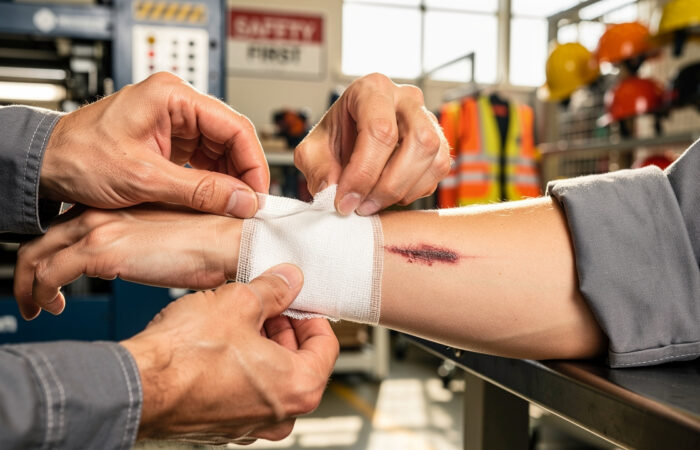
Wound care items are the supplies your teams reach for most often. Scrapes, minor cuts, and small lacerations happen daily in plants, kitchens, labs, and offices, so this part of your first aid kit contents list needs both breadth and depth.
Adhesive bandages in many shapes and sizes (standard strips, fingertip, knuckle, and larger patches) cover most small cuts. Fabric bandages flex better than plastic and stay put on joints during a full shift.
Sterile gauze pads (2″×2″, 3″×3″, 4″×4″) and gauze rolls in different widths support cleaning, padding, and covering larger wounds while helping control bleeding.
Specialized dressings such as non‑stick pads for burns, absorbent compress dressings (around 5″×9″), and, in higher‑risk sites, trauma pads or hemostatic gauze help manage more serious bleeding before EMS arrives.
Supportive wraps and multiuse bandages complete the set. Triangular bandages can hold a dressing, create a sling, or help with makeshift tourniquets under medical direction. Elastic bandages provide compression for sprains and strains. Industrial kits from First Aid Longs group bandages and compatible dressings so your teams have the right combinations on hand.
Antiseptics, Cleansing Agents, and Infection Prevention

Good cleaning keeps a small cut from turning into an infection and a lost‑time injury. Even with the best bandages, broken skin that is not cleaned can trap dirt and bacteria.
Antiseptic wipes or towelettes clean the skin around the injury and the wound itself when appropriate. Benzalkonium chloride wipes are common because they do not sting and work against many germs. Alcohol prep pads remain useful for cleaning intact skin before procedures.
Wound irrigation with sterile saline helps flush out dirt and fine debris. An irrigation syringe with an 18‑gauge catheter gives more control than pouring from a bottle, and cotton balls or cotton‑tipped swabs allow careful cleaning of small areas.
After cleaning, single‑use antibiotic ointment packets lower the chance of bacterial growth. Many kits carry bacitracin or a triple‑antibiotic formula. Saline is now favored over hydrogen peroxide for most irrigation to reduce tissue irritation. Cleansing pads with a mild topical anesthetic can reduce pain during cleaning and calm stressful scenes.
Tapes, Adhesives, and Securing Materials
Dressings work only if they stay in place through a full shift.
Medical cloth tape about one inch wide is the standard for securing gauze and dressings. Cloth tape molds to curves and is kinder to skin than many plastics. A compound tincture of benzoin on nearby skin can help tape grip in sweaty or high‑movement areas.
Liquid bandage creates a thin, waterproof layer over very small, clean cuts where pads and tape are awkward (for example, on knuckles). Petroleum jelly can keep dressings from sticking to wounds and protect nearby skin from maceration, which matters in hot or wet work settings.
Medications and Pharmaceutical Supplies
Workplace first aid must also address headaches, muscle pain, allergic reactions, stomach issues, and blood sugar swings problems that disrupt work or can become serious if ignored.
For pain and fever, most workplace kits stock both acetaminophen and ibuprofen, with clear labels and dosing instructions that match company medical guidance.
Low‑dose aspirin may help when an adult has chest pain that could signal a heart attack and a medical professional or emergency dispatcher advises its use. Oral antihistamines (such as diphenhydramine) treat hives, stings, and mild allergic reactions, while some staff may require personal epinephrine auto‑injectors per policy.
Topical medications and digestive aids keep minor issues from escalating: hydrocortisone cream, calamine, aloe gel, anti‑diarrhea tablets, antacids, anti‑nausea products, and glucose tablets or gel for known diabetics. First Aid Longs can configure medication assortments that reflect your workforce age mix, climate, and known health considerations while staying aligned with OSHA and ANSI guidance.
Essential Medical Tools and Instruments

Supplies alone are not enough. Responders also need dependable tools to cut, grip, measure, and flush safely.
Paramedic shears with blunt tips are the preferred cutting tool. They slice through clothing, bandages, and tape while rounded ends protect the skin. Lighter scissors remain helpful for smaller tasks.
Fine‑point tweezers make it possible to remove splinters, glass, and metal shavings without digging. Safety pins secure bandages, hold slings in place, and even handle fast clothing repairs around protective gear.
A digital, non‑glass thermometer helps check for fever during heat stress or illness. Irrigation syringes and oral dosing syringes support accurate liquid measurements. Where policy allows, compact multi‑tools help with certain emergency tasks. Kits from First Aid Longs use durable, professional‑grade instruments so they stand up to repeated use instead of bending or breaking during an emergency.
Personal Protective Equipment (PPE)
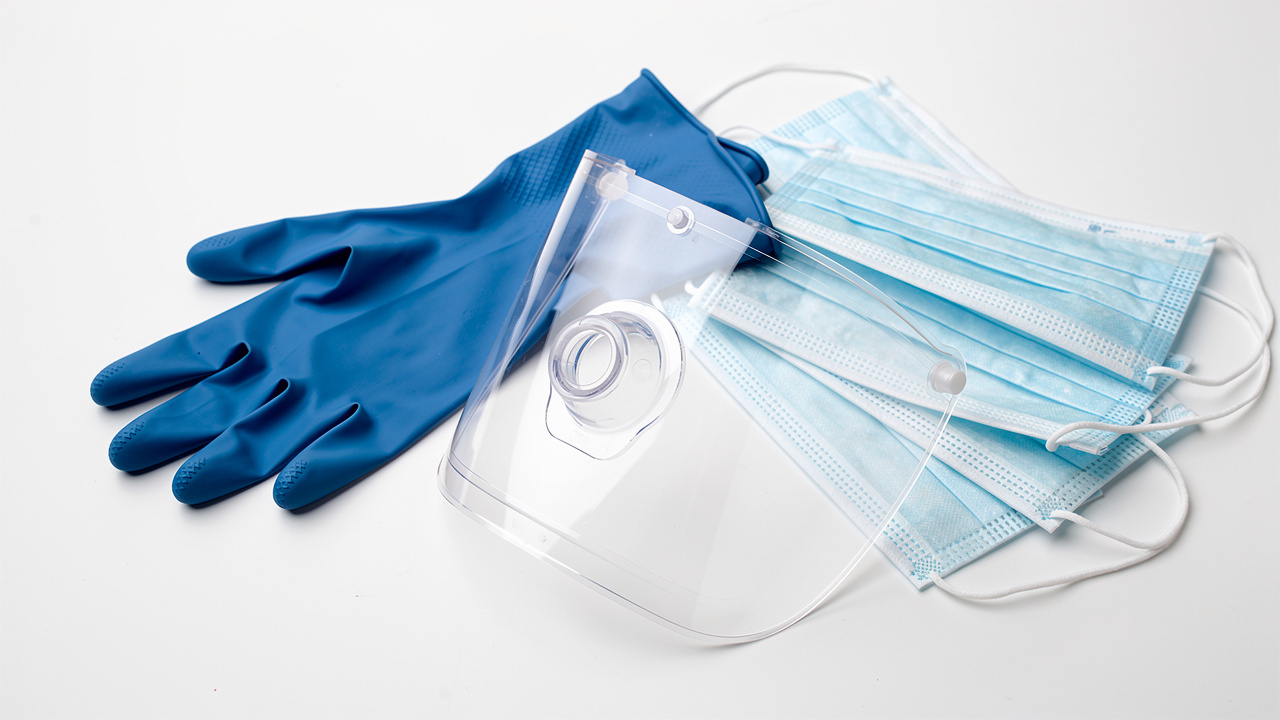
Protecting the person who gives first aid is just as important as caring for the injured worker.
Disposable examination gloves belong in every kit. Nitrile gloves avoid latex allergy issues and offer strong puncture resistance. High‑hazard or high‑occupancy sites should stock multiple pairs so responders can change gloves between patients or tasks.
A CPR mask or breathing barrier with a one‑way valve lets trained staff give rescue breaths without direct mouth contact, lowering disease‑transmission risk and increasing responder confidence.
Simple face masks add another layer of protection when workers show respiratory symptoms or air quality is poor. OSHA’s Bloodborne Pathogens Standard 29 CFR 1910.1030 calls for appropriate PPE wherever exposure to blood or other potentially infectious materials can occur. First Aid Longs offers kit configurations with PPE quantities matched to expected use.
Splinting and Immobilization Supplies
When staff suspect a fracture, dislocation, or serious sprain, stopping movement of the injured area is key.
SAM‑style splints or similar malleable aluminum splints bend into many shapes and then stiffen once wrapped, supporting wrists, forearms, ankles, or lower legs. Their light weight and reusability make them ideal for field service and remote sites.
Aluminum finger splints handle common injuries like jammed or crushed fingers by keeping small bones still and protecting tender tissue. Triangular bandages can form arm slings or extra support wraps around joints.
Instant cold packs give fast relief for sprains, strains, and bruises by limiting early swelling and pain. Manufacturing plants, warehouses, and construction sites benefit from multiple splints and plenty of cold packs.
Emergency and Survival Equipment
Serious incidents involve more than the initial injury. Temperature, light, and environment can quickly make things worse.
Emergency space blankets are thin, reflective sheets that hold in body heat. They help treat shock, protect people during evacuations in cold weather, and fit easily into vehicle kits.
Small waterproof flashlights or headlamps with spare batteries keep responders working safely during power loss or at night. Hand sanitizer supports hygiene when sinks are not nearby.
Sunscreen and insect repellent belong in outdoor workplace kits, hiking kits, and marine kits to prevent painful burns and bites during long responses. First Aid Longs can add survival tools such as whistles or glow sticks when your risk assessment calls for longer evacuations or outdoor rescue scenarios.
Documentation, Communication, and Reference Materials
Bandages and medications matter, but information often makes the difference between confusion and clear action.
A current first aid manual or quick‑reference card set gives step‑by‑step guidance during stressful moments so responders follow the same protocol instead of relying on memory.
Simple documentation tools a waterproof notebook and pen make it easy to record time of injury, symptoms, vitals, treatments, and witness names. These records support OSHA logs, workers’ compensation reports, and internal safety reviews.
Each kit should include emergency contact lists and key forms: 911, the national Poison Control Center at 1‑800‑222‑1222, nearby urgent care or hospitals, and on‑call safety or medical staff. In schools, camps, and group care, medical history and consent forms speed decisions when guardians are not present.
Specialized First Aid Kits By Environment
Core items such as bandages, antiseptics, and gloves show up in nearly every basic first aid kit contents list, but as the First Aid Kit Market shows through industry analysis, effective protection comes when you adapt that base to each setting:
Marine and maritime operations: Need corrosion‑resistant containers, waterproof pouches, extra seasickness medication, and stronger thermal protection, while commercial vessels must follow Coast Guard rules.
Sports and athletic programs: Rely on many elastic wraps, instant cold packs, blister‑prevention pads, oral rehydration salts, plus items like mouth‑guard containers, dental injury kits, and extra tape for joint support.
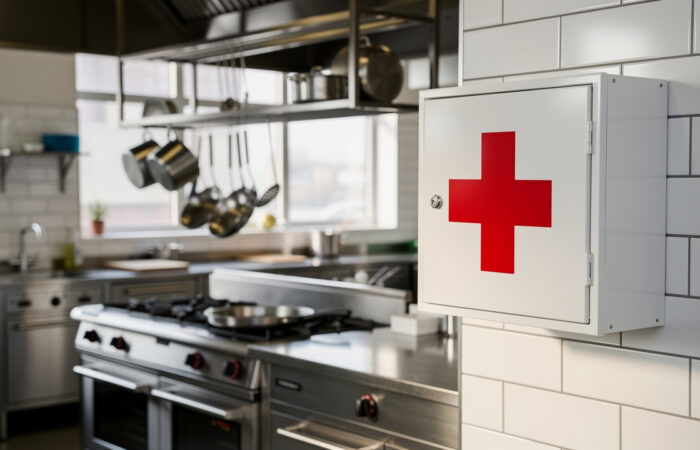
Kitchens and food service: Face heat, sharp tools, and food safety rules, so kits should include extra burn dressings, hydrogel pads, eyewash, and blue high‑visibility bandages that stand out in food products.
Laboratories and chemical facilities: Need fast access to eyewash, clear chemical‑burn response guidance, burn gels, specialized PPE, and items that work alongside plumbed drench showers, all matched to actual chemicals on site.
Vehicles and field teams: Benefit from emergency blankets, warning triangles or flares (per policy), extra bandages for crash‑related cuts, water, high‑energy snacks, and backup phone‑charging tools.
Hiking, forestry, and animal care: Outdoor kits need blister care, snake‑bite guidance, insect sting supplies, shelter items, and splints for fractures far from roads. Animal operations also need items to protect staff who may be bitten, scratched, or kicked.
First Aid Longs builds specialized kits for each of these settings and more, drawing on OEM and ODM capabilities to match your hazards, branding, and storage constraints.
OSHA and ANSI Compliance Standards
Regulatory rules set the baseline for what workplace kits should contain and how quickly staff can reach them. OSHA regulation 29 CFR 1910.151 states that employers must make adequate first aid supplies readily available whenever medical services are not nearby and points to ANSI Z308.1‑2021 as the main reference for kit contents.
OSHA 29 CFR 1910.151(b) states, “Adequate first aid supplies shall be readily available.”
ANSI divides workplace kits into two main classes based on hazard level and workforce size:
Kit Class | Typical Workplace Use |
|---|---|
Class A | Offices, retail, and low‑hazard sites with smaller groups of workers |
Class B | Larger sites or higher‑hazard work such as manufacturing, construction, or warehousing |
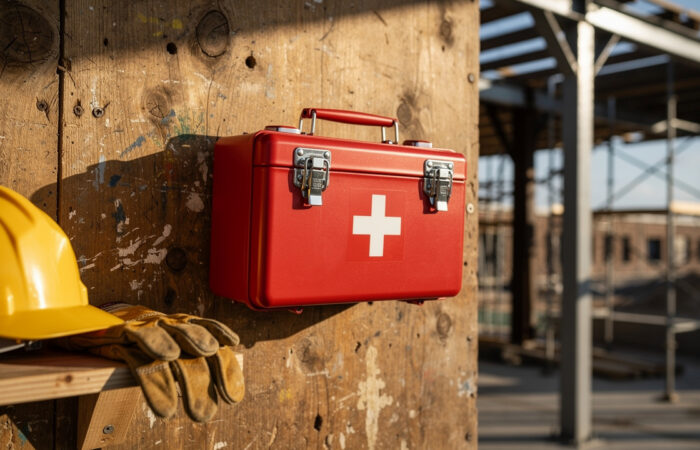
In practice, “adequate” means your kits hold enough of each item for your headcount and risk profile, match the hazards you identified, sit within about three to four minutes’ travel from any work area, and stay clean and dry in marked containers. Construction, maritime, and logging operations may face extra OSHA rules beyond those in the general industry.
OSHA penalties for missing or poorly managed first aid gear can reach five figures per serious violation, with willful or repeated issues costing far more. For procurement and safety teams, working with a partner such as First Aid Longs, which designs OSHA‑ and ANSI‑aligned kits for B2B buyers, helps avoid surprises while giving staff reliable care on site.
First Aid Kit Maintenance and Management

A perfectly stocked kit on day one can become a liability a year later if no one manages it. Empty boxes, expired ointments, and dead flashlights fail injured workers and weaken your standing during inspections.
“A first aid kit is only as good as its last inspection” is a common reminder among occupational health professionals.
Set a written inspection schedule that fits usage patterns. High‑traffic sites like manufacturing floors and school gyms may need monthly checks; quieter offices might manage with quarterly reviews. Assign named owners for each kit.
During each check, review expiration dates on medications, ointments, antiseptic wipes, and sterile items. Replace products before they expire; many teams move soon‑to‑expire stock into training labs so nothing goes to waste.
After every incident, restock used items right away. Simple habits, such as placing a short note on the kit after use, help supervisors know when to reorder. Maintain an inventory log with item counts, changes, and inspector names.
Use tamper‑evident seals or tags on wall cabinets and vehicle kits to show at a glance when someone opened a kit between inspections, and keep every kit in a marked, unobstructed spot that staff can reach quickly. First Aid Longs offers replenishment programs and component packs that help multi‑site organizations keep hundreds of kits aligned.
Secure Reliable First Aid Kit Supplies Today!
Explore Our first Aid Kits designed to reduce delays and stabilize your healthcare operations.

Conclusion
A well planned, well maintained first aid kit is far more than a line item on a compliance checklist. When your teams follow a professional first aid kit contents list, they give every injured person a better chance at a minor outcome instead of a major one. That readiness lowers claim costs, supports productivity, and shows employees that leadership takes their safety seriously.
Across your facilities, the same themes repeat: dependable wound‑care supplies, strong antiseptics, the right mix of medications, solid medical tools, appropriate PPE, splinting and cold‑therapy items, emergency support gear, and clear documentation tools. Stocking these once is only the first step; ongoing inspections, restocking, and updates as your hazards change keep those kits ready when someone reaches for the box on the wall.
At the same time, no single list fits every setting. Marine operations, labs, kitchens, sports programs, vehicles, hiking sites, and animal care facilities each need specialized add‑ons. First Aid Longs helps healthcare providers, manufacturers, builders, schools, offices, and distributors build professional‑grade kits that match OSHA and ANSI expectations and real‑world risk profiles. Now is a good moment to review your current first aid kit contents list, compare it with your hazards and headcount, and partner with an experienced manufacturer so the next time something goes wrong, your people can put the right help in the right hands within minutes.