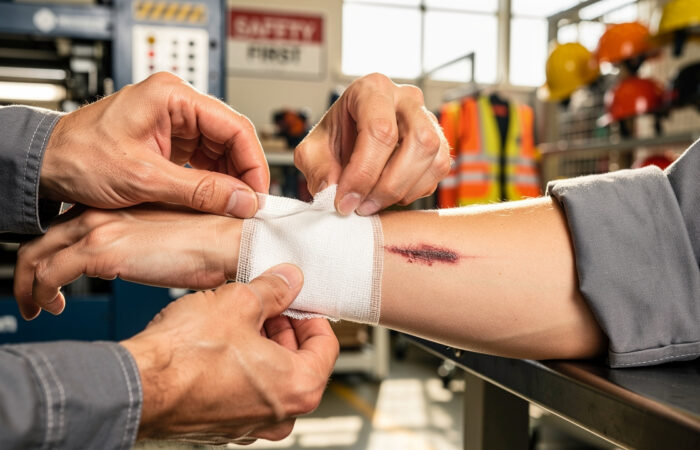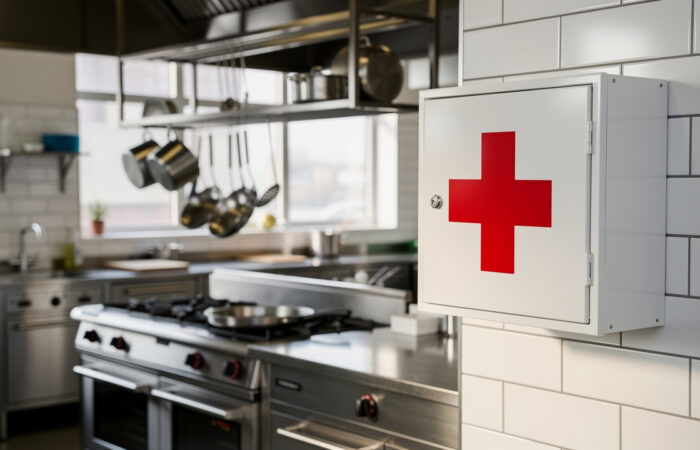
Introduction
The Centers for Disease Control and Prevention reports that millions of children are hurt at or around school each year, and more than two million visit emergency departments for school‑related injuries. Assessment of preparedness for school health emergencies shows that many schools still lack adequate first aid protocols and supplies. When a child falls on the playground, takes a hit on the field, or has an allergic reaction in the cafeteria, your response depends on what is inside the nearest school first aid kit and how fast staff can reach it. For school leaders, the duty is both to protect students and to meet workplace safety rules.
A generic home or office kit rarely covers that duty. It is not built for hundreds of children, a wide age range, or higher-risk areas like labs and gyms. It usually ignores strict medication rules, OSHA expectations, and ANSI standards. It also does not answer the everyday question many of you ask: what should you have in a school first aid kit that really works for real incidents?
This guide walks through everything step by step. You will see how school first aid kits differ from standard kits, what contents every campus needs, how OSHA and ANSI rules apply, where to place different kit types, and how to manage inspections and staff training. By the end, you will have a clear blueprint to assess your current kits, close gaps, and build a safer, compliant system for your entire school or district.
Key Takeaways
A strong school first aid kit program protects students and staff while also showing that your school takes OSHA and ANSI rules seriously. When inspectors visit, complete and well‑placed kits send a clear message. When parents ask about safety, this program gives you confident answers.
Generic home or office kits do not match school risks, age ranges, or population size. You need multiple kit types in classrooms, gyms, buses, offices, and outdoor areas. Each one must use child‑safe supplies that are latex free, non‑toxic, and sized for students.
Modern school safety planning calls for trauma and bleeding control readiness in addition to basic first aid items. Stop the Bleed style kits with tourniquets and hemostatic dressings are becoming standard in many states. Training staff to use them turns those supplies into real lifesaving tools.
Good kits fail when they are disorganized or not maintained. Clear layout, simple labels, and regular inspection and restocking keep every school first aid kit ready when seconds count. A written schedule and assigned owner prevent quiet drift and empty shelves.
Picking kits is a strategic purchase, not a one‑time catalog order. You will want to assess campus risks, match ANSI Class A and Class B kits to locations, verify state‑specific rules, and choose a vendor who supports refills, customization, and long‑term partnership.
What Makes School First Aid Kits Different From Standard Kits

At first glance, a school first aid kit might look similar to the box in an office break room or a family kitchen. The difference becomes obvious the moment something serious happens. Schools serve hundreds or even thousands of people packed into one site, many of them young children, moving all day between classrooms, labs, fields, and buses. That level of activity and density means more chances for injury and a much wider range of incidents.
The age spread in a typical district adds another twist. You may need to treat a five‑year‑old kindergartner, a middle school athlete, and a high school lab student all in one day. A kit that only fits adult sizes or uses harsh products can cause new problems instead of solving the original ones. On top of that, schools are workplaces for staff, so OSHA rules apply, and many states add their own school‑specific requirements.
Medication policy adds even more complexity. Most campuses ban over‑the‑counter pills in general kits because of allergy risk, consent rules, and storage controls. Documentation, parent permissions, and nurse procedures all affect what can sit inside a standard school first aid kit and what must be handled separately. Add legal liability, and you can see why schools need kits built for this environment rather than a simple retail box.
Child-Safe Supply Requirements
Every supply that touches a student must be chosen with child safety in mind. Latex is a common trigger for severe allergies, so bandages, gloves, and elastic wraps in a school first aid kit should be fully latex-free. Many districts now write that requirement into policy to avoid turning a minor cut into a serious reaction.
The skin of younger children is thinner and more sensitive, which makes non‑toxic and gentle antiseptics important. Alcohol wipes can sting, so many schools prefer benzalkonium‑based pads or similar options that clean without a harsh burn. Bandages and dressings also need age‑appropriate sizes so that a preschooler, middle schooler, and adult staff member can all be treated correctly from the same kit.
For younger grades, choking hazards are a real concern. Very small loose pieces, such as tiny caps or detachable parts, should be avoided in a preschool first aid kit. Hypoallergenic adhesives reduce the chance of rashes when dressings must stay on through an entire school day. Clear labeling and readable expiration dates help staff use products safely without guesswork, especially in a fast‑moving situation.
Organization And Rapid Response Design
In an emergency, a disorganized kit costs minutes that students do not have. When a nosebleed or cut happens, staff need to open the school first aid kit and see bandages, gloves, and wipes right away instead of digging through a random pile. Good kit design groups items by use, such as:
Wound care
Sprain and strain support
Trauma and bleeding control
Logical compartments and simple visual cues speed this up. Many schools use internal trays or pouches with labels, or color blocks that match training materials. The most‑used items sit in the front or on top, while specialty tools stay in clearly marked spots. Transparent lids or clear front pouches let staff check inventory at a glance without opening everything.
Placement matters as much as internal layout. Wall‑mounted cabinets in halls or offices should be easy for adults to open yet high or secure enough to discourage student tampering. Portable classroom kits need a consistent spot that every teacher knows. The way you organize the school first aid kit should match how you train staff, so their mental map of where items live matches the physical setup they reach for during a stressful moment.
Understanding OSHA And ANSI Compliance Standards
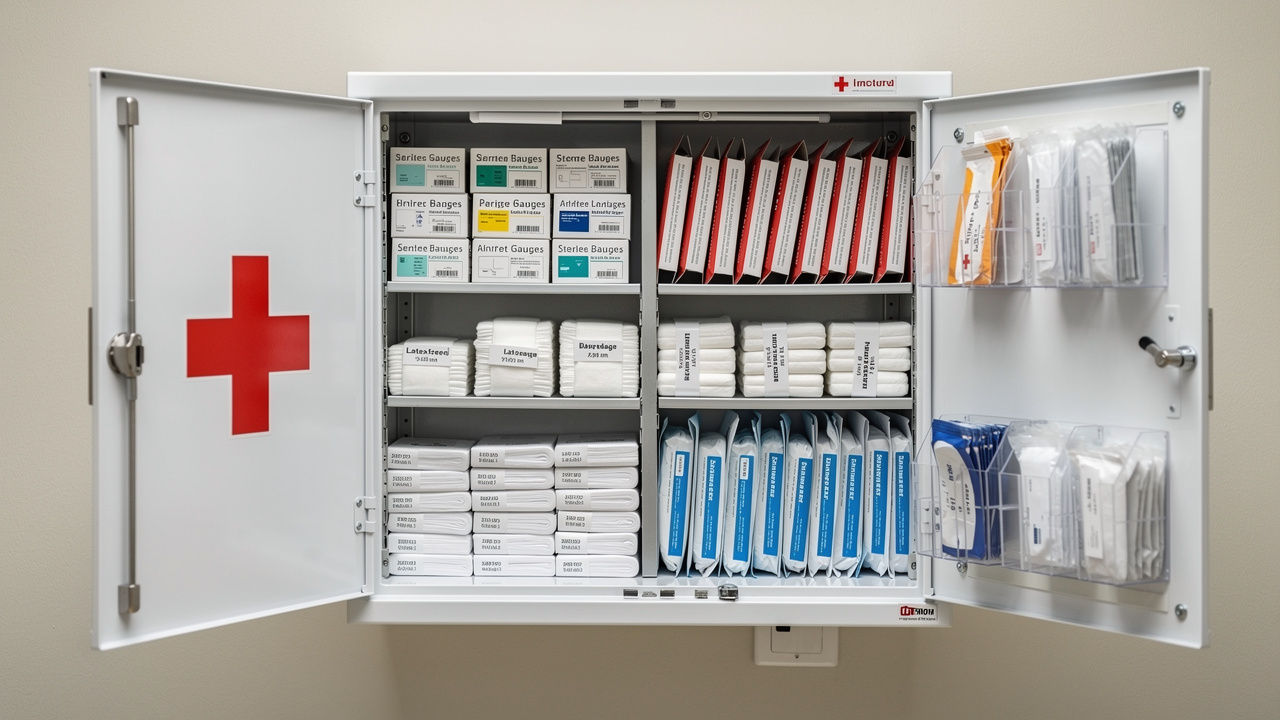
First aid in schools is not only about good intent. It is also about meeting workplace safety rules that apply to every employer, including school districts and private schools. OSHA sets federal expectations, and ANSI Z308.1-2021 provides detailed guidance on what a compliant first aid kit should contain. When you align your school first aid kit plan with both, you protect students, support staff safety, and lower legal risk.
Compliance gives you a clear standard to measure against. Instead of guessing whether a DIY middle school first aid kit in a classroom is enough, you can match it to ANSI Class A or Class B content lists and fill gaps. It also helps during audits, parent concerns, or legal reviews, because you can show that your program follows nationally recognized benchmarks.
“First aid supplies shall be readily available.”
— OSHA Standard 1910.151(b)
OSHA Standard 1910.151 Requirements
OSHA Standard 1910.151 covers medical services and first aid in workplaces. The key idea is that employees must have quick access to medical help and adequate supplies. For many schools, that means trained staff on site and school first aid kit locations close to where injuries are likely to happen, instead of locked away in a distant office.
OSHA requires that adequate first aid supplies be readily available. In practice, this means kits need to be easy to reach during normal operations, not hidden in a locked closet behind stored furniture. The farther your campus sits from a hospital or urgent care clinic, the more important this on-site capability becomes, especially for severe injuries where minutes matter.
Trained personnel are another major point. Staff who respond to injuries should have recognized first aid and CPR training so they can use items in the school first aid kit correctly. Documentation of that training, plus incident reports and inspection logs, shows that you take the standard seriously. OSHA can cite and fine employers who ignore these expectations, so getting ahead of them is both a safety and a financial decision.
ANSI Z308.1-2021 Class A And Class B Specifications
While OSHA describes what must be available, ANSI Z308.1-2021 spells out what a workplace first aid kit should contain at a minimum. This standard lists quantities and types of supplies, from bandages to gloves, and divides kits into Class A and Class B categories. Using ANSI as your base gives you a solid starting point for every school first aid kit on your campus.
Class A kits focus on common injuries such as small cuts, minor burns, or simple sprains. They include assorted adhesive bandages, antiseptic wipes, small trauma pads, sterile gauze, adhesive tape, at least one CPR breathing barrier, and medical gloves. These kits fit well in standard classrooms, administrative offices, and other lower‑risk spaces.
Class B kits contain everything in Class A plus extra items and higher quantities intended for higher‑risk or more populated areas. This often includes a splint, a tourniquet, more trauma pads, and expanded wound care supplies for more serious injuries. In a school, Class B kits make sense for gyms, science labs, maintenance shops, cafeterias, and the central nurse station.
ANSI also covers containers, which should protect items from dust and moisture, display clear first aid markings, and support tracking of expiration dates. Many high‑quality school‑specific kits from vendors such as First Aid Longs are built to meet or exceed these standards, which gives you a clear compliance anchor.
Essential Contents For Every School First Aid Kit
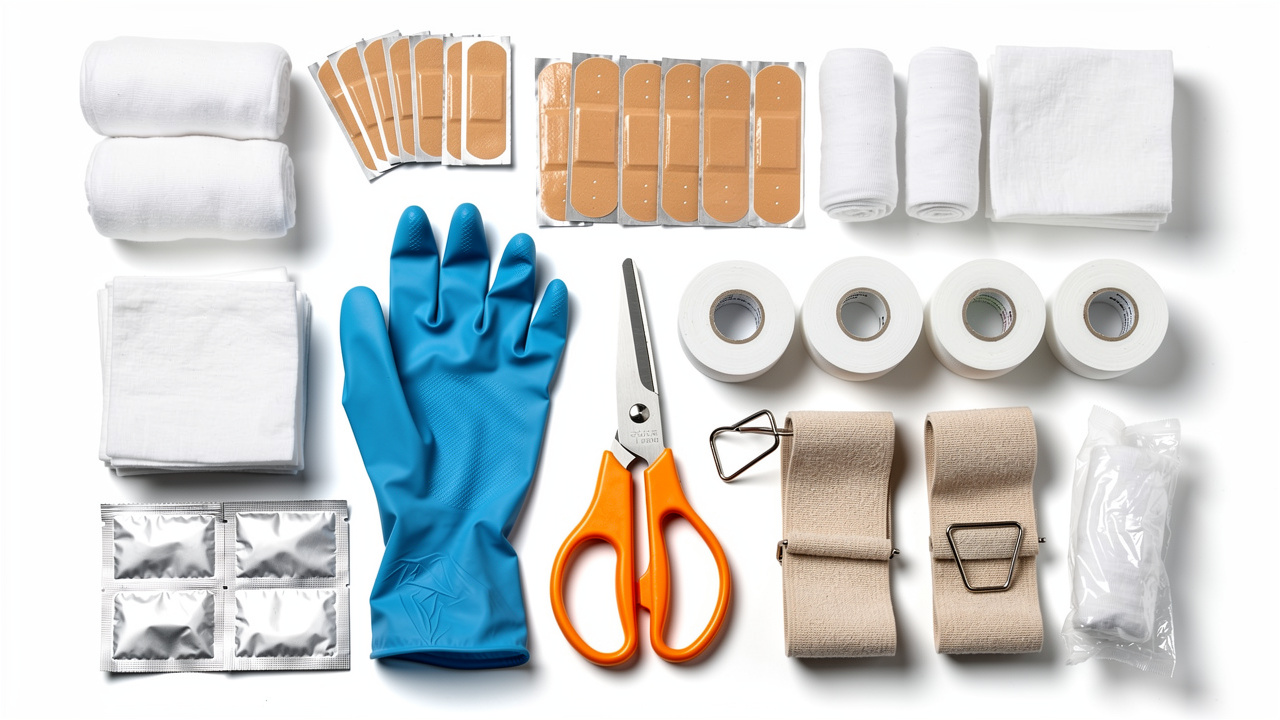
Once you base your program on OSHA and ANSI, the next step is deciding which supplies belong in every school first aid kit on campus. Think of your kits as layers that start with basic first aid items and build up to sports and trauma gear where needed. The goal is to match the most likely injuries in each space while still sharing a common core across the school.
At minimum, every kit should handle:
Cuts and scrapes
Minor burns
Nosebleeds
Small sprains and strains
That base should show up in classroom kits, office kits, and portable packs for field trips. Higher‑risk areas then add extra supplies without losing that shared foundation. When you design this way, staff can move between rooms or buildings and still feel familiar with each school first aid kit they open.
Basic Wound Care Supplies
Most school injuries fall into the simple wound category, which is why strong basic care supplies belong in every kit:
Assorted adhesive bandages in multiple shapes and sizes
Sterile gauze pads (small and large)
Gauze rolls in two and three‑inch widths
Hypoallergenic adhesive tape in several widths
Individual antiseptic towelettes in foil packs
Single‑use antibiotic ointment packets
Non‑adherent pads for deeper scrapes and minor burns
These items let staff clean, cover, and protect most playground falls and classroom cuts quickly and safely.
Sports Injury And Musculoskeletal Supplies
Playgrounds, gyms, and practice fields create a steady stream of sprains, strains, and bumps. For those spaces, the school first aid kit must go beyond simple bandages:
Instant cold packs for bruises, sprained ankles, or jammed fingers
Elastic bandages (2″, 3″, 4″) with securing clips for joints
Athletic tape to reinforce joints or hold pads in place
Triangular bandages to use as slings or improvised wraps
Simple finger splints for suspected fractures
Eye pads for eye injuries from balls or flying objects
These supplies give coaches and physical education teachers what they need to stabilize common sports injuries until families or EMS arrive.
Severe Bleeding Control And Trauma Supplies
Serious bleeding is less common than scraped knees but far more dangerous. Modern school safety planning now includes specific trauma gear in at least some kits:
Large absorbent trauma pads (around 5″x9″ or larger)
Hemostatic gauze such as QuikClot for deep wounds
Commercial tourniquets (for example, STAT‑style models)
Pressure dressings (often called Israeli bandages)
Chest seals for open chest wounds in trauma kits
While no one likes to imagine violent incidents or severe accidents at school, adding these supplies to your school first aid kit program is a practical step that lines up with national Stop the Bleed guidance.
“The person closest to a bleeding victim can be the difference between life and death.”
— American College of Surgeons, Stop the Bleed
Personal Protective Equipment And Tools
The person giving care must be protected as well. A good school first aid kit includes:
Multiple pairs of medical‑grade nitrile or vinyl gloves
A CPR breathing barrier, such as a fold‑flat face shield or compact pocket mask
Trauma shears to cut clothing or sports gear away from injuries
Tweezers for splinters or debris
Disposable thermometers for quick fever checks
A clear first aid instruction guide
Biohazard disposal bags for used gloves, bloody dressings, and other waste
These items keep responders safer and support cleaner, more confident care.
Types Of First Aid Kits For Different School Locations
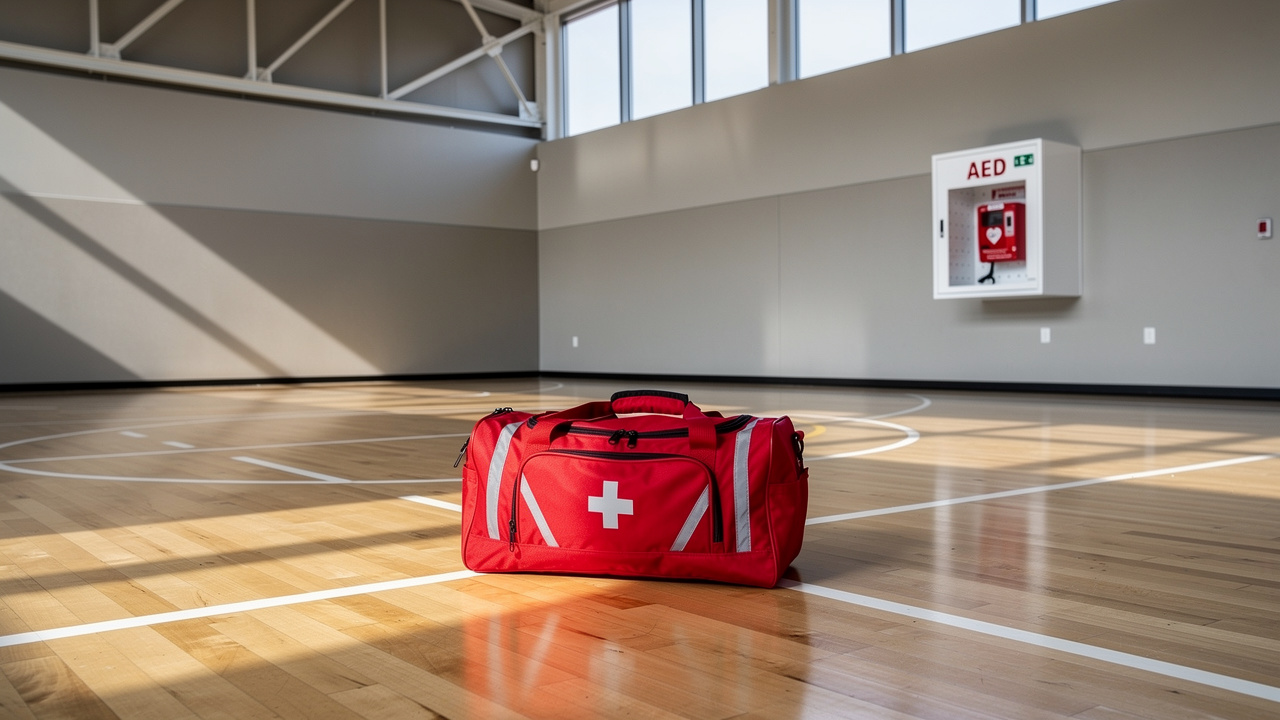
One school first aid kit on a nurse’s desk cannot serve a whole campus. Your buildings and grounds include classrooms, offices, playgrounds, gyms, parking lots, and buses, each with different risks and access challenges. Using a mix of kit types allows faster response and reduces the chance that a single event drains your only supply.
Think of your site as a map of risk zones:
Standard rooms and offices need basic coverage.
Labs, shops, and gyms need higher‑capacity kits.
Outdoor and mobile activities require portable options.
When you plan this layout, remember both daytime and after‑hours use, such as sports practice or community events, so the right kit is nearby whenever people are on site.
Quick Reference: Kits By Location
School Area | Recommended Kit Type | ANSI Level | Key Extras |
|---|---|---|---|
Classrooms & Offices | Compact wall/box kit | Class A | Basic wound care, gloves, simple guide |
Nurse / Health Office | Large wall cabinet | Class B+ | Splints, eyewash, diagnostics, medications* |
Gyms & Athletic Fields | Sports / trauma duffle | Class B | Cold packs, elastic wraps, splints, AED near |
Labs & Workshops | Heavy‑duty wall cabinet | Class B | Burn care, eye care, trauma pads |
Buses & School Vehicles | Compact vehicle kit | Class A | Small wound care set, gloves, guide |
Field Trips & Outdoor Ed | Backpack or shoulder bag | Class A | Travel‑ready mix, student meds, contact list |
*Medications stored according to district policy and state law.
Classroom Kits
Every classroom benefits from a compact school first aid kit that handles minor issues without sending students across campus. These small kits focus on everyday problems during instruction such as paper cuts, small scrapes, loose baby teeth bleeding, and slight nosebleeds. Stocking bandages, gauze pads, antiseptic wipes, gloves, and a simple guide usually covers those cases.
A 10‑ to 25‑person capacity is typical for a classroom kit. Many schools use a sturdy plastic case that closes securely or a small wall‑mounted cabinet in the room. The important part is a consistent, known location that adults can reach quickly while keeping items out of the hands of curious younger students. Teachers then report any usage to the nurse or safety coordinator for restocking.
Nurse’s Office Central Station
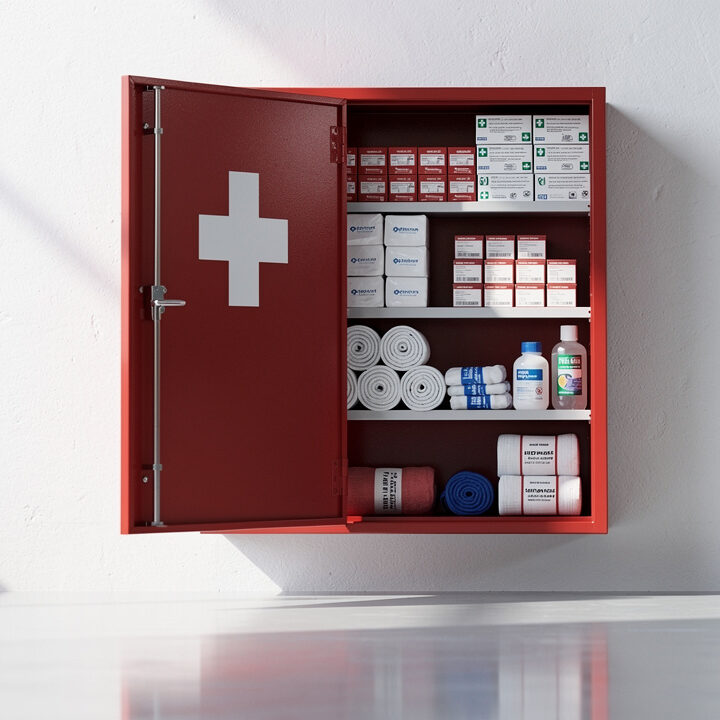
The nurse or health office acts as the medical hub of the campus. Here you need more than a small school first aid kit. A large wall‑mounted cabinet or series of cabinets filled to ANSI Class B level or beyond belongs in this space. It should hold a wide range of wound care, splints, eye wash, thermometers, and any approved medications under secure controls.
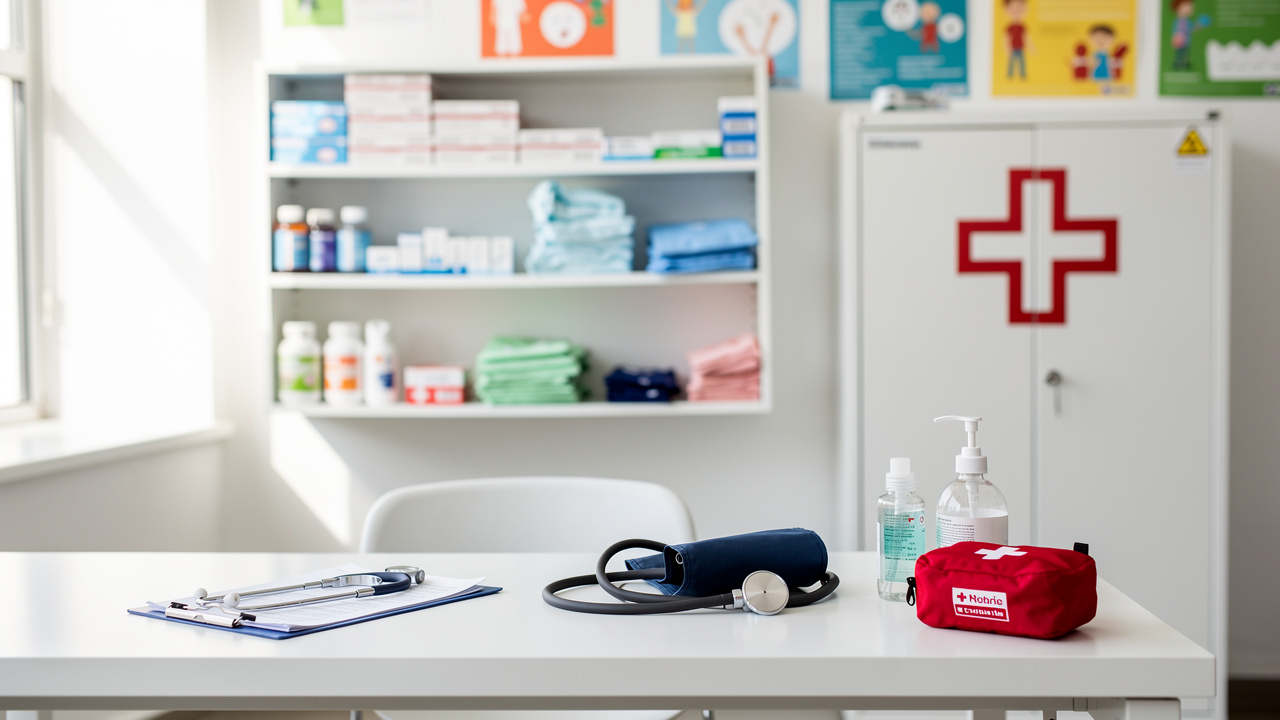
Alongside the cabinet, the nurse’s office usually includes equipment such as a blood pressure cuff, a stethoscope, and an examination cot or table. This central station also serves as the main inventory source for classroom and portable kits. When teachers use items, they come here for refills, and the nurse or safety coordinator tracks what needs ordering in bulk.
Athletic And Physical Education Kits
Sports events and physical education classes push bodies harder and raise the chance of sprains, strains, and impacts. The gym, fields, and training rooms need larger school first aid kit setups. Often this takes the form of a 50‑person or larger sports kit packed into an EMT‑style duffle or backpack. It lives with the athletic department, ready to travel between fields and courts.
Inside you will find many cold packs, elastic wraps, athletic tape, trauma pads, and wound‑cleaning supplies. Some programs also include splints, emergency blankets, and portable AED units near these kits. Coaches, trainers, and physical education teachers are the main users, so their input on layout and contents is valuable.
Portable Kits For Field Trips And Off-Campus Events
Whenever students leave campus, the safety net must travel with them. A portable school first aid kit in backpack or shoulder‑bag form lets a teacher or chaperone carry supplies easily on buses, sidewalks, and trails. These kits hold a mix of basic wound care, simple sprain supports, gloves, and a small set of trauma items.
For field trips, you also need space for student‑specific medications such as prescribed inhalers or epinephrine auto‑injectors, managed under your medication policy. A printed list of student emergency contacts and key health alerts belongs in the bag as well. Before every trip, a quick inspection confirms that the kit is complete, unexpired, and ready to help away from the nurse’s office.
Transportation And Bus Kits
Injuries can happen during transit, whether from sudden stops, slips while boarding, or minor collisions. Each bus and school vehicle should carry a compact 10‑person school first aid kit stored within reach of the driver but protected from casual access by students. The contents usually mirror a small classroom kit, with bandages, gauze, wipes, gloves, and a simple guide.
Many states include bus first aid requirements in their transportation rules, so checking your state‑level expectations is wise. Drivers should know where the kit sits, how to open it, and how to report any use so that central staff can restock quickly for the next route.
Specialized Emergency Kits For Crisis Preparedness
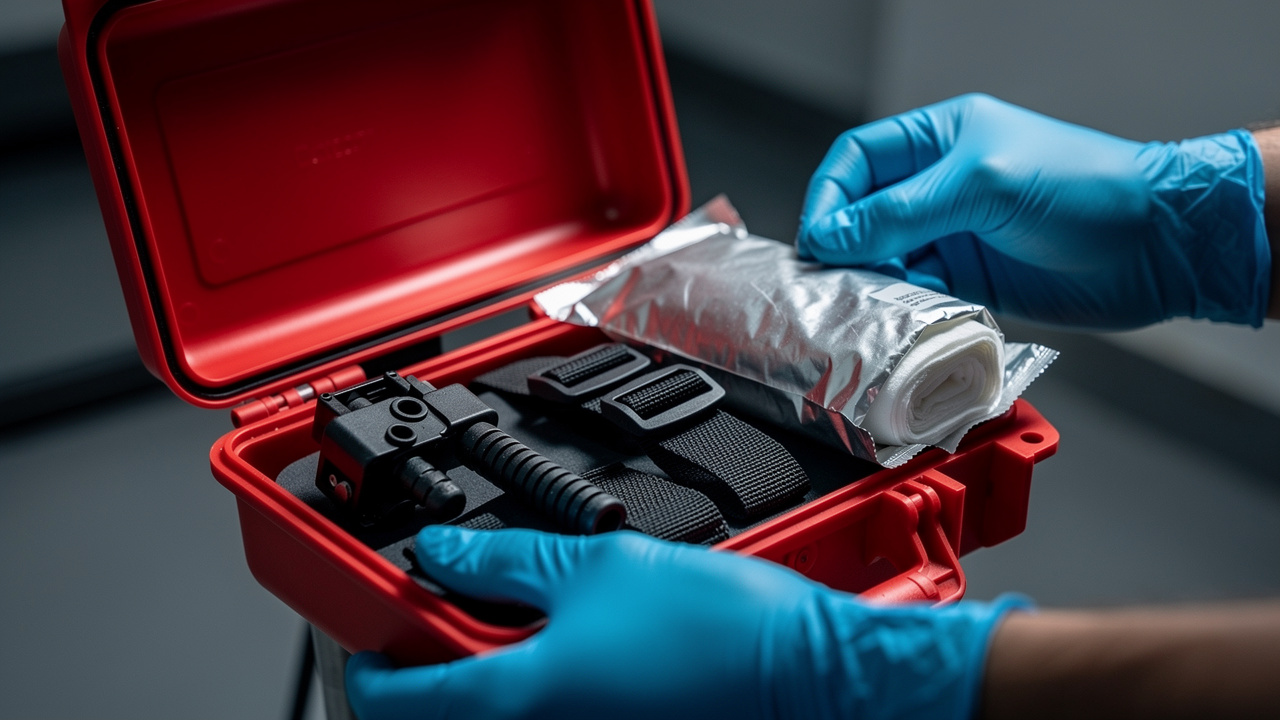
Basic and sports‑oriented school first aid kit setups cover most day‑to‑day needs, but modern emergency planning calls for more. Severe accidents, natural disasters, or acts of violence can create injuries that go far beyond small cuts. In those rare but high‑stakes events, specialized trauma and shelter kits can save lives and keep students safer while help is on the way.
These kits do not replace regular first aid supplies. They add a new layer focused on heavy bleeding, extended lockdowns, and shelter‑in‑place orders. Treating them as part of your wider emergency response plan ties medical readiness to drills, communication plans, and coordination with local responders.
Bleeding Control And Stop The Bleed Kits
The national Stop the Bleed campaign grew from the Hartford Consensus, which highlighted how fast uncontrolled bleeding can kill after trauma. Medical experts note that a person with severe arterial bleeding can die in three to five minutes. That timeline is often shorter than the time it takes for an ambulance to reach a classroom, field, or parking lot.
Bleeding control kits address that gap by giving staff the tools to act while waiting for responders. These compact trauma sets usually contain:
One or more commercial tourniquets
Hemostatic gauze for wound packing
Pressure dressings
Chest seals
Trauma shears
Gloves
Clear instruction cards
They are built for major injuries from vehicle crashes, machinery incidents, or violent attacks rather than everyday scrapes.
Placement is key. Many schools place these kits next to AED units in hallways, gyms, and auditoriums so they are highly visible and easy to grab. Several states now encourage or require bleeding control kits in schools, and more are considering similar laws. Training staff through Stop the Bleed classes turns these kits from intimidating tools into something your team knows they can use to save a life.
Lockdown And Shelter-In-Place Kits
Lockdowns and shelter‑in‑place events are stressful for everyone, especially if they last many hours. A dedicated lockdown kit in each classroom helps staff manage basic needs while students stay put behind closed doors. These kits combine a comprehensive school first aid kit with food, water, light, and sanitation supplies so that the group can wait safely.
For planning, many schools aim for at least 24 hours of coverage. That means enough emergency food bars and water pouches for every student and adult typically in the room. Sanitation is often handled with a lined bucket and a small set of hygiene items, along with a simple privacy barrier so students can use it with dignity if needed.
Light sticks or battery‑powered flashlights and a whistle support signaling and comfort if power fails. Lightweight Mylar blankets help regulate body temperature in cold conditions. Each kit sits in a known classroom spot that staff can reach quickly. Because food, water, and some medical items expire, an annual inspection schedule keeps these lockdown sets ready for the day you hope never comes.
State-Specific And Regional Compliance Requirements
Federal OSHA and ANSI standards give you a baseline, but they do not tell the whole story. Every state can add its own rules for schools, and local agencies sometimes issue further guidance. If your district spans several towns or if you run private schools in more than one state, these differences matter when you design your school first aid kit program.
State departments of education, health departments, and child care licensing offices often publish requirements or strong recommendations. These can cover:
Staff training levels and renewal cycles
Required kit contents
Where kits must be placed
How medications must be stored and documented
For example, Ohio school first aid kit requirements are tied to state board of education guidance for health services, which may include specific items and training ratios.
Connecticut public school first aid kit regulations can reference state health codes and education rules that spell out where kits belong in buildings and on buses. In California, schools in earthquake zones face extra planning for disasters, which can affect how many trauma supplies, blankets, and long‑term lockdown items you store. Forest schools that hold classes outdoors most of the day need a forest school first aid kit with contents geared to insect stings, poison plants, and exposure risks.
Preschool environments bring still more factors. A preschool or pre‑school first aid kit must follow strict child care licensing rules about choking hazards, age‑appropriate supplies, and staff ratios for first aid and CPR training. Private schools may have slightly different oversight, yet still face insurance expectations and local fire or health inspections. Tribal and reservation schools may coordinate with the Indian Health Service and tribal health boards. For any setting, the most reliable path is to check directly with your state education department, local health department, district safety office, and legal counsel, then document how your kits and training meet those layers of rules.
How To Select The Right First Aid Kits For Your School
Choosing school first aid kits is more than picking a box from a catalog page. It helps to treat the process like any other serious safety project with clear steps, written criteria, and data from your own campus. When you follow a structured approach, you avoid both under‑buying and wasting money on gear that does not fit your real risks.
A practical approach looks like this:
Assess Real‑World Injuries
Review recent incident reports. Where do injuries happen most often: playgrounds, gyms, labs, buses? What types of injuries are most common?Walk The Campus
Visit classrooms, labs, shops, cafeterias, gyms, playgrounds, offices, bus loading areas, and off-site sports fields. Note:Current school first aid kit locations
Kit size and condition
How easy they are to reach
Match Kit Types To Locations
Standard classrooms and offices: ANSI Class A kits sized for 10–25 people
Gyms, labs, shops: larger Class B kits plus sports or trauma gear
Buses and field trip programs: compact mobile kits
Emergency plan needs: bleeding control kits and lockdown kits where called for
Choose Containers
Wall‑mounted metal cabinets for central locations like nurse’s offices and shops
Plastic cases that hang on walls or travel between rooms while resisting moisture
Soft‑sided bags and backpacks for sports teams, forest school first aid kit setups, and field trips
Verify Standards And Local Rules
Before you place any orders, confirm that kits meet current ANSI Z308.1-2021 specifications and align with OSHA 1910.151 expectations. Check whether the contents meet state‑specific requirements you identified earlier. Then review item lists against your own needs to see if you should add extras such as epi auto‑injectors under standing orders, extra cold packs for active programs, or outdoor gear for remote learning sites.Select A Long‑Term Vendor Partner
Look at the quality level of bandages, dressings, and tools, because medical‑grade items work better and last longer than cheap consumer versions. Ask about refill and restocking programs that match your specific school first aid kit configurations instead of one‑size refills. Districts often save money and time by standardizing with one strong partner across campuses.
First Aid Longs is a strong example of a supplier built for this kind of partnership. The company manufactures medical supplies in its own 100K Class cleanroom facilities, which supports consistent quality and reliable pricing. It also offers OEM and ODM customization with low minimum order quantities, so you can design kits that match your district policies for basic school first aid kit items, forest school first aid kit contents, or bus kits without overspending. Reaching out directly to First Aid Longs lets you discuss your incident history, compliance needs, and budget so you receive kits and refill plans that fit your schools.
First Aid Kit Maintenance And Management Protocols
A brand‑new school first aid kit loses value every time someone borrows a bandage and never tells anyone. Over months, boxes empty, ointments expire, and cases crack, leaving you with a false sense of security. A strong maintenance program guards against that drift by turning kit care into a regular, documented task rather than a side thought.
Key elements include:
Clear Responsibility
Assign a specific person, such as the school nurse, safety coordinator, or another trained staff member, to manage kits. Avoid vague “team” ownership.Scheduled Inspections
Monthly inspections are a common standard. During each check, the responsible person confirms that kits:Still sit where they belong
Can be reached without moving heavy objects
Show no signs of tampering or damage
Hold all required contents, with no expired items
Event‑Based Checks
Before field trips, tournaments, or off‑campus programs, add an extra inspection of portable kits to avoid surprises like empty cold packs or missing gloves.Usage Reporting And Restocking
A simple rule that any use of a kit must be reported the same day via a short form or quick email supports same‑day restocking.
Centralized inventory tracking helps at the district level. Many schools use a basic spreadsheet listing each kit by location, type, last inspection date, and next scheduled check. Refill packs matched to each kit type make restocking faster and more accurate. Ordering in bulk through a partner like First Aid Longs supports district‑wide standardization, which simplifies both training and inspections. Once a year, you can review incident data against kit locations and contents, then adjust sizes, placements, or supplies to match how your campuses actually use their kits.
Staff Training And Emergency Preparedness
Even the best stocked school first aid kit is only as effective as the person opening it. Staff who feel unsure or afraid of making a mistake may freeze, while those with solid training move faster and more calmly.
“We do not rise to the level of our expectations; we fall to the level of our training.”
— Archilochus, as often quoted in emergency services
Basic first aid and CPR certification from organizations such as the American Red Cross or American Heart Association gives staff the foundation they need. Many districts aim to have several certified staff members in each building and at least one in each wing or floor during all school hours. Awareness of school teachers about students’ common health emergencies reveals significant knowledge gaps that comprehensive training programs can address. Certifications usually expire every two years, so a renewal schedule keeps skills fresh.
Bleeding control classes fit naturally with any Stop the Bleed kits you place on campus. In these trainings, staff practice applying tourniquets, packing wounds with hemostatic gauze, and using pressure dressings correctly. Hands‑on practice is vital, since people are much more likely to use a skill they have tried in a calm setting.
Training should also cover AED use, school‑specific emergency protocols, and simple location awareness. Maps that show where each school first aid kit, AED, and bleeding control kit hangs help everyone, including substitutes and new hires. Regular safety drills can include short medical scenarios, such as a simulated playground injury or asthma attack, so staff get comfortable combining procedures with real movement. Finally, reviewing how to document incidents and kit use closes the loop and supports your maintenance and planning efforts.
Secure Reliable First Aid Kit Supplies Today!
Explore Our first Aid Kits designed to reduce delays and stabilize your healthcare operations.
Conclusion
Student and staff safety rests on many pieces, and a strong school first aid kit program is one of the most visible and practical parts. When an injury happens, the quality of your supplies, the way they are organized, and the training of your staff all come together in a few tense minutes. Planning ahead turns that moment from chaos into a controlled response.
You have seen how OSHA and ANSI standards give you a clear foundation for what each school first aid kit should provide. You have also explored how different campus areas need different kits, from classroom basics to gym and bus setups, plus trauma and lockdown kits for rare but serious events. Child‑safe, age‑appropriate supplies, regular inspections, and clear maintenance roles keep those kits ready.
Ongoing staff training, awareness of state‑specific rules, and thoughtful purchasing decisions complete the picture. When you combine risk assessment, smart procurement, and systematic management, you give your school community real peace of mind. Now is a good time to review your current kits against ANSI Z308.1-2021, check your inspection records, and schedule fresh training. Partnering with a qualified medical supplier such as First Aid Longs can help you close remaining gaps and build a safer, more prepared campus.