Introduction
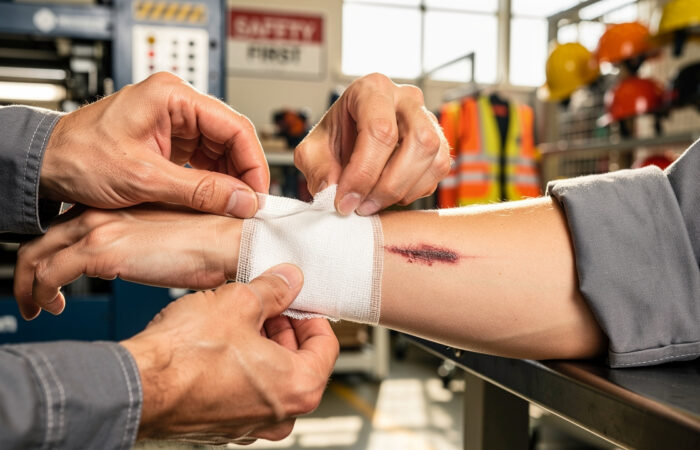
For fleets, that gap between intention and real readiness can mark the line between a controlled incident and a tragedy. Commercial crashes, loading injuries, burns, and sudden medical events occur on the road every day. Many of these can be stabilized on the spot if every company vehicle carries a well-designed vehicle first aid kit built for work conditions, not weekend road trips.
A proper kit does far more than handle minor cuts, as research on Knowledge, attitude, and practice shows that preparedness directly influences response quality during emergencies. It protects drivers, contractors, and the public; supports your duty of care; and anchors your risk management and insurance posture. It backs up company vehicle policies and shows drivers that they are not out there on their own.
Fleet managers also face very specific pressures: long operating hours, remote routes, changing weather, tight compartments, and vehicles that often reach a scene before local EMS. Kits get moved, used, and forgotten. Regulations overlap between workplace safety and road laws, and they differ by country and state. A generic kit from a retail shelf rarely satisfies commercial vehicle first aid kit requirements in a way regulators or insurers expect.
This guide explains what a professional-grade vehicle kit should look like, how legal expectations differ across the United States, Australia, the United Kingdom, Alberta, and Ontario, and which components matter most for both minor injuries and severe trauma. It also outlines how to design, roll out, and maintain a fleet-wide program that stays ready for the long haul. Along the way, you will see where First Aid Longs fits in as a medical supplies and consumables manufacturer that can support fleet programs at scale.
“The best safety program is the one that still works on the worst day.” — Common saying among fleet safety managers
Key Takeaways
Fleets need more than a basic car kit. A commercial-grade vehicle first aid kit protects drivers and passengers, supports duty of care, and strengthens your position with regulators and insurers after an incident.
Legal expectations differ by region. WHS rules in Australia, HSE guidance in the UK, Alberta and Ontario requirements in Canada, and OSHA expectations in the US all shape what should be in a company vehicle first aid kit.
Minor injuries and major trauma both matter. The best fleet kits handle everyday cuts and sprains and have trauma gear for severe bleeding, burns, and fractures, especially for remote or high-risk routes.
Layout is as important as contents. Clear organization, color-coding, and secure mounting help drivers find items fast. Regular inspections and refills keep every kit ready.
Training turns gear into real help. Advanced items such as tourniquets and chest seals only add value when drivers know when and how to use them.
Standardization saves time and money. Working with a specialist such as First Aid Longs lets you standardize kit contents, align them with risk, and keep inventory flowing through wholesale supply.
What Is a Vehicle First Aid Kit and Why Your Fleet Needs One
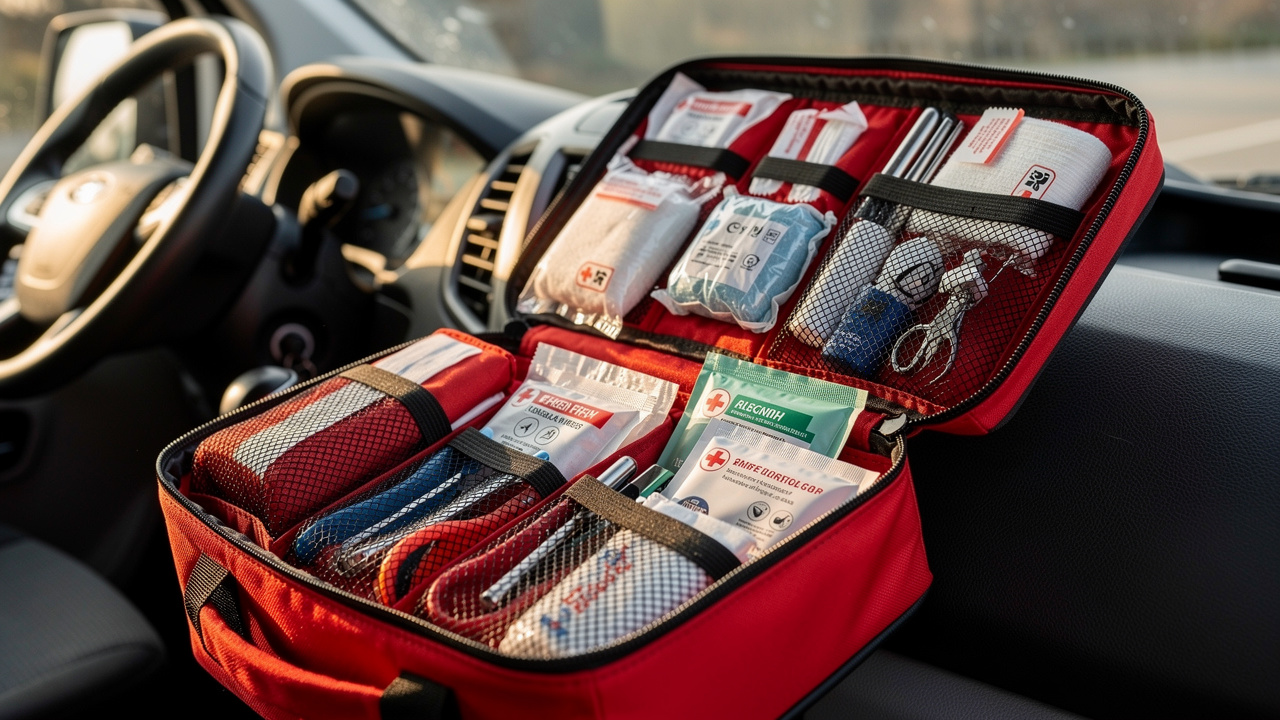
In a commercial setting, a vehicle first aid kit is not just a plastic box in the trunk. It is a structured set of medical supplies chosen for work vehicles: better consumables, packaging that survives heat and vibration, and contents focused on both daily injuries and serious trauma.
Consumer kits tend to focus on family road trips and minor cuts. A professional fleet kit builds on those basics by adding:
Trauma dressings and larger bandages
Better splinting and burn care
Extra quantities scaled to crew size and trip length
Operational reality drives the need. Drivers are often the first at a crash scene, sometimes far from towns or on private sites where EMS may be delayed. In those first minutes, a well-stocked company vehicle first aid kit might be the only help available.
Duty of care is just as important. Courts and regulators expect employers to anticipate likely risks and provide reasonable protection. A fleet kit that reflects your work environment shows that you take that obligation seriously. It can help reduce injury severity, support your side in investigations, and lower workers’ compensation and downtime.
Preparedness also has clear financial value. A professional-grade kit with trauma dressings, cold packs, and burn care costs far less than a single serious claim, medical evacuation, or lawsuit linked to poor emergency response.
First Aid Longs operates deeply in medical supplies and consumables, with in-house manufacturing and cleanroom production. That experience helps fleets build a first aid standard that remains consistent over time instead of a one-off purchase that becomes hard to restock a year later.
Vehicle First Aid Kit Requirements – Legal Obligations By Region
Regulatory rules for vehicle first aid kits vary widely based on region, headcount, and work type. Some systems treat vehicles as mobile workplaces; others focus on distance from medical services and injury risk. A sensible approach is to treat legal rules as a baseline, then scale up based on your risk assessment.
Vehicle First Aid Kit Requirements Australia
In Australia, Work Health and Safety (WHS) legislation treats first aid as a core employer duty. Vehicles are often considered mobile workplaces when workers perform tasks away from fixed sites, so a vehicle first aid kit should be part of WHS planning, not an optional extra.
State and territory regulators such as SafeWork NSW and WorkSafe Victoria expect employers to consider:
Distance from medical services
Number of workers
Specific hazards (for example, remote mining or hot works)
Guidance encourages formal risk assessments covering the need for extra trauma supplies, burn care, or snake bite management. Kits must be accessible, clearly marked, and well maintained through regular inspections.
Many companies work with a medical supply expert such as First Aid Longs to turn that assessment into a consistent kit standard that aligns with WHS expectations.
Vehicle First Aid Kit Requirements UK
In the UK, the Health and Safety (First-Aid) Regulations 1981 require employers to carry out a first aid needs assessment. There is no fixed national contents list for work vehicles; instead, the Health and Safety Executive (HSE) expects kit contents to reflect:
The work being done
The environment
Likely response times for outside help
The HSE states that employers “must provide adequate and appropriate equipment, facilities and personnel to enable first aid to be given to employees if they are injured or become ill at work.”
Low-risk delivery vans may only need smaller kits focused on minor injuries. Highway maintenance, utilities, or other higher-risk work usually calls for larger trauma dressings, eye care, and thermal protection. Cross-border fleets often adopt one strong internal standard to keep training and stock control simple.
Alberta Vehicle First Aid Kit Requirements
Alberta’s Occupational Health and Safety Code sets detailed first aid rules, including for work done away from fixed facilities. Vehicles are considered part of the workplace when employees travel or work from them.
Kit requirements scale with:
Workplace classification
Number of workers
Distance and travel time to medical facilities
Remote maintenance crews or resource workers will need more advanced kits than teams near hospitals. The Code also stresses remote and isolated work, where employers must keep inspection records, training records, and incident reports to show that first aid is more than a formality.
Ontario Vehicle First Aid Kit Requirements
Ontario’s Occupational Health and Safety Act and Regulation 1101 define first aid duties. Regulation 1101 sets out kit requirements by workplace size and type, and these expectations extend to vehicles when they function as mobile workplaces.
Key factors include:
Number of workers assigned to a vehicle or project
Work type (for example, construction projects often require higher standards)
The Workplace Safety and Insurance Board (WSIB) can review your first aid program after an incident. Training is closely linked to equipment: if you stock more advanced items, you are expected to provide appropriate certified training for at least one worker in the vehicle.
Company Vehicle First Aid Kit Law and OSHA Standards
In the United States, there is no single federal list for every company vehicle first aid kit, but OSHA requires that adequate first aid supplies be “readily available” (29 CFR 1910.151).
OSHA notes that “First aid supplies shall be readily available,” and many employers use ANSI kits to meet this expectation.
Key points for fleets:
The General Duty Clause requires protection from recognized serious hazards.
Sector-specific rules (construction, maritime, logging) may add further expectations.
Many fleets adopt ANSI/ISEA Z308.1 Class A or Class B kits as a defensible baseline.
State OSHA plans can add detail, especially for remote or high-risk work. Many fleets choose to exceed the minimum by adding extra trauma gear and improving organization. First Aid Longs works with wholesale buyers to meet or exceed these baselines with medical-grade components at scale.
Quick Reference: Regional Expectations
Region / Jurisdiction | Main Law / Body | Key Point for Work Vehicles |
|---|---|---|
Australia | WHS Acts & Regulations, state regulators | Vehicles treated as mobile workplaces; stock by risk assessment |
UK | Health and Safety (First-Aid) Regulations | Needs assessment; no fixed list; contents must fit the work |
Alberta | OHS Code | Requirements scale with remoteness and worker numbers |
Ontario | OHSA & Regulation 1101 | Vehicle kits follow workplace-size rules and project type |
United States | OSHA 1910.151 & state plans; ANSI Z308.1 | Adequate, readily available supplies; ANSI kits as baseline |
Essential Components – What To Include In Your Vehicle First Aid Kit
Once you understand your legal and risk context, the next step is deciding what actually belongs in each vehicle first aid kit. You need to cover:
Common, lower-severity injuries (cuts, scrapes, minor burns, sprains).
Less frequent but serious events (heavy bleeding, major burns, fractures).
Crew size and trip length should drive quantities. A van with five technicians needs more consumables than a truck with a single driver. Working with a medical consumables specialist such as First Aid Longs helps match counts to real-world use and restocking cycles.
Core Wound Care and Bleeding Control
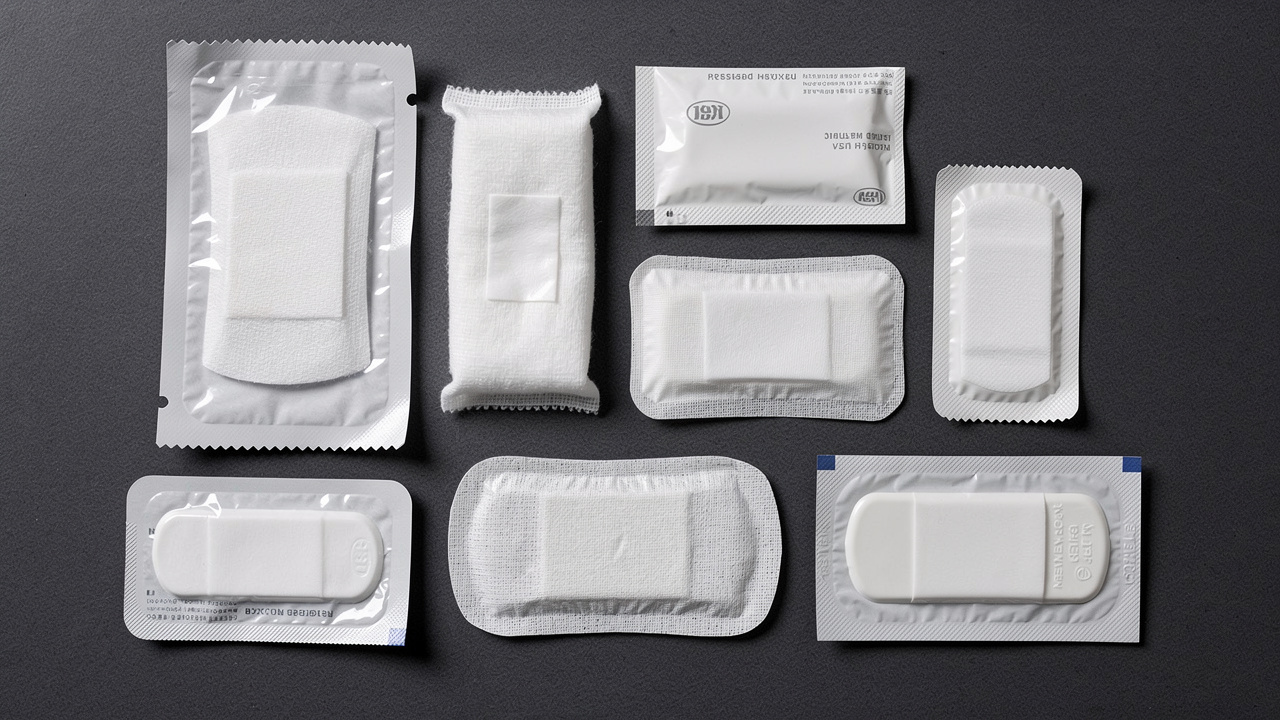
Most incidents involve minor wounds. Good core wound care items keep these from turning into infections or lost work time:
Adhesive dressings: Assorted sizes for fingers, knuckles, and scrapes; aim for several dozen per vehicle.
Sterile gauze pads: Multiple sizes (for example, 2×2, 3×3, 4×4 inches) for cleaning and covering heavier bleeding.
Non-adherent dressings: Helpful for burns and sensitive skin.
Medical tape and elastic bandages: Hypoallergenic tape and wraps (various widths) to secure pads and provide compression.
Triangular bandages: For slings, large dressings, or improvised ties.
Wound closure strips: For straight cuts that do not need sutures.
Trauma shears: To cut clothing and seatbelts safely.
High-quality materials and sterile packaging, such as those supplied by First Aid Longs, make these basic items dependable when drivers rely on them.
Advanced Hemorrhage and Trauma Control
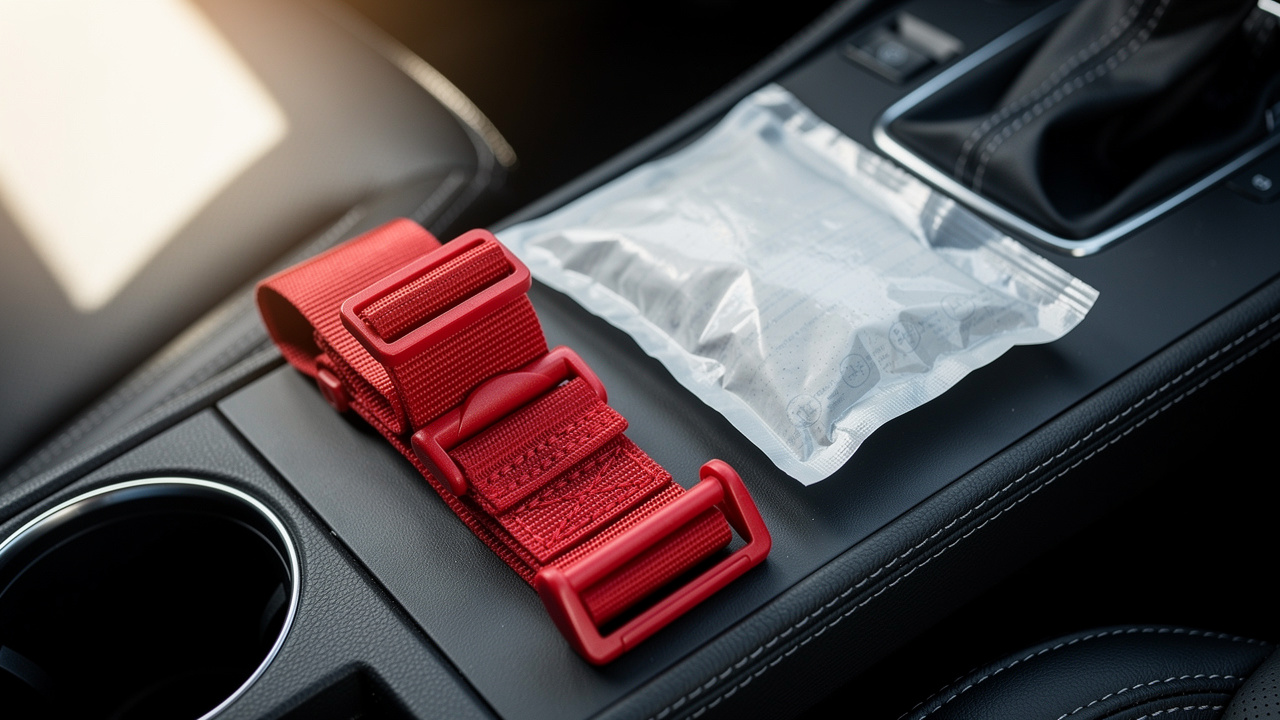
For higher-risk fleets or remote routes, advanced bleeding control can save lives:
Tourniquets: Tested, medical-grade devices for severe limb bleeding; at least one per vehicle, more for high-risk work.
Emergency trauma dressings: Large dressings with built-in pressure systems for major wounds.
Hemostatic gauze: Helps clotting when packed into deep wounds.
Chest seals: Vented or non-vented seals for penetrating chest injuries.
Large abdominal dressings and compressed gauze: For wide or deep injuries.
These items require training but make the difference when EMS response times are long. Many fleets pair them with bleeding-control courses so drivers are confident using them.
Personal Protection And Hygiene Supplies
Protecting the responder is just as important as helping the injured person. Core PPE and hygiene items include:
Disposable nitrile gloves: Multiple pairs and sizes per kit.
CPR barrier devices: Pocket masks or face shields with one-way valves.
Antiseptic wipes and hand sanitizer: To clean skin and hands when water is not available.
Biohazard or marked waste bags: For used dressings and gloves.
Eye protection: Simple safety glasses or shields to guard against splashes.
Sterile saline ampoules or bottles: For wound and eye irrigation.
When these items are always present, drivers are far more willing to step in and help.
Specialized Items For Common Roadside Emergencies
Roadside work exposes drivers to burns, eye injuries, environmental stress, and more. Useful specialized items include:
Burn dressings and gel pads: For thermal, chemical, or friction burns.
Instant cold packs: For sprains, bruises, and heat stress.
Emergency thermal blankets: To prevent shock and hypothermia.
Splinting materials: Foam-covered aluminum splints for suspected fractures.
Tweezers, forceps, and a small flashlight or penlight: For debris removal and low-light checks.
Whistle or small signaling device: To attract attention in noisy or remote areas.
These additions widen the range of emergencies your drivers can handle until help arrives.
Documentation And Information Resources
Paperwork may not feel urgent during kit planning, but it matters when something goes wrong:
First aid manual: Concise, easy-to-read guide matched to your kit contents.
Emergency contact card: Local emergency numbers, poison control, and internal safety contacts.
Incident report forms: To record what happened and what care was given.
Notepad, pencil, and permanent marker: For vital signs, times, and tourniquet markings.
Inspection / treatment log: So each kit’s checks and refills are documented.
These tools support better care, smoother handoffs to paramedics, and stronger documentation for regulators and insurers.
Best Vehicle First Aid Kit – Features That Define Quality
With so many products available, picking the “best” vehicle first aid kit for your fleet is less about brand names and more about how well a kit holds up in real vehicles, how quickly drivers can find what they need, and how straightforward it is to restock.
Durability And Construction Standards
Vehicle interiors are tough on gear: heat, cold, dust, vibration, and shifting tools can all damage flimsy cases.
Look for:
Quality soft cases: Ballistic nylon or high-denier polyester with reinforced seams.
Sturdy hard cases: Impact-resistant plastic with good seals for open trucks and harsh weather.
Reliable zippers or latches: That keep working after years of dust and use.
Weather resistance: Coated fabrics, gasketed lids, and sealed seams to protect sterile items.
Secure mounting points: Straps, brackets, or hook-and-loop panels to keep kits from becoming projectiles.
First Aid Longs focuses on material quality and detail during manufacturing, which helps kits survive real fleet conditions.
Organization And Accessibility Design
In an emergency, drivers should not be digging through a pile of loose supplies. Smart organization makes a big difference:
Color-coded sections (for example, red for trauma, blue for PPE).
Printed labels on pockets describing both contents and typical use.
Mesh or clear pockets for quick visual checks.
Modular pouches that detach so drivers can grab a bleeding-control module or burn pack.
Clamshell or fold-out openings that show contents at a glance.
One-handed grab handles and pull tabs.
Standardizing layout across similar vehicles means any driver can use any kit without hesitation.
Size And Portability Considerations
A kit that is too big to store or carry will not be used well. Match size and portability to each vehicle type:
Compact kits: For sedans and small cars, stored in glove boxes or under seats.
Mid-sized kits: For vans and medium trucks, balancing capacity and portability.
Larger kits: For heavy trucks or service vehicles, possibly with shoulder straps or briefcase-style handles.
Weight matters too. Drivers should be able to carry the kit comfortably while exiting the cab or walking to a crash site.
Customization And Expansion Capabilities
No two fleets are identical. The best kits allow some customization:
External webbing (such as MOLLE) for extra pouches or tools.
Internal refill modules (wound care, trauma, burn, PPE) that can be swapped quickly.
Dedicated space for personal medications where policy allows.
Industry-specific add-ons, such as snake-bite bandages or naloxone kits.
With OEM and ODM services, First Aid Longs can build standardized base kits plus risk-specific modules, keeping ordering simple while still matching actual hazards.
Commercial Vehicle First Aid Kit Requirements – Industry Specific Considerations
A single kit design rarely suits every part of a mixed fleet. Commercial vehicle first aid kit requirements shift with the type of work, routes, and hazards.
Construction And Heavy Equipment Fleets
Construction and heavy equipment operations involve high-energy hazards: falls, crush injuries, welding, cutting, and electrical work. Kits should lean toward:
Multiple tourniquets and trauma dressings
Hemostatic gauze and splinting materials
Generous stocks of eye wash and burn dressings
Cold packs and thermal blankets for heat and cold stress
Mounting must withstand vibration, dust, and impacts on machines or in rough site vehicles.
Delivery And Courier Services
Delivery fleets work in dense urban areas, facing frequent minor injuries from lifting, slips, and vehicle doors. Kits should be:
Compact and easy to access
Strong on bandages, gauze, and cold packs
Clearly labeled for drivers with varying experience
Weather-related items such as cold packs, hand warmers, or blankets can help for seasonal extremes, while mounting out of view reduces theft risk.
Long-Haul Trucking And Transportation
Long-haul drivers may be hours from advanced care. Their kits should include:
Expanded trauma sections (multiple tourniquets, large dressings, chest seals)
Extra basic supplies for day-to-day issues over long trips
Items for comfort and self-care, where company policy allows
Additional blankets and heat/cooling aids based on climate
Space for personal medical items can be valuable for drivers managing chronic conditions.
Field Service And Utility Vehicles
Field service and utility technicians work in varied, often remote environments. Their kits should cover:
Strong trauma and burn capability
Extensive eye care for overhead and dusty work
Supplies for stings, bites, and plant reactions
Heat and cold stress management aids
Signaling items such as whistles for secluded locations
Exterior compartment mounting can speed access but must still protect kits from weather and theft.
Military Vehicle First Aid Kit And Survival Vehicle First Aid Kit – Specialized Applications
Some operations face risks closer to military or expedition work than standard commercial driving. Security, remote resource projects, or scientific expeditions may need more advanced military vehicle first aid kit or survival kit setups.
Military Grade Vehicle First Aid Kits
Military-style kits (often called IFAKs or vehicle trauma kits) focus on rapid response to massive trauma:
Multiple tourniquets and hemostatic agents
Heavy-duty pressure dressings
Chest seals and, for trained personnel, airway aids and decompression tools
Rugged, dust- and water-resistant cases with MOLLE attachment points
Civilian fleets that might consider these include private security, remote mining, disaster response, or international projects in unstable regions. These kits demand higher training levels and strict control of advanced tools.
Survival And Expedition Vehicle Kits
A survival vehicle first aid kit goes beyond trauma care to support longer-term self-reliance:
Larger stocks of dressings and medications (subject to local rules and medical oversight)
Dental emergency items and advanced wound-closure tools for trained users
Multiple thermal blankets, cooling aids, and hydration support
Water purification tablets or filters, fire-starting tools, and compact shelters
These are usually stored in larger hard cases and used on trips where help may be many hours or days away.
When To Consider Advanced Specifications
Consider advanced kits when:
Operations are very remote with long evacuation times
Hazards involve high risk of major trauma
Contracts or insurance require higher levels of preparation
If you move into this territory, pair the gear with scenario-based training and clear written protocols.
American Red Cross Vehicle First Aid Kit And Standardized Solutions
Many fleets start with a trusted standard. Pre-configured kits that follow recognized guidance reduce guesswork and give you a defensible baseline.
Understanding American Red Cross Standards
The American Red Cross publishes guidance on first aid kit contents and offers branded products that follow its recommendations. These kits usually include:
A solid mix of bandages, gauze, antiseptic wipes, and tape
Basic tools such as scissors and tweezers
A simple first aid guide aligned with Red Cross training
For fleets, using an American Red Cross vehicle first aid kit as a base offers:
Contents that align with widely respected training
A level of trust for employees who know the Red Cross name
Higher-risk fleets can add trauma or industry-specific modules on top of this base, often with help from suppliers such as First Aid Longs.
ANSI ISEA Z308.1 Standard For Fleet Applications
ANSI/ISEA Z308.1 is the US standard that sets minimum requirements for workplace first aid kits:
Class A: For lower-risk settings with faster EMS access.
Class B: For higher-risk or remote settings where more supplies are needed.
The standard specifies minimum types and quantities of items such as bandages, burn treatments, and eye care. Many OSHA resources point to ANSI kits as a good way to meet the requirement for “adequate” supplies.
Fleets often use:
Class A style kits for urban delivery or sales vehicles
Class B style kits for long-haul trucking, construction, and remote field work
You can then add trauma modules based on your assessment.
Balancing Standardization With Customization
A practical approach is to:
Define one base kit (Red Cross style or ANSI Class A/B) for all vehicles.
Add small, clearly defined upgrade modules for higher-risk groups.
This keeps training and restocking simple while still matching actual hazards. Document these decisions in fleet safety procedures so everyone knows what is on each vehicle and why.
Implementing A Vehicle First Aid Kit Program Across Your Fleet
Buying good kits is only the first step. You need a structured program that covers risk assessment, selection, placement, maintenance, and training.
Conducting A Fleet Risk Assessment
Start with a simple but systematic review:
Map where and how your vehicles operate (urban, rural, remote, industrial sites).
Note typical trip lengths and crew sizes.
Review past incidents for patterns (hand cuts, eye injuries, falls, medical events).
Consider industry hazards (construction, logging, utilities, etc.).
Gather applicable regulations and client or contract requirements.
Document your findings; this becomes the roadmap for kit types and training. Revisit it when routes or contracts change.
Selecting And Standardizing Your Fleet Kits
Many fleets use a three-level model:
Base kit for standard vehicles (often ANSI Class A / Red Cross style).
Enhanced kit for higher-risk or remote vehicles (similar to Class B).
Specialized kit for extreme or security-sensitive operations.
When choosing suppliers, look at:
Medical grade of supplies
Consistency and quality control
Ability to customize layouts
Refill programs and wholesale pricing
First Aid Longs offers in-house manufacturing and OEM/ODM services, which makes it easier to standardize specs and keep refills consistent across the fleet.
Standardized Placement And Mounting
Standardize where kits are stored so any driver can find them fast:
Cars: Under the front passenger seat or in a labeled trunk area.
Vans and trucks: Behind the driver seat, on interior walls, or in cab compartments.
Service bodies: In protected exterior compartments near side doors.
Use secure mounting (brackets, straps, hook-and-loop) that prevents movement but allows quick release. Add labels or decals marking the location and include placement diagrams in driver handbooks.
Inspection And Maintenance Protocols
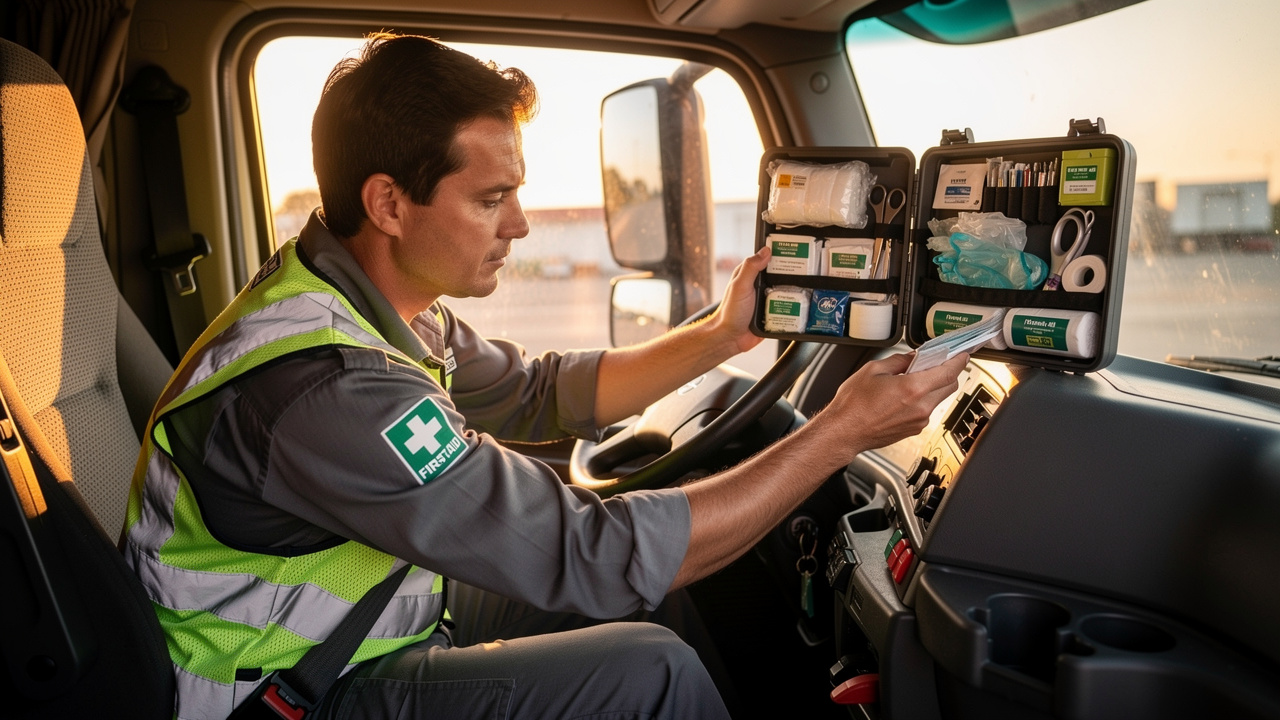
Treat kit maintenance like vehicle preventive maintenance:
Monthly: Drivers check presence, accessibility, and obvious damage.
Quarterly: Safety or fleet staff check quantities and expiration dates.
Use simple checklists and logs. Some fleets add QR codes inside kits linking to an online refill form. Assign a clear owner (for example, the fleet manager) to track inspection completion and follow up after any incident where a kit is used.
Driver Training And Education
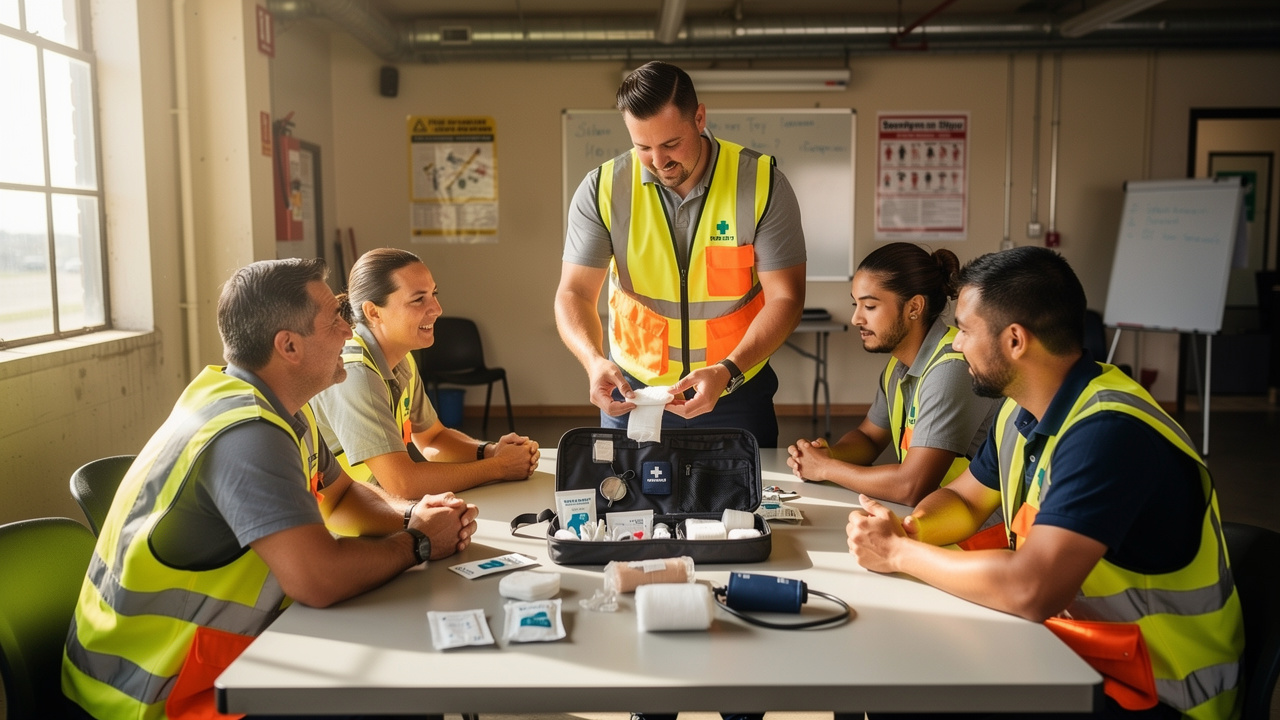
Training turns kits into effective tools:
Provide recognized first aid and CPR/AED courses for drivers, with regular refreshers.
Run short familiarization sessions where drivers handle the actual kits and walk through sample scenarios.
For kits with tourniquets, chest seals, or hemostatic dressings, add focused bleeding-control training.
Include kit location and expectations in new-driver orientation.
Keep records of all training and encourage drivers to share feedback about kit layout and ease of use.
Maintaining Your Vehicle First Aid Kits – Best Practices For Long-Term Readiness
Rolling out new kits is step one; keeping them ready year after year is the harder part. Vehicles are reassigned, supplies get used, and products expire. Without a simple system, you risk discovering problems only after an emergency.
Think of ongoing readiness as part of your standard fleet routine, like checking tire pressure or fluid levels.
Tracking Expiration Dates And Shelf Life
Many first aid items have limited shelf life: sterile dressings, wipes, chemical cold packs, and hemostatic agents all expire. To manage this:
Record key expiration dates when kits are first deployed or refilled.
Use a shared spreadsheet or software to track the earliest expiry in each vehicle.
Set reminders several months before major groups of items expire.
During inspections, replace any item with torn packaging or signs of damage, even if the printed date is still valid.
Follow first-in, first-out practices from central stock so older items are used first.
Work with a reliable supplier such as First Aid Longs that can support steady refills and, where possible, help you manage aging inventory. Review your kit standard annually to keep it aligned with current guidance and your evolving operations.
Secure Reliable First Aid Kit Supplies Today!
Explore Our first Aid Kits designed to reduce delays and stabilize your healthcare operations.
Conclusion
A vehicle first aid kit may look simple, but for fleets it is a direct reflection of how seriously you treat driver safety. When kits are built for real risks, mounted where drivers can reach them, backed by solid training, and checked regularly, they become one of the most dependable tools you have when things go wrong on the road.
Designing a strong program starts with understanding your operations, from city delivery to remote heavy equipment work. From there, you match kit types, placement, inspection routines, and training to those risks, using standards such as American Red Cross guidance and ANSI/ISEA Z308.1 as a foundation and adding trauma capability where needed.
You do not have to build this alone. First Aid Longs brings deep experience in medical supplies and consumables, in-house manufacturing, and flexible OEM and ODM services. That combination helps fleets source consistent, commercial-grade kits and refills that fit their mix of vehicles and hazards, all at wholesale scale. When your next incident happens on the road, the groundwork you have put into vehicle first aid readiness will be one of the few things firmly under your control.