Why Distinguishing Thermal Vs Chemical Burns Matters For Your Safety Program
Many facilities have binders full of procedures and first aid kits on every wall. Yet when someone gets hurt, staff may hesitate or use the wrong treatment, especially when they mix up thermal vs chemical burns. A worker might reach for burn gel on a battery acid splash, or only run water for a few seconds after an oven burn, because “a burn is a burn.”
Thermal burns come from heat, such as flames, hot surfaces, liquids, or steam. Chemical burns come from corrosive products that keep reacting with skin or eyes until you remove or dilute them. For operations managers and safety leaders, knowing the difference affects injury severity, OSHA exposure, downtime, workers’ comp costs, and even public reputation.
In this guide, you will see:
How thermal vs chemical burns differ in cause and damage.
What first aid actions change between them.
How prevention and controls must match the risk.
How First Aid Longs helps you standardize burn readiness across every site you manage.
Key Takeaways
Thermal burns come from heat sources such as flames, hot surfaces, liquids, or steam. Chemical burns come from corrosive products such as acids, alkalis, and strong cleaners. They behave very differently in the body.
For thermal burns, the first priority is to stop the heat and cool the skin with tepid running water. After cooling, you protect the area with a clean dressing or suitable hydrogel pad for minor injuries.
For chemical burns, the first priority is to remove the product and flush with large amounts of water or eyewash for at least fifteen to thirty minutes. Gels and creams do not help and can trap chemicals against the skin.
Any significant chemical burn and all major thermal burns are medical emergencies. You should call 911, follow the Safety Data Sheet (SDS) advice, and contact poison control when strong chemicals or eye exposure are involved.
Prevention for thermal risks focuses on guarding hot surfaces, controlling temperatures, safe work practices, and heat resistant PPE. Prevention for chemical risks focuses on chemical inventories, SDS-driven procedures, safe storage, eyewash and showers, and chemical resistant PPE.
First Aid Longs helps you map where thermal vs chemical burns are most likely in your operations, then stock the right mix of burn gels, hydrogel dressings, eyewash, and first aid kits across all locations.
What Are Thermal Vs Chemical Burns In Workplace Settings?
When a worker is hurt, you do not have time for guesswork. Clear mental pictures of thermal vs chemical burns help your teams act fast without confusion. Both types damage skin and deeper tissue, yet they start and progress in different ways.
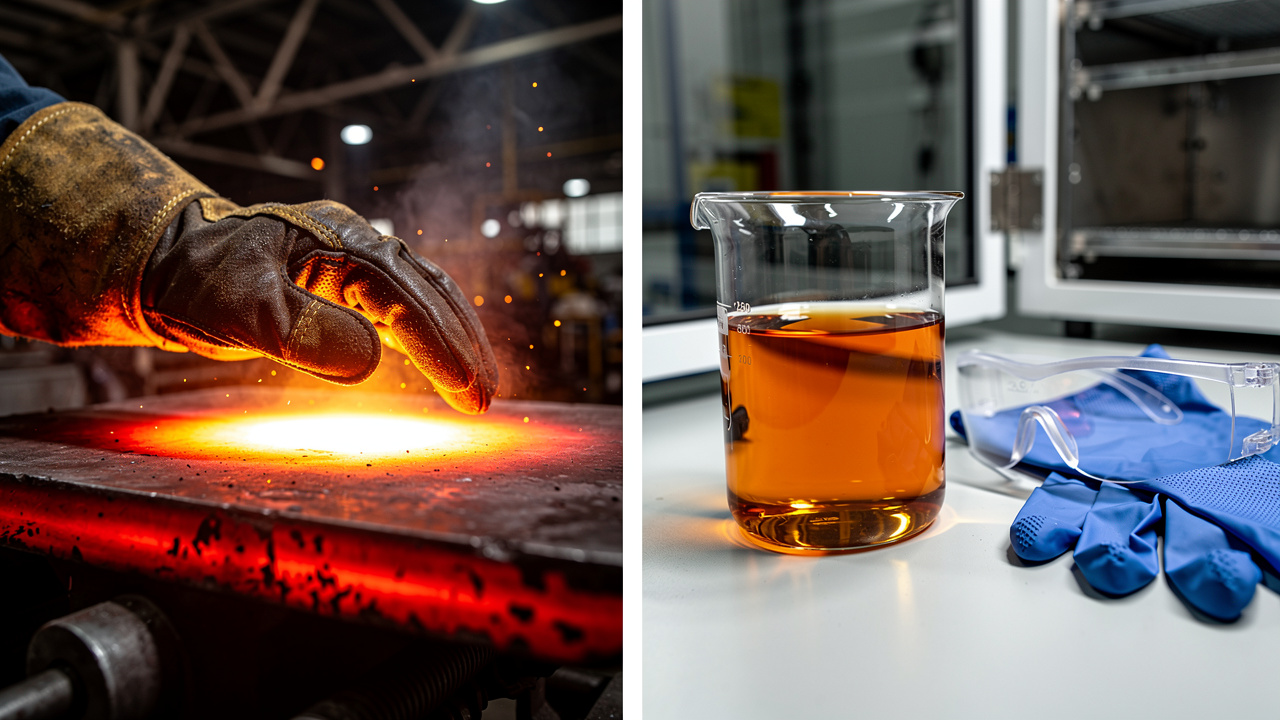
Thermal burns happen when heat from an outside source raises the temperature of the skin. This includes:
Open flames and hot metal
Ovens, grills, and heated plates
Engine parts and exhaust systems
Boiling water, hot oil, and steam
Friction from conveyor belts or treadmills
In kitchens, food plants, hospital laundries, and cafeterias, scalds from hot liquids and steam are common. In construction, manufacturing, warehouses, and auto shops, workers often encounter hot tools, molds, and engine components.
Chemical burns happen when corrosive products touch skin, eyes, or internal tissue. Examples include:
Strong drain cleaners and oven cleaners
Degreasers and bleach concentrates
Battery acid and pool chemicals
Pesticides and many lab reagents
These substances may be liquids, powders, or gels. Some act fast with intense pain and visible damage. Others, especially alkalis, can cause deeper harm with less early pain, which makes them easy to underestimate.
Both thermal and chemical burns are grouped by depth or degree of the burn:
Superficial (first degree) – Affects only the top layer of skin; red and sore without blisters.
Partial thickness (second degree) – Red, swollen, and blistered; usually very painful.
Full thickness (third degree) – May look white, brown, or charred and can feel less painful at first because nerves are damaged.
For operations teams, one important point is this:
The type of work in each area of your site predicts which kind of burn you are most likely to see.
Kitchens, weld bays, and boiler rooms lean toward thermal burns.
Battery rooms, chemical stores, labs, and pool plants lean toward chemical burns.
That map is the base for choosing the right First Aid Longs products and training the right first aid steps.
First Aid Treatment – Thermal Vs Chemical Burns – What You Must Do Differently
No matter the cause, all burns need fast, calm, and simple first aid. Your shared priorities are to:
Stop the burning process
Protect the rescuer
Cool or dilute the area
Support breathing and circulation
Call for medical help when needed
Where thermal vs chemical burns differ is in the details of those first few minutes.
First Aid For Thermal Burns
For thermal burns, you start by removing the person from the heat source. That may mean:
Shutting off equipment
Moving away from a hot surface
Having the person stop, drop, and roll if clothing is on fire
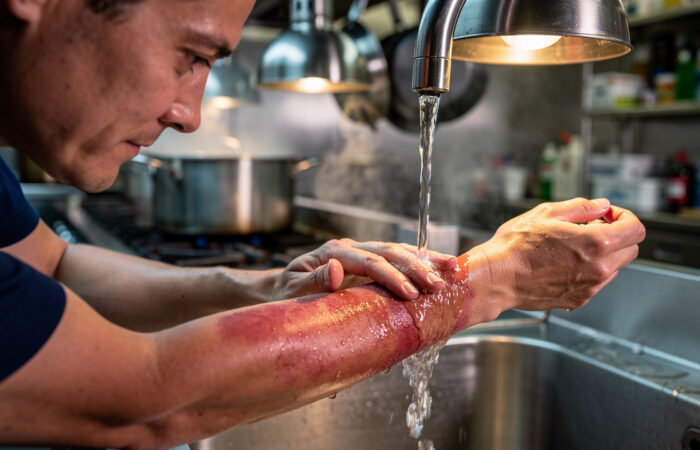
Do not pull away clothing that has melted into the skin. Next, cool the burn with tepid running water for at least ten to twenty minutes. Avoid ice or very cold water because they can cause extra tissue damage and raise the risk of low body temperature.
Once cooling is underway:
Gently remove jewelry and tight clothing near the burn before swelling builds.
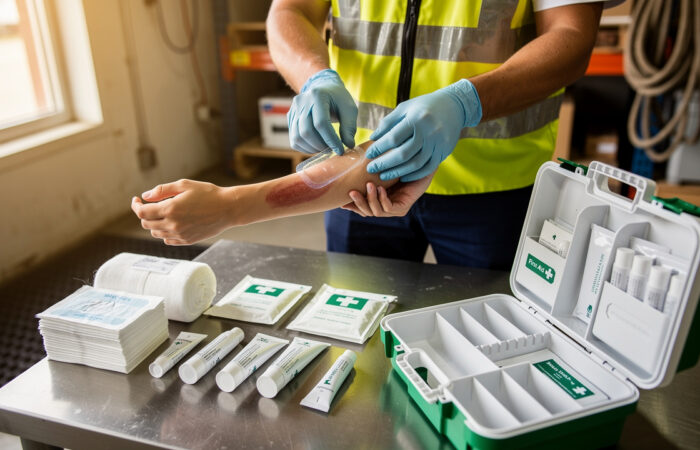
Cover the area with a clean, dry, non fluffy dressing or a sterile hydrogel burn dressing for minor superficial thermal burns.
Remember that dressings, such as those supplied by First Aid Longs, provide moist cooling and protection but should never delay the cooling step.
Call 911 for any burn that is:
Deep or larger than the person’s palm
On the face, hands, feet, genitals, or major joints
On someone very young, older, pregnant, or with serious medical conditions
First Aid For Chemical Burns
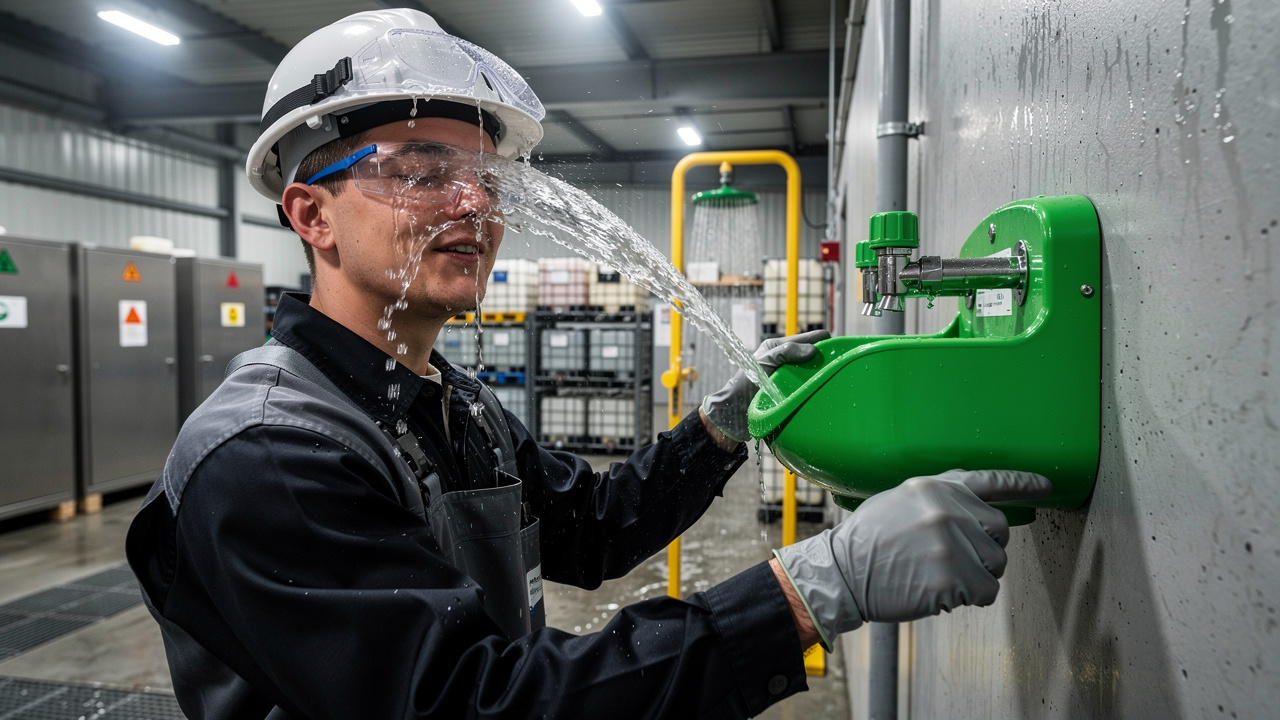
For chemical burns, the order of steps changes. Rescuer safety comes first, so staff:
Put on gloves, eye protection, and an apron if available
Follow the chemical spill plan
They remove the chemical from the person by:
Gently brushing off dry powders before flushing
Stripping away contaminated clothing and jewelry without spreading the product to clean skin or eyes
You then flush the affected area with large amounts of cool running water or plumbed eyewash. This should continue for at least fifteen to thirty minutes, and longer if the SDS or medical advice suggests it.
Important points for chemical burns:
Do not apply burn gels, creams, or ointments to chemical burns.
Do not try to neutralize an acid with a base (or the opposite) on the skin, because that reaction can create extra heat and damage.
Significant chemical burns, especially to the eyes, face, airway, or a large body area, always need 911 plus input from poison control with the SDS in hand.
Simple Comparison To Help Teams Remember
Many sites use a straightforward comparison:
Thermal burns
Focus on cooling first
Then cover the area with a clean dressing for protection when the injury is minor and superficial
Workers may use First Aid Longs burn gels and hydrogel pads only after proper cooling
Chemical burns
Focus on removing contamination
Then flush with water or eyewash for as long as possible
Staff keep flushing while medical help is on the way and avoid any product that might trap chemicals on the skin
Training and drills
Clear written protocols
Labels near sinks and eyewash units
Scenario based drills so people recall the right steps even when adrenaline is high
A simple table can also reinforce this contrast for training sessions.
| Focus Area | Thermal Burns | Chemical Burns |
|---|---|---|
| First Action | Remove from heat, then start cooling with water | Protect rescuer, remove chemical, then start flushing with water |
| Use Of Burn Gel | Suitable for minor superficial burns after cooling | Not used because it can hold chemicals against the skin |
Prevention And Workplace Controls – Managing Thermal Vs Chemical Burn Risks
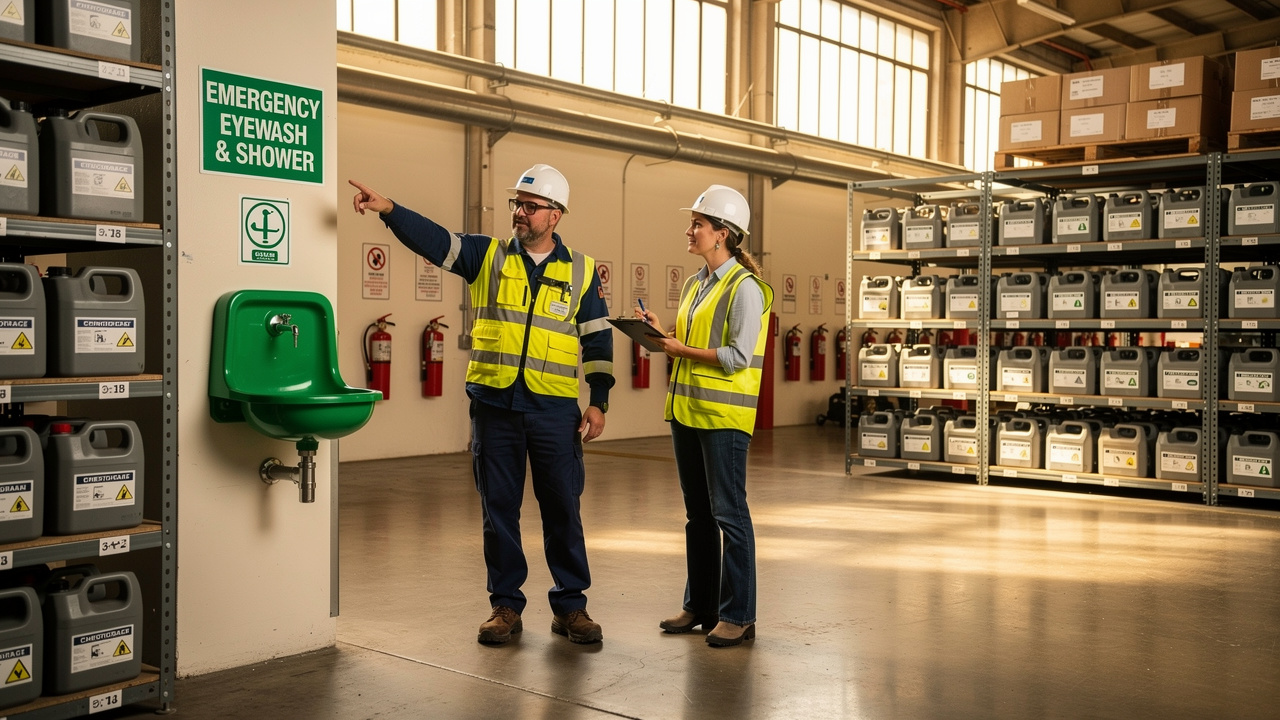
Good burn response matters, yet prevention keeps people out of harm in the first place. Because thermal vs chemical burns start in different ways, your safety controls must match the type of energy or substance involved.
Controlling Thermal Burn Risks
For thermal risks, engineering controls reduce contact with heat, such as:
Guarding and insulation on hot pipes, ovens, presses, and engine parts
Temperature limiters on water heaters in guest rooms, locker rooms, and care areas to cut the chance of scalds
Interlocks and clear markings around hot zones on machines to warn staff before they reach dangerous areas
Administrative controls deal with how work is done. Helpful measures include:
Hot work permits for welding and cutting
Written steps for moving hot liquids
Limits on how full pots and vats can be
Marked no-go zones around fryers and grills
In public spaces such as hotels, supermarkets, gyms, and event venues, barriers and signs around coffee stations, buffet equipment, and display warmers protect guests from contact burns and scalds.
Appropriate PPE adds another layer wherever splashes of hot oil, steam, or metal are possible:
Heat resistant gloves and aprons
Non slip shoes near wet or greasy floors
Face shields where hot liquids or molten material may splash
Controlling Chemical Burn Risks
For chemical risks, the starting point is:
A clear list of every corrosive product on site
An honest look at whether safer options or weaker concentrations exist
Where you cannot switch products, engineering controls such as:
Closed transfer systems
Splash guards and proper ventilation
Compliant storage cabinets
help lower everyday exposure. Well placed emergency showers and eyewash units in labs, battery rooms, pool plants, and cleaning stores give staff fast access to flushing when something goes wrong. These units need regular testing so everyone trusts they work.
Procedures guided by Safety Data Sheets (SDS) should explain exactly how to:
Dilute, mix, apply, and dispose of chemicals
Respond if skin, eyes, or clothing are hit
Avoid mixing incompatible cleaners, such as bleach with acids or ammonia
Chemical resistant PPE chosen for the specific products in use is vital. This may include:
Nitrile or neoprene gloves
Goggles and face shields
Chemical resistant aprons
Closed toe footwear
Regular drills that rehearse activating eyewash stations, removing soaked clothing, and calling for help turn written plans into real behavior.
Special Considerations For Public And Vulnerable Settings
Public facing and vulnerable settings need extra care. In hotels, hospitals, schools, gyms, and supermarkets, children, older adults, and patients may not sense heat or chemical danger as quickly. Helpful controls include:
Thermostatic mixing valves on baths and showers
Locked cabinets for cleaning products
Staff only access to kitchens and back of house areas
Simple scripts for handling guest or student burns
These measures control both thermal and chemical risks and support a safer environment for visitors as well as workers.
How First Aid Longs Helps You Standardize Burn Readiness Across Sites
Knowing the theory of thermal vs chemical burns is one thing. Turning that knowledge into the right mix of supplies at every site is another. First Aid Longs partners with you on that practical step, from single facilities to large networks of plants, offices, schools, and hospitality venues.
First Aid Longs manufactures burn care products in high grade cleanroom facilities, which supports consistent quality and cost control for wholesale buyers. Our team helps you:
Review where thermal and chemical hazards sit across your operations
Build standard stocking lists so that similar sites hold similar gear
This keeps first aid rooms, vehicles, and mobile kits aligned with real risks instead of generic checklists.
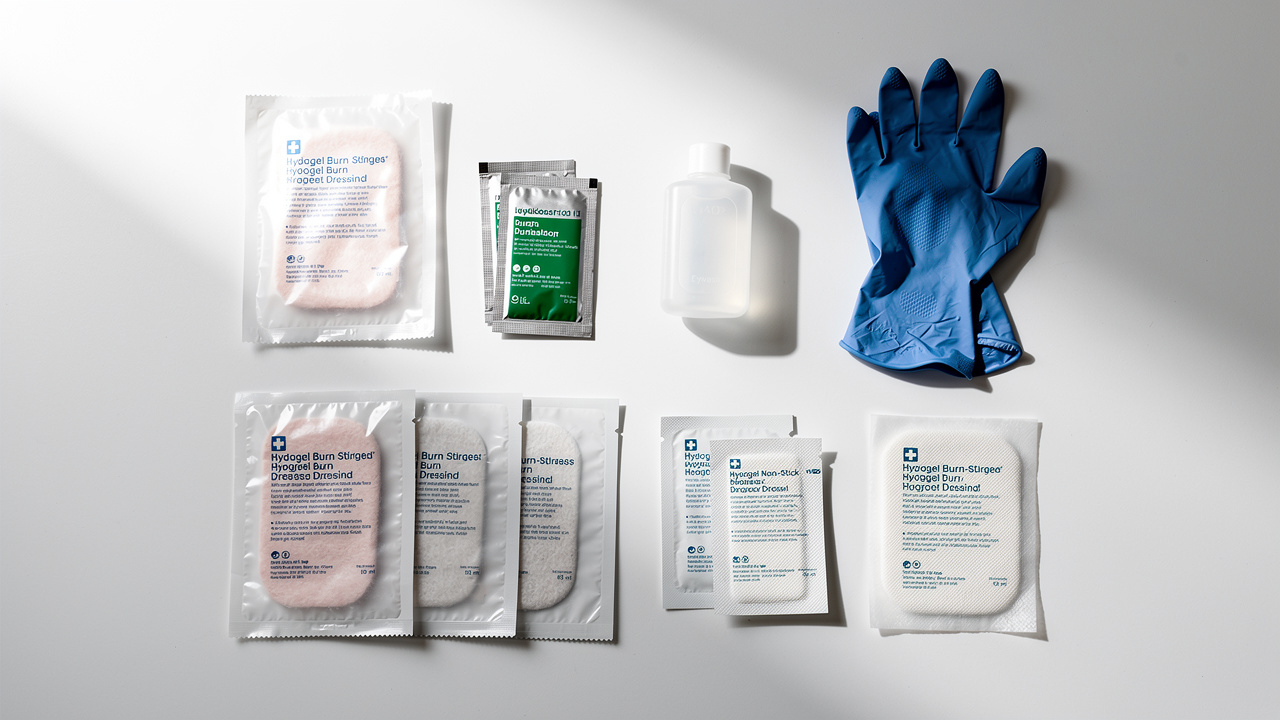
For minor superficial thermal burns, First Aid Longs burn gels and hydrogel dressings offer focused support after proper cooling with water.
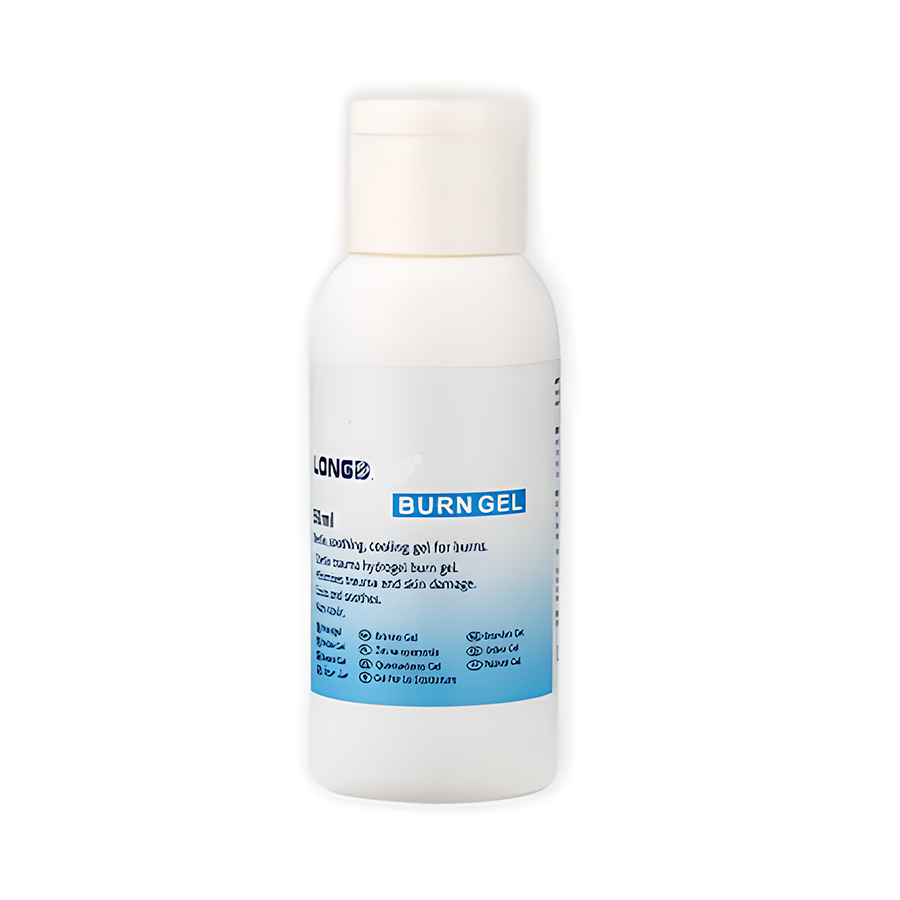
Single use burn gel packets work well in cafeterias, concession stands, classrooms, and small offices where hygiene and portion control matter. Staff can open one packet, treat a small burn, and discard the rest without sharing a tube between many people.
Tube based burn relief gels are a good fit for very small burns and sunburns at lifeguard stations, guard posts, and staff kitchens, where frequent yet low level exposure is common.
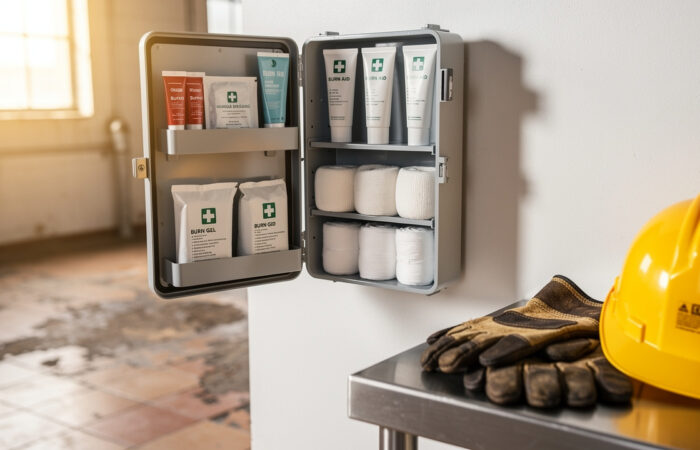
Hydrogel burn dressings are sterile, non stick pads soaked in gel, designed for localized workplace burns, especially on hands and arms. Fixed first aid stations in production lines, auto service bays, and commercial kitchens often keep several sizes on hand. These dressings:
Cool and protect tissue
Peel away gently at dressing changes
Reduce extra trauma to healing skin
All of these products are meant only for minor superficial thermal burns, not for:
Chemical burns
Deep or large burns
Electrical burns
Burns on the face or genitals
These situations all require emergency care.
For chemical exposure, First Aid Longs supports you with eyewash products and broader first aid supplies rather than burn gels. The primary first aid step for chemical skin or eye exposure remains:
Long, generous flushing with water or eyewash
Prompt medical review
We also supply:
Complete first aid kits
Saline wipes
Empty bags or boxes so you can build risk based layouts
For example:
More hydrogel dressings near ovens and weld bays
More eyewash capacity near battery rooms and chemical stores
Because First Aid Longs serves many industries and offers flexible order sizes, you can standardize burn readiness across locations without wasting budget or storage space.
Secure Reliable Burn Gel Supplies Today!
Order our high-quality wholesale burn gels made with safety standards to stabilize your healthcare operations.
Conclusion
Thermal vs chemical burns may look similar at first glance, yet the right first aid response is very different. Thermal burns call for stopping the heat, cooling with tepid water, and then protecting minor superficial injuries with clean or hydrogel dressings. Chemical burns call for stripping away contamination, flushing with plenty of water or eyewash, and seeking fast professional help instead of adding gels or creams.
When teams mix these up, they may delay calling 911, apply the wrong product, or stop flushing too soon, which can turn a manageable incident into a serious injury for workers, guests, or patients. True burn readiness goes beyond hanging a basic first aid kit on the wall. It depends on:
Risk mapping
Targeted supplies for both heat and chemical hazards
Clear protocols posted where work happens
Drills that keep staff calm under pressure
This is a good moment to ask whether your sites have enough cooling and coverage options for minor thermal burns in hot work areas, and whether eyewash units, showers, and chemical first aid supplies sit where corrosive products are used or stored.
If the answer is no or not sure, First Aid Longs can work with your safety and procurement teams to:
Review current inventories
Standardize burn kits across locations
Close the gap between written policy and real world performance
So your burn safety goals do not fade like most New Year’s resolutions.