Why Burn Dressing Sizes Matter More Than You Think
Every year, tens of thousands of workers in the United States are treated in emergency rooms for job‑related burn injuries. Many of those happen in places that feel routine, such as prep kitchens, production lines, maintenance shops, school labs, and event venues. When a burn occurs, the first few minutes before EMS arrives can shape pain levels, infection risk, and time away from work. This is where burn dressing sizes make a real difference. They decide how well the injured skin is cooled, covered, and protected in those first critical minutes. A pad that is too small leaves painful tissue exposed, while one that is far too big can use up stock that another injured person might need later.
When people talk about burn dressing sizes, they usually mean three coverage tiers:
Small dressings handle fingertip and palm‑sized burns.
Medium dressings wrap around limbs or cover part of the torso.
Large size sterilized burn dressings act like emergency burn sheets for the chest, back, hips, or several nearby burns at once.
For your role as an operations manager, safety officer, or business owner, choosing the right mix is not just a catalog detail. It supports compliance, speeds first aid, and gives staff clear rules in a stressful moment.
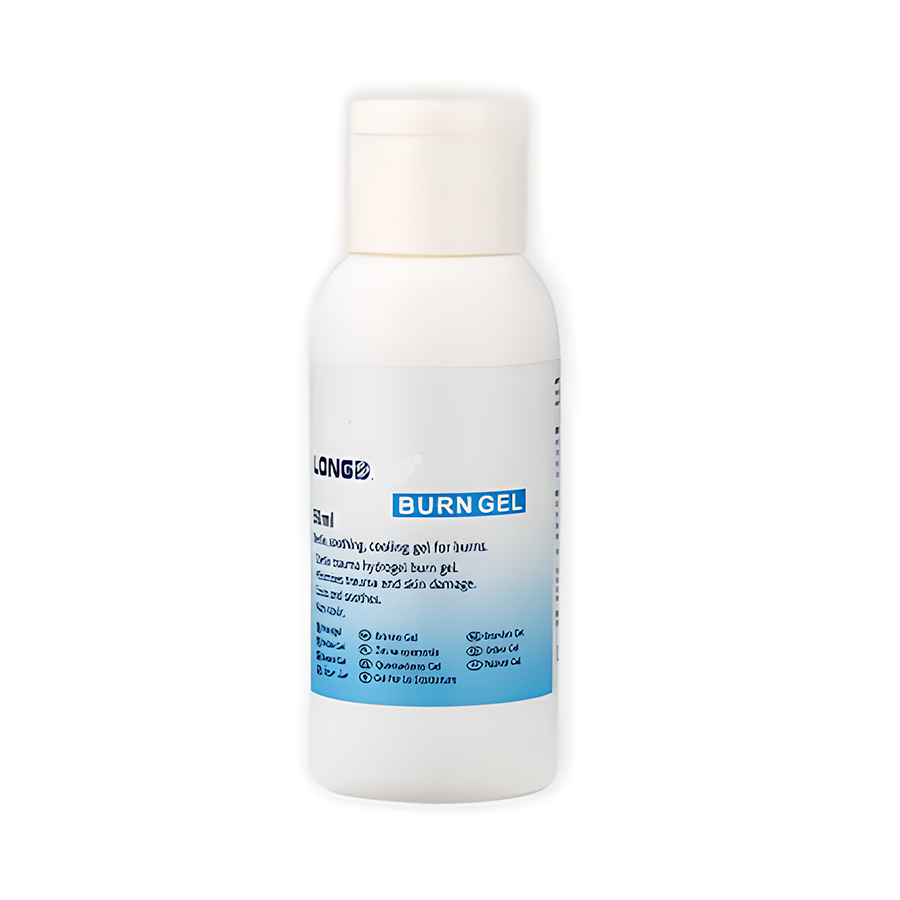
First Aid Longs focuses on hydrogel burn dressings, burn relief gel in tubes, and single‑use burn gel packets that fit ANSI‑style workplace kits. These sterile, non‑stick products are made in controlled cleanroom facilities to keep quality high and costs predictable.
In this article, you will see how to think about coverage tiers, how to choose sizes for real incidents (including placing a dressing on a school‑age child who has sustained multiple burns), and how to build a simple, risk‑mapped size mix across all your sites with help from First Aid Longs.
Key Takeaways
Some readers only have a few minutes. This section gives you the core ideas fast. You can return to the details when planning kits.
Use at least three burn dressing sizes in every kit. Small dressings cover fingertip and palm‑sized spots. Medium and large sizes handle limbs and full regions.
Match size to burn pattern and body area. Think fingers first, then arms and legs, then chest or back. Simple rules like this help staff act fast and avoid confusion.
Large size sterilized burn dressings matter whenever several areas or the torso are involved, especially for children. Pick full‑region coverage instead of many tiny patches. Call EMS for any burn that looks serious or covers a wide area.
First Aid Longs helps you map burn risks, set size tiers, and fix quantities. The same stocking plan then repeats across branches. That approach makes training, audits, and reordering much easier to manage.
What Are Burn Dressing Sizes And Why Does Coverage Matter?
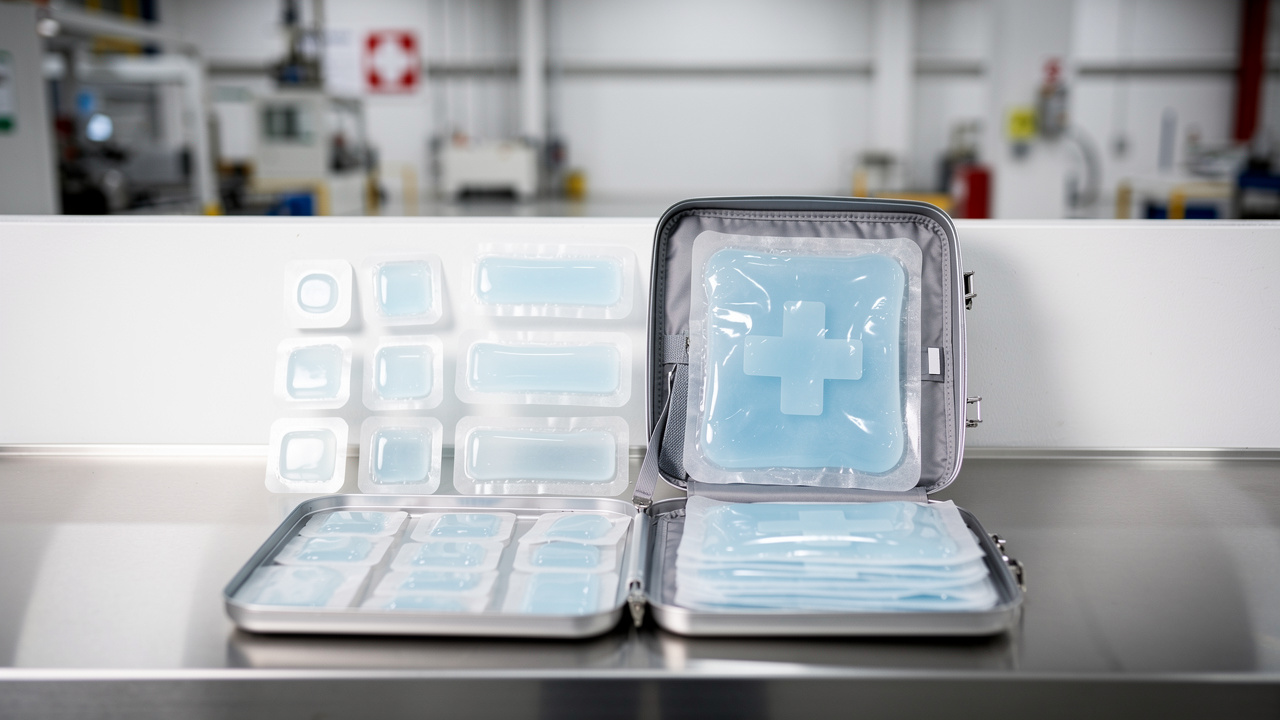
Burn dressing sizes are easier to manage when you group them into tiers. Small dressings are palm‑sized hydrogel pads, such as four‑by‑four squares, that fit most minor workplace burns. Medium dressings include longer strip shapes and mid‑size pads that wrap around arms or cover part of a chest or thigh. Large size sterilized burn dressings are broad pads or sheets designed for the chest, back, hips, or several close burns together.
A simple way to picture the tiers is shown here:
| Size Tier | Typical Coverage Area |
|---|---|
| Small | Fingers, thumb, small hand or wrist patches |
| Medium | Forearms, lower legs, partial chest or back |
| Large | Chest, back, upper thighs, several nearby burns |
In practice, coverage matters as much as the exact inches on the label. A dressing should:
Cover the entire burned area
Extend slightly over the edge onto healthy skin
If the pad is too small, exposed tissue cools poorly and is open to air, dust, and clothing. If it is far too big, you may waste an important size tier that another worker will need later in the same shift.
Surface‑area thinking also matters. A splash that looks medium on an adult forearm can count as a large burn on a school‑age child because it covers more of the total body. The same pad size represents a larger percentage of body surface area in a child, so escalation rules need to reflect age, not just burn shape.
To keep this clear for staff, many sites teach a simple three‑step rule:
Small dressings go on the fingertip and spot burns.
Medium sizes are used on limbs and partial torso areas.
Large dressings come out when a whole region such as chest, back, or both thighs is involved.
Posters or labels near first aid stations that match size names to body areas help staff make the right choice under pressure.
First Aid Longs hydrogel burn dressings combine cooling and coverage in one step. The sterile pads hold a soothing gel layer that does not stick to fragile tissue, so medical staff can remove them more easily. That design improves comfort for the injured person while giving you reliable coverage that fits straight into ANSI‑style workplace kits.
How To Match Burn Dressing Sizes To Real-World Incidents
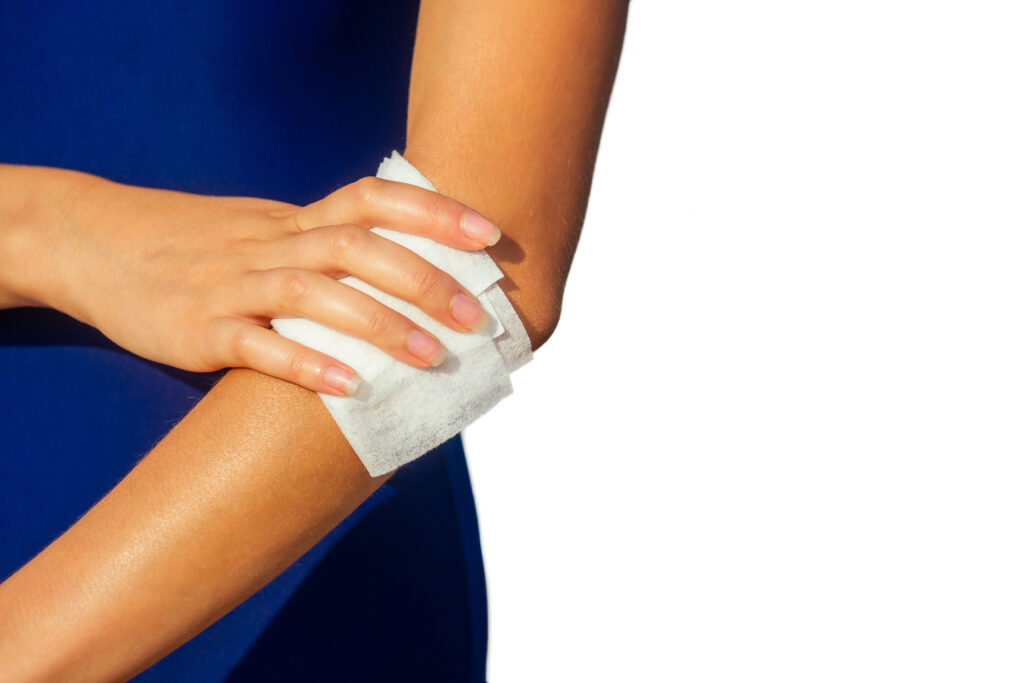
Once you understand the tiers, matching burn dressing sizes to actual events becomes much simpler. You can think in three levels:
Small dressings are for minor, localized burns.
Medium dressings handle longer lines or partial limbs.
Large size sterilized burn dressings are reserved for wider areas or several patches that sit close together.
Small dressings
In busy kitchens, mechanics’ bays, and maintenance shops, small burns happen often. Examples include:
A fingertip touching a hot pan handle
A small section of knuckle hitting a hot manifold
A droplet of oil splashing the back of a hand
For these, a four‑by‑four hydrogel pad, a small strip dressing, or a measured amount of burn relief gel from a tube or single‑use packet is usually enough. The aim is to cool the spot, cover it, and move the worker to further assessment if needed.
Medium dressings
Medium dressings come out when the burn seems to run along a limb. Think about:
A line from an oven rack that stretches down the forearm
Contact with a steam pipe along the lower leg
Strip‑style dressings wrap smoothly around these shapes and stay in place with light bandaging or tape. They give more even cooling and protection than stacking several small pads that might shift or separate.
Large size sterilized burn dressings
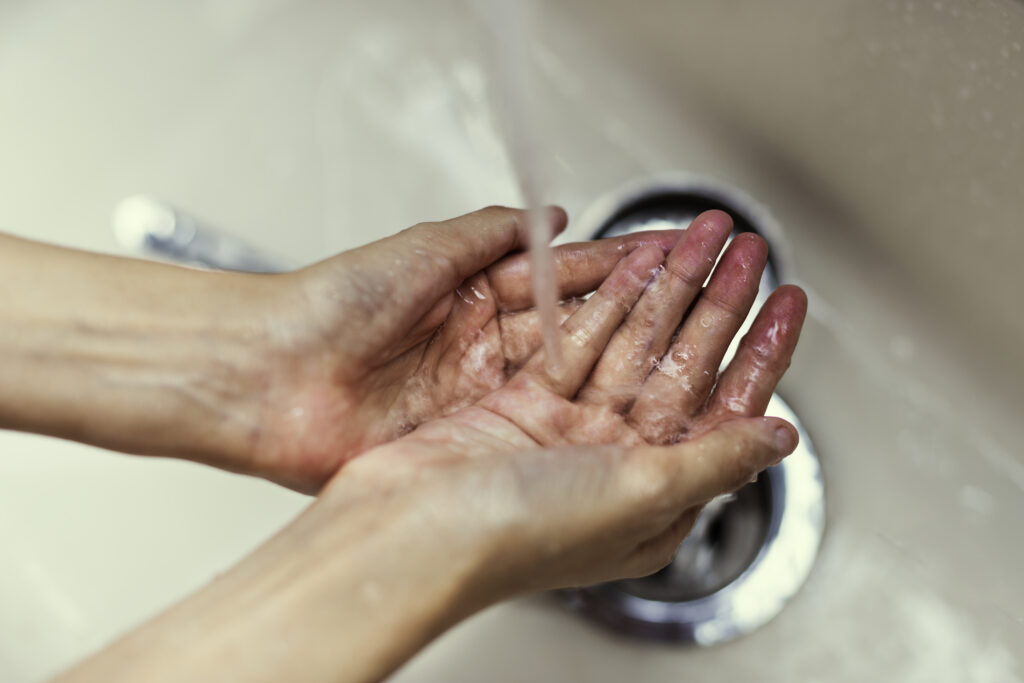
Before any dressing goes on, you should cool the burn under clean, gently flowing water where site rules and conditions allow it. Many guidance documents suggest around twenty minutes, but your occupational health provider can set exact times for your operation. After that step, the dressing becomes a protective, cooling cover while you arrange a medical review. Hydrogel dressings from First Aid Longs are made for this first aid role, not as a replacement for clinical care.
A sensitive scenario is placing a dressing on a school‑age child who has sustained multiple burns in a lab, cafeteria, or sports setting. Because a child has less body surface, several small burns can quickly add up to a serious injury. Where possible:
Use one large size sterilized burn dressing to cover an entire region, such as the chest and upper arm together, or both lower legs.
If burns are scattered and far apart, you may need several small or medium pads, but you should still treat the case as serious and call emergency services early, especially if the face, hands, joints, or genital areas are involved.
After every incident, record:
Which dressing sizes were used
How many packs remain in each station
Any issues your team faced (access, confusion, stock gaps)
This log gives safety and purchasing teams clear data for restocking and for adjusting kit layouts. It also supports investigations and helps you show that your burn care plans match the real risks on site.
“What gets measured gets managed.” – Peter Drucker
In burn care, tracking which sizes you use most often is the quickest way to refine your first aid strategy.
Building A Simple, Risk-Mapped Size Mix With First Aid Longs
To move from theory to purchasing, it helps to design a core burn module for each location. The same simple structure can repeat from one warehouse, hotel, or campus to the next. This keeps training straightforward and reduces guesswork when people order refills.
Each core module should include three size tiers plus supporting gels:
Small four‑by‑four hydrogel dressings for frequent fingertip and palm burns.
One or two medium pads or strip dressings for forearms and lower legs.
Large size sterilized burn dressings in pad or sheet format for torso and multi‑area incidents.
Burn relief gel in tubes and single‑use packets for very small burns and mild sunburn.
Risk level then guides how many of each size you keep on hand:
Light‑risk sites such as offices, gyms, and small retail spaces usually need more small pads, a few medium dressings, and at least one large dressing in the main cabinet.
Moderate to high‑risk sites, including construction areas, food production lines, warehouses, automotive bays, and school labs, need extra medium and large sizes placed close to fryers, ovens, boilers, charging areas, and workshops.
Shared spaces like hotel back‑of‑house corridors or stadium kitchens benefit from combined kits that several teams can reach quickly.
Why FirstAid Longs?
First Aid Longs manufactures a wide range of hydrogel burn dressings, workplace‑grade burn gel tubes, and single‑use packets in high‑quality cleanroom facilities. The gel pads cool and cover in one move, while the non‑stick gel surface helps protect delicate tissue during removal. Many gel formulas include lidocaine hydrochloride for targeted pain relief and aloe‑based ingredients that support moisture balance in the skin. First Aid Longs also offers flexible OEM and ODM options with low minimum order quantities, so multi‑site organizations can match branding while keeping costs under control.
With custom stocking lists, First Aid Longs can help you:
Map each site and identify the main burn risk zones.
Choose burn dressing sizes for every zone.
Set quantities based on headcount and shift patterns.
Multi‑site organizations then standardize item codes across all branches, which keeps training consistent and makes reordering faster. The result is quicker first aid, fewer stock gaps, and a clear story for regulators and insurers about how you manage burn risks.
Secure Reliable Burn Gel Supplies Today!
Order our high-quality wholesale burn gels made with safety standards to stabilize your healthcare operations.
Conclusion
Choosing the right burn dressing sizes is not just a small purchasing decision. It shapes how well your teams respond when a cook, technician, student, or guest is burned. Stocking clear tiers for small spots, limb burns, and full regions gives them the tools to act quickly and calmly.
Large size sterilized burn dressings deserve special focus wherever torso or multi‑area burns are possible, and even more so when children are present. By reviewing your current kits against the three‑tier model and closing any gaps, you strengthen both safety and confidence across your sites. When you are ready to update, First Aid Longs can work with you to build a practical, risk‑mapped burn dressing plan that fits your operations and supports long‑term compliance.