How sure are you that your current first aid setup would actually work when it matters most? Would your teams know what to grab, who to call, and what to restock afterwards? Many sites feel confident about safety because a box hangs on the wall, yet that box may be disorganized, outdated, or invisible during a real emergency.
A smart first aid kit uses organized contents, clear instructions, and often simple digital tools so non-medical staff can treat injuries quickly and keep supplies ready. In workplaces, this usually means ANSI-classed cabinets, injury-based layouts, monitoring-friendly labels, and, where helpful, IoT sensors or apps that track status across sites. This article explains how those smart features work, how IoT fits in, and how to match options to real-world risks.
The goal is simple: turn first aid from a one-time purchase into a living program that supports compliance, audits, and human safety every single day. Read on to see how to build that kind of system, and how First Aid Longs can support it.
Table of Contents
- Introduction
- How Do You Define A Smart First Aid Kit At Work?
- How Is IoT Changing First Aid Kit Monitoring And Inventory Management?
- Which Smart First Aid Kit Features Matter Most For Different Industries?
- How Do You Implement And Maintain A Smart First Aid System Across Multiple Sites?
- Why First Aid Longs Is Your Best Partner For Smart, Technology-Aware First Aid Programs
- You Are One Decision Away From A Smarter First Aid Program
- Frequently Asked Questions
- What Is The Difference Between A Smart First Aid Kit And A Regular OSHA-Compliant Kit?
- Do I Need IoT Sensors To Have A Smart First Aid Program?
- How Often Should Smart First Aid Kits Be Inspected And Restocked?
- Can Smart First Aid Kits Be Customized For My Industry’s Specific Hazards?
- How Do Smart First Aid Kits Help During An OSHA Inspection Or Audit?
- What Is The First Step If I Want To Upgrade My Existing Kits To A Smart System?
- Why First Aid Longs Should Be Your First Choice For First Aid Kit Products
How Do You Define A Smart First Aid Kit At Work?

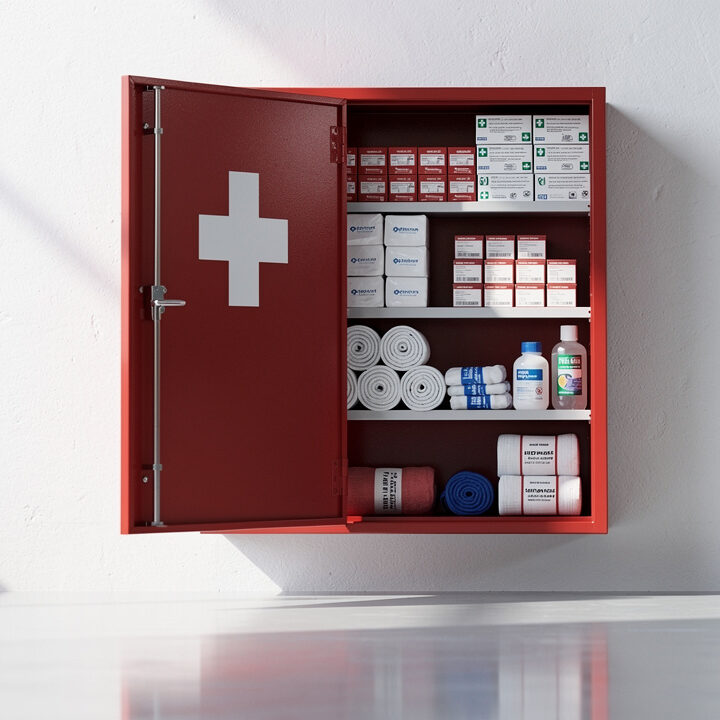
A smart first aid kit in a modern workplace is a complete system that integrates the right contents, layout, and monitoring to ensure help is fast and compliant. For most employers, that means ANSI-based supplies, clear labeling, and easy ways to see when items need restocking.
Instead of a random mix of bandages, a smart first aid kit is built around OSHA 1910.151(b) and the ANSI/ISEA Z308.1 standard, with research on the prevalence of injury in different occupations and industries reinforcing why these standards must be tailored to real hazard profiles. According to the ANSI/ISEA Z308.1 guideline, workplace kits fall into Class A and Class B, which set minimum item types and counts. Smart cabinets, such as SmartCompliance units, go further with labeled boxes and refill indicators like SmartTab cards so non-medical staff can act with confidence.
For operations and safety leaders, the real gain is predictability. You know each kit meets a standard, you know where items sit, and you have a repeatable way to keep every cabinet inspection-ready across shifts and locations.
Core Components Of A Smart First Aid Kit (Physical + Digital Layers)
Core components of a smart first aid kit combine physical design and simple digital helpers so the kit supports real behavior, not just checklists. These layers build on each other, from layout to contents to monitoring.
Injury-Specific Organization
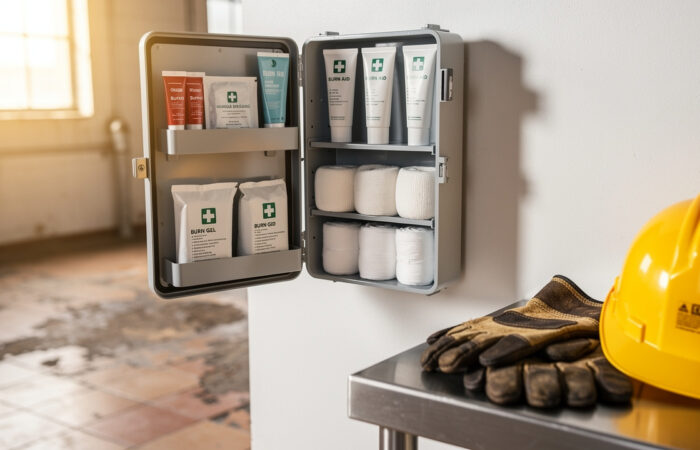
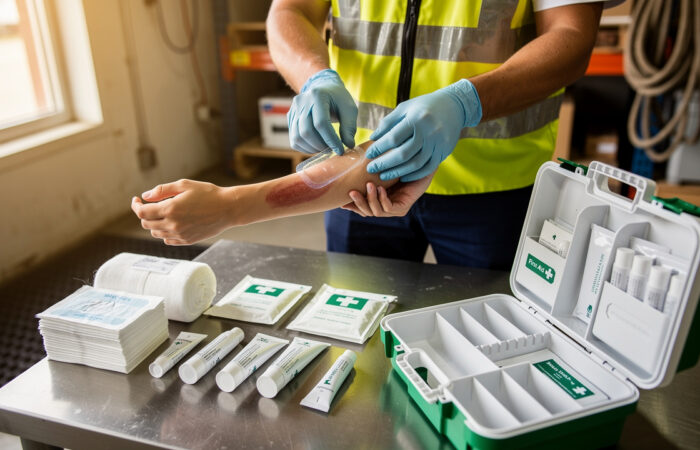
Group items by problem so staff can move on instinct, not guesswork, a principle reinforced by research on conventional versus task-based package organization, which found task-based kit layouts improve emergency response speed and accuracy. Sections for cuts, burns, eye care, sprains, severe bleeding, and blood cleanup shorten search time. Color bands or icons on each box guide someone, even if they are stressed or new on the job. Printed labels inside the door remind them which group to open first.Standards-Aligned Contents
Give the kit a strong base that matches your hazard level. Class A cabinets cover lower-risk areas such as offices, while Class B options add more trauma care for plants, warehouses, and construction. Container type, from wall cabinet to portable case, helps you meet OSHA expectations that supplies stay clean, protected, and easy to reach.Monitoring And Customization
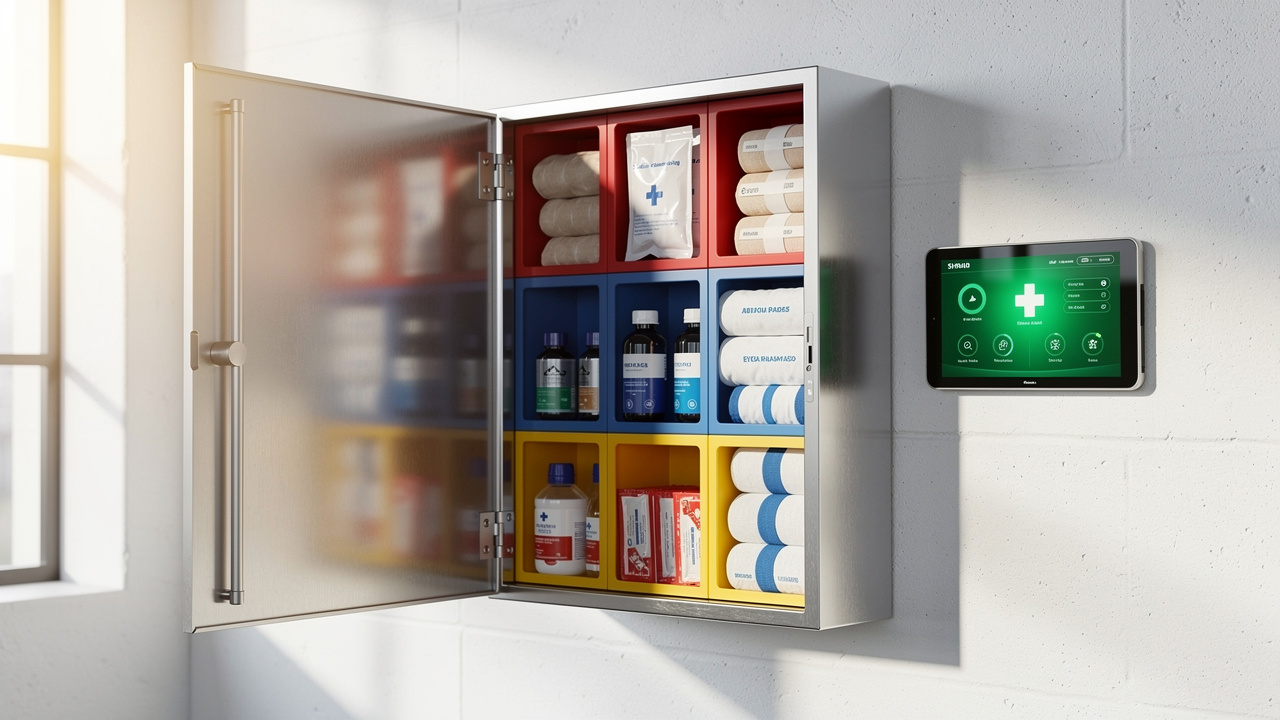
Link the kit into your wider safety workflow. SmartTab-style flags, tamper tags, and inspection logs show when items were used or checked. Barcodes or QR codes let supervisors scan refills into simple inventory apps, and a cross-sectional survey of first aid kit equipment in households found that systematic inventory tracking significantly reduces supply gaps when emergencies occur. Extra burn care, eyewash, bleed control, or blister care can be added so a supermarket, a gym, and a fabrication shop each get what they truly need.
“The best first aid kit is the one that’s organized, stocked, and easy to use on the worst day of the year.” – Workplace Safety Best Practice
How Is IoT Changing First Aid Kit Monitoring And Inventory Management?
IoT is changing first aid kit monitoring by turning cabinets and cases into trackable assets that share status data with safety teams. Instead of waiting for someone to notice an empty box, connected sensors and apps signal when attention is needed.
At a basic level, your smart first aid kit already supports monitoring if it has clear indicators and logs. IoT (Internet of Things) adds extra awareness through door switches, simple weight sensors, or connected labels tied to cloud dashboards. For a multi-site employer with dozens or hundreds of cabinets, that kind of visibility can prevent nasty audit surprises and keep every site ready.
Research from the U.S. Bureau of Labor Statistics shows employers report around 2.5 million nonfatal workplace injuries each year. With that scale of risk, data on traumatic workplace injuries, including seasonal patterns and usage clusters, shows that knowing which locations are consuming bandages, burn dressings, or trauma packs fastest is more than a tech novelty. It is a way to direct training, set budgets, and keep higher-risk areas better supplied.
Practical IoT And Monitoring Use Cases For Operations And Safety Leaders

Practical IoT and monitoring use cases focus on simple signals that help managers act before gaps appear. You do not need complex robotics to gain value. You need clear events, basic data, and a plan for what you will do with that information.
Smart Cabinet Status Monitoring
Uses sensors on doors or shelves to show when first aid stations see heavy use or long periods without checks.A run of door openings in a short time may point to an incident cluster that deserves investigation.
Long stretches with no access or inspections may show a cabinet that people do not know about or cannot reach easily.
Basic alerts help managers avoid learning about problems only during audits.
Inventory Tracking Across Sites
Connects QR or barcode scans from refills and inspections into a central view. Even with no embedded sensors inside each box, your team can scan items as they restock or use them. Over time, you see:which plants burn through cold packs,
which gyms use more elastic wraps, and
where allergy meds run low.
That lets you rebalance contents and add capacity where it actually helps people.
Compliance And Audit Readiness
Improves when inspection dates and replenishment events flow into a digital log. OSHA expects supplies to be “readily available” and in good condition, and inspectors often ask for proof. When your log shows regular checks and recorded refills, supported by IoT or scan data, you have a strong story for both OSHA and internal HSE reviews. In many cases, simple monitoring-friendly kits give most of this benefit even before you add sensors.
Which Smart First Aid Kit Features Matter Most For Different Industries?
Smart first aid kit features that matter most depend on the hazards, layout, and staffing patterns of each industry. A Class B metal cabinet that is ideal beside a press line may be overkill for a small accounting office, while a basic wall box may fall short in a busy kitchen.
Sector-specific choices should start with how people actually get hurt and how far they are from outside medical care. According to the National Safety Council, workplace injuries cost employers more than 170 billion dollars each year when you add medical bills, lost time, and indirect costs. Matching kit contents and monitoring style to real injury patterns is one of the simpler ways to protect both people and budgets.
SmartCompliance cabinets, vehicle kits, and travel packs give flexible building blocks here. First Aid Longs designs Class A and Class B kits, plus specialty sets for food service, labs, and sports, so facilities can mix wall cabinets, vehicle kits, and responder bags in a deliberate way instead of guessing from retail packs.
Matching Smart First Aid Strategies To Your Risk Profile

Matching smart first aid strategies to your risk profile starts with a short list of honest questions: how many people work in each area and shift, how far you are from EMS, and what hurts people most often today. Once you see that picture, kit choices and tech levels fall into place.
Key factors for your assessment include headcount per zone, likely injury types, and environment:
Construction, manufacturing, and logistics often need Class B cabinets, bleed control modules, and eyewash near chemicals or grinding, a need supported by research on the development of a prolonged field care kit that identifies trauma supply requirements for high-risk, resource-limited environments.
Food production and supermarkets put more weight on cut and burn care and sometimes avoid shared oral meds.
Offices, schools, hotels, and event venues lean on general business kits, medication stations where policy allows, plus blood cleanup and eyewash near janitorial or lab spaces.
Agriculture, field work, security, and gyms often need rugged vehicle kits with strong blister, burn, and trauma capacity.
Here is a simple way to link sectors to smart first aid priorities.
| Sector Group | Main Risks | Smart Kit Focus |
|---|---|---|
| Plants, Warehouses, Logistics, Automotive | Cuts, crush injuries, eye injuries, strains, severe bleeding | Class B wall cabinets, metal cases, bleed control, eyewash, monitoring logs |
| Food Production, Restaurants, Supermarkets | Cuts, burns, slips, eye splashes | Food-safe kits, extra burn and wound care, BBP cleanup, tamper tags for audits |
| Offices, Schools, Hotels, Event Venues | Minor cuts, falls, and public incidents | General business kits, medication stations were allowed, BBP and eyewash in service areas |
| Construction, Agriculture, Security, Fitness | Remote trauma, environmental stress, and sprains | Vehicle kits, portable responder bags, strong bleed control, blister and burn care, and clear inspection routines |
How Do You Implement And Maintain A Smart First Aid System Across Multiple Sites?

Implementing and maintaining a smart first aid system across multiple sites means standardizing hardware, assigning clear roles, and building simple monitoring habits. The smartest kit on paper fails if nobody owns it.
For multi-site employers, the aim is a repeatable model. Each facility type, such as office, light industrial, or food service, gets a standard kit setup, while local leads handle checks and refills. SmartCompliance cabinets paired with inspection logs or app-based checklists work well here. First Aid Longs supports this through scheduled replenishment programs and component refill packs that keep Class A and Class B kits aligned.
OSHA notes in its penalty tables that a single serious violation can reach five figures, which makes a loose, ad hoc first aid program an expensive gamble. A system that links cabinets, logs, and training reduces that risk and shortens response time when something goes wrong.
Step-By-Step Roadmap For Rolling Out Smart First Aid Kits
A step-by-step roadmap for smart first aid keeps the move from random kits to a program manageable. Each step is straightforward on its own, and together they add up to real control.
Step One: Review Every Site
Look at real injuries and near misses, not just rule books.Walk the floor and map work areas.
Talk with supervisors and workers about typical incidents.
Read OSHA 300 logs to see where people get hurt and how fast help arrives.
Note remote areas, high-traffic spaces, and places with chemicals, sharp tools, or heavy loads.
This gives you a map that guides every later choice.
Step Two: Standardize Kit Classes And Layouts
Standardize kit classes, container types, and core layouts for each facility category.Decide when you will use Class A or Class B.
Choose which areas require metal cabinets, plastic cases, or vehicle kits.
Define add-ons such as bleed control, eyewash, or BBP cleanup sets for known hot spots.
Shared standards keep ordering simple and make training easier across locations.
Step Three: Define Monitoring And Replenishment
Define monitoring and replenishment so kits never drift toward empty or expired.Choose which mix of tamper tags, visual refill indicators, inspection checklists, QR workflows, or simple IoT sensors you will use.
Set a rhythm for quick visual checks and deeper quarterly reviews, with a full refresh at least once a year.
Make it clear how staff request refills and how central teams approve them.
Why First Aid Longs Is Your Best Partner For Smart, Technology-Aware First Aid Programs

First Aid Longs is an ideal partner for smart first aid programs because it supplies standards-based kits, refill systems, and customization that fit modern monitoring approaches. The company focuses on quality, compliance, and scalable supply, which are the backbone of any technology-aware safety plan.
Unlike generic retail brands, First Aid Longs manufactures its own Class A and Class B kits, wall cabinets, vehicle sets, eyewash, and burn care in 100K Class cleanroom facilities. That in-house control supports consistent quality and competitive pricing for both small businesses and global networks. Products are designed around OSHA 1910.151(b) and ANSI/ISEA Z308.1, so your smart first aid kit choices line up with accepted standards from day one.
How First Aid Longs Supports Smart First Aid Management (Today And Tomorrow)
First Aid Longs supports smart first aid management by making its kits easy to maintain, easy to document, and easy to connect to digital tools. The company supplies the physical backbone while leaving room for your IoT or app stack to sit on top.
Key benefits include:
Quality And Compliance
Medical-grade supplies.
Durable metal and plastic cases.
Clear labeling that helps staff find the right items quickly.
Monitoring-Friendly Design
Tamper-evident tags and simple inspection log layouts make walk-through checks fast and audit trails straightforward.
When you later add barcode scanning or an EHS platform, those same tags and labels give you natural anchor points.
Replenishment And Scalability
Replenishment programs and component refill packs from First Aid Longs keep contents aligned and in date across many locations without waste.
Flexible order sizes help SMEs avoid overstocking while still meeting demand for busy plants, hotels, or school districts.
For larger enterprises, OEM and ODM services allow custom configurations and private-label kits that match internal workflows, risk profiles, and digital tracking systems.
Customer feedback quoted on the First Aid Longs site highlights reliable delivery and helpful support, which matters when you manage dozens or hundreds of cabinets. Combined with active monitoring of supply chain trends, this makes First Aid Longs a long-term partner for organizations that want smart first aid today and room to grow into deeper technology integration tomorrow.
You Are One Decision Away From A Smarter First Aid Program
A smarter first aid program starts with a shift in mindset. Instead of seeing a kit as a static cost, treat your smart first aid kit network as living safety equipment that needs design, clear ownership, and steady attention. Contents, layout, monitoring, replenishment, and training all work together, with IoT and apps playing a helpful but optional support role.
The business case is strong. According to recent tort cost analyses, including the 2024 ILR tort cost study, employers lose billions each year to injuries that often begin as small, preventable workplace events. Faster, more accurate first aid can keep many of those cases from turning into recordable injuries or long absences. At the same time, organized, standards-aligned kits with documented inspections give you a safer position during OSHA visits and internal audits.
You do not need advanced sensors in every cabinet on day one. Start with monitoring-aware kits, clear inspection habits, and refill programs that work at your scale. From there, you can layer on QR scanning, dashboards, and IoT as your operations mature. When you are ready to plan that upgrade, review the First Aid Longs first aid kits for businesses and wholesale first aid kits options, then design a smart, scalable program that fits every site you manage.
Why First Aid Longs Should Be Your First Choice For First Aid Kit Products
When you decide to modernize your first aid setup, First Aid Longs stands out as one of the best providers of first aid kit products for workplaces of all sizes. From small offices to multi-site industrial operations, First Aid Longs offers:
ANSI/OSHA-aligned Class A and Class B wall cabinets and vehicle kits.
Specialty kits for food service, labs, schools, sports, hospitality, and more.
Refill packs and replenishment programs that keep every kit consistent and audit-ready.
OEM and ODM options so large organizations can align content with internal policies and digital tracking systems.
By choosing First Aid Longs as your core supplier, you bring together quality products, smart organization, and program-friendly refills that fit neatly into your existing safety processes and any IoT or software tools you add later. To explore available options and start building a smarter first aid strategy, visit:
With a thoughtful plan and the right partner, your first aid setup can go from a basic wall box to a smart, well-managed safety system that protects people and supports compliance every day.
Secure Reliable First Aid Kit Supplies Today!
Explore our first aid kits designed to reduce delays and stabilize your healthcare operations.