

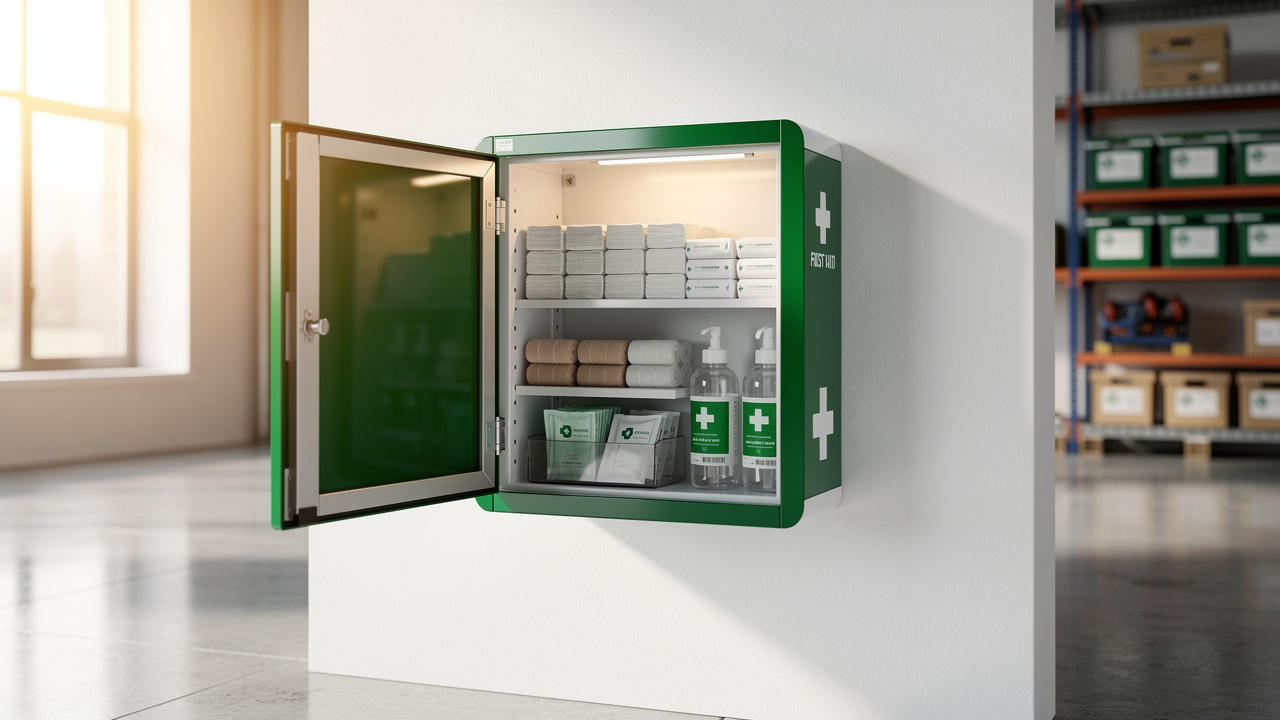
Medical and first aid purchasing keeps people safe, yet it also creates huge piles of plastic, packaging, and waste every year. More buyers now want sustainable medical supplies that protect staff and patients while shrinking their environmental footprint and long term costs. One practical way to reach that goal is to buy smarter products from a wholesale partner that designs durable kits, refillable containers, and bulk refills, then place planned orders through that partner instead of constant small retail buys.
Healthcare, industrial safety, and education buyers often feel squeezed between strict OSHA and CDC rules and growing pressure to cut emissions, reduce waste, and meet ESG targets. Confusing green claims, limited recycling options, and fear of risking infection control can make any change feel risky.
In this guide, sustainable medical supplies simply mean products, packaging, and refill systems that meet all safety and regulatory standards while reducing waste, toxic chemicals, and energy use across their life cycle. You will see which product categories matter most, how to read certifications, how to build a simple roadmap, and how a wholesale manufacturer with refillable kits and bulk programs can help you buy smarter.
Keep reading to spot quick wins, protect safety, and get clear next steps for placing more sustainable orders.
Key Takeaways
Busy procurement and safety teams often need the short version before they dig into details. These points highlight what this guide helps you do.
Sustainable medical supplies are products, packaging, and refill systems that lower waste, emissions, and hazardous chemicals while still meeting OSHA, CDC, and FDA expectations. They cover gloves, drapes, IV sets, first aid kits, cleaners, and device packaging across hospitals, clinics, factories, schools, and offices. Safety and compliance stay constant, while the environmental load goes down.
High impact categories include high volume consumables, facility products, packaging, food service ware, and energy hungry devices. Gloves, textiles, cleaning chemicals, paper, trays, cups, and lighting together drive a large share of waste and emissions. Focusing here first gives fast, visible progress.
Trusted labels such as Greenhealth Approved, Green Seal, UL ECOLOGO, Forest Stewardship Council, Biodegradable Products Institute, ENERGY STAR, EPEAT, and TCO Certified give a ready filter for better options. Embedding them in RFPs and contracts makes purchasing more sustainable without adding work for busy teams. When standard items fall short, partnering with a wholesale manufacturer that supports refillable kits, bulk refills, and custom contents can cut both waste and cost across many sites.
What Are Sustainable Medical Supplies And Why Do They Matter

Sustainable medical supplies are products, packaging, and related equipment that protect people while cutting waste, emissions, and hazardous chemicals across their life cycle. They matter because each glove, wipe, tray, and device package adds up across hospitals, urgent care centers, factories, and offices, and those choices affect both budgets and climate goals.
Practical Definition for Healthcare And Safety Buyers
For healthcare and safety buyers, sustainable medical supplies mean anything used for care or protection that stays safe and compliant while lowering environmental harm over time. That includes clinical consumables such as gloves, drapes, wipes, IV bags, thermometers, and razors used in line with FDA and CDC guidance. It also covers first aid and emergency kits, plus the refills that keep them ready in workplaces, schools, and industrial sites.
The idea also reaches cleaning and disinfectant products that meet infection control targets while using safer chemistries, as defined by groups like Green Seal and UL ECOLOGO. Packaging and paper products count too, such as FSC certified boxes, medical papers, and recycled office paper. Finally, sustainable medical supplies also include supporting equipment, such as ENERGY STAR rated imaging devices or computers listed in EPEAT and TCO Certified programs that run electronic health records.
The key point is simple. There is no trade off with infection control or worker safety. Products must still align with OSHA rules, CDC and World Health Organization guidance, and local health codes.
Key Drivers: Cost, Risk, And Reputation
Health systems and large employers now see sustainable medical supplies as a core business issue, not a side project. According to Health Care Without Harm, the global health sector produces about 4.4 percent of net greenhouse gas emissions, much of it linked to purchased goods, energy, and waste. That means smarter choices on supplies directly support climate targets.
Costs are another strong driver. Research from Practice Greenhealth shows that large US hospitals can save roughly 400,000 to 500,000 dollars per year by combining reusable supplies, energy-efficient systems, and waste reduction programs. Lower regulated medical waste volumes, fewer disposable items, and more efficient cleaning products all feed into that saving.
Risk and reputation also push change. Federal and state purchasing programs, as well as major health systems, increasingly want lower toxicity and energy efficient products, guided by the US Environmental Protection Agency and organizations like the Centers for Medicare & Medicaid Services a trend shaped partly by findings showing that between 2010 and 2021, global emissions from digital technologies were largely hidden in standard greenhouse gas accounting. Patients, employees, and corporate clients expect visible environmental action, and sustainable medical supplies are one of the most tangible ways to show it.
How To Evaluate Sustainable Medical Supplies Without Compromising Safety

Evaluating sustainable medical supplies starts with a clear lens on life cycle impacts, then adds proven labels and certifications to avoid weak marketing claims. The goal is to pick products that reduce waste and emissions while still hitting every safety, infection control, and regulatory requirement.
Core Principles For Smarter Purchasing Decisions
A few simple principles can guide almost any product decision. Life cycle thinking helps you look beyond unit price to material origin, manufacturing energy, transport distance, use, and end of life. A product may cost slightly more on paper yet save far more through lower waste handling and fewer replacements, a conclusion reinforced by studies on sustainable material selection for medical equipment using life cycle assessment and multi-objective optimization.
Source reduction comes next. Before swapping products, check whether you can delete unneeded items, trim SKUs, or cut packaging layers. Where it is safe and practical, prefer durable, reusable systems such as bedpans, sharps containers, or first aid cabinets that can be refilled instead of thrown out.
Lower toxicity is another filter. Favor products that avoid persistent chemicals such as some PFAS, heavy metals like mercury, and high VOC ingredients that affect indoor air quality. Tools from the Center for Environmental Health and Clean Production Action help screen food, ware and cleaners for safer profiles.
Resource efficiency focuses on energy, water, and material content. Choose ENERGY STAR rated devices and LED lighting, EPA WaterSense labeled fixtures, and products with recycled or certified renewable content. End of life matters too, so look for items that are recyclable or compostable in the systems your facility actually uses, and use certified e‑Stewards recyclers for electronics.
To make this practical, turn these points into a short checklist in your RFP templates. Ask vendors to describe life cycle impacts, toxicity management, resource efficiency features, and end of life options for each product line.
Using Certifications, Labels, And Databases
Third party labels and product lists help buyers filter sustainable medical supplies quickly. The International Organization for Standardization defines ISO Type I ecolabels, which are multi attribute labels awarded by an independent body and based on life cycle criteria. These tend to be stronger than self-declared claims.
For healthcare and safety settings, Greenhealth Approved lists from Practice Greenhealth flag medical products, furniture, and hospital supplies that meet strict criteria on chemicals and life cycle impacts. Green Seal and UL ECOLOGO identify cleaning and janitorial products that balance performance with safer ingredients and packaging. GREENGUARD and GREENGUARD Gold help buyers select low emission furniture and finishes that protect indoor air, which is vital in patient areas and classrooms.
FSC certification supports better paper and packaging choices by tracing fiber from responsibly managed forests. Biodegradable Products Institute labels show which food service ware and select packaging items meet commercial compost standards and are PFAS free. For electronics and devices, ENERGY STAR, EPEAT, and TCO Certified give clear guidance on energy performance, materials, and social criteria.
The US Environmental Protection Agency keeps an overview of recommended ecolabels for federal buyers on its EPA ecolabels and standards page. Referencing these labels directly in RFPs and scorecards saves time, reduces guesswork, and keeps purchasing choices aligned with broader sustainability goals.
Which Medical And Safety Products Offer The Biggest Sustainability Wins
Some product groups generate far more waste and cost than others, so they offer bigger gains when you switch to sustainable medical supplies. High volume consumables, facility products, packaging, food service ware, and energy using systems together drive a large share of a facility’s footprint.
High Volume Consumables And Facility Products

Gloves and other single use plastics show up in nearly every patient room, lab, and first aid station. For low risk tasks, biodegradable or lower impact glove formulations can help, as long as barrier performance and OSHA requirements stay intact. Right sizing glove types to actual risk levels, instead of using the most protective version for every task, also lowers material use.
Bedpans, urinals, and textiles such as bedding and non sterile gowns also add up. Durable reusable items with validated reprocessing protocols, following CDC and World Health Organization guidance, can replace many disposable plastics. For linens and non critical textiles, Global Organic Textile Standard certified fabrics offer better farming and manufacturing practices.
Cleaning agents and disinfectants shape both staff exposure and environmental quality, and research on global methane footprints growth underscores how industrial chemicals including those used in facility maintenance contribute meaningfully to overall emissions. Green Seal or UL ECOLOGO certified cleaners give a pre screened pool with lower toxicity and strong performance, while the WIDES disinfectant database from the City of Vienna and Health Care Without Harm offers criteria for comparing active ingredients. Paper and documentation can shift toward recycled content and FSC certified stock, plus electronic health records and digital safety logs to reduce overall paper use a direction supported by studies on the impact of multiple paper recycle loops on fiber yield and packaging properties.
A simple way to compare options is to weigh disposables against reusables.
| Category | Typical Disposable Option | More Sustainable Option | Key Benefit | Key Limit |
|---|---|---|---|---|
| Gloves | Standard single use nitrile | Biodegradable or lower impact gloves | Lower long term plastic load | Needs local waste system that can use the benefit |
| Bedpans | Single use plastic units | Reusable stainless or durable plastic | Far less solid waste | Requires reliable reprocessing capacity |
| Textiles | Single use nonwoven gowns | Reusable gowns and GOTS linens | Less waste and often lower life cycle cost | Needs laundry and logistics support |
| Cleaning | Conventional high VOC cleaners | Green Seal or ECOLOGO products | Lower staff exposure and emissions | Some products cost more per unit |
Packaging, Food Service, And Energy Using Equipment
Medical packaging protects sterility yet often ends up as mixed plastic waste. Newer renewable medical kraft papers such as SteriKraft and MediKraft, supplied by companies like Billerud, combine strong microbial barriers with recyclability in standard paper streams, and advances in wood science and technology continue to expand the performance range of these fiber-based materials. Case studies from Billerud report packaging weight cuts close to 20% when customers switch to these stronger papers, which reduces material use and freight emissions.
Food service ware used for patients, staff, and visitors is another large waste stream. Reusable trays and stainless cutlery work well where dishwashing systems exist, while BPI certified, PFAS free compostable products identified by the Center for Environmental Health and Clean Production Action can support sites with commercial composting. For non regulated waste streams, compostable or recyclable bags matched to actual local programs keep more material out of landfills.
Energy using systems in clinics, urgent care centers, and industrial health suites also matter. ENERGY STAR rated HVAC, imaging devices, and office equipment use less power, while LED lighting trims electricity needs and maintenance visits. According to ENERGY STAR, LED lamps use up to 75% less energy than traditional incandescent bulbs and last far longer, which directly supports operating budget and climate targets. Close work with facilities teams helps align product selection with building upgrades.
How To Implement Sustainable Medical Supplies In Your Organization

Turning sustainable medical supplies from an idea into standard practice works best with a simple, repeatable plan. A clear roadmap helps hospitals, clinics, factories, and offices make steady progress without risking safety or supply continuity.
Step By Step Roadmap For Procurement And Safety Leaders
Start with a baseline. Map spend across disposables, cleaning products, packaging, energy, and waste services, then highlight “hotspots” where volumes and costs run high. Common examples include OR textiles, gloves, first aid kits across many sites, cafeteria disposables, and traditional lighting.
Set measurable objectives next. Targets might include lower regulated medical waste per patient day, a higher share of Green Seal or ECOLOGO certified cleaners, or a specific percentage of purchases with FSC, BPI, ENERGY STAR, or EPEAT credentials. Linking these goals to ESG or climate commitments helps secure leadership backing.
Integrate these aims into procurement. Update policies, RFP templates, GPO agreements, and contracts to ask for ecolabels, packaging details, recycled content, and supplier transparency. According to Practice Greenhealth, facilities that combine such purchasing shifts with reusables and energy projects can save hundreds of thousands of dollars each year through lower utility bills and reduced waste hauling.
Pilot, then scale. Start in a few units or locations with clear metrics on safety, staff satisfaction, and cost, and adjust based on feedback. Track:
Waste volumes
Energy use
Spend on disposables versus reusables
Adoption of certified products
Share these results with leadership and sustainability teams to guide next steps.
Managing Safety, Infection Control, And Change
Safety and infection control sit at the center of any change to medical supplies. Every new product must work inside existing protocols and meet relevant rules from OSHA, the Food and Drug Administration, and state health departments. A close partnership with infection prevention and nursing leaders is the safest way to move forward.
For any reusable product, insist on validated cleaning and sterilization methods that follow guidance from the Centers for Disease Control and Prevention and World Health Organization. Standard operating procedures should spell out handling, decontamination steps, packaging, and storage, often using medical papers like SteriKraft or MediKraft to maintain sterility where needed. Staff in central sterile, environmental services, and frontline roles need training and competency checks so they can apply these steps correctly every time.
Monitoring keeps risk low. Use biological and chemical indicators to confirm sterilizer performance and compare infection or incident data before and after changes. If metrics shift in the wrong direction, adjust quickly by tightening protocols or, if needed, switching products.
“Safe care, high quality, and sustainable operations are fully compatible goals when changes are planned and measured.”
Adapted from guidance shared by Practice Greenhealth and Health Care Without Harm
Clear communication about why changes are happening, how they support ESG goals, and what staff need to do differently helps build a culture that supports safer, more sustainable medical supplies.
Why Choose Us For Sustainable First Aid And Medical Supplies
Once you know what sustainable medical supplies look like, the next step is picking a partner who can supply them at scale. A wholesale manufacturer that focuses on durability, refillable systems, and flexible ordering makes it much easier to cut waste and costs across many sites.
When you buy refillable first aid kits, empty cases, and bulk refills from a specialist supplier, you:
Reduce plastic and metal waste from single use kits
Cut the number of deliveries and excess packaging
Standardize contents across locations for easier audits
Lower the number of expired items sitting unused on shelves
If you are ready to move from one off retail kits to a planned refill model, it is worth choosing a partner that offers:
Durable wall mounted and portable cases
Empty containers that can be stocked with your preferred contents
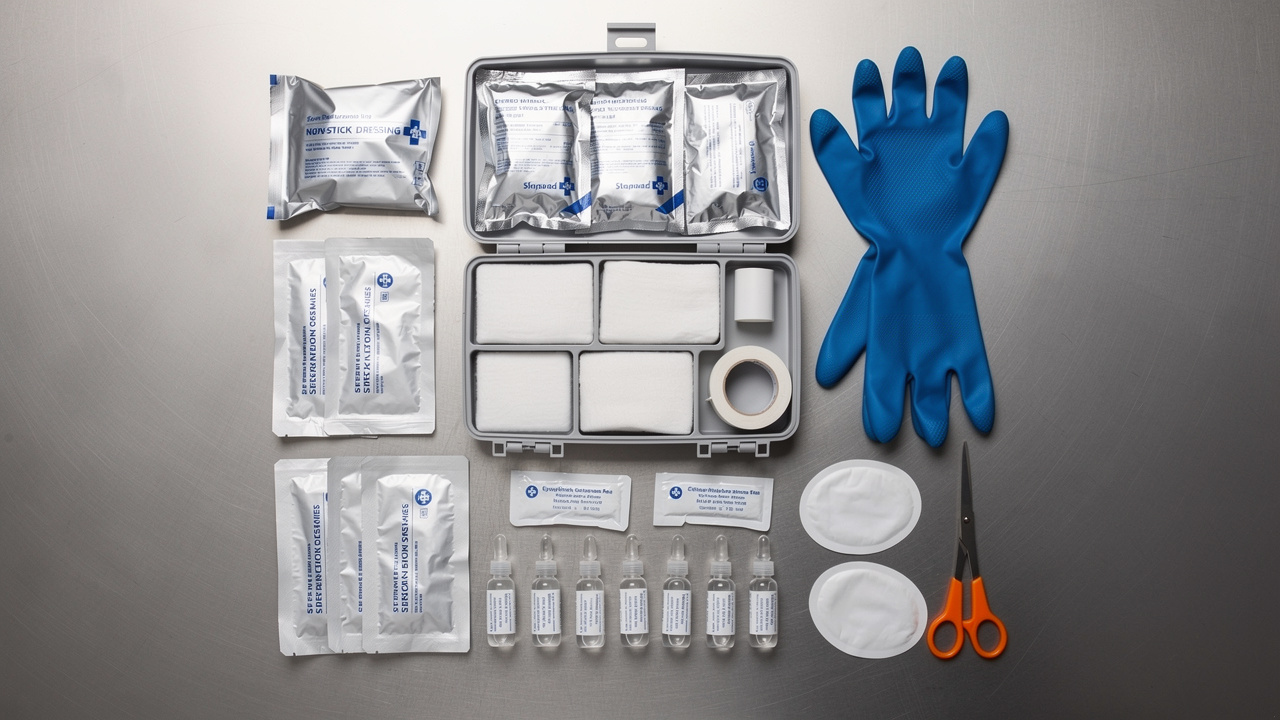
Bulk eyewash, burn care, and wound care products
Simple refill packs that match common workplace risks
This is exactly the kind of support you get when you decide to buy from First Aid Longs for your wholesale first aid and medical supply needs.
Why Choose First Aid Longs As Your Sustainable First Aid And Medical Supply Partner
Once you know what sustainable medical supplies look like, the next step is picking a partner who can supply them at scale. A wholesale manufacturer that focuses on durability, refillable systems, and flexible ordering makes it much easier to cut waste and costs across many sites. This is where First Aid Longs fits in for workplaces, clinics, schools, and distributors.
Since 1996, First Aid Longs has produced first aid kits, eyewash products, burn gels, saline wipes, and related medical items for buyers around the world. In house manufacturing and 100K Class Cleanroom facilities give strong control over quality and sterility. Flexible OEM and ODM services, along with private labeling and packaging options, help brands match regional rules and customer expectations without excess inventory.
How Our Products Support Lower Waste And Smarter Procurement

Durable first aid kits built by First Aid Longs are designed for real workplaces, from factories and construction sites to offices and schools. Sturdy cases and cabinets stand up to heat, humidity, and rough handling, which means they are replaced far less often than light retail kits. Longer life for the container directly reduces plastic and metal waste.
Empty boxes, bags, and cabinets sold as standalone products let you refill instead of throwing out whole kits whenever a few items run low. This simple shift turns first aid management into a refill model, where the outer case can stay on the wall or in a vehicle for many years. Over time, that means fewer containers bought, shipped, and discarded.
Bulk eyewash, burn gel, and saline wipes from First Aid Longs help replace many small retail packs with larger, better planned orders. Buying through the First Aid Longs wholesale medical products catalog reduces packaging per unit, supports standard contents across sites, and lowers the number of deliveries. Replenishment and refill programs make it easy to restock only items that were actually used, which cuts expired contents and unnecessary purchasing.
Customizable kits and private label options add another layer of waste reduction. Procurement and safety teams can choose the exact mix of items needed for each setting, from OSHA aligned workplace kits to site specific industrial configurations. That way, boxes are not filled with products that never move and then expire on the shelf.
Partnership Benefits For Procurement, Safety, And Brand Teams
Working with First Aid Longs gives procurement, safety, and brand teams a single, experienced partner rather than a patchwork of small suppliers. In house manufacturing since 1996 supports tight quality control, reliable regulatory alignment, and steady lead times. Products built to international standards help avoid recalls and non compliant stock, which is good for both safety and waste prevention.
Flexible minimum order quantities let buyers test new kit designs, refill models, and sustainability ideas without locking up capital in slow moving inventory. Startups and large enterprises alike can roll out pilot programs, gather data, then scale up what works. For multinational buyers, this flexibility makes global standardization of first aid contents and branding far easier.
100K Class Cleanroom production supports items where sterility and cleanliness matter most, such as certain eyewash, burn care, and wound care products. Multi site and global customers can source these items, plus standard workplace kits, through a unified catalog. Dedicated sales and technical teams help design right sized kits that match OSHA and ANSI expectations and organize refill programs that keep cabinets stocked with minimal waste. To discuss pricing or kit designs, buyers can reach the team through the First Aid Longs product range by emailing sales@firstaidlongs.com or calling +86 13590669317.
Order Now for High-Quality
Wholesale Medical Products!
Reach Out To Us Today, Or Get In Touch With Our Team To Get A Quote To Get Things Started
Ready To Make Your Medical Supplies More Sustainable
Shifting to more sustainable medical supplies does not mean taking risks with care or worker safety. It means choosing products, packaging, and refill systems that meet OSHA, CDC, and FDA standards while lowering waste, emissions, and hazardous chemicals. Life cycle thinking, clear goals, and the smart use of third party labels keep that process grounded in real data.
Focusing first on high impact areas such as gloves, textiles, cleaning agents, paper, packaging, food service ware, and energy using equipment delivers visible gains with manageable effort. Tools from organizations such as the US Environmental Protection Agency, Practice Greenhealth, Green Seal, UL ECOLOGO, and ENERGY STAR give ready made criteria that work well in RFPs and contracts. Measured against waste and cost data, these steps support both ESG reporting and daily operations.
For many organizations, the missing link is a wholesale partner that supports refillable systems and bulk ordering instead of one way, retail style kits. First Aid Longs fills that role by offering durable cases, empty containers, bulk eyewash and burn care, and organized refill packs through its First Aid Longs wholesale medical products catalog. Reviewing your current kits, removing unused items, and planning a move to refillable containers and bulk refills with First Aid Longs can quickly cut waste and simplify purchasing.
Now is a good time to audit a few kits, identify expired contents and overstock, and sketch a short list of changes that would reduce waste without touching safety. When you are ready to compare options or design standardized kits for multiple locations, reach out to the First Aid Longs team for practical, sustainability focused wholesale support.


