Welding burns are still common in busy shops and field crews, even when you already have written safety rules. Hot metal, flying sparks, and weak first aid setups can turn what looks like a small mistake into an expensive recordable case. You need clear steps you can trust when someone gets hurt and simple controls that lower risk before the arc starts. This guide walks you through burn types, first aid, prevention, and first aid kits so you can protect every shift with practical changes.
Keep reading to review your program, close gaps, and protect every welding shift.
Key Takeaways
These key points give you a fast preview of the guide so you can see how it supports your safety goals.
- Core Types and Severity of Welding Burns guide every risk decision. You see how thermal, radiation, electrical, chemical, and eye burns behave. That picture shapes PPE, training, and medical plans.
- Immediate First Aid Steps For Skin And Eye Burns, create a repeatable response. Cooling, covering, and flushing follow a clear order. Supervisors gain simple language for toolbox talks.
- Welding Burn Prevention With PPE And Engineering Controls shows how to block hazards at the source. You match sparks, spatter, and radiation with helmets, clothing, and screens. Safer habits then reduce recordables and downtime.
- How to Stock Welding Burn First Aid Kits Effectively explains which dressings, gels, and eyewash to keep on hand. You see what belongs in booths, trucks, and clinics. Standard items make restocking faster.
- When to Escalate Welding Burns for Emergency Care draws a sharp line between onsite care and hospital care. You learn clear red flags for skin and eye injuries. That clarity supports better outcomes and lower liability.
Understanding Welding Burns In Industrial Workplaces
Welding burns in industrial workplaces come from intense heat, arc radiation, electricity, and chemical contact around welding and cutting tasks. When you understand these mechanisms, you can choose better controls, stock smart first aid supplies, and track the safety metrics that matter.
Recent data from the Bureau of Labor Statistics reports more than 2.5 million nonfatal workplace injuries in a changing labor market in the United States each year. Manufacturing, construction, shipyards, and repair work, where welders spend time, contribute a large share of these cases, as national trend data on workplace injury and death across the United States from 1998 to 2022 confirms. Burns add to OSHA recordables, workers’ compensation costs, and unplanned visits to urgent care or the emergency department.
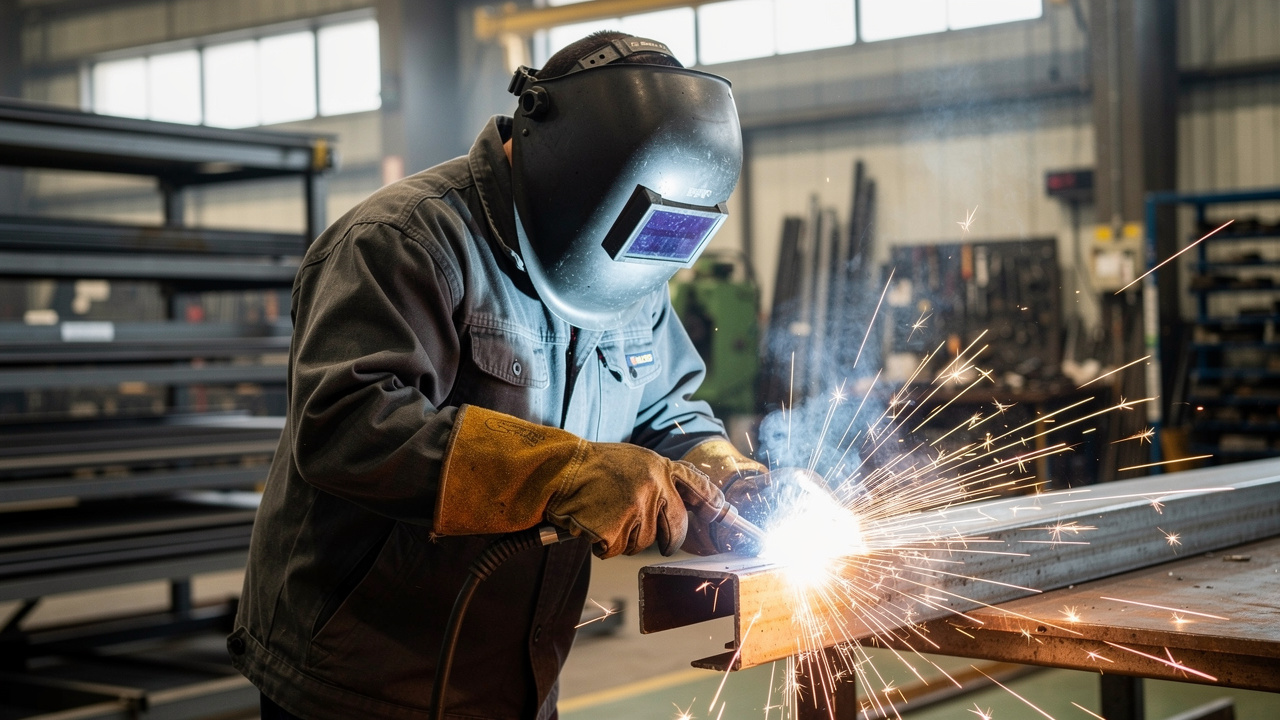
In welding spaces, burns affect both skin and eyes. Hot metal, tools, and slag cause contact burns, while the arc produces intense ultraviolet, visible, and infrared light that damages unprotected skin and corneas. Electrical faults and cleaning chemicals add less frequent but serious burn risks that you must include in your planning.
Types And Severity Of Welding Burns You Need To Know
For program design, it helps to group welding burns by both mechanism and depth. Mechanism explains what caused the damage, while depth tells you how serious the injury is and where it belongs on your response chart. Together, they guide PPE, first aid, and referral choices across shops, field crews, and training labs.
- Thermal burns come from direct contact with hot metal, slag, torches, guns, or recently welded parts. They often hit hands, forearms, legs, and faces when you grab parts too soon or when sparks drop into sleeves, pockets, or boots. Pain, redness, and blisters tell you the skin layers have been damaged.
- Radiation burns, sometimes called welding sunburn, follow exposure to arc light on uncovered skin such as the neck or wrists. Flash burns, or arc eye, are similar damage to the cornea that shows up as burning pain, tearing, and light sensitivity a few hours after exposure. Reflected light from metal, concrete, or painted walls can injure nearby helpers who never touched live equipment.
- Electrical burns appear when current passes through the body because of damaged cables, wet gloves, or poor grounding. Entry and exit wounds on the skin may look small, while deep tissues and the heart face real danger.
- Chemical burns from cleaners, pickling agents, or fluxes add another route for skin and eye injury near weld prep or post weld areas.
Depth is described in degrees:
- First degree burns show red, painful skin without blisters and often heal in three to five days.
- Second degree burns bring swelling and clear blisters.
- Third degree burns leave skin dry or leathery and always need urgent medical care.
How To Provide Immediate First Aid For Welding Burns
Immediate first aid for welding burns follows a simple sequence that cools tissue, protects the wound, and manages pain. When your teams use the same steps every time, you reduce complications and decide sooner when higher level care is needed.
According to the American Burn Association, nearly half a million people in the United States seek medical care for burns each year. Early cooling and clean dressings lower the chance of deeper damage or infection, a principle supported by clinical research on basic techniques for optimizing burn wound healing. A clear protocol also keeps many minor hot work injuries from turning into recordable incidents or repeated clinic visits.
Step By Step First Aid For Skin And Eye Welding Burns
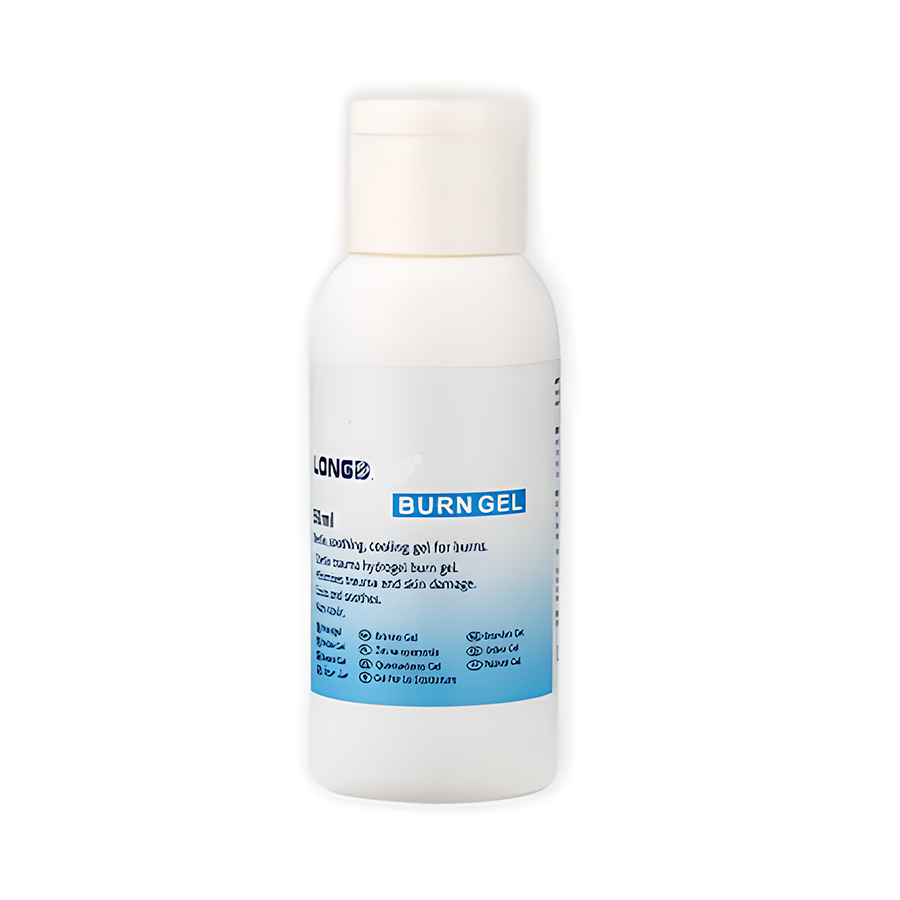
Secure Reliable Burn Gel Supplies Today!
Order our high-quality wholesale burn gels made with safety standards to stabilize your healthcare operations.
For most minor skin welding burns, you can respond in this order. First, cool, then remove tight items, then protect the area and decide whether to refer. The same idea applies to welding sunburn and to arc eye, with small adjustments for each injury type.
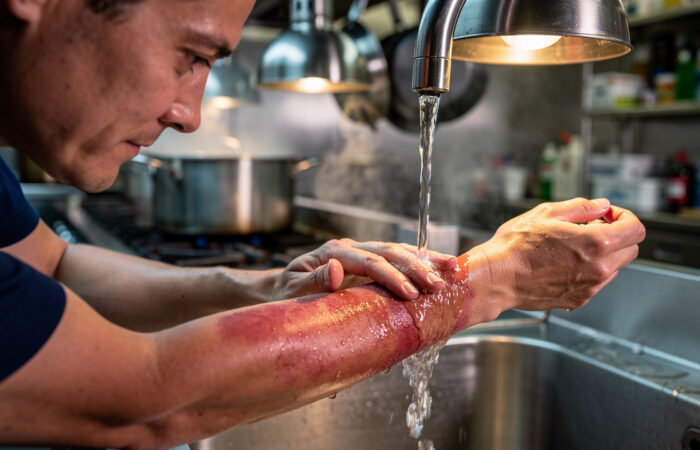
- Cool the burned skin with cool, gentle running water for about ten minutes. Use a clean, wet cloth for face wounds if running water is hard to reach. Skip ice, ointment from home, butter, and toothpaste because they can worsen damage. Stop cooling once pain drops and skin temperature feels normal.
- Remove rings, watches, bracelets, and any tight PPE near the burn as soon as it is safe. Swelling can make removal hard if you wait too long. Cut clothing away instead of pulling it across the damaged area if the fabric is stuck. Leave any melted material in place for medical staff to handle.
- Protect blisters and dress the wound. Do not intentionally pop blisters, because the roof acts as a natural barrier against germs. If a blister opens, gently rinse with clean water and apply a thin layer of topical antibiotic if your medical protocol allows. Cover with a sterile, nonstick dressing and wrap loosely, following protocols outlined in burns patient management guidelines used by clinical practitioners.
- Manage mild welding sunburn by focusing on comfort and protection. Encourage the worker to drink water and apply aloe based lotion on intact skin. Cool compresses can ease pain on the first day. Avoid new UV and arc exposure on that skin until redness settles.
- Handle arc eye by moving the worker to a dark or dim room and stopping welding tasks. Provide oral pain medicine such as acetaminophen or ibuprofen within the company medical policy. Artificial tears can ease the gritty feeling, and contact lenses should stay out until full recovery. If pain is severe, vision blurs, or symptoms do not improve within forty eight hours, arrange urgent medical or eye specialist care.
The quick reference table below links burn type and severity to suggested action. You can print a similar chart for first aid rooms and supervisor clipboards.
| Burn Type | Severity Description | Suggested Action |
|---|---|---|
| Small, first degree skin burn | Red, painful, no blisters, limited area | Treat onsite, monitor |
| Blisters, swelling, and an area smaller than a palm | Blisters, swelling, an area smaller than a palm | Cool, dress, refer same day |
| Call EMS or an urgent specialist | Dry or charred skin, or vision affected | Call EMS or urgent specialist |
How To Prevent Welding Burns With PPE And Safe Work Practices

Prevention of welding burns depends on solid PPE, smart layouts, and firm rules about hot work. By combining equipment, housekeeping, and training, you reduce both how often burns occur and how serious they become.
Research from NIOSH shows that eye and face injuries form a notable share of welding injuries, with many linked to missing or misused PPE. When you match hazards with specific gear and work practices, it becomes easier for crews to follow the rules and for supervisors to spot gaps.
Essential PPE And Controls To Reduce Welding Burns

Think of burn prevention in layers that start with the worker and move out to the work area. Helmets, safety glasses, gloves, jackets, and footwear protect skin and eyes from sparks, spatter, and radiation. Curtains, screens, and housekeeping protect helpers, passersby, and nearby equipment.
- Head and eye protection guard against intense light and flying metal. Approved welding helmets with the right shade protect face, neck, and ears, while safety glasses with side shields stay on under the helmet. Auto darkening helmets can make the correct use more comfortable.
- Hand and arm protection helps when you handle hot parts or position torches. Dry, hole free leather welding gloves protect fingers and palms while extended cuffs or sleeves cover wrists and forearms. Gloves that are oily or soaked with solvents should be replaced before any arc is struck.
- Body, leg, and foot protection block sparks that fall or bounce. Flame resistant jackets, cuffless pants, and leather aprons help prevent clothing ignition and keep spatter from lodging in openings. Leather boots without open tops, plus leggings for heavy work, protect ankles and lower legs.
- Sunscreen and hearing protection fill the remaining gaps. High SPF, broad spectrum zinc oxide sunscreen can help shield small exposed skin areas near the collar or neck. Flame resistant earplugs or muffs are important for overhead work where sparks can fall into the ears.
You can connect common risks with practical controls using a simple planning table.
| Risk Example | Recommended Control | Typical Product Type |
|---|---|---|
| Arc radiation to nearby workers | Set up welding curtains and fixed screens | Flame resistant curtains and screen panels |
| Sparks in sleeves or boots | Upgrade clothing and footwear, close openings | FR jacket, cuffless pants, leather boots |
| Frequent eye irritation and arc eye | Improve helmet shade and eyewear use | Auto darkening helmet, safety glasses |
Which Welding Burn First Aid Supplies Should You Stock?
Stocking the right burn care items where welding happens turns policy into real help in the first few minutes after an injury. This section explains what to keep in booths, trucks, and clinics so you can cover welding burns without clutter or guesswork.
Market analysis shared by Statista shows steady growth in global first aid kit sales, which reflects wider attention to workplace injury readiness. For welding operations, this means you have many choices, so a clear stocking list saves both time and budget.
Building Welding Ready First Aid Kits With First Aid Longs

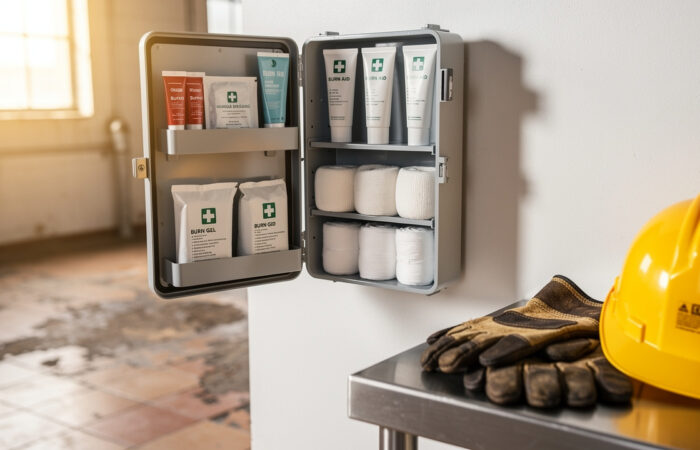
First Aid Longs manufactures burn care items and industrial first aid kits that fit hot work environments. Hydrogel burn dressings cool and cover localized contact burns on hands, arms, and forearms in one step. Tube based burn gels with lidocaine and aloe suit very small, superficial burns, while single use packets support clean, shareable kits for field crews and contractors.
For eye care, you need eyewash bottles near welding stations and any area where cleaning chemicals are handled. Saline wipes and sterile pads help remove dirt around wounds without adding irritation. In clinics and larger first aid rooms, stocking lubricating eye drops supports comfort for mild arc eye while the clinician assesses severity.
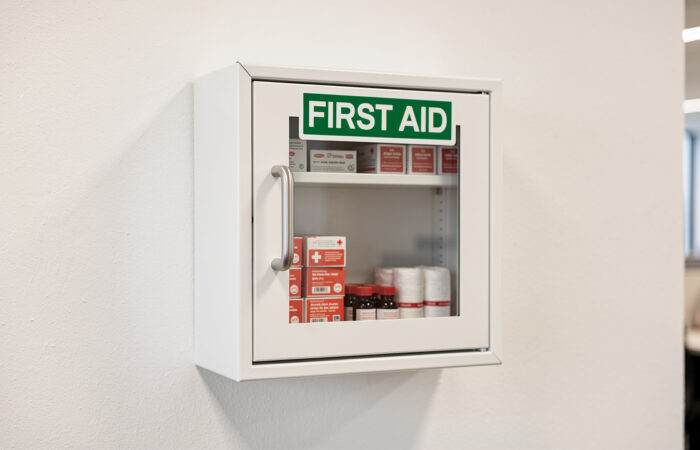
Durable first aid boxes and bags allow you to standardize contents across plants, training labs, and service trucks. First Aid Longs offers empty containers plus pre packed industrial kits, so you can match contents to your risk profile and headcount. Their in house manufacturing, cleanroom production, and low minimum order quantities help both small shops and multi site groups keep consistent supplies.
The planning table below suggests basic quantities for different locations.
| Area | Key Burn Products | Suggested Quantities Per Location |
|---|---|---|
| Welding booth or bay | Hydrogel burn dressings, small burn gel packets, gauze, nonstick pads | 2–4 hydrogel dressings, 10–20 gel packets, assorted pads and wraps |
| Mobile truck or cart | Single use burn gel packets, compact hydrogel dressing, eyewash ampoules | 1 compact dressing, 10 gel packets, several small eyewash units |
| Clinic or first aid room | Larger hydrogel dressings, burn gel tubes, eyewash bottles, saline wipes, artificial tears | Multiple sizes of dressings, several tubes, full eyewash station stock, wipe boxes |
Standardizing this layout with First Aid Longs products makes training easier because workers see the same items in every building and vehicle.
When Should Welding Burns Go To The ER Or Specialist Care?

Escalation rules for welding burns tell your teams when onsite care is enough and when to call for advanced medical help. Clear red flags protect workers, reduce liability, and avoid dangerous delays in treating serious skin and eye injuries.
The American Burn Association estimates that around forty thousand burn injuries lead to hospital admissions in the United States each year. Many involve work exposures, so written criteria and training are important for any facility that performs hot work or treats injured workers.
Escalation Criteria And Documentation For Welding Burns
For skin injuries, call EMS right away when you suspect a third degree burn. Signs include dry, leathery, or charred skin, white or black patches, or burns that cover an area larger than a worker’s palm. Burns on the face, hands, feet, groin, buttocks, or major joints, or burns that wrap fully around a limb, also belong in the emergency category.
Electrical burns, large chemical burns, any burn with smoke inhalation, breathing trouble, or confusion, and any injury larger than three inches in diameter merit urgent evaluation, consistent with findings on electromagnetic fields, electrical stimulation, and their effects on burn tissue recovery. For welding sunburn or contact burns that seem moderate, refer the worker the same day if pain worsens, blisters spread, or signs of infection such as pus, streaking redness, or fever appear. Following facility policies and local medical guidance keeps responses close to medical best practice and OSHA expectations.
Written referral pathways help supervisors act fast. Your plan might direct minor cases to an on site clinic, more serious cases to an urgent care center, and major burns to a regional burn center with ambulance transport. Documentation should capture how the burn occurred, estimated depth and size, body area, PPE used, first aid given, and whether First Aid Longs burn dressings or eyewash were used so you can review product placement during incident analysis.
When you review several incidents together, you often spot patterns such as missing screens, weak glove choices, or empty kits. That data can justify added PPE, extra welding curtains, or upgraded First Aid Longs kits across every location. Over time, your burn counts and claim costs can drop while worker confidence grows.
Conclusion
Safer welding burn management starts with understanding how injuries happen, protecting workers with strong PPE and work practices, and responding fast when burns occur. You now have clear steps for first aid, stocking kits, and deciding when care belongs in the clinic or the emergency department.
Welding burns will never disappear completely, yet standardized kits and written protocols keep most events small and recoverable. First Aid Longs supports that effort with hydrogel burn dressings, burn gels, eyewash, and industrial first aid kits shaped for hot work. Take time this week to review your welding areas, compare them with this guide, and contact First Aid Longs to close any gaps you find.