
Why do some companies sail through OSHA inspections while others scramble after surprise citations? Why do a few workplaces reach safety goals year after year while many fall short? For many employers, the answer in 2026 comes down to how early they respond to osha changes 2026, not how well they react after an incident. OSHA is sharpening its focus on heat, recordkeeping, chemicals, workplace violence, and infectious disease, and those shifts touch first aid and emergency response in every industry.
This guide explains what the major OSHA compliance changes in 2026 mean in plain language, how they affect real businesses, and what you can do now to get ready. You will see how stronger first aid, better records, and clear procedures help you protect people, limit penalties, and stay ready for an inspection.
Ready to see where you stand and what to fix next so OSHA feels less like a surprise and more like a checklist you already meet?
How Are OSHA Changes In 2026 Reshaping Employer Responsibilities?

OSHA changes in 2026 are reshaping employer responsibilities by demanding more proactive safety programs and tighter documentation. For operations and facility leaders, that means higher expectations around heat stress, chemical hazards, workplace violence, infectious disease, and accurate injury reporting.
OSHA is sending a clear message that safety is a business issue. According to Liberty Mutual, employers pay more than 1 billion dollars per week in direct workers’ compensation costs for disabling, nonfatal injuries. The National Safety Council estimates that work injuries and fatalities cost nearly 1.2 trillion dollars in 1 year for the US economy. The U.S. Government Accountability Office has also reported that underreporting and poor data quality can hide real injury trends from both employers and regulators.
Here is why that matters. Alongside those incident costs, OSHA penalties now reach roughly 16,550 dollars per serious violation and up to 165,514 dollars for willful or repeated violations, based on OSHA penalty tables. Poor records, weak programs, or obvious hazards can turn a single inspection into a six figure event.
For sectors like construction, manufacturing, warehouses, food production, healthcare, hospitality, schools, and event venues, osha changes 2026 bring more inspections and deeper questions. Inspectors are looking not only at whether you have written programs, but also at whether your logs, first aid supplies, and training match the risks on the floor.
Key 2026 OSHA Priorities You Cannot Ignore
Key OSHA priorities in 2026 focus on predictable high harm hazards and better use of data. Employers that understand these themes can target their efforts instead of guessing.
Key areas that sit at the center of osha changes 2026 include:
Heat illness prevention for indoor and outdoor work
Heat stress is moving toward a federal standard that will cover construction sites, farms, warehouses, commercial kitchens, gyms, hotel laundries, and more. Inspectors will expect water, rest, shade or cooling, acclimatization for new or returning workers, and clear rules on when to call EMS. Written heat plans and training records will carry real weight during an inspection.Expanded injury and illness recordkeeping with more public data
Many high hazard employers already must file OSHA Forms 300A, 300, and 301 through the Injury Tracking Application. By 2026, enforcement of those rules and the use of that data will grow. Late or missing submissions can lead to citations, and high incident rates in that data can push your site to the top of the inspection list.Updated Hazard Communication and new focus areas
The Hazard Communication Standard is aligning with GHS Revision 7, which changes some classifications, labels, and SDS content. At the same time, OSHA is raising expectations around workplace violence programs, especially in healthcare and public facing sectors, and around infectious disease planning based on lessons from COVID 19. All of these shifts raise the bar for training, first aid, and emergency readiness.
“The safety of the people shall be the highest law.”
Marcus Tullius Cicero
What Are The Most Important OSHA 2026 Rule And Enforcement Changes To Watch?
The most important OSHA 2026 changes to watch center on heat, electronic records, chemical communication, and higher risk tasks. These rule updates sit alongside more targeted inspections powered by the injury data you submit.
OSHA is moving toward a national Heat Injury and Illness Prevention Standard that applies indoors and outdoors. General industry, construction, agriculture, maritime, warehouses, supermarkets, hotels, hospitals, gyms, and event venues should expect specific rules for water, rest, shade, acclimatization, and heat training.
Electronic injury and illness recordkeeping is another major focus. Since 2024, many high hazard employers must submit detailed OSHA log data through the ITA system. In 2026, expect more audits of those submissions and more public access to that data, which can affect bidding, brand reputation, and labor relations.
Hazard Communication updates that track GHS Revision 7 will continue into 2026. That means new label elements, revised SDS content, and training updates for workers who handle chemicals, from plant operators to housekeeping teams. At the same time, OSHA is pushing National Emphasis Programs on hazards such as heat, falls, warehousing operations, silica, and trenching.
Heat, Recordkeeping, Chemicals, And High-Risk Work What Is Changing?

Several technical areas inside osha changes 2026 deserve special attention because they link directly to serious harm and inspection risk.
Heat illness prevention in more workplaces
The expected federal heat standard will combine simple ideas such as water, rest, and shade with more formal steps. Employers will need written heat plans, acclimatization schedules, symptom monitoring, and clear EMS activation rules. This applies not just to road crews and farms, but also to warehouses, factories, food plants, kitchens, gyms, and hotel or hospital support areas.Stronger recordkeeping and data use
High hazard industries must submit Forms 300A, 300, and 301 electronically, and OSHA will use that data to find outliers. Posting deadlines for 300A and March 2 ITA submission dates will matter much more. Remote and hybrid worker injuries must be logged based on the establishment they report to or where the event occurs, which catches many employers by surprise.Hazard Communication, inspections, and high risk tasks
Aligning the Hazard Communication Standard with GHS Revision 7 means updated chemical classifications, labels, and SDS documents across manufacturing, labs, auto service, food production, and maintenance. Inspectors will pair that with an emphasis on falls, warehousing operations, silica exposure, and trenching and excavation work. Poor controls or missing documentation in any of these areas can quickly lead to expensive citations under the 2026 enforcement posture.
How Can You Prepare Your Safety Program For OSHA Compliance Changes In 2026?
You can prepare your safety program for 2026 by running a focused gap review against the new priorities, then tightening written procedures, training, monitoring, and emergency response. The goal is not a brand new system, but a smarter version that reflects current OSHA expectations.
Start by checking whether your hazard assessments clearly cover heat, updated HazCom rules, workplace violence, infectious disease, and lone or remote workers. Many programs still focus mainly on traditional risks such as machines, falls, and electricity, while heat or violence get only a short mention.
Next, compare what is on paper with what actually happens on the floor:
Do workers know where first aid cabinets and eyewash stations are?
Are heat checks and breaks actually happening in hot seasons?
Can you pull training and drill records within a few minutes?
If your written program calls for hourly heat checks or monthly kit inspections, but staff cannot show records, inspectors will notice that gap quickly.
Do not forget to use OSHA support programs. The free On Site Consultation Program and help from Compliance Assistance Specialists, promoted by OSHA, can help smaller employers test their programs without starting from zero.
Practical 2026 Compliance Roadmap You Can Start Now

A simple roadmap helps you move from concern about osha changes 2026 to clear next steps your team can follow.
Step 1 Run a focused gap analysis
Look at heat, recordkeeping, HazCom, workplace violence, infectious disease, and lone workers across all locations.
Review policies, training, and on the ground practice, not just binders.
Make a short list of the highest risk gaps where serious injury or fast citations are most likely.
Step 2 Refresh and align written programs
Update heat illness procedures so they cover water, rest, shade, acclimatization, and EMS rules.
Bring your Hazard Communication program up to current GHS terms, labels, and SDS formats.
Add or strengthen workplace violence and infectious disease plans where staff face the public, and include remote and lone work in hazard reviews and emergency contacts.
Step 3 Tighten training and drills
Aim training at real roles such as construction crews, warehouse pickers, nurses, front desk staff, teachers, and office support.
Use short, scenario based refreshers on heat symptoms, threatening behavior, infection control, and how to use first aid equipment.
Practice emergency response so workers know who does what when something goes wrong.
Step 4 Improve monitoring and recordkeeping
Audit OSHA logs and ITA submissions for accuracy and timeliness before inspectors do.
Walk high risk operations such as falls, trenching, silica tasks, and heavy machinery on a schedule and record findings and fixes.
Use patterns in incident and first aid data to guide extra training or engineering changes.
Step 5 Use OSHA cooperative programs
Reach out to the On Site Consultation Program for a fresh set of eyes on key hazards without penalty, as long as you fix serious issues.
Talk with Compliance Assistance Specialists about changes that affect your sector.
Early contact shows good faith effort and can make osha changes 2026 feel more like a plan than a threat.
Why A Strong First Aid And Emergency Response Program Matters Even More In 2026

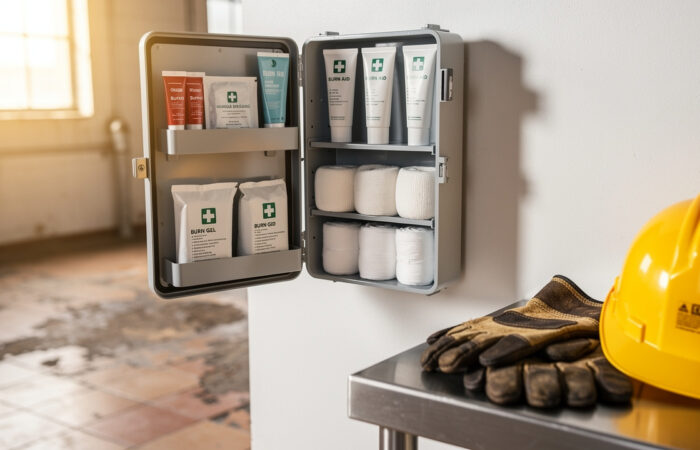
A strong first aid and emergency response program matters more in 2026 because OSHA is tightening attention on how fast you respond when something goes wrong. Under 29 CFR 1910.151(b), employers must have adequate first aid supplies readily available and trained help when medical care is not near.
OSHA does not give a strict contents list, so inspectors often lean on ANSI/ISEA Z308.1 2021 as the practical guide for what “adequate” looks like in the field. That standard lays out Class A and Class B kits for lower and higher risk settings, and many officers expect to see kits that match it.
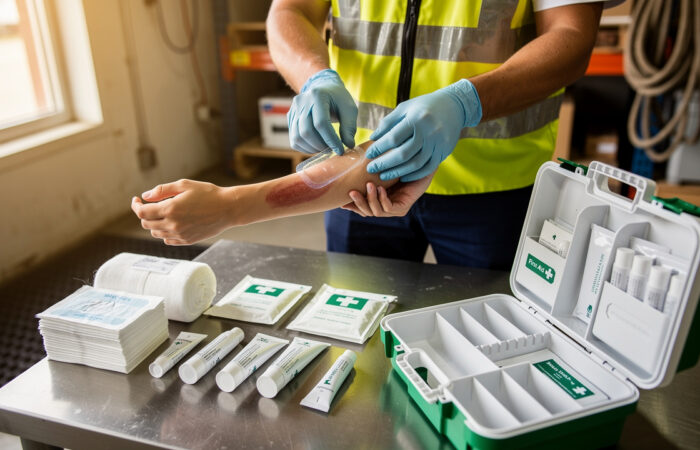
The Bureau of Labor Statistics reports millions of nonfatal workplace injuries each year in the United States. Every one of those cases is easier to manage when the right supplies and trained people are close by. Heat events, chemical splashes, cuts, sprains, violence incidents, and sudden illness all demand fast action.
Here is the key. As osha changes 2026 roll in, inspectors will connect the dots between your hazard profile and your first aid setup. A hot warehouse without electrolyte drinks or cooling packs, or a lab without eyewash and burn care, tells a story about how seriously you take safety.
Tip from safety pros: “Inspect your first aid cabinets as often as you inspect your fire extinguishers.”
Building An OSHA-Ready First Aid System For 2026

An OSHA ready first aid system for 2026 combines the right kits, smart placement and maintenance, and enough trained responders to cover every shift.
Choosing the right kits and locations
Start with a hazard assessment that looks at tasks, chemicals, heat, and distance to outside medical care.
Use ANSI Class A kits for offices and low risk areas, and Class B kits for construction, plants, warehouses, gyms, and any site with higher injury potential.
Place cabinets and portable kits where workers can reach them within a few minutes, including in vehicles and remote spots.
Maintaining and checking kits on a schedule
Set a routine, such as monthly checks, to confirm contents are present, sealed, and within date.
Use simple logs or digital checklists so you can show inspectors when each kit was last reviewed.
Replace used items quickly so you never face an incident with half empty cabinets or expired eyewash or burn gel.
Training enough responders for each shift
Make sure multiple workers per shift know basic first aid, CPR where needed, and how to use items in your kits and AEDs.
Tie first aid roles into emergency action plans for heat, chemicals, violence, and illness.
When someone calls for help, staff should know exactly who responds, what they grab, and who calls 911.
Why Choose Us To Help You Navigate OSHA Changes In 2026
Choosing a reliable first aid manufacturer makes osha changes 2026 far easier to handle across one site or many. A direct producer with OSHA aligned products can help you match kit contents, locations, and restocking plans to your hazards without guesswork.
Look for a partner that can:
Manufacture to ANSI/ISEA Z308.1 2021 standards
Offer Class A and Class B kits for different risk levels
Provide wholesale and OEM options for multi site operations
Support quick restocking so kits stay inspection ready
Help you standardize first aid while adjusting for each facility type
When your first aid cabinets match your hazard profile, you walk into OSHA inspections with more confidence, and your teams have what they need when seconds count.
How Our First Aid Solutions Support OSHA Compliance In 2026
First aid and emergency readiness sit at the center of OSHA expectations for 2026, and this is where First Aid Longs focuses its effort. The company designs ANSI compliant Class A and Class B kits around OSHA and ANSI/ISEA Z308.1 2021, so you are not guessing what “adequate” means for your sites.
Products cover industry specific needs for construction, manufacturing, warehouses, laboratories, food service, marine work, outdoor and agriculture, schools, sports facilities, and healthcare. Alongside general first aid, you can source eyewash, burn gels for different burn severities, blue bandages for food lines, and wound care supplies in many formats. Durable cabinets, vehicle kits, and empty containers for custom builds give you options for every location and risk level.
From a business side, First Aid Longs offers direct manufacturer pricing, long shelf life, and packaging that holds up in real work conditions. Medical products come from a 100K Class Cleanroom, which supports consistent quality and hygiene for items that workers use on open wounds and sensitive eyes. Orders can scale from small batches for a single campus to large wholesale runs for national operations, with OEM options for contents, branding, and case design. Refill and component programs help you keep multi site operations ready for audits without staff chasing missing items.
If you want to line your first aid program up with osha changes 2026 and keep audits less stressful:
You can explore ANSI-compliant first aid kits and wholesale medical supplies to match kits to each facility type.
When you are ready to standardize cabinets and restocking, you can also review customizable first aid cabinets and refill options and build a plan that supports your OSHA compliance goals for 2026 and beyond.
Buying your first aid cabinets, refills, and medical supplies from First Aid Longs gives you a simple way to keep sites stocked, aligned with ANSI guidelines, and ready for OSHA’s next round of questions.
In Summary
OSHA changes 2026 reward employers that move early on heat, recordkeeping, chemicals, workplace violence, infectious disease, and lone worker risks. Waiting for a final rule or an inspector at the door leaves you exposed to higher incident costs, stiff penalties, and reputational harm.
By updating hazard assessments, written programs, training, and monitoring, you build a safer place to work and a stronger story to tell during any OSHA visit. First aid and emergency response are a big part of that story, because they show how you protect people when hazards slip through.
A well planned, ANSI aligned first aid system, backed by a dependable wholesale manufacturer like First Aid Longs, makes it easier to keep every location audit ready. Now is the time to review your current setup, close gaps in kits and procedures, and align your medical supplies with osha changes 2026 so safety, compliance, and business performance all move in the same direction.