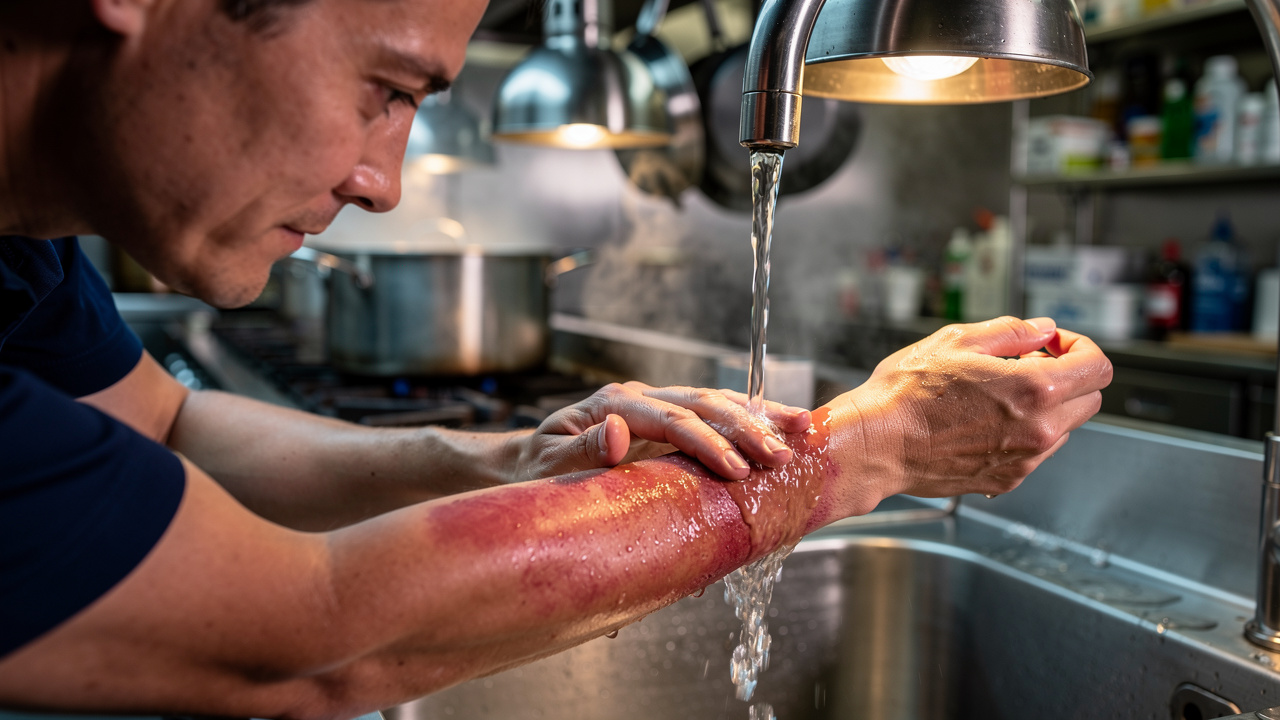
Steam and scald burns often look small, yet the pain can last for hours and ruin a workday. Effective steam burn first aid can turn a frightening incident into a minor injury that heals cleanly. In busy plants, kitchens, warehouses, and schools, fast, clear steps for steam and scald burn treatment protect people and reduce downtime. This article explains what these burns are, how steam burn healing stages progress, and how to standardize your response.
You will see how steam and scald burns differ from simple hot surface contact and why they often cause deeper damage. We will walk through practical, step-by-step steam burn first aid, including how long to cool, how to cover the wound, and what pain patterns to expect. You will also see when to call 911, how to spot infection, and how to stock kits across sites.
First Aid Longs supports organizations that want consistent burn care supplies at scale, so we will touch on its role in multi-site readiness. By the end, you can review your current procedures, compare them with best practice, and update training and kits with confidence.
What is a steam or scald burn and why does it matter at work?
A steam or scald burn is a heat injury from very hot vapor or liquid that contacts the skin, and steam can cause deeper skin injury than its brief contact may suggest because it releases heat as it condenses on the skin. In workplaces this kind of burn most often affects hands, arms, face, and upper body, where staff reach into steamers, open valves, or handle hot dishes. Steam can be hotter than boiling water and moves quickly, so tissue damage builds in seconds and can keep getting worse even after contact stops. For employers, each incident can mean lost shifts, workers’ compensation claims, OSHA attention, and unhappy customers or students, so understanding this risk is a basic part of safety planning.
How steam burns damage skin: degrees and depth
Steam burns damage skin in layers, and the degree of burn tells you how deep the injury goes.
To make assessment easier, teach staff to look for:
First degree burns
Only affect the outer skin
Redness, mild swelling, and soreness
No blisters
Usually heal in a few days with simple care
Second degree burns
Reach the next layer of skin
Strong pain, clear blisters, and wet-looking skin
May take 1–3 weeks to heal
Higher infection risk and more chance of scarring
Third degree burns
Go through the full thickness of skin
Areas that look white, brown, or black with a dry, leathery feel
Often less painful than they look because nerves are damaged
Always need emergency care
One incident can include all three depths in different spots, so when in doubt, treat the burn as more serious and arrange medical review.
Step-by-step steam burn first aid you can standardize
Step-by-step steam burn first aid follows a simple pattern that you can turn into a standard procedure for every site. First, stop the heat by moving the worker away from steam or hot liquid and shutting equipment down safely. Next, cool the burned area with cool running water as soon as possible, protect the skin with clean dressings, and manage pain with approved medicines. Finally, monitor the worker for several hours, since steam burn pain often pulses for a long time and breathing or shock problems can appear after the first rush.
Stop the burning and make the scene safe

Stopping the burning and making the scene safe means getting the person away from heat without adding new hazards.
Key steps include:
Move them out of the steam cloud, away from a boiling pan, or off a wet slippery floor, as long as you are not walking into danger yourself.
Shut off valves, switches, or steam lines using lockout and tagout procedures so no one else is hit by a surprise release.
If clothing catches fire, have the person stop, drop, and roll or cover them with a fire blanket.
For hot chemical liquids, follow the safety data sheet while still using large amounts of water to flush the area, unless the sheet says otherwise.
Make sure staff know their role: who hits the emergency stop, who helps the injured person, and who calls for outside help if needed.
Cool the burn fast and correctly
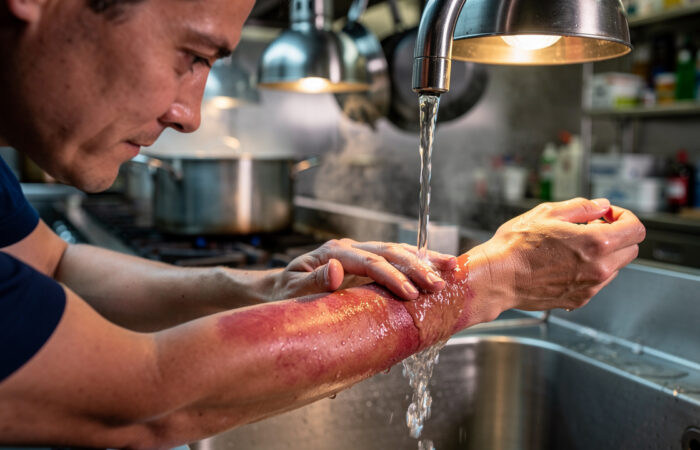
Cooling the burn is the single most effective step to limit how deep steam damage goes. Place the burned area under cool running tap water for at least 20 minutes, and start as soon as you can, since a systematic review and meta-analysis of moist wound healing strategies shows this cooling window still helps even hours after injury. In many sites you can use eyewash stations, safety showers, or utility sinks to get steady flow over hands, forearms, or even the whole body, while being careful to keep the worker warm overall.
Keep these points in mind:
The water must feel cool, not icy, so avoid ice cubes, frozen packs, or ice water, which can deepen damage and cause hypothermia.
For hard-to-reach areas such as face, neck, or joints, use clean cloths soaked in cool water and change them often so the temperature stays low.
If someone burns the inside of the mouth with hot liquid or food service steam, have them sip cool water or let small ice chips melt and move around, rather than pressing ice in one spot.
Remove rings, watches, bracelets, and tight clothing near the burn during cooling to prevent restriction as swelling develops.
Document when cooling started and ended. This record helps later medical providers understand how the injury has been managed.
Protect, relieve pain, and monitor afterward
After cooling, steam burn first aid shifts to protecting the skin, easing pain, and watching for change.
A simple sequence works well:
Gently pat the intact skin around the burn dry with a clean cloth.
Leave any stuck fabric in place and cut around it rather than pulling it off.
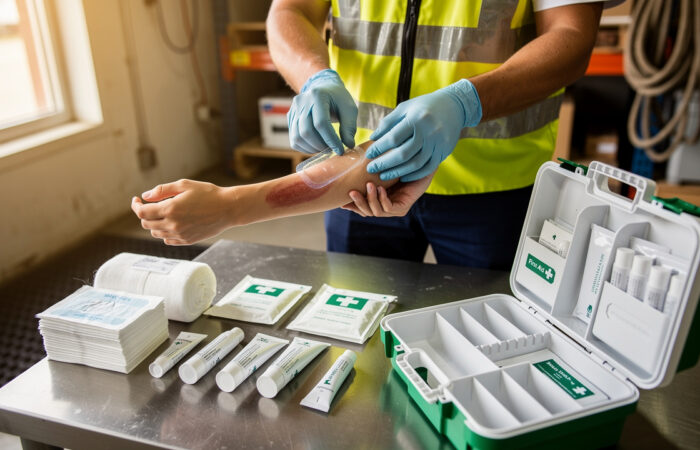
Place a sterile, non-stick, loose dressing or burn pad over the area instead of wrapping it tightly, since biocompatible hydrogels as smart dressings have been shown in a systematic review and meta-analysis to support better burn healing outcomes.
Within your workplace medical policy, offer over-the-counter pain relievers such as ibuprofen or acetaminophen, record what was given and when, and explain that throbbing pain can last for hours but should slowly ease.
Keep an eye on the worker for pale, sweaty skin, fast pulse, confusion, or breathing trouble, and be ready to call 911 and hand over clear notes if their condition worsens.
Make sure injured staff know who to report to, how to request a recheck, and which symptoms should prompt immediate medical care.
What not to do: common steam and scald burn mistakes
Common mistakes during steam and scald burn care often make injuries worse or confuse later medical treatment. Many people grew up hearing home tips that involve butter, toothpaste, or ice, and these habits can easily appear on your shop floor or in your cafeteria. Clear workplace rules need to state that staff must cool with water first, use approved products only, and call for help early rather than spending time on experiments. Training, toolbox talks, and simple posters near boilers, dish rooms, and autoclaves help keep these rules in front of everyone.
Some actions seem soothing but actually drive heat deeper into skin and raise infection risk. Using ice or frozen packs directly on a burn slows blood flow and can cause frost damage on top of the steam injury. Spreading butter, oils, toothpaste, or kitchen products on a fresh burn traps heat, adds germs, and makes it harder for doctors to see the true damage.
Other mistakes interfere with normal healing or make later care more painful than it needs to be. Popping blisters removes the body’s own natural dressing and opens a straight path for bacteria into tissue. Pulling off clothing stuck to the burn tears fragile skin, so staff should cut around stuck areas and avoid placing sticky dressings or adhesive strips directly over the open wound.
Practices that worsen burns or slow healing
Several specific practices should appear on a do-not list in every burn procedure and on wall signs near high-risk tasks.
Staff should never:
Use ice, ice packs, butter, oils, toothpaste, or other pantry items on a burn, because these either freeze tissue or seal in heat and germs.
Apply creams or gels before at least 20 minutes of water cooling has finished.
Use non-approved products that are not part of your workplace first aid supplies.
Break or pick at blisters.
Pull off clothing stuck to the skin instead of cutting around it.
Place adhesive bandages directly over the burned surface.
Cool very large burns for too long with cold water, which can lead to body-wide chilling, especially in children and older adults.
Make these rules part of new-hire training and safety refreshers so good habits become routine.
Steam burn healing stages and when to call for medical help
Steam burn healing stages follow a pattern, and knowing that pattern helps you explain what workers can expect and when to worry. Right after the incident, pain, swelling, and redness are usually strongest, then over days the injured area dries, peels or scabs, and finally starts to itch and tighten as new skin grows. Minor injuries often heal with simple on-site steam burn first aid, while deeper or larger burns need urgent medical care from an emergency department or burn clinic. Clear rules about emergency signs, infection, and high-risk staff keep your supervisors from guessing during stressful moments.
Teams benefit from simple, written pathways that turn medical warning signs into clear actions. For example, your procedure can state that any burn larger than a worker’s palm, any burn on the face or over a major joint, or any injury with white or black patches must lead to emergency care. Another rule set can direct staff to seek same-day clinic review for second degree burns on hands and feet or for workers with diabetes or poor circulation, while very small, first degree burns can usually stay under on-site monitoring.
How do minor steam burns usually heal?
Minor steam burns usually move through a few clear stages that you can describe to workers and managers:
First degree burns
Stay red and sore, with pain peaking in the first hours
Pain usually calms over 1–2 days
Full healing in 3–6 days with good protection
Small second degree burns
Form blisters and hurt more at first
Then dry into a scab-like surface
Often heal in 1–3 weeks if kept clean and covered
Across both types, workers can notice:
An early phase of intense pain and swelling
A peeling or scab phase
A stretch of itch and tightness as new skin forms
A slow return toward normal color over several weeks
Pain that keeps rising after 48 hours, or returns sharply after it had eased, should trigger medical review.
When steam burns are an emergency
Steam burns count as emergencies when size, location, depth, or breathing problems raise the risk of lasting harm.
Call 911 or send the worker to the emergency department when:
The burn is larger than about 3 inches across or covers a large area.
The burn wraps fully around an arm, leg, or finger.
The burn affects the face, eyes, ears, hands, feet, genitals, buttocks, or major joints.
The skin looks white, brown, black, charred, or leathery.
There is steam exposure to the mouth or airways followed by trouble breathing, wheezing, or a hoarse voice.
The injured person is a child, older adult, pregnant worker, or someone with major health problems such as heart disease, lung disease, or a weak immune system.
Do not delay emergency care while you sort out paperwork. Basic cooling and loose covering can happen while help is on the way.
Watching for infection and delayed problems

After the first bandage goes on, supervisors and first aiders should keep watching for infection or other delayed problems. Over the next few days, growing redness, new warmth, swelling, yellow or green fluid, a bad odor, fever, or a general unwell feeling all suggest that bacteria are now part of the picture, echoing the causes, treatment, and prevention guidance on recognizing complications after a steam burn. Any blister that breaks, whether at work or at home, becomes a possible doorway for germs, especially on dirty or wet jobs in construction, food processing, or agriculture. Documented follow-up checks during the first week, especially for burns on hands and joints, help catch stiffness, limited movement, or infection early enough for a clinic or specialist to act.
Encourage workers to report:
Increased pain after an initial period of improvement
Difficulty moving fingers, wrists, elbows, or knees near the burn
Numbness, tingling, or color changes in the affected limb
These reports help you intervene before long-term problems set in.
Building steam burn readiness with First Aid Longs

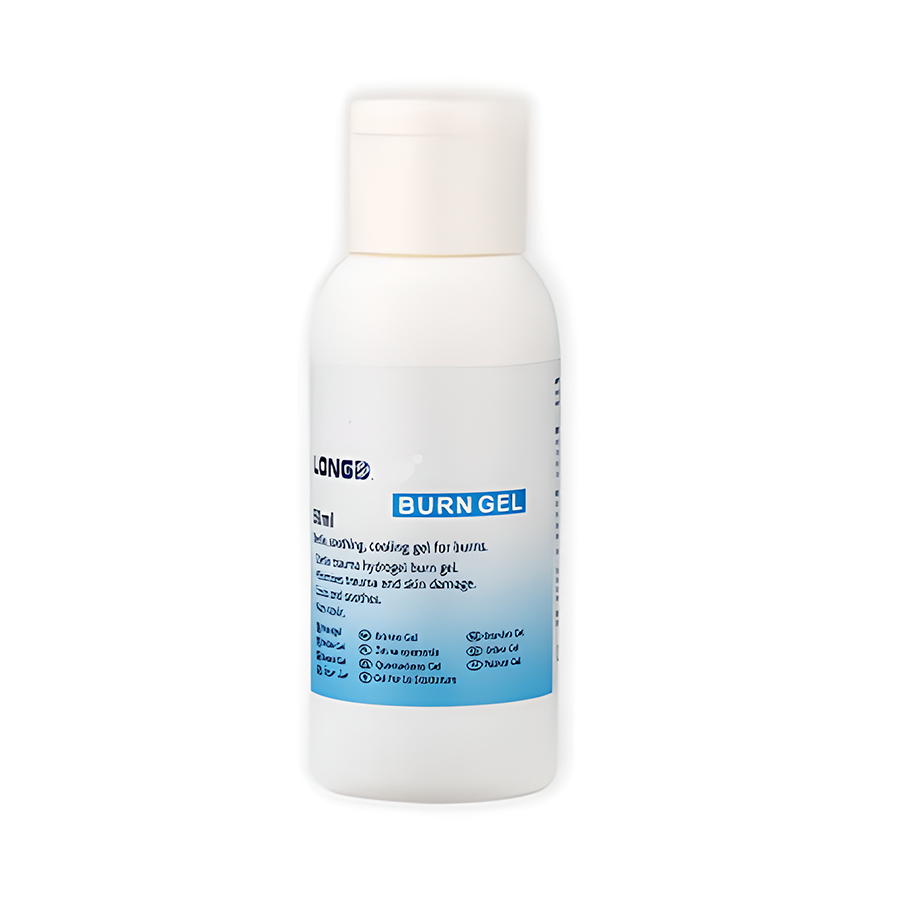
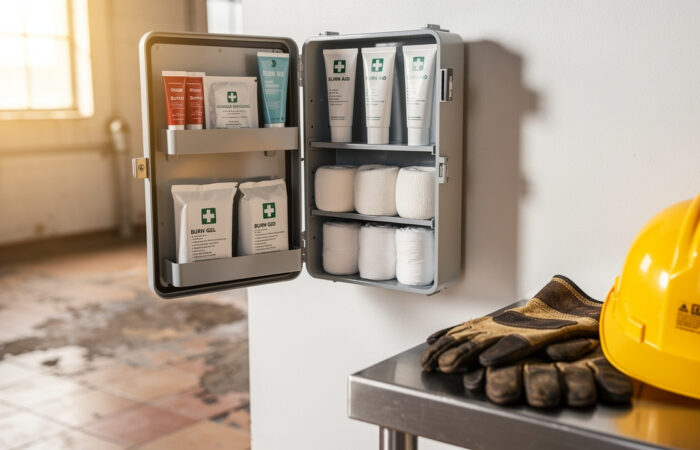
Building steam burn readiness means linking good procedures with the right stock in the right places across your sites. Each boiler room, production line, kitchen, or school lab needs clear instructions for steam burn first aid, plus enough burn dressings, cool water access, and pain medicines to follow those steps without delay. That planning should match your risk profile, so a hotel laundry or hospital sterilization room may need stronger coverage than a quiet office. First Aid Longs supports this kind of risk-based stocking by offering burn gels, hydrogel dressings, eyewash stations, and customizable first aid kits that fit food service, manufacturing, education, and fitness settings.
Matching your burn risks to the right supplies and placement
Matching burn risks to supplies begins with mapping where steam and scald hazards actually sit in your buildings.
You can organize planning around:
High-heat zones
Commercial kitchens, food lines, school cafeterias, science labs, boiler rooms, spas, and therapy pools
Need fast access to burn gels, hydrogel dressings, larger burn pads, and eyewash for overlapping eye and chemical risks
Food service areas
Often benefit from extra burn dressings, hydrogel pads, and bright blue bandages that are easy to see if they fall near food
Supplies should sit close to cook lines, coffee stations, and dish areas for quick reach
Industrial and maintenance spaces
May require larger dressings, eye and face wash units, and kits that can be taken quickly to machinery, steam lines, and valve banks
Clear step cards packaged with these products, showing simple directions such as cool with water, cover, and call for help, guide staff through the tense first minutes after a burn.
How First Aid Longs supports consistent, multi-site readiness
How you buy and standardize supplies matters when you manage several plants, stores, or campuses. This platform offers wholesale burn gels, hydrogel dressings, eyewash units, saline wipes, and first aid kits that you can configure by headcount and hazard, then repeat across locations. The company helps plan how many units to mount near each risk zone and how to label and brand kits for schools, gyms, hotels, factories, and warehouses so local teams know exactly what each box contains. Because products come from controlled manufacturing with reliable delivery and positive customer feedback, safety leaders can focus on training and audits instead of chasing missing or inconsistent stock.
In summary
Steam and scald burns are common in everything from commercial kitchens and car shops to school labs and hotel laundries, and they often hurt far more than they look. Simple, consistent steam burn first aid can limit tissue damage, lower infection risk, and shorten time away from work for your teams. The key steps stay the same across industries: stop the source without adding new danger, cool with running water for at least 20 minutes, cover with clean non-stick dressings, manage pain within policy, and keep monitoring for breathing or shock problems.
Clear rules about when to call 911, when to send someone to urgent care, and how to watch steam burn healing stages give supervisors the confidence to act fast. This is also the time to review where your current burn kits sit, how they are stocked, and how well they match real-world hazards. By pairing strong procedures with sector-specific stocking and multi-site standardization from partners like First Aid Longs, organizations across manufacturing, food service, education, health care, and fitness can reduce the impact of these painful but often preventable injuries.
Secure Reliable Burn Gel Supplies Today!
Order our high-quality wholesale burn gels made with safety standards to stabilize your healthcare operations.