Minor rope or rug burns at work can turn into big problems when infection, scarring, and time off follow a rushed first aid response. Understanding friction burn healing stages helps managers see which injuries are safe to manage on site and which need urgent care. In busy warehouses, gyms, hotels, and schools, that knowledge links directly to safety records, workers’ compensation costs, and OSHA or state plan expectations.
Friction burns happen when skin scrapes and rubs hard against a surface such as rope, carpet, rubber mats, or moving machinery. The injury combines abrasion and heat, so the skin passes through clear healing phases that can move smoothly or stall. This article explains friction burn healing stages for rope, rug, and mat or machine injuries, outlines typical timelines, and connects each step to practical actions.
You will also see how standard first aid supplies and simple checklists keep healing on track across every site. First Aid Longs supports many US organizations with burn ready kits, so the examples here fit real facilities, not textbook scenarios.
Key takeaways
Busy safety leaders can scan these points before reading the full guide.
Friction burn healing stages show whether a rope, rug, or machine burn is following a normal pattern or drifting toward trouble. When supervisors understand what each stage looks like on the skin, they can document injuries accurately. Clear staging also supports OSHA logs, workers’ compensation files, and return to work discussions.
Typical friction injuries on hands, knees, and elbows close in days to weeks, depending on depth, size, and location. Superficial burns from carpet or light rope use often heal within 1 week. Deeper mat or conveyor burns can run 3 weeks or longer and may need clinic care.
Correct first aid in the first minutes, followed by clean, non stick dressings, shortens the painful early stage and protects new tissue. Consistent protocols across gyms, warehouses, and offices reduce guesswork for supervisors. Simple red flag rules highlight when to send staff or guests to occupational health, an urgent care clinic, or a burn center.
What are friction burns at work and why do healing stages matter?
Friction burns at work are injuries where skin is scraped and overheated by fast contact with a surface such as rope, carpet, rubber matting, or moving machinery, and clinical guidance on friction burn management outlines how these combined injuries should be assessed and treated. These wounds combine abrasion with heat damage, so they behave differently from simple cuts or pure flame burns. Knowing the friction burn healing stages helps managers judge how serious an injury is, how long it may limit duties, and whether it belongs in a clinic instead of the break room. Clear staging also supports consistent incident reports, helps doctors understand what happened on site, and gives workers a realistic picture of recovery.
Typical workplace causes of rope, rug, and mat/machine burns
Across US workplaces, rope burns often appear on palms and fingers during rigging, lifting, or tie down tasks in warehousing, construction, and shipping yards. Rug and carpet burns follow slips, trips, and falls in hotels, offices, schools, and hospital corridors, especially when someone slides on knees or elbows. Mat and machine burns show up where treadmills, conveyors, rollers, and balers are present, including fitness centers, distribution hubs, and production lines. The rougher and faster the surface, the more likely the burn is deep, dirty, and prone to infection or scarring.
How burn depth affects healing stages and time
Burn depth sets the pace for every healing stage, from early inflammation to long term scar shaping. Research on moist wound healing strategies shows superficial friction burns that look red and sore without blisters often clear in 2 to 6 days with no scar when managed correctly. Partial thickness burns involve blisters and a wet, shiny surface and may need 2 to 3 weeks or more to close fully. Full thickness damage can look white, brown, or leathery, may feel numb in the center, and usually needs surgery and skin grafts instead of simple dressings. Machine related burns from conveyors or treadmills often fall into this deeper group, so they deserve fast medical evaluation.
What are the main friction burn healing stages?

The main friction burn healing stages follow the same biology seen in other wounds, but workplace injuries create extra risks from debris, pressure, and repeated rubbing. Every rope, rug, or mat burn moves through an inflammatory phase, a proliferation phase, and then a remodeling phase. In simple cases, the skin passes from redness and swelling to scab and itch, then to pink new skin and, finally, a faded scar. When infection, poor cleaning, or repeated friction interfere, each stage stretches out, and the chance of long term problems rises. Understanding which phase a worker is in helps supervisors plan safe duties, schedule dressing changes, and track steady progress instead of guessing.
Inflammatory phase first hours to about day 3 to 5
In the inflammatory phase, the body reacts to friction damage with rapid blood flow changes, swelling, heat, and pain. Rope, rug, and mat burns in this stage look red, puffy, and often wet, and second degree injuries may raise clear blisters. Good first aid here is simple cool running water, gentle cleaning to remove loose fibers or grit, and a light non stick cover. Using ice, harsh scrubbing, butter, or thick ointment at this point can deepen tissue damage and keep the inflammatory phase going longer than needed.
Proliferation phase days to weeks as new skin forms
During the proliferation phase, the body builds new tissue and tiny blood vessels while skin cells grow in from the edges to cover the wound. Pain and swelling usually drop, and the surface becomes a scab or a moist pink bed that sometimes itches. For rope and rug burns, this is often when workers feel much better and try to skip dressings, yet clean, slightly moist coverage still protects fragile new skin. If redness, pain, ooze, or bad odor increase instead of fading, the wound may be stuck between inflammation and proliferation because of infection.
Remodeling phase weeks to months of scar shaping
In the remodeling phase, collagen fibers in the healed area rearrange and slowly gain strength, though they rarely match uninjured skin. The visible changes include pink or darker new skin that gradually lightens, and, after deeper mat or machine burns, firm or raised scars. When scars lie across knees, elbows, wrists, or ankles, workers may notice tightness, stiffness, or limits in reach. Early therapy, scar massage, and modified tasks during this phase help protect strength and range of motion.
How long do rope, rug, and mat/machine burns usually take to heal?

Healing time for friction burns depends more on depth, size, and location than on whether the cause was rope, carpet, or a treadmill belt. Superficial injuries often pass through all friction burn healing stages in less than 1 week and leave little or no trace. Partial thickness burns around joints, or those with heavy debris, may need 2 to 3 weeks or longer before the skin is strong enough for full duty. Full thickness friction burns, which sometimes follow machine entrapment or high speed falls, need specialist care, and recovery can stretch over months. Repeated rubbing, poor dressings, smoking, diabetes, and infection all slow this process and extend every stage.
Rope burn healing stages and expected timeframes
Rope burns usually strike palms, fingers, and forearms where fibers slide fast under load. In mild cases, day 1 brings sharp pain, redness, and maybe shallow abrasions, followed by a dry or lightly crusted surface by day 2 or 3. With clean protection, these superficial rope burns often complete their friction burn healing stages in 3 to 7 days, leaving only brief peeling or color change. Deeper rope burns from heavy loads or high speed winches can strip skin, raise blisters, and stay sore for 2 to 3 weeks while grip strength slowly returns. During that period, workers may need light duty that limits lifting, tool use, and driving.
Rug burn healing stages in offices, hotels, and schools
Rug and carpet burns show up after someone slides along flooring during a slip, trip, or playful tackle in corridors or guest rooms. Early hours feel like strong stinging with bright red, scraped skin on knees, elbows, or hands, then a scab usually forms over 2 to 4 days. Many superficial rug burns close fully within 4 to 10 days, especially when cleaned well and covered with non stick dressings. Larger or deeper areas, packed with carpet fibers or dust, can need 2 to 3 weeks and careful cleaning to avoid permanent dark specks in the skin. For children and guest facing staff, even short term discoloration or tenderness can affect comfort, confidence, and attendance.
Mat and machine burn healing time in gyms and industrial settings
Mat and machine burns from treadmills, conveyors, rollers, and balers often look more dramatic because they combine friction, heat, and embedded debris. Superficial mat burns on shoulders, backs, or knees may settle in 7 to 14 days, and emerging research on protein-mimic hydrogel dressings supports their role alongside good hygiene in speeding closure. Deeper partial thickness or full thickness burns from trapped hands or limbs can take many weeks and may require debridement, skin grafts, and long rehabilitation. Workplace policies should treat any machine related friction burn as higher risk and send the injured person for early medical assessment, even if the surface seemed clean.
How should you support each healing stage with first aid and dressings?
Supporting friction burn healing stages means matching your on site actions to what the skin is doing underneath. In the early inflammatory hours, the goal is gentle cooling, cleaning, and protection. During proliferation, you want clean, slightly moist coverage that shields fragile tissue while workers return to safe tasks. In the remodeling phase, attention shifts to stretching, scar care, and avoiding fresh friction that might crack new skin.

A simple way to brief supervisors is to link key actions to each phase.
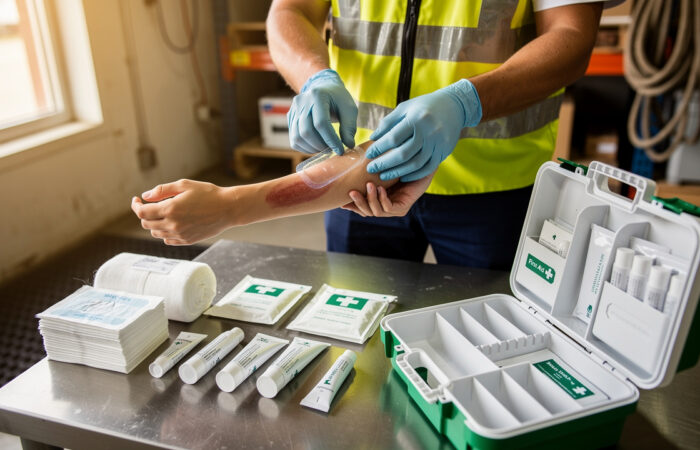
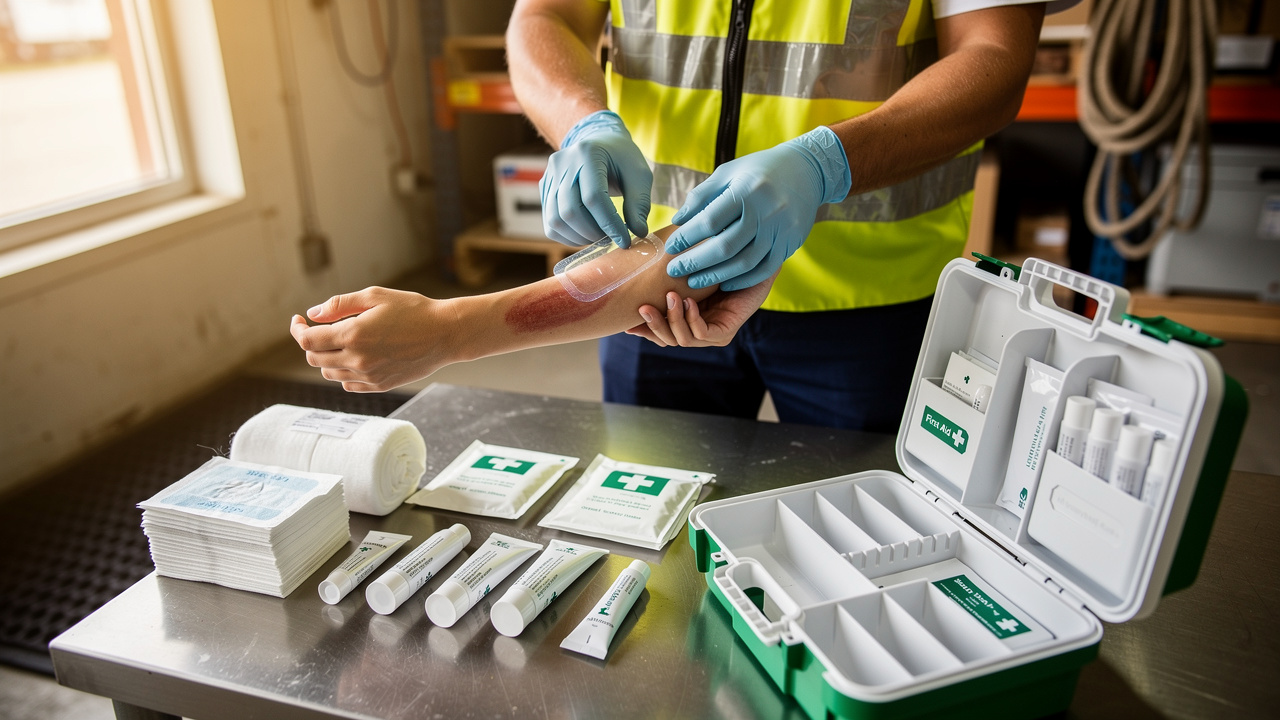
In the first hours, focus on stopping the source, cooling with tap water, and removing rings or tight gear before swelling starts. Gentle cleaning with mild soap and water clears loose fibers and dirt without grinding them deeper. A non stick sterile pad or hydrogel dressing then protects the area while you arrange transport or observation.
As days pass and a scab or moist pink surface appears, keep the wound clean, lightly moist, and covered. Plan dressing changes when pads get wet or soiled, and coach workers not to pick, scratch, or air the burn at their desk. Review pain levels, function, and any signs of infection during every shift check in.
Once skin is closed and pink, encourage gentle motion, moisturizers recommended by clinicians, and shading from sun or harsh chemicals. For burns over joints, coordinate with occupational health or physical therapy to protect range of motion while staff return to regular tasks. Document any tightness or raised scarring so you can adjust duties early rather than waiting for a formal restriction.
Immediate response cooling, cleaning, and covering
Right after a friction burn, stop the rope, belt, or other moving surface and move the person to a safe spot. Cool the burned area under cool, not icy, running water for several minutes to ease pain and lower skin temperature. Gently wash away loose dirt and fibers with mild soap and water, then cover the wound with a sterile non stick dressing or clean cloth that is not wrapped tightly. Avoid toothpaste, butter, oil, early heavy ointment, and never break blisters or pull away fabric that is stuck to the skin.
Ongoing care dressing changes and monitoring healing progress
During daily care, keep rope, rug, and mat burns clean, slightly moist, and covered so new tissue is not disturbed. Teach workers that scabs should be left alone and that itching is normal but scratching can reopen the wound and increase scarring. Normal progress includes less pain, shrinking redness, a firm crust that gradually loosens, and pink new skin underneath. Growing redness, spreading warmth, thicker drainage, gray or black patches, bad smell, fever, or feeling unwell all signal the need for medical review.
How First Aid Longs products support safer friction burn healing
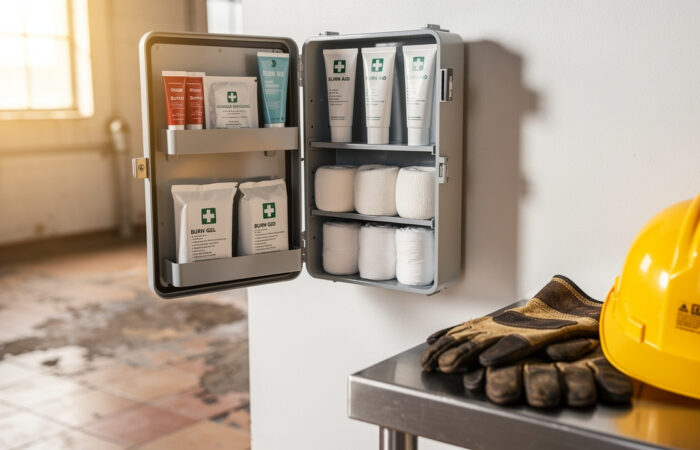
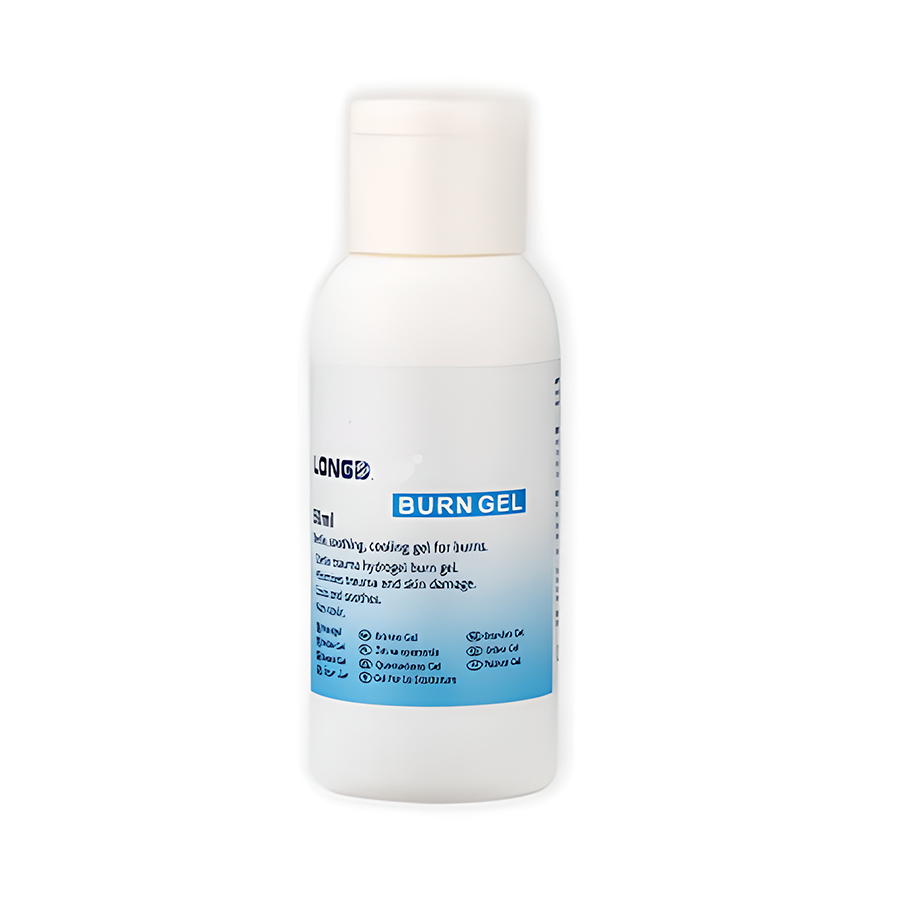
Many organizations standardize their response by stocking burn supplies that match friction injuries on their site, and this kind of readiness makes a clear difference. Hydrogel burn dressings from First Aid Longs cool and cover rope, rug, and mat or machine burns without sticking to raw surfaces, which helps during early stage dressing changes. Portable tubes and single use packets of burn gel suit smaller, superficial burns in offices, gyms, and classrooms where staff move around all day. Non stick burn pads, sterile gauze, and OSHA class first aid kits, supported by refill programs and training tools, help keep high risk areas stocked and staff confident about what to reach for.
When is friction burn healing off track and when should you escalate care?

Friction burn healing stages are off track when the expected pattern of less pain, steady closure, and fading redness does not appear. Infection, hidden depth, or poor early cleaning can trap a wound in the inflammatory phase or cause breakdown after it has nearly closed. For managers, having clear rules about when to send someone to occupational health, urgent care, an emergency department, or a burn center avoids delays and removes guesswork during busy shifts. Written escalation criteria also protect your company by showing regulators and insurers that decisions about burns follow a standard process, not ad hoc judgment.
Red flags during each healing stage
In the first hours, red flags include rapidly spreading redness, swelling that races beyond the burn edges, and blisters forming very quickly across a wide area. During the proliferation days, concern rises when pain and tenderness increase after they had started to improve, or when new thick drainage, pus, or a foul smell appears. In the remodeling phase, scars that grow thicker, redder, or tighter and start to limit joint movement deserve specialist attention. At any stage, fever, chills, dizziness, confusion, or signs of shock point to a medical emergency rather than routine follow up.
Clear triggers for medical or burn-center referral
Certain friction burns need professional assessment from the start, including any injury larger than the worker’s palm or any deep burn on the face, hands, feet, genitals, or over major joints, consistent with medically reviewed guidance on friction burn causes and treatment. Areas that look white, brown, black, leathery, or numb in the center suggest full thickness damage that cannot heal well with home care alone. Rope, rug, or mat burns with embedded gravel, metal, or heavy carpet fibers that you cannot remove gently on site also belong in a clinic. Extra caution is wise for children, older adults, and people with diabetes or poor circulation, and for any burn that fails to show clear improvement after several days; this broad guidance reflects referral practices used by national burn groups and hospital based burn units.
Secure Reliable Burn Gel Supplies Today!
Order our high-quality wholesale burn gels made with safety standards to stabilize your healthcare operations.
Conclusion
Friction burns from ropes, rugs, mats, and machinery share predictable friction burn healing stages, yet the depth and care they receive shape every step. When supervisors understand how inflammation, proliferation, and remodeling should look on the skin, they can spot trouble early, keep accurate records, and match duties to what the injury can handle. That approach limits avoidable infection, reduces scarring, and shortens time away from normal tasks in construction, manufacturing, logistics, hospitality, schools, and office settings.
Now is a good moment to review whether your sites have clear friction burn protocols, training, and stocked supplies that truly match the risks on each floor. Partnering with a reliable manufacturer such as First Aid Longs for hydrogel dressings, burn gels, and OSHA aligned first aid kits helps make that plan real and consistent across locations. By tightening first response, standard dressings, and escalation rules, you support staff, protect guests, and strengthen overall safety performance without waiting for a serious incident to expose gaps.