

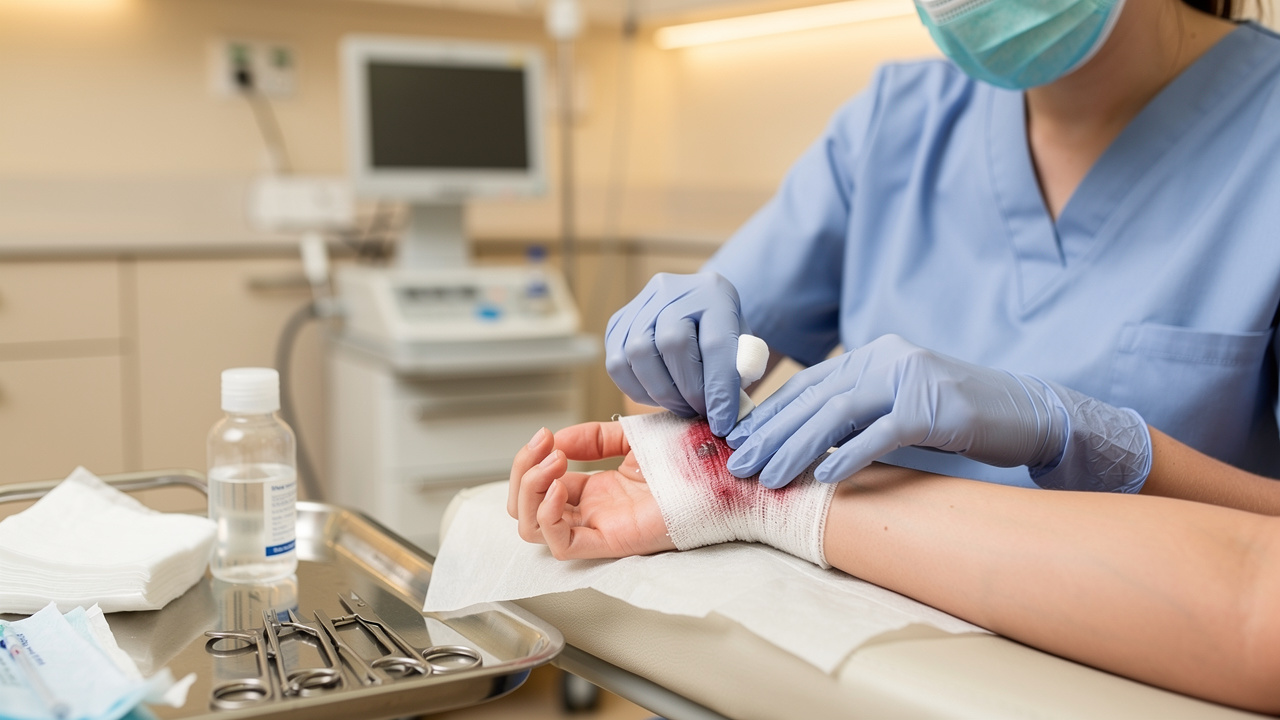
Sunburn treatment first aid at work sounds simple until you face a painful case on a hot day. Yet thermal burns from hot metal or steam look very different. You need clear steps and the right supplies for each burn type so your teams stay safe.
This guide explains how sunburn and thermal burns differ, how to treat both on site, and how to stock kits that match your risks. You will also see where First Aid Longs products fit into your protocols across clinics, plants, schools, and field teams.
By the end, you can line up training, products, and escalation rules that match your real burn patterns. You can tighten your burn playbook and protect your people in every season.
Key Takeaways
- Different Causes And Tissue Damage give sunburn and thermal burns very different risk profiles, so you need separate checklists, not one generic “burn” approach that tries to fit everything.
- Immediate First Aid Priorities change by burn type, from whole body cooling and hydration for sunburn to focused running water and fast depth checks for thermal burns on hands and arms.
- Product And Stocking Strategies, plus clear escalation rules, help you pick the right mix of gels, dressings, and kits from First Aid Longs for each site and keep responses consistent.
How Are Sunburn And Thermal Burns Different?

Sunburn and thermal burns damage skin in different ways, so you need different first aid plans and stocking choices. This section compares causes, symptoms, and danger signs so you can match your response to the injury in front of you.
Sunburn is an inflammatory reaction to ultraviolet light, while thermal burns come from direct contact with hot objects, liquids, flame, or steam. According to the American Academy of Dermatology, even one blistering sunburn in youth can nearly double later melanoma risk, which shows how serious “simple” redness can be over time. Thermal burns, on the other hand, can destroy deeper layers of tissue within seconds and may need emergency care right away.
You often see both risks in one site, such as a factory with outdoor yards or a hospital that runs outdoor events and hot kitchens. So you need your supervisors and first aiders to spot which type they are dealing with in the first minute.
What Causes Sunburn Vs Thermal Burns In Your Workplace?
Sunburn in your workplace usually comes from long or intense exposure to sunlight on unprotected skin. That might involve construction crews on rooftops, nurses working outdoor vaccination lines, or students on sports fields without shade or sunscreen.
Thermal burns come from direct contact with heat sources. In plants and kitchens, this might be hot pans, steam lines, welding sparks, or boiler surfaces. In labs or maintenance shops, hot tools, soldering irons, and heated glass can all burn in seconds.
Here is a simple comparison you can share during training.
| Factor | Sunburn | Thermal Burn |
|---|---|---|
| Cause | Ultraviolet radiation from sun or sunlamps | Hot surfaces, liquids, flame, or steam |
| Typical Location | Larger exposed areas such as face, neck, arms, legs | Smaller focused areas such as hands, forearms, torso spots |
| Onset Speed | Delayed, builds over hours after exposure | Immediate pain at the moment of contact |
| Common Severity | Mostly superficial with redness and tenderness | Can range from redness to deep tissue damage and charring |
Once you see how often both appear in one campus or site, it becomes clear that your burn plan needs two tracks, not one.
Clinical Differences You Must Recognize Fast
You can tell sunburn and thermal burns apart by how they start and how the skin looks. Sunburn usually shows as:
- Widespread redness and warmth
- Pain that worsens over several hours
- Later peeling or scattered blisters
Thermal burns often cause:
- Instant sharp pain at the contact point
- Smaller areas of intense redness or blisters
- In deeper cases, white, leathery, or charred patches
Both sunburn and minor thermal burns may sit in the first or second degree range, but deeper thermal burns move into the third degree with lost sensation and waxy or black skin. Large areas, burns on the face, hands, feet, or genitals, and any sign of inhalation with heat or smoke should go straight for medical care. Guidance on how to fight acute sun damage and current skin care strategies supports these quick field checks and fast referral for serious burns.
When you train teams on these visual cues, you cut the risk that a deep thermal burn gets “treated” like a mild sunburn with only lotion and sympathy.
How Misclassification Leads To Wrong Treatment
If you mix up burn types, you can cause avoidable harm and extra cost. Treating a deep thermal burn with only light sunburn products delays emergency care while tissue damage and infection risk climb. On the flip side, writing off severe sunburn and related heat illness as “just a little red” can put workers at risk for collapse on hot days.
According to Statista, U.S. employers record hundreds of heat-related nonfatal injuries each year in sectors like construction and agriculture, so this problem is not rare. Common myths include ideas that all red skin heals the same way, that aloe gel fixes every burn, and that blisters can always be popped. Clear checklists and burn type labels in your procedures help you avoid these traps and lead into the structured protocols in the next sections.
Sunburn Treatment: How Should You Treat Sunburn Immediately?
Immediate sunburn care follows a pattern of removal from the sun, safe cooling, soothing products, pain control, and close watch for heat illness. This section gives you a simple sunburn treatment first aid playbook you can turn into posters, cards, and training slides.
For most mild to moderate cases at work, you can treat on site with cooling water, gentle skin care, and oral pain relief per your protocols. Research from the CDC notes that more than one third of U.S. adults report at least one sunburn each year, so having a standard response ready is not optional. Your goal is to calm pain, protect skin, and spot any case that needs urgent care.
Step By Step Sunburn Treatment First Aid Protocol

You can give supervisors and line leads a short, clear sequence to follow. Here is a simple version you can print and keep in your kits.
- Move the person out of the sun into shade or an indoor space. Explain that they should stay out of direct sunlight until the skin has calmed, so hidden damage does not keep building. Offer light, loose clothing or a clean cover over the area if needed for comfort.
- Cool the skin with cool, not cold, water for ten to fifteen minutes. A gentle shower or damp towels work well as long as the person stays comfortable and does not start shivering. Repeat cooling sessions several times per day while pain stays high.
- Cleanse gently with mild, fragrance free soap only if needed. Rinse well so no residue stays on tender skin, then pat dry instead of rubbing to avoid extra friction and damage.
- Apply soothing products such as aloe or soy based moisturizers while the skin is still slightly damp. Use thin layers and reapply when the skin feels dry or tight, and avoid thick oily products in the first hours while the skin still feels very hot.
- Encourage oral fluids, rest, and close monitoring for the rest of the shift. Suggest water or electrolyte drinks if the person has worked hard in the heat, and ask a supervisor to check on symptoms again within an hour.
You can also give staff a small reminder chart like this.
| Do This | Avoid This |
|---|---|
| Use cool water and soft cloths for repeated cooling | Using ice directly on burned skin or very cold water |
| Apply light aloe or soy moisturizer on damp skin | Using butter, oils, or toothpaste on the sunburn |
| Offer extra water and quiet rest | Sending the worker back into sun or heavy physical work |
Topical Products, Dressings, And What To Avoid
For sunburned skin, gentle products matter more than fancy labels. Moisturizers with aloe or soy, alcohol free gels, calamine lotion, and short courses of one percent hydrocortisone cream on intact skin can all help with redness and itch. Colloidal oatmeal baths may help in residential or inpatient settings when large areas feel sore.
Blisters need special care. Tell staff not to pop them on purpose, since they act as natural covers. If blisters break on their own, your protocol can call for gentle washing with mild soap, a thin layer of topical antibiotic, and a nonstick dressing. The American Academy of Dermatology and Health Canada both warn against routine use of numbing sprays with benzocaine on large sunburn areas, and you should treat lidocaine gels the same way for big, diffuse burns. Alcohol heavy gels and thick, greasy ointments on very hot skin can also cause more pain and should not go in workplace kits for first line sunburn treatment and first aid.
Monitoring, Heat Illness, And When To Escalate
Sunburn often appears along with early heat illness, so your sunburn protocol needs clear red flags. High fever, confusion, repeated vomiting, or signs of dehydration such as very dark urine or no urine all call for urgent or emergency care. Extensive blistering or burns on the face or genitals also need prompt medical review.
Heat illness may show as dizziness, rapid pulse, headache, or extreme thirst. OSHA stresses that heat stroke is a medical emergency, so your environmental exposure procedures should link sunburn checks with your heat stress plan. That way, your teams treat the skin and the whole worker at the same time.
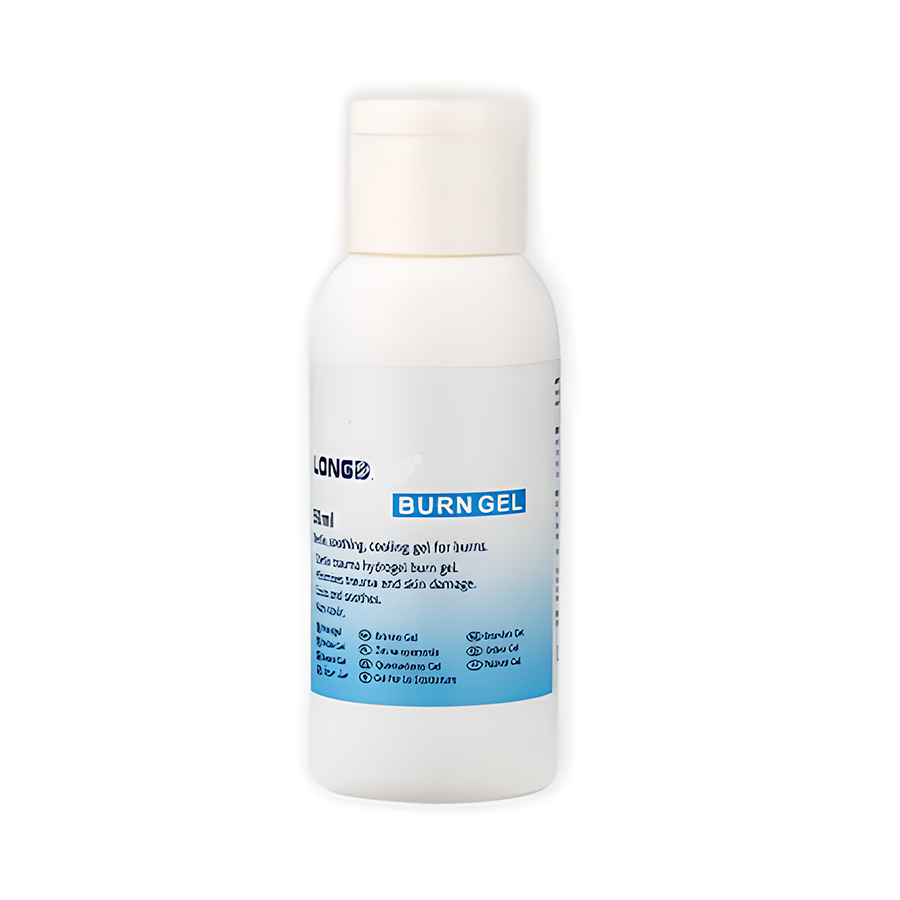
Secure Reliable Burn Gel Supplies Today!
Order our high-quality wholesale burn gels made with safety standards to stabilize your healthcare operations.
Thermal Burns First Aid: How Is It Different From Sunburn Treatment?
Thermal burns need a different first aid approach because hot objects and liquids can damage deeper tissue very quickly. This section walks you through a focused thermal burn sequence and clear limits on what belongs in workplace care.
Minor first degree or small second degree thermal burns can often stay on site with cool running water, simple dressings, and pain relief. Deeper or larger burns, burns on the face, hands, feet, or genitals, and any electrical or chemical burns must go straight to professional care. The American Burn Association reports that about four in ten burn center admissions involve flame or contact burns, so this is a common problem across heavy industry and healthcare.
Immediate First Aid Steps For Minor Thermal Burns
When someone touches a hot surface or gets splashed with hot liquid, the first minute matters. Your responders should follow a simple, repeatable pattern that puts safety and depth checks first.
- Stop the burning process and move the person away from the heat source. Remove any smoldering clothing or jewelry that is not stuck to the skin, since metal rings or watches can trap heat and restrict swelling. Keep the person safe from further contact with hot tools or surfaces.
- Cool the burned area under cool running water for about twenty minutes. Running water helps carry away heat better than a bowl, and cool temperature protects damaged tissue without shocking it. Avoid ice or very cold water, because that can cause more injury.
- Gently wash the area with mild soap and clean water once active heat has gone. Rinse well and pat dry with clean gauze or a towel to avoid pulling fragile skin. Do not scrub or remove material that is stuck to the burn.
- Apply a thin layer of appropriate burn gel or hydrogel to small superficial burns if your medical oversight allows. Products from First Aid Longs can provide cooling and comfort for these limited injuries when used after water cooling. Follow package directions and limit gel use to the affected patch of skin.
- Cover the burn with a nonstick sterile dressing if the area is likely to rub against clothing or gear. Secure with soft gauze or tape, check circulation below any wrap, and document the injury for follow up and trend tracking.
This pattern looks different from sunburn care, since the focus sits on one smaller area and on depth checks rather than whole body hydration.
When A Burn Is Too Serious For Onsite Treatment
You also need a hard line so staff know when onsite care stops. Burns that look white, charred, or leathery, cover a large part of a limb or the torso, or circle an arm or leg should go straight to emergency care, consistent with established burn fluid resuscitation guidelines for severe injuries. The same applies to burns on the face, hands, feet, genitals, or major joints.
Any electrical or chemical burn, even if the skin looks mild, needs prompt medical review because internal injury can be hidden. Signs of shock such as pale cool skin, weak pulse, rapid breathing, or confusion also demand immediate emergency services. A one page escalation chart at each first aid station helps non clinical supervisors follow the same referral rules every time. Burn gels and dressings from any brand, including First Aid Longs, are not meant for these severe cases and should never delay calling emergency services.
Common Mistakes In Thermal Burn First Aid
Old habits still appear in many workplaces and can quietly make burns worse. People sometimes put butter or cooking oil on fresh burns, which holds heat in and raises infection risk. Others reach for ice, which feels numbing at first yet can deepen the injury.
Removing clothing that is stuck to a burn by force can rip away more skin, so staff should cut around stuck fabric instead. Another missed step is leaving rings and tight jewelry in place, which can become very hard to remove once swelling starts. Finally, lotions meant for sunburn treatment and first aid do not belong on deeper thermal burns, especially if the skin is broken or contaminated.
Which Burn Care Products Should You Stock, And Where?

Once you understand sunburn versus thermal burns, you can match burn products to your real risks instead of guessing. This section turns that knowledge into a stocking plan built around your sites and supported by First Aid Longs.
You want aloe based gels and light lotions wherever people work in the sun, and hydrogel dressings and stronger burn gels where hot equipment and liquids live. Because First Aid Longs manufactures burn gels, hydrogel dressings, eyewash, and first aid kits in house, you can order mixes that align with OSHA and ANSI expectations and with your actual burn incident data. That mix lets you cover both sunburn treatment first aid needs and thermal hazards without overbuying.
Matching Products To Sunburn Treatment Vs Thermal Burn Treatment Scenarios
Different burn situations call for different formats, and placement matters just as much as product choice. Small tubes or packets make sense for mobile or guest facing spots, while dressings fit fixed first aid stations near equipment. Here is a quick guide you can share with your buying team.
| Product Format | Best For | Typical Placement |
|---|---|---|
| Hydrogel burn dressings | Localized thermal burns | Production lines, boiler rooms, auto bays, commercial kitchens |
| Tube based burn relief gel with aloe and lidocaine | Very small thermal burns and minor sunburn areas on adults | Lifeguard stands, security posts, reception desks, office kitchens |
| Single use burn gel packets | Minor burns and mild sunburn touch ups | Classrooms, cafeterias, mobile kits, concession stands |
| Alcohol free aloe or soy moisturizer | Mild to moderate sunburn care | Outdoor work hubs, clinic triage desks, nurse offices |
Because some policies restrict lidocaine in K–12 settings, you can stock aloe only gels or lotions from First Aid Longs in those zones and keep lidocaine formulas in adult workplaces with trained responders.
Building Kits For Mixed Risk Environments
Many of your locations do not fit a single risk label. A hospital campus may have hot kitchens and labs plus outdoor health fairs, while a school district has science labs, shop classes, and playgrounds under strong sun. Mixed risk sites need kits that blend sunburn items with thermal burn supplies.
First Aid Longs can configure first aid kits and refill packs that include hydrogel dressings, burn gels, nonstick dressings, aloe based products, and sunscreen packets in one package. The company also offers empty boxes and bags so you can build site specific kits from standard components. When you want to build a complete first aid program, you can map kit contents to each risk zone, such as yards, kitchens, labs, and sports fields. Including clear instruction cards in each kit helps workers pick the right product for the burn in front of them.
Standardization, Compliance, And Replenishment
If you run many sites, standard kits pay off quickly. OSHA standard 29 CFR 1910.151(b) expects you to provide adequate first aid supplies, and the ANSI style kit lists call out burn items for high heat work. First Aid Longs products fit these expectations while giving you one catalogue to use across all branches.
You can centralize sourcing with burn gel wholesale options and match them with OSHA-ready first aid kits across your footprint. Clear refill lists and barcoded components make it easier to keep kits topped up after incidents or audits. When your products, labels, and instructions stay the same from site to site, training stays simpler, and incident responses look the same shift after shift.
How Can You Turn Burn Lessons Into a Prevention Strategy?
Good burn care is important, yet the real win comes when you cut the number of burns in the first place. This section shows how to connect your sunburn and thermal burn data to shade, guards, training, and smarter buying.
You can use every sunburn and thermal burn report as a data point to tighten controls, from shade tents and sunscreen stations to machine guards and better gloves. OSHA notes that thousands of workers suffer heat related illness each year and dozens die, so prevention saves both lives and budgets. First Aid Longs supports this shift by pairing burn products with education and flexible kit design that fits your prevention goals.
Sunburn Prevention Linked To First Aid Programs

Your sunburn plan should start with control measures, not only gel and lotion. Shade structures over outdoor work zones, cooled indoor break areas, and rest tents for events all cut UV load. Scheduling the most exposed tasks away from midday when possible also helps, and multifunctional bilayer radiative cooling dressings represent an emerging approach to managing heat stress on skin for workers who cannot avoid peak exposure windows.
Next comes personal protection. UPF rated long sleeves, wide brim hats, sunglasses that block UVA and UVB, and broad spectrum SPF 30 sunscreen are key. You can mount sunscreen dispensers at gates and near outdoor time clocks and include packets in your burn kits. According to the American Academy of Dermatology, about nine thousand five hundred people in the United States receive a skin cancer diagnosis every day, so pairing sunburn treatment first aid kits with education cards about daily sun habits has real value.
Preventing Thermal Burns in High Heat Operations

Thermal burn prevention starts with a hazard walk through wherever hot surfaces, liquids, and steam exist. That includes fryers and ovens, autoclaves and sterilizers, welding bays, and steam lines. Mark hot zones with clear signs and floor markings so even visitors know where the risks sit.
Personal protective gear needs to match tasks. Heat rated gloves, aprons, face shields, and long sleeves made for hot work can drop burn numbers fast when people use them consistently. Clear work rules, such as locking out lines before maintenance and checking hose fittings before opening valves, also cut incidents. Reviews of every burn event during safety meetings show where guards, tools, or training need an update.
Using Incident Data To Refine Procurement
Your burn log is a powerful guide for buying smarter instead of buying more. Track each event with details on burn type, location, time of day, cause, and products used. Patterns will appear, such as repeated sunburns at one loading dock or frequent small contact burns in one production cell.
You can then adjust stock by zone, placing more sun focused items at lifeguard stands and more hydrogel dressings near welding bays. First Aid Longs can work with your safety and procurement teams to reshape kit mixes and reorder plans based on these trends. Linking this work to your broader safety data and compliance audits keeps burn care aligned with your overall risk picture.
Moving Forward With Safer Burn Care
Sunburn and thermal burns may look alike at first glance, but their causes and tissue effects demand different plans and products. You now have field checks, treatment steps, and escalation rules that separate diffuse sun damage from focused contact burns. With that knowledge, you can shape sunburn treatment first aid protocols alongside thermal burn procedures instead of treating every red patch the same way.
Next, line up your kits, restock plans, and training with help from First Aid Longs hydrogel dressings, burn gels, aloe based products, and custom first aid kits. When you match the right products to the right risks and refresh training often, you protect your workers and visitors and support your compliance goals at the same time.


