

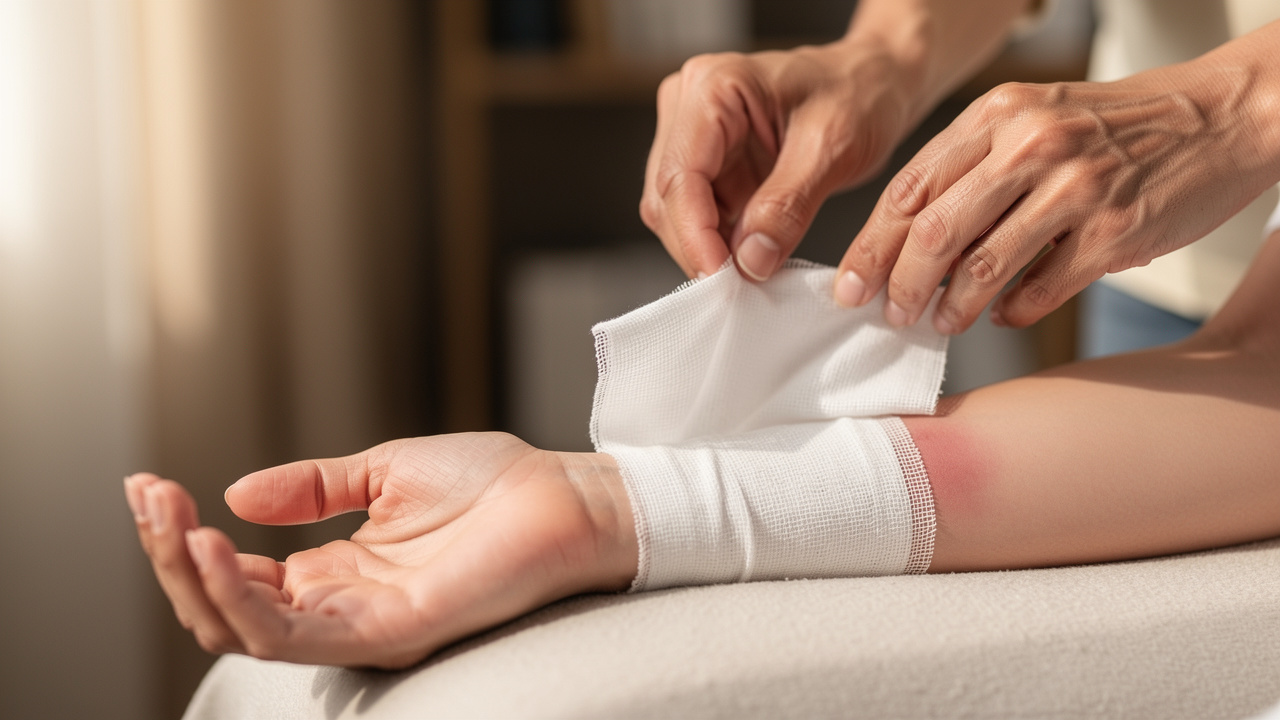
Burn healing stages describe how a burn moves from fresh injury to scar and long term recovery. They explain what you see on the skin and how long healing takes. For safety leaders, these stages also shape which products you stock and when you escalate care.
You will see simple explanations, clear timelines, and product checklists tied to each phase, with real data from groups like the Cleveland Clinic and the American Burn Association. According to Statista, nonfatal occupational burn and scald injuries in the U.S. reached tens of thousands of cases in recent years, costing businesses millions in lost workdays and claims. Keep reading to line up your first aid rooms, on site clinics, and burn kits with how burns actually heal.
Key Takeaways
- Why Burn Depth Drives Healing Stages
Burn depth controls how long skin stays inflamed, how fast new tissue grows, and how heavy the scarring can be. When you know the depth, you can predict which stages you will manage on site and which ones belong in a burn center. - Three Biological Burn Healing Stages To Know
Every burn that heals goes through an inflammatory reaction, a repair phase, and a long remodeling period. You can match visible signs and pain patterns in each stage with specific dressings, gels, and rehab plans. - Typical Healing Timelines And Red Flags
Light burns usually heal in days, deeper ones take weeks, and major burns remodel for months or more than a year. Clear red flags, such as spreading redness, severe pain, or fever, show when a slow stage is turning into a problem. - Matching Products To Each Healing Stage
Cooling water and burn gel matter in the first hours, moisture balanced dressings matter in repair, and scar care matters in remodeling. Stock that covers all three phases cuts complications and lost work time. - How First Aid Longs Supports Stage Ready Burn Care
First Aid Longs links burn gels, hydrogel dressings, saline wipes, eyewash, and custom kits directly to these stages. Wholesale programs help you standardize across sites without driving up cost.
How Do Burn Healing Stages Differ By Burn Type?

Burn healing stages look very different in a pink sunburn than in a charred electrical injury. The depth and size of the burn, drive speed, risk, and how much healing you can safely manage at work.
For procurement and safety teams, that depth also guides which dressings, gels, and referral pathways you build into your burn protocols. According to the American Burn Association, most burn center admissions involve second and third degree burns, which carry higher infection and surgery rates than mild burns.
Understanding Burn Degrees And Healing Outcomes
Different burn degrees affect how long skin stays inflamed, how fast new tissue returns, and whether surgery is needed.
- First degree burns touch only the top layer of skin, look red and dry, and usually peel within 5 to 10 days without scarring.
- Superficial partial thickness second degree burns are red, very painful, and blistered, and they often heal in 1 to 3 weeks if kept clean and moist, as noted by the Cleveland Clinic.
- Deep partial thickness burns appear patchy red or pale, feel very sore, and may ooze; they can take 3 to 5 weeks or longer and often leave raised scars without early grafting.
- Full thickness burns look white, brown, or black, feel leathery, and may be painless at the center, since nerves are damaged. These injuries do not close well on their own and usually need surgical excision and skin grafts.
| Burn Degree | Key Signs | Typical Healing Time | Usually Heals Without Surgery |
|---|---|---|---|
| First degree | Red, dry, tender, no blisters | 5–10 days | Yes |
| Superficial partial thickness | Red, moist, blisters, strong pain | About 1–3 weeks | Often |
| Deep partial thickness | Red or pale, moist, very painful | About 3–5 weeks or longer | Often no |
| Full thickness | Waxy or charred, dry, less sensation | Needs grafting, scar >1 year | No |
Deeper burns spend more time in every stage and create higher needs for advanced dressings, theater time, and long rehab, a pattern documented in the Comparative evaluation of donor site healing research that examines second and third degree burn recovery outcomes.
Why Burn Classification Matters For Your Facility
Knowing the degree and total body surface area of a burn helps you decide what to treat onsite and what to send out. Light first degree burns and very small superficial second degree burns can usually be handled with cool water, burn gel, and simple dressings in a clinic room. In contrast, deep partial and full thickness burns need higher level care and more complex products from the first hours.
Workplaces such as commercial kitchens, metal shops, and labs see frequent small burns that still slow work if they are not treated correctly. Recent figures from the U.S. Bureau of Labor Statistics show thousands of nonfatal occupational burns each year that lead to days away from work. When you carry enough burn gels, hydrogel pads, saline wipes, and non stick gauze in your first aid kits, you support safe care and quicker return to duty.
What Are The Three Main Burn Healing Stages?
The three main burn healing stages are inflammation, proliferation, and remodeling. Every burn that heals, from a minor scald to a grafted wound, moves through these overlapping phases.
For you as a safety or procurement lead, each stage brings different visible changes, different pain patterns, and different product needs. Research summarized by the National Institutes of Health notes that the early reaction stage focuses on defense and clean up, the middle phase on building new tissue, and the late phase on scar reshaping.
Stage 1: Inflammation (Reaction Phase)
The inflammatory stage begins at the moment of injury and usually lasts up to 3 to 5 days. In this period, blood vessels in the damaged skin first tighten, then open wide, which causes redness, warmth, and swelling. Clear fluid seeps into the tissue, and in many second degree burns, blisters form as the top skin layer lifts. Nerve endings stay active, so workers often describe sharp, throbbing pain.
You will see a shiny, moist surface, color that ranges from bright red to deep red brown, and sometimes early peeling at the edges. Fast cooling with cool running water, not ice, lowers tissue temperature and may limit more serious damage; the Centers for Disease Control And Prevention recommends at least 10 to 20 minutes of cool water for small thermal burns. Gentle cleansing and covering with non stick dressings matter here, while home remedies such as butter, oils, or toothpaste trap heat and raise infection risk.
Stage 2: Proliferation (Repair Phase)
The proliferative stage usually starts around day three or four and can last for days to several weeks. In this stage, your body builds granulation tissue, which looks pink or red and slightly bumpy, as new blood vessels and fibroblasts fill the wound. New skin cells slide in from the edges and from hair follicles and sweat glands that survived in the burn area. As coverage improves, the wound slowly shrinks, and fluid levels taper down.
Workers may notice less intense pain but more itching, a sign that nerves and skin are recovering. In superficial second degree burns, this stage can wrap up within two weeks if dressings stay clean and moist. In deeper partial thickness and full thickness injuries, this phase takes far longer and often needs surgical support, grafts, and sometimes negative pressure wound therapy to help the new tissue stay healthy.
Stage 3: Remodeling (Maturation And Scar Phase)
The remodeling stage begins after the wound has closed and can stretch across months or even years. Inside the scar, early collagen fibers are gradually replaced by stronger ones and line up along stress lines from movement. At the same time, unneeded small blood vessels fade, so scars often change from bright red to pale over time.
Despite that fading, scars may feel raised, tight, or itchy, especially after deeper burns. Hypertrophic scars and joint contractures can limit grip strength, lifting, or overhead work, which affects job assignments and return to full duty. Silicone gels or sheets, pressure garments, moisturizers, and early physical therapy all help soften scars and keep workers functional, and many companies now bake these tools into long term care plans.
How Long Do Burn Healing Stages Take, and What Affects Them?
Healing time for each of the burn healing stages depends on depth, size, and overall health. Light burns move quickly through inflammation and repair, while deep or contaminated burns stall and stay open.
For safety managers, knowing typical windows helps them spot when a burn is not following the expected path. It also helps you document care and decide when a slow stage signals a deeper problem that needs advanced treatment or a change in products.
Typical Timelines For Burn Healing Stages
Different burn degrees follow different timelines through inflammation, repair, and remodeling. First degree burns usually stay in the reaction phase for a day or two, then peel and close within about a week, with only brief remodeling. Superficial partial thickness burns often spend two to three days in strong inflammation, one to two weeks in repair, and several months in gentle remodeling with mild color change.
| Burn Type | Inflammatory Stage | Repair Stage | Remodeling Phase | Total Healing Pattern |
|---|---|---|---|---|
| First degree | 1–2 days | Few days | Weeks of mild color shift | About 7–10 days, no scar |
| Superficial partial | 2–3 days | About 1–2 weeks | Months of soft scar change | About 1–3 weeks, little scarring |
| Deep partial | Up to 7 days | About 3–5 weeks | Months to years | Often 3–5+ weeks, raised scars common |
| Full thickness with graft | Variable before graft | Weeks for graft to settle | More than 1 year | Needs surgery, long term scar management |
Larger surface areas put more stress on the heart, lungs, and immune system, which lengthens every stage and raises costs for both care and lost time.
Factors That Delay Or Complicate Burn Healing
Several medical and workplace factors slow healing or push a normal stage toward infection and chronic problems. Open burns are easy targets for bacteria; early on, organisms like Staphylococcus aureus dominate, and later, Gram negative bacteria such as Pseudomonas aeruginosa become more common, especially in wet or dirty settings.
Chronic illnesses such as diabetes, vascular disease, or immune suppression, as well as very young or older age, reduce blood flow and cell function in the repair phase. On the workplace side, adhesive dressings that stick to the wound, stockouts that force staff to reuse products, and weak pain control all damage fragile new tissue. Clear red flags include:
- Wounds not improving after 7 to 10 days
- Deepening color or blackening skin
- Spreading redness or hard swelling
- Foul odor, pus, or sudden increase in drainage
- Fever or feeling very unwell
How Should You Care For Each Burn Healing Stage At Work?
For on site teams, simple, clear checklists tied to these stages help staff avoid unsafe home remedies and use your stocked products correctly.
Stage Specific First Aid Actions For Minor To Moderate Burns
In the inflammatory stage, move the worker from the heat source and remove jewelry or tight clothing near the burn if it is not stuck; proper Burn Fluid Resuscitation guidance from NCBI also emphasizes early assessment of burn extent during this critical window. Cool the area under gently running cool water for at least 10 to 20 minutes, and keep the person warm elsewhere to avoid chilling. Clean the burn with sterile saline wipes or clean water, avoid popping intact blisters, apply a thin layer of approved burn gel, and cover with a sterile, non stick dressing.
During the repair stage, keep the wound moist but not soggy and change dressings on the schedule set by your clinic or outside provider. Check for more redness, swelling, odor, or drainage at every change and document these findings. Encourage safe movement of nearby joints, such as fingers, elbows, or knees, so that stiffness does not build into contractures.
In the remodeling stage, moisturize healed skin several times a day, protect it from the sun with clothing or broad spectrum sunscreen, and follow scar advice from the treating clinician. Some workers may need silicone gels or sheets or a referral for pressure garments.
How Can First Aid Longs Support Burn Healing Stages In Your Facility?
First Aid Longs aligns its product line with cooling, repair, and remodeling needs across workplace burns, reflecting the staged care approach outlined in the Comprehensive Management of Severe Burn Injuries framework that spans resuscitation through rehabilitation. You get burn gels, hydrogel dressings, and wound care supplies that match what happens in skin during each of the burn healing stages.
As a direct manufacturer since 1996, First Aid Longs runs 100K Class Cleanroom production and serves more than 100 global clients, so you gain consistent quality and dependable lead times at wholesale scale. Many safety leaders partner with First Aid Longs to standardize burn kits across plants, offices, schools, and mobile crews.
Stage Matched Burn Gels, Dressings, And Kits

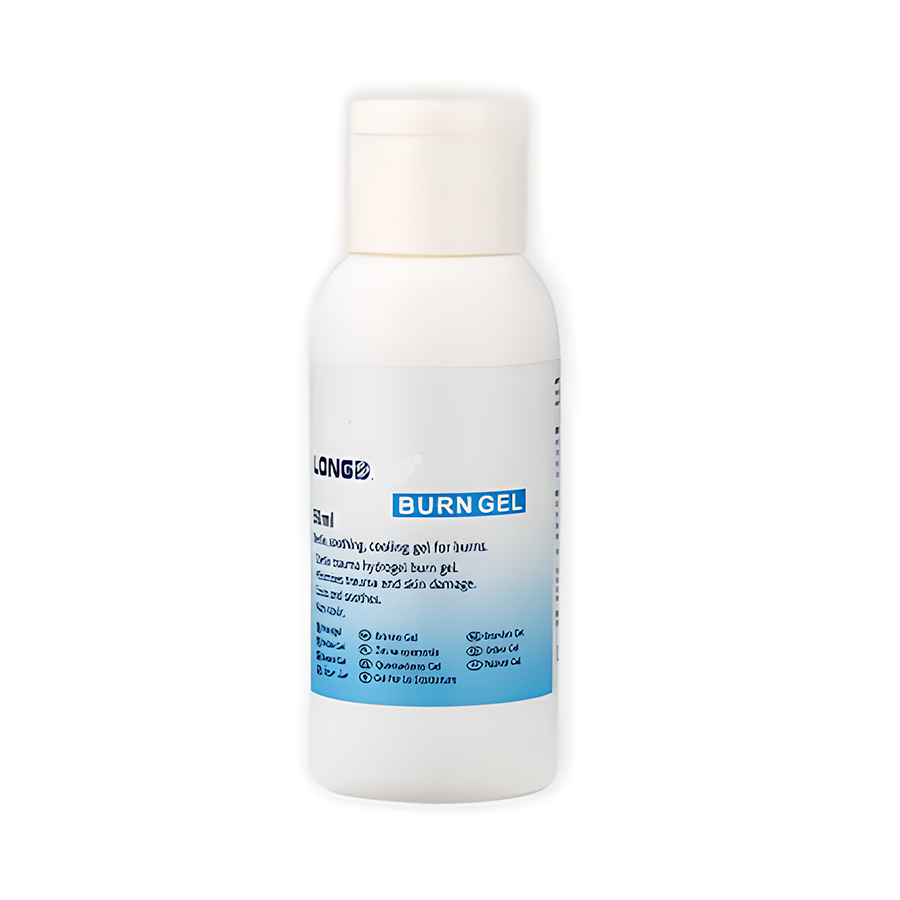
In the early inflammatory stage, First Aid Longs burn gels use a high water content base that pulls heat from skin and gives fast comfort. Many workplace versions combine this base with lidocaine hydrochloride for pain relief, plus aloe vera, glycerin, and propylene glycol to keep the surface from drying and cracking as repair begins. Tubes work well in staffed clinics, while single use packets support hygienic response in cafeterias, classrooms, and vehicles.
During the repair stage, hydrogel burn dressings from First Aid Longs create a smooth, non stick layer between the wound and secondary dressings. This low friction contact helps you remove or reposition dressings with less trauma to fragile new tissue, which matters a lot for hands, elbows, and other moving areas. Plain petroleum jelly and fragrance free, alcohol free aloe based products from the same line keep lighter burns moist while they finish closing.
Across early and mid stages, saline wipes help your team clean burns before dressing without scrubbing, and sterile eyewash supports safe response to splashes and thermal eye exposure. In later phases, gentle moisturizers in your kits help workers keep healed areas flexible.
Standardized, Customized Burn Care Across Multiple Sites

First Aid Longs supports multi site organizations with wholesale first aid kits that you can configure by risk profile. Kitchens and food service operations can add extra burn dressings and large hydrogel pads, while labs and chemical facilities can load more burn gels, eyewash, and clear chemical burn instructions. Because First Aid Longs manufactures its own products, you gain consistent quality, strong price control, and reliable delivery across all locations.
You can also order empty first aid boxes, bags, and containers and turn them into burn focused stations for high risk zones on production floors or in maintenance shops. Site specific mixes based on your injury data help you match stock to real events instead of generic lists. Refill programs and stock review cycles keep items in date and shelves full, so your team is ready for every stage from the first minutes through scar care.
When you add bulk burn gel and hydrogel dressings from First Aid Longs to your standard formulary, you also simplify training, since staff learn one clear way to manage burns across all sites.
Secure Reliable Burn Gel Supplies Today!
Order our high-quality wholesale burn gels made with safety standards to stabilize your healthcare operations.
Conclusion
Understanding how inflammation, repair, and remodeling unfold after a burn helps you plan smarter kits, training, and referral paths. These phases shape what you see on skin, how long recovery takes, and what workers can do at each step. When you match your products and protocols to the real pattern of burn healing stages, you cut infection risk, pain, and lost work days.
First Aid Longs supports you with gels, hydrogel dressings, saline wipes, eyewash, and configurable kits that line up with each phase. Now is a good time to review your current burn stock across plants, offices, and schools, close the gaps, and design a stage ready program with the First Aid Longs team at firstaidlongs.com. When you build your program around real healing stages, you give workers faster relief and your business better protection.


