
Post- COVID workplace safety still feels confusing, and you may wonder which new rules and expectations really apply where you work. Guidance changed, emergency rules ended, and risks keep shifting on you. You will learn how U.S. rules now treat respiratory infection as a regular hazard, how to fold post-COVID workplace safety into daily routines, and how modern first aid and medical supplies from First Aid Longs support compliance, faster response, and worker trust. Use these ideas to review your own sites and plan your next safety upgrades with more confidence.
Key Takeaways
Post-COVID workplace safety now sets a permanent baseline for how you protect people and keep operations steady. These points give you a quick overview before you go deeper.
- New baseline for post-COVID workplace safety means you treat COVID‑19 and other respiratory infections as routine hazards. You manage them through your core safety system, not a one time crisis plan. This shift touches procedures, training, and first aid setups.
- Integrating infection control into existing safety programs helps you avoid scattered rules and confusion. You add respiratory risk to written plans, job hazard analyses, and inspections. Clear links between hazards, controls, and supplies make audits far easier.
- Upgrading first aid, PPE, and medical supplies turns your cabinets into real response hubs. You standardize kit types, align with OSHA and ANSI guidance, and add infection aware items. First Aid Longs supports this with wholesale kits, eyewash, burn gels, and saline wipes.
- Managing multi site compliance and recordkeeping keeps every location at the same standard. You set system wide specs, use shared refill packs, and track inspections and incidents in a simple format. This approach helps you show due diligence to OSHA and state plans.
- Partnering with a reliable wholesale manufacturer gives you a stable supply, fair pricing, and consistent quality. First Aid Longs brings in house manufacturing, cleanroom production, and organized replenishment programs. That combination reduces stockouts, delays, and surprise gaps during audits.
What Is Post‑ COVID Workplace Safety And Why Does It Matter Now?

Post‑COVID workplace safety means you treat respiratory infections as ongoing, recognized hazards inside your normal safety programs. It matters now because OSHA, state plans, and your workforce expect clear protection long after temporary orders fade.
Instead of a separate pandemic playbook, you build post-COVID workplace safety into your Injury and Illness Prevention Program or other safety system. This includes ventilation, masks or respirators where needed, sick leave rules, first aid preparedness, and training that match current risk levels.
Changing Risk Picture For Post‑ COVID Workplace Safety
The changing risk picture for post‑COVID workplace safety starts with one fact: respiratory disease is now a standing hazard in healthcare, manufacturing, construction, schools, and public agencies. That means hazard assessments must treat close contact, crowded indoor areas, and weak air flow as routine concerns.
Work also stretches beyond the plant or clinic, and Risk of SARS-CoV-2 infection in professional settings, shops, shared transport, and leisure activities confirms that transmission risk follows workers into every environment they occupy. Many teams run hybrid or remote schedules, so your safety lens now covers home office ergonomics, cybersecurity, and mental health support. Statista reports that about 27% of U.S. employees work remotely at least part of the week, which pushes you to think past the main building.
Psychosocial risks sit beside physical ones. Job insecurity, stress, and fatigue can raise incident rates if you ignore them. Recent data from the Bureau of Labor Statistics shows about 2.8 million nonfatal workplace injuries and illnesses in private industry in 2022, a reminder that traditional hazards stayed active while new ones appeared.
Legal Duties And Core Standards Shaping Post‑COVID Workplace Safety
Legal duties and core standards for post‑COVID workplace safety still center on OSHA and state plans. Under the General Duty Clause, you must keep the workplace free from recognized hazards that can cause serious harm, and uncontrolled respiratory infection fits that description in many settings.
You also connect your controls to specific standards:
- Respiratory Protection (29 CFR 1910.134) requires medical evaluations, fit testing, and a written program when you rely on respirators.
- Bloodborne Pathogens, Hazard Communication, and state Injury and Illness Prevention Program rules, such as Cal/OSHA sections 3203 and 1509, now expect you to include airborne infection where it makes sense.
- Cal/OSHA section 3205(j) extends certain COVID‑19 recordkeeping duties through early 2026, which affects your logs and communication.
On top of this, OSHA 29 CFR 1910.151(b) says adequate first aid supplies must be readily available. That means stocked, checked, and reachable kits, not empty boxes. According to OSHA, nearly 2,000 U.S. workers suffer job related eye injuries each day, so eyewash and related items also play a key part in post‑COVID workplace safety.
How Should You Integrate Infection Control Into Your Safety Programs Post‑ COVID?
Post‑COVID workplace safety works best when you fold infection control into your current safety programs instead of running a separate COVID binder. You name respiratory disease as a hazard, pick controls, and tie those choices to written procedures and real supplies your people can find fast.
Four safety management pillars still shape outcomes here. Management commitment, structured training, clear rules, and strong worker involvement turn guidelines into daily habits across clinics, plants, and offices.
Core Safety Management Practices For Post‑ COVID Workplace Safety

Core safety management practices for post‑COVID workplace safety build on what you already do for other hazards. Strong leadership:
- Sets clear expectations
- Funds PPE and ventilation upgrades
- Keeps health emergency or safety committees active for future surges
That same group can review first aid layouts, kit contents, and eyewash placement as part of post-COVID workplace safety planning.
Structured training explains:
- How respiratory infections spread
- Proper mask and respirator use
- Hand hygiene basics
- First aid steps with the real products staff will use
When workers handle the same First Aid Longs kits in drills and real events, confidence rises. Research highlighted by NIOSH links well designed training and leadership support with lower incident rates across industries.
Written rules then turn ideas into daily action. You spell out:
- Entrance and illness reporting expectations
- Cleaning and disinfection schedules
- Ventilation goals
- Non punitive sick leave
Employee involvement keeps those rules grounded through safety committees, suggestion channels, and product feedback sessions that improve kit design and placement.
Psychological And Cultural Side Of Post‑ COVID Workplace Safety
The psychological and cultural side of post‑COVID workplace safety shapes how people react to every rule you write. Good safety practices often raise risk awareness at first, which can spike fear unless you pair them with clear explanations of how controls cut danger. Straightforward messages and visible actions, such as stocked cabinets and working eyewash stations, help people feel protected instead of helpless.
Job insecurity can undercut this progress, and Safeguarding the workforce: A review of organizational health strategies during a pandemic confirms that transparent leadership and stable conditions are essential to sustaining safe behaviors. If workers fear layoffs or reduced hours, they may hide symptoms or rush tasks. Transparent updates about staffing, business health, and why certain controls matter reduce that fear. According to the National Institute of Mental Health, nearly one in five U.S. adults lives with a mental illness, so ignoring stress and burnout is not an option.
When you add mental health resources, fair workload planning, and space for feedback, you encourage people to:
- Speak up about hazards and near misses
- Follow new post‑COVID workplace safety rules
- Support co workers who need time off to recover
Over time, this kind of culture supports lower incident rates and smoother audits.
How Do New Post‑ COVID Requirements Change Your First Aid And Medical Supply Strategy?
New post‑COVID requirements change your first aid and medical supply strategy by raising the bar for what counts as adequate. Kits now must cover both trauma and infection sensitive care, stay aligned with OSHA and ANSI guidance, and remain ready across every shift. Data on Return to Work After work related injuries highlights how faster, better equipped first aid response directly improves worker recovery and return to work outcomes.
For many organizations, this shift points toward standardization and wholesale partnerships. Working with a manufacturer such as First Aid Longs helps you align content lists, refill cycles, and documentation across clinics, factories, vehicles, and classrooms without a tangle of vendors.
Upgrading First Aid Kits For Post‑ COVID Workplace Safety

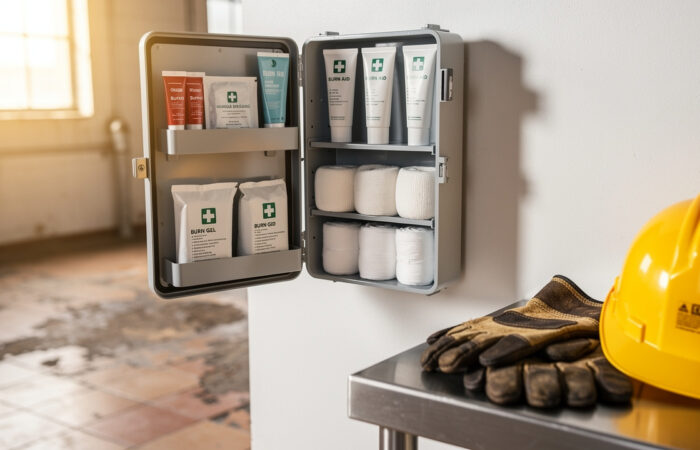
Upgrading first aid kits for post-COVID workplace safety starts with two anchors. OSHA 1910.151(b) sets the duty to keep adequate supplies on hand, while ANSI/ISEA Z308.1 defines content and performance benchmarks for Class A and Class B kits. You can match your cabinet type to your risk profile, from low hazard offices to high hazard construction zones.
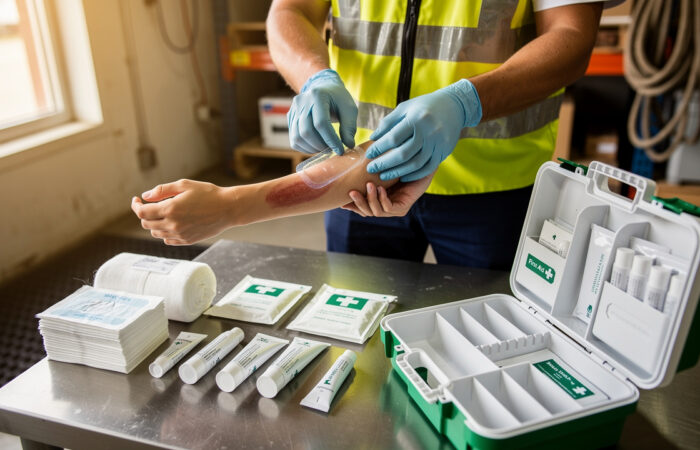
Modern kits go beyond bandages and tape. They include:
- Wound cleaning saline wipes
- Burn gels and dressings
- Eye wash and eye pads
- CPR barriers and quality gloves
- Clear labeling that supports infection control
Regular inspection schedules with logs keep quantities, expiration dates, and container integrity on track. Internal reviews by First Aid Longs show that large sites with properly stocked kits cut average injury response time from about nine minutes to under three minutes, which makes a big difference for burns and eye injuries.
| Aspect | Outdated Or Non‑Compliant Kit | Post‑COVID Workplace Safety Ready Kit |
|---|---|---|
| Contents | Basic bandages, missing gloves, little eye care | Full ANSI‑aligned mix with gloves, eyewash, burn gel, saline wipes |
| Inspection Process | Rare checks, no set owner | Monthly checks with named owner and simple checklists |
| Documentation | No records of use or gaps | Logged inspections and incident notes tied to each cabinet |
| Response Time | Staff search multiple spots for supplies | Staff know which cabinet has what they need right away |
Why First Aid Longs Is A Strategic Partner For Post‑ COVID Workplace Safety
First Aid Longs is a strategic partner for post‑COVID workplace safety because it joins manufacturing strength with safety knowledge. All first aid kits, eyewash solutions, burn gels, saline wipes, and empty containers come from in house production with 100K Class cleanroom facilities and tight quality monitoring. That setup helps you avoid counterfeit or low grade supplies that caused problems for many buyers during the pandemic.
The company designs kits and refill packs to align with OSHA performance expectations and ANSI/ISEA Z308.1 guidance. You can choose:
- Wall mounted cabinets for fixed locations
- Mini and medium kits for vehicles and small rooms
- Custom boxes that match specific job tasks and hazards
Organized refill packs matched to Class A and Class B layouts make restocking simple for busy supervisors.
For multi site buyers, First Aid Longs offers:
- Bulk purchasing and volume discounts
- Replenishment programs that keep hundreds of kits on the same standard
- Industry specific configurations for construction, manufacturing, healthcare, schools, sports, marine settings, and more
With over one hundred global clients, the company shows how standardization and ready stock support post‑COVID workplace safety, lower incident severity, and better audit outcomes.
How Can You Manage Multi Site Post‑ COVID Workplace Safety And Recordkeeping?

You manage multi site post‑COVID workplace safety by setting one clear standard and then giving each facility room to fine tune for local rules. This covers first aid setups, infection control supplies, inspections, and OSHA or state recordkeeping.
Without a shared model, some locations drift into empty cabinets or incomplete logs. A simple system, supported by partners like First Aid Longs, keeps large networks steady even when staff or guidance changes.
Standardizing First Aid And Infection Control Across Sites
Standardizing first aid and infection control across sites starts with a written specification. You:
- Map hazards for each type of location
- Decide which Class A or Class B cabinets, eyewash units, burn gels, and saline wipes belong in each space
- Document those choices as part of your post-COVID workplace safety standard
That same document can point staff toward your main workplace safety pillar page as a reference hub, plus deeper internal guides on first aid kit placement and refill schedules.
Next, you pick a small family of kit types and containers. Using the same wall cabinets, vehicle kits, and refill packs everywhere:
- Simplifies training
- Helps traveling staff know where to look
- Makes internal audits faster and less stressful
First Aid Longs supports this model with flexible order sizes, so a head office can buy for a large hospital while a remote clinic orders smaller quantities on the same standard.
Then you set simple rules for:
- Where kits go
- Who checks them and how often
- How to record usage and refills
Clear placement diagrams, shared inspection forms, and photos of correctly stocked cabinets help every site match the plan and maintain strong post‑COVID workplace safety.
Post‑ COVID Recordkeeping, Inspection, And Audit Readiness
Post‑COVID recordkeeping, inspection, and audit readiness pull health and safety data into one picture. OSHA Part 1904 still requires logs for work related injuries and illnesses, including COVID‑19 cases that meet recording rules. States such as California add their own layers, with Cal/OSHA section 3205(j) keeping certain COVID case record duties alive through early 2026.
First Aid Longs supports audit readiness with inspection documentation frameworks that track:
- Quantities and expiration dates
- Container condition and kit placement
- Staff training status for first aid and infection control
You can store these records beside case logs, ventilation checks, and training rosters, and applying principles from The Enhancement of Statistical Literacy in data analysis helps safety managers identify patterns in incident records before they escalate into compliance issues. This habit:
- Turns inspections from a scramble into a routine check
- Supports your post‑COVID workplace safety story during audits
- Helps you spot patterns, such as repeated eye injuries or frequent burn cases, before regulators do
What Practical Steps Should You Take To Strengthen Post‑ COVID Workplace Safety Now?
You strengthen post‑COVID workplace safety by treating it as a permanent part of risk management, not a temporary project you can file away. That means steady attention to hazards, supplies, training, and supplier performance.
A clear action plan helps you move from ideas to measurable change. When you follow a simple sequence of steps, you reduce surprises and make better use of partners such as First Aid Longs.
Step By Step Action Plan For Post‑ COVID Workplace Safety

A step by step action plan for post‑COVID workplace safety starts with a fresh hazard assessment. You look at respiratory risk, traditional injuries, and psychosocial strain across roles and sites. This view guides every later decision instead of guessing.
Then you:
- Update written programs
- Injury and Illness Prevention Program or other safety management system
- Exposure control plans
- First aid and PPE policies
- Clear references to post-COVID workplace safety expectations
- Standardize and upgrade first aid setups
- Align contents with OSHA 1910.151(b) and ANSI/ISEA Z308.1
- Add eyewash, burn gels, saline wipes, and infection conscious items
- Remove expired or damaged stock
- Assign kit owners and backup owners
- Select a wholesale partner
- A manufacturer such as First Aid Longs offers direct pricing, in house quality control, and organized refill programs that match your written standards.
- This choice makes it easier to keep every site at the same level without chasing multiple vendors.
- Roll out training, communication, and inspection schedules
- Train staff on kit contents, reporting rules, and your post‑COVID workplace safety controls
- Set monthly inspection routines and event driven rechecks
- Share results in safety meetings so people see real progress
Finally, you track metrics so you can see which steps work best.
Tools, Metrics, And Partnerships That Support Post‑COVID Workplace Safety
Tools, metrics, and partnerships keep post‑COVID workplace safety on track once your plan launches. Useful metrics include:
- Injury response times
- Kit depletion and refill rates
- Recorded infections and clusters
- Absenteeism trends
- Near miss and hazard reports
Together, these numbers reveal whether controls work in real life, and High-Dimensional U-Statistics Type Hypothesis testing frameworks demonstrate how rigorous statistical evaluation of safety data can validate whether your post-COVID interventions are producing measurable outcomes.
Vendor provided checklists, posters, and simple education pieces reduce the load on your internal team. First Aid Longs supplies restocking guides and inspection tools that line up with OSHA and ANSI expectations, which saves admin time and supports post‑COVID workplace safety standards. The Centers for Disease Control and Prevention highlights layered controls such as ventilation, masks, and hand hygiene, so you can match product choices to those layers instead of guessing.
Conclusion
Moving forward with post-COVID workplace safety means treating infection risk, traditional injuries, and mental health as one connected picture. OSHA rules, state plans, and industry standards now expect integrated, ongoing management instead of short lived emergency plans.
When you refresh hazard assessments, update written programs, and modernize first aid setups, you give workers and visitors real protection. Standardized kits, eyewash, burn care, and saline wipes that follow OSHA and ANSI guidance make response faster and easier to train. Internal data from First Aid Longs shows that ready cabinets can cut injury response times by several minutes in large facilities.
A wholesale partnership with a reliable manufacturer such as First Aid Longs ties all of this together. You gain medical grade products, a steady supply, fair pricing, and structured documentation support across every site. Now is a smart moment to review your current kits, policies, and logs, then reach out for consultation or a wholesale quote that fits your risk profile and your post‑COVID workplace safety goals.