Saline wipes first aid supplies give you a gentle, ready method to clean minor wounds without sting or extra steps. These wipes use sterile 0.9 percent saline on soft fabric. They help you remove dirt and dried blood while keeping the tissue comfortable. Many kits still rely only on alcohol pads, which can irritate broken skin and slow healing. That creates pushback from staff and poor first aid habits.
This guide shows you what saline wipes are, how they compare with other wipes, where they fit in first aid protocols, and how to source them in bulk from First Aid Longs. You get clear, practical advice so you can sharpen your next purchasing decision and update your safety programs with confidence.
Key Takeaways
- You learn what sterile saline wipes first aid products are and how they support wound cleaning. You see why 0.9 percent saline keeps tissue calm and why they do not sting. You understand their place next to alcohol and antiseptic wipes.
- You see where saline wipes and first aid products fit in real kits. You match wipe types to cuts, face and eye areas, and workplace injuries. You understand why single use packaging supports infection control and how wipes help non clinical staff follow policy.
- You get clear steps for safe use in protocols. You follow simple checks before opening a pouch, clean in the right direction on skin, and know when deeper wounds still need irrigation and medical care.
- You know what to look for when buying wipes for facilities. You check saline strength, substrate softness, and sterility claims. You match sizes and pack counts to usage and line up wipes with dressings and other kit items.
- You discover how First Aid Longs supports you as a wholesale partner through in house manufacturing and cleanroom production. You learn about CW 02 and CW 01 wipe options, OEM branding, and flexible packs for multi site programs.
What Are Saline Wipes For First Aid And Why Do They Matter?

Saline wipes for first aid are sterile cloths pre moistened with 0.9 percent sodium chloride used to gently clean skin and minor wounds. They matter because they give you non stinging cleansing that fits both healthcare and workplace kits.
Each wipe works by lifting dirt, dried blood, and light debris from skin surfaces using a salt level similar to body fluid, consistent with established properties of Normal Saline – StatPearls. Unlike alcohol pads or povidone iodine wipes, these products do not rely on a drug ingredient. They give mechanical cleaning that supports healing while keeping tissue comfortable, especially on children and older adults.
For safety programs, the niche is very clear. Plain water and dry gauze are slow and can be hard to control in the field. Strong antiseptics can sting and may damage fragile new tissue. According to the National Institutes of Health, repeated use of harsh topical agents on healing tissue can delay repair, which is why gentle options are so valuable around wounds.
Saline wipes first aid products also support infection control. They come in single use sealed pouches, so staff avoid the cross contamination risk of multi dose saline bottles. For busy workplaces, this means fewer policy gaps and less training confusion, because you can assign a simple rule that one pouch equals one patient contact.
Composition And How Saline Wipes First Aid Products Work
Saline wipes first aid products use normal saline, which is 0.9 grams of sodium chloride in 100 milliliters of purified water. This isotonic mix matches the salt level of tears and blood, so it does not pull moisture out of cells or cause a sting on open skin.
The wipe substrate is usually medical grade nonwoven or 100 percent cotton, designed to be soft, strong when wet, and low lint. That combination lets you gently wipe near eyes, dressings, and peri wound skin without leaving fibers behind. Leading suppliers design spunlace fabrics that hold enough fluid to clean a small area without dripping, a balance explored in studies on Vapor Pressure and Evaporation of saline solutions on synthetic fabrics.
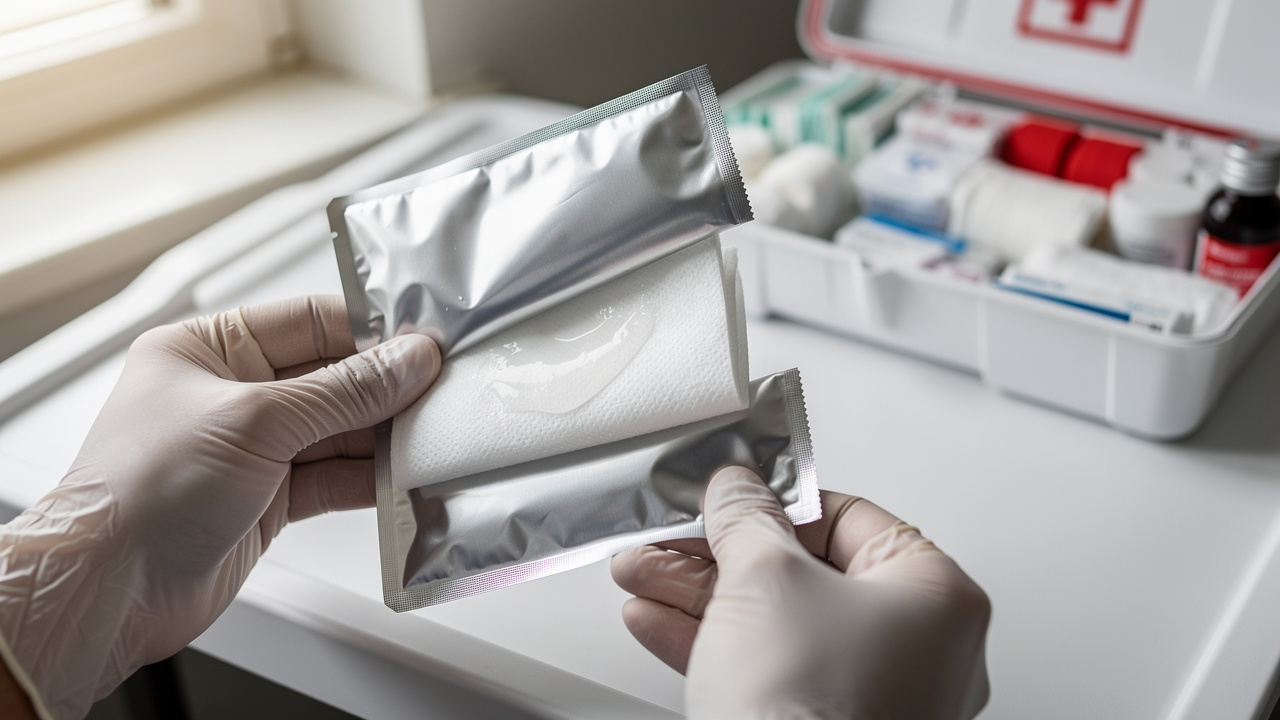
Each pad is saturated and then sealed in an individual foil pouch under controlled factory conditions. This unit dose format helps the product meet medical device sterility standards from bodies such as the Food and Drug Administration. When you open the pouch at the point of care, you get a fresh sterile pad, use it once, then discard it.
How Are Saline Wipes Used In First Aid And Clinical Settings?
Saline wipes first aid products are used in first aid and clinical settings to clean cuts, scrapes, peri wound skin, and sensitive face or nose areas in a gentle way. They are also used across schools, factories, offices, and clinics where non clinical staff often give first aid.
In emergency rooms and urgent care centers, staff reach for saline wipes for quick cleaning of small, localized injuries. They are handy for removing dried exudate during dressing changes or clearing skin around devices without soaking the patient. According to the Centers for Disease Control and Prevention, unintentional injuries send millions of people to emergency departments each year, which makes simple, reliable cleaning tools very practical.
Outside hospitals, you see wide use in occupational health rooms, school nurse offices, and first aid cabinets across construction, manufacturing, and logistics. The single use format means you can drop a few pouches into mobile kits, response bags, and vehicle kits without worrying about bottle expiry once opened. This supports consistent care in remote work zones and during travel.
Key Use Cases For Saline Wipes: First Aid Programs

Saline wipes first aid programs cover several repeat scenarios that you can plan for when you stock kits and cabinets. Understanding these use cases helps you match wipe size and packaging to actual demand instead of guessing.
- Wound cleansing for minor injuries is the most common need. Staff use saline pads to clean small cuts, scrapes, and abrasions before they place adhesive bandages or gauze. The pad softens dried blood, makes debris easier to lift, and keeps the area moist without adding sting. This approach supports better comfort than alcohol pads and helps non clinicians follow clear steps.
- Sensitive area care covers the face, eye area, and perinasal skin. Large format saline wipes are gentle enough to wipe away dried tears, discharge near the lids, or crusting around the nostrils during colds and allergies. Because normal saline is close to natural tears, it is better tolerated on periocular and nasal skin than soapy water or dry tissues, a finding supported by research on the Intraoperative Use of a balanced salt solution on ocular surface structures. Facilities can use the same product on both pediatric and adult patients, and evidence on hypertonic saline nasal irrigation further underscores saline’s tolerability across age groups in sensitive area care.
- Occupational and field uses include cleaning job site abrasions, road rash, and small tool related cuts. On a construction site or in a warehouse, carrying a small pouch is much easier than handling an open bottle. The wipe format also reduces the chance that dirt from gloved hands will touch the saline source, which helps keep infection risk lower for repeated kit use.
How Do Saline Wipes Compare To Other First Aid Cleansing Wipes?

Saline wipes and first aid products compare to other cleansing wipes as gentle cleaners that do not add a drug ingredient, but still remove surface debris. Other wipes, such as alcohol or iodine pads, focus on germ kill and have a different comfort and usage profile.
For a strong first aid program, you need clear roles for each wipe type. Alcohol pads support skin disinfection on intact skin before injections or minor procedures, while research on the Comparative Analysis of Thermal comfort and antimicrobial properties of base fabrics highlights how substrate choice significantly affects performance across wipe types. Iodine or chlorhexidine wipes give broad antimicrobial action but can irritate some skin types, as highlighted in studies evaluating Antimicrobial Efficacy of Five wound irrigation solutions in both in vitro and ex vivo biofilm environments. Specialty medicated wipes handle narrow problems such as hemorrhoids or an insect bite itch.
From a cost view, saline wipes are often slightly higher per unit than plain alcohol pads. However, they can reduce waste and staff time when they replace multi use saline bottles and rolls of gauze for small injuries.
Saline Wipes First Aid Vs Alcohol, Antiseptic, And Bottled Saline
Saline wipes, first aid products differ from alcohol, antiseptics, and bottled saline in purpose, comfort, and ease of use. This simple framework can help you explain the role of each option to value analysis teams and safety committees.
| Wipe Type | Main Use | Comfort Level | Typical Users | Key Limits |
|---|---|---|---|---|
| Saline wipes first aid | Gentle cleaning of minor wounds and sensitive skin | High comfort, no sting | Schools, clinics, factories, travel kits | No direct germ kill, not for heavy irrigation |
| Alcohol wipes | Intact skin prep and light surface cleaning | Low comfort on broken skin | Injection rooms, vaccination clinics | Not for open wounds or near eyes |
| Antiseptic wipes | Disinfection before higher risk procedures | Medium comfort, may irritate | Hospitals, surgery prep, central line care | More allergies and staining, narrow uses |
| Bottled saline plus gauze | Copious irrigation and larger wounds | Good comfort, more setup | Emergency rooms, ambulances | Multi use bottles can contaminate, slower in field |
As you decide on stocking levels, remember the regulatory context. For example, OSHA and ANSI require plumbed or self contained eyewash units in certain workplaces, and saline wipes first aid products are only a follow up tool near the eye, not a replacement. Clear policy text helps staff choose the right product at the right moment.
How To Use Saline Wipes Safely In First Aid Protocols

How to use saline wipes first aid supplies safely in protocols comes down to a simple technique and clear limits on what these wipes can and cannot do. When you standardize the steps, you give all responders, clinical or not, a safe pattern to follow.
A saline wipe is meant for external skin and shallow, low risk wounds. Deeper, larger, or heavily contaminated injuries still need running water or irrigation plus clinical assessment. Training should explain that a wipe cleans surface debris and supports comfort but does not replace medical judgment. If you make that message part of every safety class, people stop guessing in stressful moments.
Saline wipes also fit into OSHA and Joint Commission expectations for infection control. Single use pouches make it easy to avoid reuse and cross contact between patients or workers.
Best Practices For Using Saline Wipes First Aid Supplies
Best practices for using saline wipes and first aid supplies help your teams use the product the same way on every shift. These steps work in clinics, schools, and industrial first aid rooms.
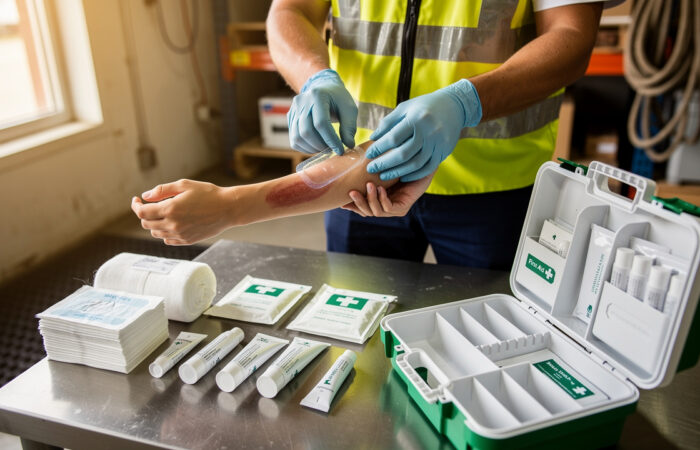
- Start with basic safety checks and setup. Confirm the injury is minor and suitable for on site care, not emergency services. Inspect the pouch for damage or expired dates, and replace it if anything looks wrong. Wash or sanitize your hands and put on gloves before you open the foil so the pad touches only clean gloves and skin.
- Clean in a controlled pattern that protects the wound. Open the pouch only when you are ready, then remove the pad without touching the cleaning surface. Wipe from the cleanest area outward, so you avoid dragging dirt into the wound. If you need more fluid, use a second pad rather than flipping the first one over, because that can reapply debris.
- Respect the scope limits of saline wipes first aid products. Use them only on skin and shallow wounds that bleed lightly, and never push the pad into deep cuts. If the wound is large, heavily contaminated, or has objects embedded, stop after a gentle surface wipe and send the person for medical care, as research on Compositional factors.
- Document and train around your chosen method. Add saline wipes first aid steps to written first aid flow charts, showing where they sit next to alcohol and antiseptic products. During training, highlight the no sting benefit so workers are not afraid to report small injuries.
Why Choose First Aid Longs For Wholesale Saline Wipes?

Why choose First Aid Longs for wholesale saline wipes comes down to quality control, manufacturing depth, and flexible support for your safety programs. When you work directly with a manufacturer, you get more control over specs, branding, and delivery.
First Aid Longs has produced medical and first aid products since 1996, serving hospitals, schools, factories, and government buyers worldwide, and innovations in Water-based environmental friendly graphene-coated wearable textiles reflect how manufacturing standards in medical fabrics continue to advance across the industry. Saline wipes first aid products are made in house in 100K Class Cleanroom facilities, so every pad is prepared under strict environmental control. This model lets the company offer stable quality along with competitive pricing, because there is no extra middle layer in the production chain.
In addition, First Aid Longs supports OEM and private label programs with low minimum order quantities. You can match branding across first aid kits, eyewash, burn gels, and storage boxes, which simplifies visual standards across large networks. The company already serves more than one hundred global clients, so it understands the needs of distributors, group purchasing organizations, and direct institutional buyers.
First Aid Longs Saline Wipes First Aid Solutions And Buying Considerations
First Aid Longs saline wipes first aid range centers on two main products that cover most clinical and workplace needs. Each option is individually packaged, with packaging formats and artwork that you can customize to match your brand or facility standards.
The CW 02 Saline Wipe uses a 0.9 percent isotonic sodium chloride solution designed for wound washing, post operative dressing changes, and general skin cleaning. It fits well in hospital units, urgent care centers, and industrial first aid kits, since it mirrors the clinical normal saline standard. You can order CW 02 in bulk boxes with single use sachets or in larger resealable bags for high throughput treatment areas.
The CW 01 Cleansing Wipe combines distilled water, 0.02 percent sodium chloride, and 1 percent Cetrimide BP for gentle skin cleaning with added antimicrobial benefit. This wipe suits intact or mildly irritated skin, such as around minor rashes or contact points under personal protective equipment. Buyers can select pack sizes from one hundred to one thousand wipes to match storage space and turnover.
Ready to Restock Essential Saline Wipes?
Maintain hygiene compliance with dependable saline wipes suited for high demand workplace environments.

Conclusion
Wrapping up your saline wipes first aid strategy starts with recognizing these wipes as a core, gentle cleaning tool across your facilities. They help you give fast, comfortable care for minor wounds and sensitive skin without relying only on alcohol or stronger antiseptics.
Compared with other wipes and bottled saline, saline pads offer single use sterility, less cross contamination risk, and simpler training for non clinical staff. When you combine clear protocols with the right mix of saline, alcohol, and antiseptic wipes, your first aid kits support better comfort and better compliance.
First Aid Longs adds another layer of value by pairing in house cleanroom manufacturing with flexible OEM options and reliable delivery. Now is a good time to review your current kits, map where saline wipes and first aid products fit, and connect with First Aid Longs to build a safer, more consistent first aid supply program.