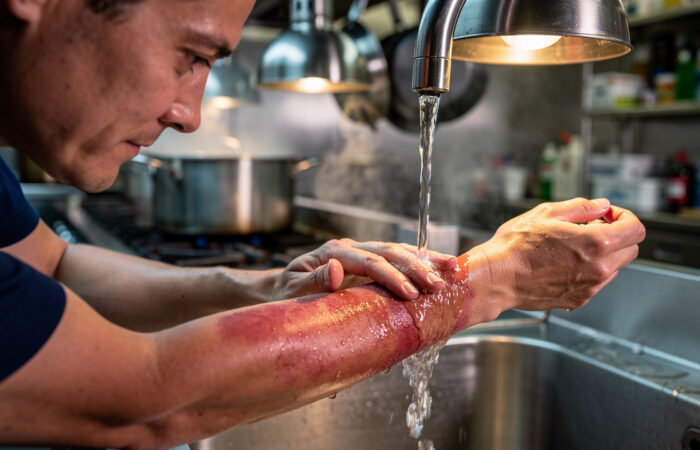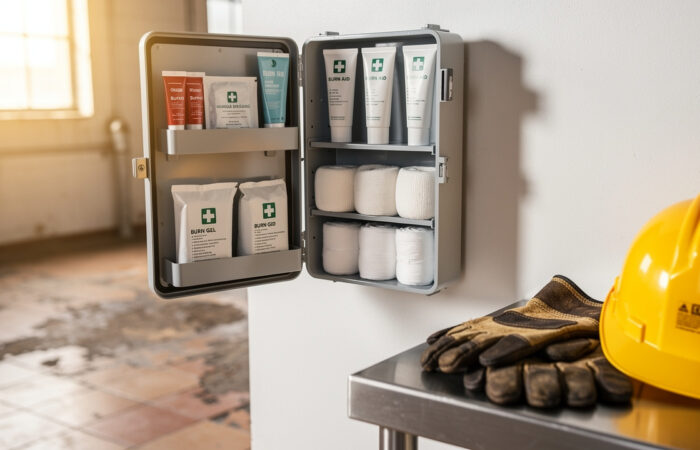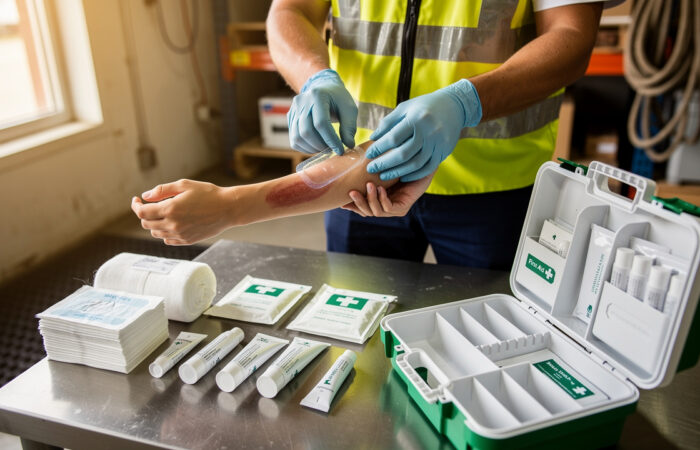
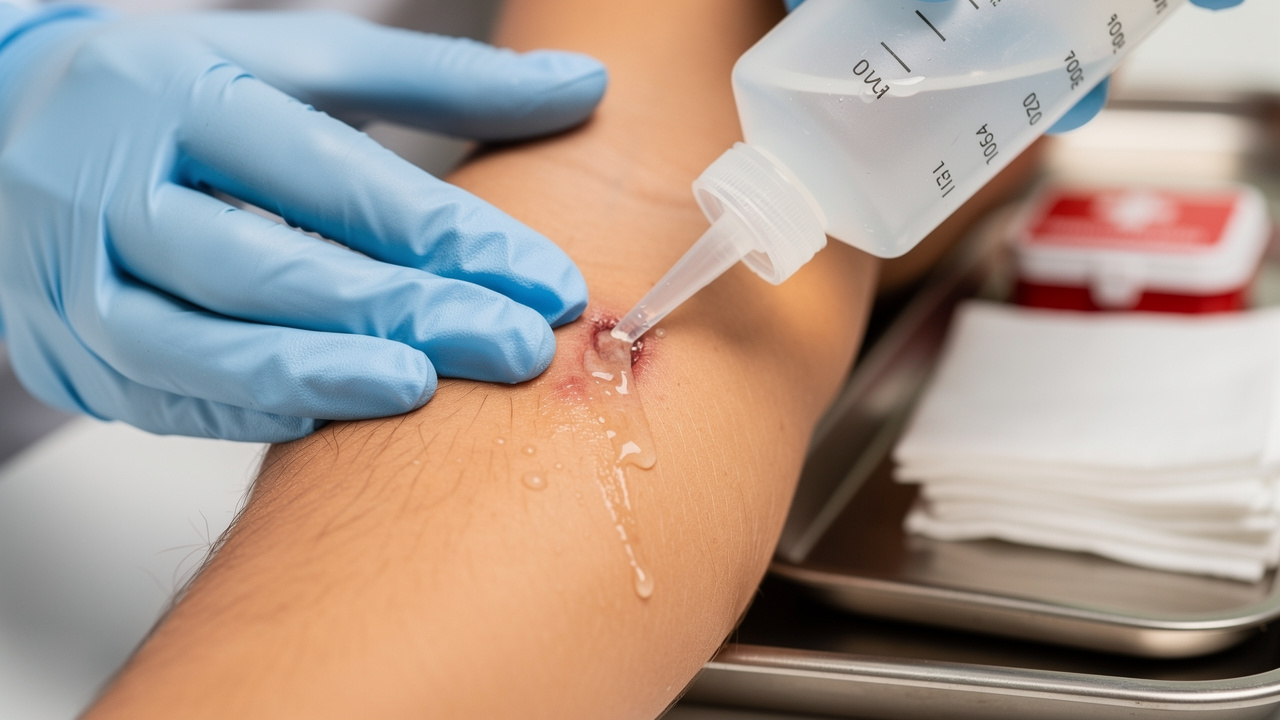
Wound cleaning saline is simple sterile saltwater used to flush dirt and germs out of cuts and other injuries. When organizations use it correctly, they lower infection risk, support healing, and keep patients and workers safer across all sites. For procurement and safety leaders, choosing the right saline formats and policies can feel confusing.
Minor cuts on a factory floor and surgical incisions in a clinic share the same need. They both require gentle, effective cleaning that does not damage healing tissue. Poor choices or inconsistent practices can lead to infections, extra clinic visits, and higher costs.
This guide explains what normal saline for wound cleaning is, when to prefer it over tap water, and how to put clear protocols in place. It also covers product features to look for and how a wholesale manufacturing partner can support a system wide program. Keep reading to turn scattered practices into a simple, reliable standard.
Key Takeaways
Why Saline Is The Standard For Wound Cleaning
It is isotonic and gentle, so it cleans without harming healthy tissue.When Sterile Saline Is Essential Vs Optional
It is needed in high risk wounds and patients. Lower risk cases may use good quality tap water.How To Standardize Wound Cleaning Across Sites
Shared protocols, training, and stocking plans keep practice consistent so everyone follows the same playbook.What To Look For In Saline Products And Suppliers
Check sterility, labeling, packaging, and manufacturing quality. Pick partners that can scale with your needs.Why A Wholesale Manufacturing Partner Matters
One reliable source reduces gaps and confusion and supports custom kits and long term supply.
What is Wound Cleaning With Saline, and Why Does it Matter

Wound cleaning with saline means irrigating an injury with sterile saltwater to remove debris, dried blood, and bacteria. The goal is to lower the germ load without hurting healthy cells that drive healing. Normal saline cleaning wounds fits this role because it is gentle, predictable, and simple to standardize across many locations.
Normal saline for wound cleaning is 0.9% sodium chloride dissolved in water, and its clinical properties are thoroughly documented in resources like Normal Saline – StatPearls. This mix is isotonic, which means its salt level is similar to body fluids. According to PubMed, isotonic fluids help keep cells stable while washing away contaminants. That balance matters for both small workplace cuts and complex wounds in hospitals.
Using the same wound cleaning saline across clinics, plants, and schools lets leaders write one clear protocol. Staff know what to reach for, how to use it, and what to document. This supports infection prevention programs, reduces training time, and lines up with guidance from groups such as the Centers for Disease Control and Prevention, which stresses prompt cleaning and covering of open wounds to reduce infection risk.
Core Properties Of Normal Saline For Wound Cleaning
Normal saline is simply 0.9% sodium chloride in purified water, and its key strength is that it behaves like body fluid. Because it is isotonic, it does not pull water into or out of cells, which helps protect fragile new tissue in the wound bed. Research summarized in the Journal of Athletic Training and indexed on PubMed shows that saline cleans wounds effectively without extra tissue damage.
Another key property is that sterile saline solution for wound cleaning is non cytotoxic. Many antiseptics, such as strong iodine mixes or hydrogen peroxide, can harm fibroblasts and other cells that build new tissue. Saline avoids that problem while still flushing away germs and debris. It is also colorless, odorless, and compatible with common dressings, sutures, and topical products used across clinical and workplace settings.
Typical uses include:
Acute cuts and lacerations
Abrasions from machinery or falls
Minor burns
Chronic ulcers
Post operative sites once dressings come off
For organizations, the main benefits include:
Predictable Safety For Many Wound Types
Staff can use saline on children, adults, and older patients with confidence. It works well for repeated irrigation, such as chronic wound care, because it does not damage healing tissue.Training That Is Simple To Explain And Repeat
When every kit and treatment room stocks the same saline for wound cleaning, instructions stay short and clear. New hires learn faster, and audits from groups such as the Occupational Safety and Health Administration are easier to pass.
When Should You Use Sterile Saline Solution For Wound Cleaning Vs Tap Water

Choosing between sterile saline solution for wound cleaning and tap water comes down to patient risk, wound type, and water quality. In higher risk settings, sterile saline is the safer default. In low risk settings with good municipal water, clean tap water can sometimes be acceptable.
A major review of nine trials found no consistent difference in infection rates when comparing potable tap water and normal saline for many acute and chronic wounds, as reported in the Journal of Athletic Training and listed on PubMed. In one study, warmed tap water even lowered infection risk by about 45% compared with room temperature saline for sutured soft tissue wounds. At the same time, the authors warned that water quality and patient risk must guide local policy.
For institutional buyers, that means writing tiered rules instead of one blanket rule. Sterile saline for wound cleaning should be ready for high risk cases, deep or complex wounds, and any setting where tap water quality is not certain. Potable tap water may play a role in simple injuries and home care when clinicians approve it. Clear documentation keeps choices defensible in both clinical reviews and legal settings.
Risk Based Scenarios For Saline Vs Tap Water
Evidence from randomized trials shows similar infection rates between potable tap water and saline in many controlled settings when water meets health standards. According to a review cited by the Journal of Athletic Training, infection outcomes in surgical, pediatric, chronic, and fracture wounds were broadly comparable across fluids. Cost per case was slightly lower with tap water, about 1.16 dollars versus 1.43 dollars for saline in one study.
Scenarios Where Sterile Saline Should Be Prioritized
High risk patients with weak immune systems. This includes people on chemotherapy, with poorly controlled diabetes, or with many serious conditions. For them, even small added bacterial exposure can lead to severe infection.
Deep, heavily contaminated, or high consequence wounds require sterile saline solution for wound cleaning, consistent with evidence-based guidance on antimicrobial wound irrigation, as shown in studies on Antimicrobial Efficacy of Five wound irrigation solutions. Injuries near joints, implants, or hardware, and open fractures fall in this group. Sterile saline solution for wound cleaning supports aggressive irrigation while limiting extra microbial risk.
Surgical and immediate post operative settings. Operating rooms, procedure suites, and recovery areas rely on sterile fluids as a basic expectation. Using saline here lines up with infection control guidance and accreditation reviews.
Remote or industrial sites with uncertain water quality. Work camps, older buildings, or sites with tanks or variable pressure cannot always trust tap water. Packaged wound cleaning saline solution gives safety officers a controlled option.
When regulations or internal policies require sterile fluid. Many hospitals and some corporate programs write in sterile irrigation for certain wounds. Saline helps staff follow those rules with minimal debate.
Scenarios Where Potable Tap Water Can Be Considered
Healthy adults and children with simple acute wounds. Small cuts and abrasions in clinics, schools, and offices may be rinsed with potable tap water when policies allow. Staff should confirm that building water meets local drinking water standards such as those described by the U.S. Environmental Protection Agency.
Certain chronic wound cleansing at home under guidance. Clinicians may approve tap water for daily rinsing if the patient has reliable water and low systemic risk. Clinic visits can still use wound cleaning saline for consistency.
Post operative showering after an initial period. Many surgeons allow gentle showering over sutured wounds after a set number of days. Policies can explain when showering is fine and when saline irrigation is still preferred.
Quick Comparison
| Factor | Sterile Saline | Potable Tap Water |
|---|---|---|
| Typical risk level | High risk patients or wounds | Low risk patients and simple wounds |
| Common setting | Hospitals, remote sites, regulated procedures | Homes, schools, low acuity clinics |
| Policy note | Often required by protocol or regulator | Use only when water quality is verified |
Written tiered protocols help staff decide quickly which fluid to use and document the choice.
How To Implement Best Practices For Wound Cleaning Saline Across Your Organization

Putting best practice into action means tying wound cleaning saline to clear workflows, training, and stocking plans. When every site follows the same steps, outcomes improve, and audits become easier.
Research collected in the Journal of Athletic Training shows that, when used correctly, both saline and potable water produce low infection rates. The bigger gap often lies in inconsistent technique or delayed cleaning. For leaders across hospitals, factories, and schools, the focus should be on timely irrigation, safe products, and simple instructions.
Clinical teams and safety officers can work together to write one standard that fits many sites. This standard should reference internal infection control policies and external guidance, such as OSHA and ANSI first aid kit expectations. Normal saline for wound cleaning then becomes the anchor fluid in that shared playbook.
Practical Protocols, Training, And Stocking Guidance

A simple workflow for using saline solution for wound cleaning can look like this:
Assess The Wound And The Person
Staff check wound type, depth, contamination, and the patient or worker’s health status. They decide whether the situation is low or high risk and follow the matching protocol.Select The Cleaning Fluid
For high risk wounds or unclear water quality, they choose sterile wound cleaning saline solution. For simple wounds in settings with verified potable water, they may use tap water if policy allows.Irrigate, Dress, And Document
Staff flush the wound until debris is gone and fluid runs clearer, then dry the surrounding skin, apply dressings, and record what they used. Clear notes support follow up and quality reviews.
Training should cover:
Basic infection prevention
Why is saline safer than harsh antiseptics for routine use
How to work with each format, including wipes, small bottles, and eyewash style products
Teams can practice using wipes, small bottles, and irrigation streams so they are confident in real events. It also helps to review evidence from sources like PubMed that support these choices.
Stocking plans should place saline for wound cleaning close to likely injury sites, such as:
Shop floors and loading docks
Commercial kitchens and food prep areas
Nurse stations, school health rooms, and triage rooms
Safety teams can estimate average volume per incident and add buffer stock to avoid shortages. Regular checks of first aid kits, with rotation by expiration date, keep products ready for use. Standardizing on a small set of SKUs simplifies training and purchasing across multiple locations.
What To Look For in Wound Cleaning Saline Products and Suppliers
Not every saline solution wound cleaning product is built the same way. Procurement teams need to confirm that each item is truly suited for direct wound use and that the supplier can support long term needs.
Key points include fluid quality, sterility, labeling, and packaging that fits real working conditions. For example, pressurized cans may be better for remote or industrial settings, while unit dose vials work best in wound clinics. Suppliers also vary in their ability to provide documentation, scale production, and handle custom requests.
According to reviews on PubMed, normal saline remains the reference fluid for safe wound irrigation because it is isotonic and non cytotoxic. That clinical backing should be matched by strong manufacturing and quality systems on the business side.
Product Features And Supplier Criteria That Matter
When evaluating saline for wound cleaning, start with product level checks:
Confirm Composition And Intended Use
The label should state 0.9 percent sodium chloride in water and indicate that it is for wound cleansing or irrigation. Packaging should clearly mark whether it is sterile and single use or suitable for limited multi use with safeguards.Review Labeling, Packaging, And Shelf Life
Good products list indications, directions for use, storage conditions, and expiration dates in clear language. Containers for field use should resist leaks and damage, with easy open caps or directional nozzles that work in gloves and tight spaces.
Supplier level criteria are just as important:
Manufacturing Quality And Approvals
Strong partners operate their own facilities, follow documented quality control, and hold relevant medical approvals for wound and eye irrigation products. They can provide test reports and certificates when auditors ask.Scale, Flexibility, And Support
A good supplier offers bulk volumes, different bottle or wipe sizes, and stable lead times across hospitals, factories, and offices. They can also support OEM and custom labeling so your saline products and kits match internal safety protocols and branding.
A simple checklist table in your RFPs that covers clinical suitability, regulatory compliance, packaging, scalability, customization, and customer service helps compare vendors side by side.
Why Choose Us For Saline Wound Cleaning Solutions
For organizations managing many sites, working with one specialist partner for wound cleaning saline reduces complexity and risk. Instead of juggling many brands and formats, procurement managers can build a coordinated program backed by a single manufacturer.
Working with a supplier that offers full in house manufacturing and cleanroom facilities helps keep quality and pricing stable across large orders. When that supplier already serves healthcare, industrial, and institutional clients at scale, it becomes easier to standardize products and reduce variation from site to site.
A strong partner will:
Provide medically approved saline wipes, eyewash, and first aid kits
Support both small and very large orders with consistent lead times
Offer OEM and private label options that match your safety protocols
Share documentation needed for audits and compliance reviews
If you want to upgrade your wound care and first aid kits, it is worth choosing a partner that focuses on saline based products and understands workplace safety needs.
Saline Wipes, Eyewash, And First Aid Kits For Scalable Wound Cleaning Programs

One of the easiest ways to keep wound cleaning consistent is to stock a focused range of saline wipes, eyewash, and first aid kits that all use the same wound cleaning saline. Buying from a specialist such as First Aid Longs makes this very practical across multiple locations.
First Aid Longs offers saline wipes for wound cleaning that are individually wrapped for single use. These wipes use gentle, non irritating ingredients that are safe for direct contact with open skin. Bulk options range roughly from 100 to 1,000 wipes per master pack, which fits both small clinics and large enterprise programs. They fit easily into first aid kits in vehicles, offices, and production areas and can be seen on the First Aid Longs saline wipes page.
The company also supplies saline eyewash and irrigation solutions in 100 ml, 250 ml, and 500 ml bottles, and the critical importance of a stable saline supply chain is highlighted by research such as Frontiers | Disruption of normal saline supply chains and its impact on care delivery. These can serve both eye flush and wound irrigation needs, especially in high risk zones where splashes and debris are common. Wall mounted stations built from durable materials include bottles and accessories like mirrors, making it simple for workers to start flushing immediately.
Comprehensive first aid kits from First Aid Longs combine saline products with gauze, dressings, compresses, wraps, and bandages. Kits come in multiple configurations suited to different industries and risk levels, which helps safety leaders match contents to OSHA and ANSI expectations. For distributors and large employers, OEM and customization options allow private labels, custom colors, and instructions that mirror internal safety language.
Because manufacturing is in house, First Aid Longs can offer competitive wholesale pricing and reliable lead times on saline for wound cleaning, eyewash, and full kits. This blend of quality, flexibility, and logistics support makes the company a strong partner for long term wound care programs. Buyers can contact the team through the First Aid Longs website to request quotes, product specs, or OEM discussions.
If you are reviewing your current stock, this is a good time to compare your existing wipes and eyewash against purpose built normal saline wound cleaning products and consider switching over.
Bringing It All Together For Safer Wound Care
Sterile saline solution for wound cleaning gives organizations a safe, non cytotoxic standard that suits many wound types, from minor abrasions to complex surgical sites, an approach further supported by emerging research such as studies on Hydrogen-Enriched Saline for Redox modulation in wound healing. When paired with clear protocols, it helps lower infection risk and keeps care consistent across hospitals, plants, schools, and field teams.
The practical steps are straightforward:
Decide when saline is required and when high quality tap water is acceptable
Train staff on simple irrigation workflows that make sense in real scenarios
Stock the right formats where injuries happen most, such as wipes, bottles, and kits
Review usage data and adjust stocking levels before shortages occur
Working with a wholesale manufacturer such as First Aid Longs ties these elements together with reliable supply, OEM options, and strong quality control. Now is a good time to review your current first aid kits and wound care stock, close any gaps in saline coverage, and buy normal saline wipes or eyewash from First Aid Longs so your team always has the right products on hand.
Ready to Stock Essential Saline Wipes?
Maintain hygiene compliance with dependable saline wipes suited for high demand workplace environments.