Emergency preparedness business planning keeps people safe and keeps your doors open when trouble hits. It covers hazard assessments, stocked first aid kits, and the right partner choice. According to the Bureau of Labor Statistics, private employers reported about 2.5 million nonfatal workplace injuries in a recent year, a trend confirmed by recent research on Nonfatal work-related injuries treated in hospital emergency departments across the U.S. from 2012 to 2023. In this article, you see 2026 trends, first aid system upgrades, and vendor ideas that match real hazards and budgets. You also see how First Aid Longs supports you with reliable, customizable supplies.
Key Takeaways
You may not have time to read every detail, so start here. These points highlight what matters most for your facilities right now.
- Trend Toward Risk-Based, Data Driven Planning. You now build plans from hazard data, not guesswork. You use sources like FEMA and local emergency management. You match supplies and training to the actual risks that data reveals.
- From Retail Kits To Standardized, OSHA Compliant Systems. You move away from mixed retail kits that all look different. You line up contents with ANSI and OSHA guidance across every site. You treat first aid as a managed system, not a one time purchase.
- ROI And Culture Benefits Of Strong Preparedness. You see fewer severe injuries and faster care. You cut compensation claims and downtime. You also show your people that their safety matters every day.
What Is Driving Emergency Preparedness Business Trends In 2026?

Emergency preparedness trends for your business in 2026 come from rising risk and rising expectations. You now face more frequent shocks plus tighter oversight from regulators, insurers, and boards.
These pressures turn emergency preparedness business planning into a core part of your overall plan, not a side topic. You must protect people, limit downtime, and keep key services running, even when disaster hits.
Key Risk Drivers, You Cannot Ignore
Your emergency plans now start with a clear set of hazard types.
- Natural hazards include hurricanes, tornadoes, floods, wildfires, winter storms, and extreme heat that can shut down plants or clinics for days.
- Health hazards include flu surges and pandemics that hit staffing and patient loads at the same time.
Human caused hazards cover workplace violence, industrial accidents, chemical spills, and transportation incidents near your site. Technological threats include power loss, network outages, and cyberattacks that lock electronic health records or production controls. According to Statista, the number of natural disasters recorded worldwide has grown over recent decades, so these risks stay on your radar.
Each threat hits sectors in different ways:
- Hospitals depend on power and oxygen for life support.
- Manufacturing and construction workers face burns, cuts, and eye injuries around heavy equipment.
- Corporate offices depend on data and building access control.
Regulatory And Financial Pressures On Your Business
Regulatory pressure strongly shapes your emergency preparedness choices. OSHA rules such as 1910.151 and 1926.50 require ready access to first aid and trained help where serious harm may occur. Healthcare facilities also follow the CMS Emergency Preparedness Rule and standards from the Joint Commission, which require written plans, drills, and adequate supplies.
The financial side is just as strong. The U.S. Small Business Administration notes that about one in four small firms never reopen after a major disaster, a pattern explored further in research on Rejecting the Grand Bargain: what happens when large companies opt out of workers’ compensation systems entirely.
| Hazard Type | Example Impact On Operations | Cost Or Regulatory Risk |
|---|---|---|
| Natural disaster | Facility closure and property damage | Lost revenue, repair costs, and possible safety citations |
| Workplace injury | Production stop or clinical delay | Workers’ compensation claims and higher premiums |
| Cyber incident | EHR or control system outage | Privacy fines, manual rework costs, and trust damage |
Why Leadership Now Sees Emergency Preparedness Business As A Core Strategy
Leadership teams now see preparedness as part of business continuity and brand protection. Preparedness also supports recruitment and retention. People feel safer working in a plant, clinic, or office where exits, alarms, and first aid kits clearly make sense. Insurers and boards expect written plans, supply lists, and drill records during reviews.
How Are First Aid And Medical Supplies Evolving In Emergency Preparedness Business Plans?
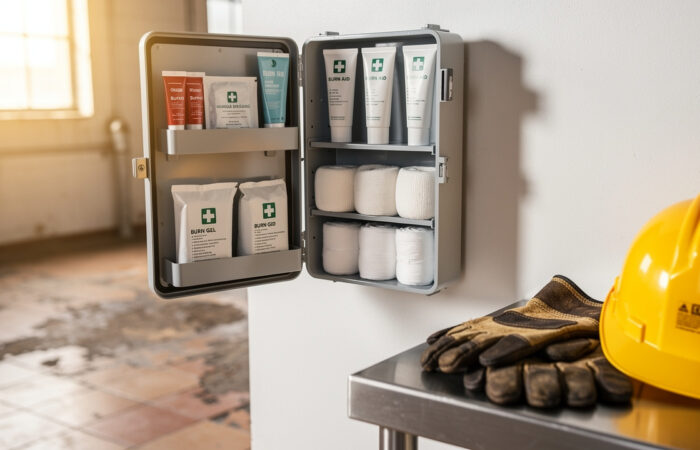
First aid and medical supply programs inside your emergency preparedness business plan now look different from a shelf full of random boxes. You move toward consistent, OSHA aligned systems that match real hazards and support quick refills.
From One Off Kits To Standardized, OSHA Compliant Systems

In the past, many workplaces bought first aid kits from local stores whenever someone remembered. Contents varied by brand, shelves were filled with duplicates, and nobody knew which kits met OSHA expectations.
Now you see more use of ANSI/ISEA Z308.1 as a reference for workplace first aid contents and layout. OSHA often points to this standard when checking whether your kits can treat likely injuries.
| Feature | Old Approach | Modern First Aid Program |
|---|---|---|
| Kit source | Random retail purchases | Standard kits from one wholesale partner |
| Contents | Inconsistent by site | ANSI referenced and OSHA aligned |
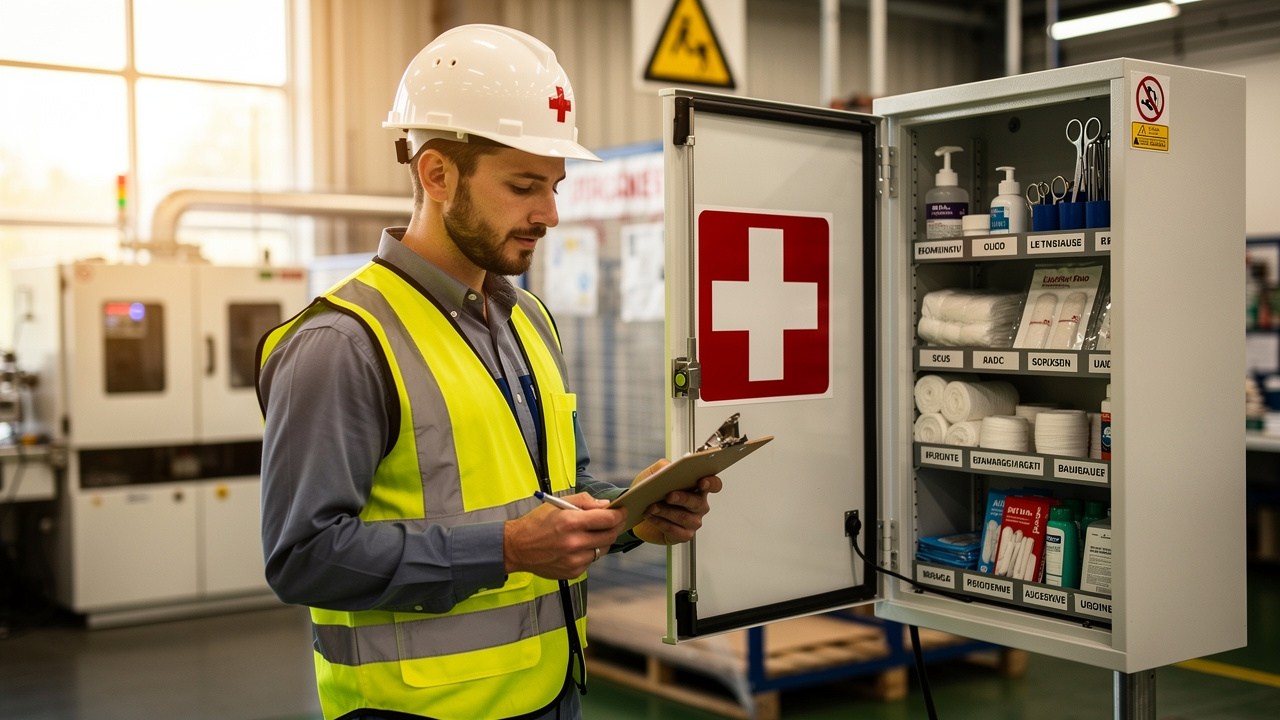
| Layout | Hard to read, mixed brands | Clear labels and organized sections |
| Management | No owner or checks | Assigned owner, inspections, and refill plans |
Tailored Kits For Industry Specific Risks
Another clear trend is tailored kits that match your hazard profile.
- A construction site needs heavy trauma supplies for falls and cuts.
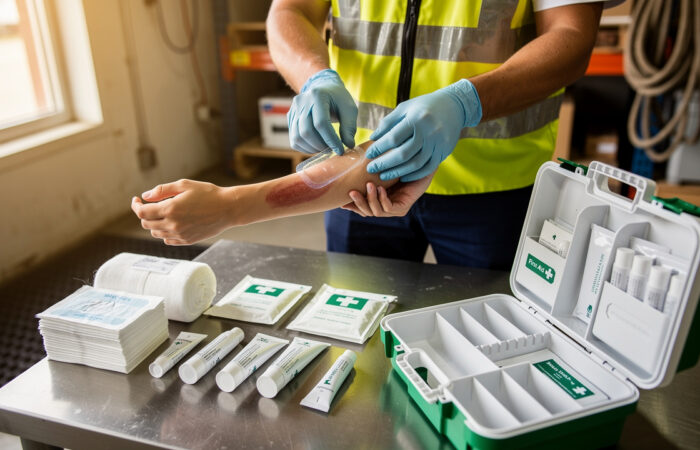
- A food plant needs blue, metal detectable bandages and strong burn care for hot surfaces.
- Labs and chemical facilities rely on eyewash, chemical splash dressings, and absorbent materials for spill response.
Schools and offices often focus on automated external defibrillators, bleeding control kits, and child sized supplies. Hospitals, urgent care centers, and clinics need more advanced items that line up with medical direction, such as airway tools and IV start sets.
Replenishment Programs And Multi Site Alignment

Many organizations struggle with used or expired items sitting in kits for months, a challenge reflected in standardized datasets such as De-identified U.S. Occupational Injury records that track how injury events and industry classifications interact across worksites. Different locations also add their own products, which makes audits and training harder. You solve both issues with structured refill programs.
Here is a short comparison of refill choices you may weigh for your emergency preparedness business program.
| Approach | Pros | Cons |
|---|---|---|
| Do it yourself | Low direct cost and full control | High staff time, easy to miss expiry dates |
| Occasional retail buys | Fast in small quantities | Higher per unit cost, poor standardization |
| Managed replenishment | Consistent contents and better audits | Needs setup with a reliable partner |
Which Operational Trends Are Shaping Modern Emergency Preparedness Business Programs?
Operational trends in emergency preparedness business programs now extend far beyond fire drills. You build structured risk assessments, continuity plans, and communication routines that include first aid and medical readiness.
These programs tie into data backup, cyber response, and supply planning, so you can keep core services going while the incident unfolds.
Risk And Vulnerability Assessment As Your Starting Point
You now start preparedness work with a risk and vulnerability assessment rather than a generic checklist. You list likely hazards for each site, rate both probability and impact, and map which functions suffer if a hazard occurs.
Examples of focus areas:
- Healthcare facilities may look at emergency departments, operating rooms, intensive care units, pharmacies, and sterile processing.
- Manufacturing and construction teams look at heavy equipment, cranes, confined spaces, and chemical use.
- Schools and government offices think about crowded assembly areas and staff with mobility or language needs.
Integrated Business Continuity And Downtime Workflows
Preparedness trends now blend into business continuity planning. You identify essential functions that must keep running, such as patient care in certain units, key production lines, payroll, and communication with customers or regulators.
You also define how to work when important systems are down. That can include:
- Paper based charting and manual logs
- Alternate phones and radios
- Temporary work areas and backup sites
Regular data backups and tested restore steps protect billing, inventory, and clinical records from cyber events or hardware loss.
Communication, Training, And Drill Expectations

Modern preparedness programs stress clear communication and practice. You rely on multiple channels such as text alerts, overhead paging, email, radios, and badge systems, because one method may fail during an event. You also plan how you inform families and keep in contact with off site staff.
Training now covers more than fire exits. You include how to use first aid kits, automated external defibrillators, bleeding control tools, and eye wash stations. Drills often add medical scenarios, like a severe cut on a production line or a breathing issue in a waiting room, so staff can rehearse the real use of supplies.
How Can You Build A Future Ready Emergency Preparedness Business Partnership Strategy?

Vendor and partner strategy now sits at the center of your emergency preparedness business plan. You rely on suppliers for first aid, medical products, and safety gear that must be ready before, during, and after any crisis.
A smart partnership approach focuses on quality, compliance support, and supply chain strength. First Aid Longs, as a direct manufacturer with cleanroom facilities, fits this model and helps you scale from single sites to large networks.
Choosing The Right Emergency Preparedness Business Suppliers
When you evaluate suppliers, you look beyond price tags. You want partners with real experience in healthcare, manufacturing, construction, and education, so they understand your risk profile. You also want proof that products align with OSHA and ANSI guidance.
Cleanroom manufacturing and strong quality systems matter, especially for medical items that sit in hot vehicles or humid plants. Wholesale and bulk programs help you standardize across multiple locations and vehicles while avoiding the hidden cost of piecemeal retail buying.
Why Partnering With A Direct Manufacturer Like First Aid Longs Matters
Working with a direct manufacturer such as First Aid Longs gives you more control over both quality and cost. Their in house production in 100K Class Cleanroom facilities lowers contamination risk and supports medical grade performance in harsh environments.
First Aid Longs offers flexible order sizes, so that you can support small clinics, growing construction firms, and national fleets without waste. You can choose from wall mounted, cabinet, bag, and vehicle formats that suit each workspace. OEM and custom options let you set kit contents by hazard type, add your brand, and pick durable cases that tolerate weather and heavy use.
Measuring ROI And Continuous Improvement In Emergency Preparedness Business
You can show a clear return on investment from stronger preparedness and better first aid programs. Internal analysis from First Aid Longs clients shows a return of about 4 to 1 when you compare program costs with reduced injury expenses and smoother operations.
To track your own results, monitor injury severity, response time, emergency room visits, and lost time incidents before and after upgrades. Watch how often staff use kits correctly in drills and real events.
You can then refine stock levels, kit placement, and supplier arrangements year after year. Over time, this continues to strengthen safety culture, staff confidence, and inspection outcomes.
Conclusion
Emergency preparedness business planning now sits alongside quality and finance as a core responsibility. Hazards from storms to cyber incidents, along with OSHA and healthcare rules, push you to treat preparedness as part of everyday management. Standardized, OSHA aligned first aid systems and reliable wholesale partners are key building blocks. First Aid Longs supports you with manufacturer direct, ANSI referenced kits, industry specific options, and structured refill support across many sites. You can decide which supplier strategy will keep your teams safest over the long term.