


How much difference can one small product in a first aid kit make to incident rates, recovery times, and compensation costs? When staff grab the nearest product after a hot oil splash, are they pushing healing forward or slowing it down without meaning to? And when safety reports show repeat burn injuries, how often is the real problem hidden in a simple choice between burn gel vs burn cream?
Many teams still believe that any “burn cream” is fine, or that ice, butter, or kitchen products are acceptable first responses. Others stock a mix of gels, creams, and ointments without clear rules, so staff guess under pressure. That guesswork can mean more pain, slower healing, and avoidable medical visits, even when the burn itself is minor.
This guide looks at burn gel vs burn cream through a workplace lens, not a home remedy lens. For procurement and EHS teams, choosing the right burn response products can directly affect treatment consistency, employee confidence, and incident outcomes across multiple sites. Burn gel is a hydrogel product with very high water content, built for fast cooling and pain relief in minor burns. Burn creams and ointments usually belong later in the process, when the skin has cooled, and the goal shifts to moisture and infection control.
By the end of this article, you will have a clear, simple framework to decide when to use gel, when creams or ointments have a place, and when to skip products and go straight to medical care. You will see how to write practical SOPs, where to place products in different departments, and how First Aid Longs builds gel‑centered burn modules that match modern clinical guidance for workplace first aid.
Key Takeaways
Burn gel is a water‑rich hydrogel used right after cooling a minor burn with running water. It pulls remaining heat away from the skin, reduces pain fast, and provides a moist cover without a heavy, greasy layer. In most workplace kits, it should be the first topical product staff reach for after water.
The phrase burn cream covers many different products, from prescription silver creams to simple moisturizers and antibiotic ointments. These products are better suited for later stages once the burn is no longer hot and the goal is protection rather than cooling. They should rarely be the very first thing applied to a fresh workplace burn.
A simple rule of thumb keeps staff on track: cool with running water, use burn gel for small, minor burns, then move to moist healing with hydrogel dressings or light ointments, and send any serious burn straight for medical care. This keeps your response fast, safe, and easy to teach.
First Aid Longs builds its burn modules around gels and hydrogel dressings rather than random consumer burn creams. That approach matches modern burn guidance and removes guesswork for staff. By the end of this guide, you will know when to choose burn gel vs burn cream, how to write clear SOPs, and which products belong in each area of your sites.
What’s The Real Difference Between Burn Gel And Burn Cream
For procurement and safety teams, the phrase burn gel vs burn cream can sound like a small detail. In practice, these are very different tools that belong at different points in the burn care timeline. Treating them as interchangeable leads to confusing kits and mixed messages in training.
Burn gel is a hydrogel based product with very high water content. It draws heat away from the skin, gives a cooling effect that continues after you stop the tap, and covers exposed nerve endings so pain drops quickly. Gels are usually clear or slightly opaque, non‑greasy, and packed in single use sachets, tubes, or pre‑soaked dressings, which makes them easy to standardize in workplace kits.
Burn cream is a broad everyday term rather than a single medical product type. Staff may use it to describe prescription antimicrobial creams such as silver sulfadiazine, retail burn and sunburn creams with aloe or local anesthetic, or even plain antibiotic ointments like bacitracin. These products focus on moisture, barrier protection, or infection control, not on the rapid cooling of a fresh burn.
A side‑by‑side view helps make the difference clear.
| Aspect | Burn Gel | Burn Creams And Ointments |
|---|---|---|
| Main Job | Immediate cooling and pain relief for minor burns | Ongoing moisture and infection control in selected cases |
| Typical Timing | Minutes to first hours after injury | Hours to days after injury once the burn has cooled |
| Common Format | Single‑use packets, tubes, hydrogel dressings | Tubes, jars, prescription tubs, squeeze packs |
| Best Location | First aid kits on lines, in vehicles, near heat sources | On‑site clinic or nurse station, later‑care supplies |
Modern workplace first aid guidance leans toward gels and hydrogels for the first aid phase and away from complex burn creams in general kits. First Aid Longs reflects this shift by focusing on burn gels and hydrogel burn dressings as the core of minor burn care instead of filling cabinets with mixed creams that demand clinical judgment.
How Burn Depth Shapes Your Choice: Burn Gel Vs Burn Cream
Before deciding between burn gel vs burn cream, you need a quick sense of burn depth. That does not mean staff must make medical‑level calls, but they should separate minor from serious burns.
First‑degree burns affect only the outer layer of skin. They look red, feel painful, and stay dry with no blisters, like a mild sunburn or a brief touch on a hot tray. These are classic cases for cool running water, followed by burn gel and light covering on site.
Superficial partial‑thickness burns reach a bit deeper and often show clear blisters with a very painful, moist surface. Small areas that do not involve the face, hands, feet, genitals, or major joints can often be cooled with water, then treated with burn gel or a hydrogel dressing and monitored under a non‑stick cover. Later, some sites may add a simple ointment once the burn is clearly stable.
Deeper burns that look white, brown, leathery, charred, or oddly painless in the center are a different story. Any such burn, or one that covers a large area or involves electrical or chemical exposure, should bypass both gel and cream as final care. Your role is to cool if safe, cover with a clean dry dressing, and arrange urgent medical help.
“If a burn looks deep or involves a large area, first aid stops with cooling and covering. That person needs expert care, not more products from the kit.”
— British Burn Association Guidance (paraphrased)
Why Clinical Guidelines Favor Gels And Hydrogels For First Aid
Burn experts and groups such as the American Burn Association keep their early care priorities simple. Stop the burning source, cool the area with cool or room‑temperature running water for up to twenty minutes, avoid ice, keep the rest of the body warm, and cover the burn with a clean non‑stick material. That pattern reduces pain, limits tissue damage, and prepares the person for further assessment.
Thick burn creams and ointments tend to work against those goals in the first minutes and hours. They can trap residual heat in the skin, make it harder for clinicians to judge burn depth, and offer little benefit over proper water cooling for fresh minor burns. That is why many clinical protocols advise against smearing heavy creams on new burns on the shop floor.
Hydrogels and burn gels, on the other hand, are built to extend the effect of water cooling without blocking the view of the skin. Their high water content keeps drawing heat out while the gel layer soothes exposed nerves. Hydrogel burn dressings go one step further by pairing that cooling with a gentle non‑stick interface. This is the approach First Aid Longs follows when it designs burn modules for industrial and commercial clients.
When To Use Burn Gel: Immediate Relief, Cooling, And Comfort

Once you accept that cooling comes first, the next question is where burn gel fits in your standard response. Think of burn gel as the link between the tap and the dressing, especially for small workplace burns that hurt a lot but are not deep.
The core job of burn gel is to move heat away from the burned skin while easing pain. Its high water content absorbs residual heat that lingers after contact with hot metal, steam, or liquid. The gel covers nerve endings, so the intense stinging many staff feel becomes a dull ache that is easier to manage during reporting, transport, or a return to light duties.
In a clean process, you cool under running water first whenever you can. If water access is limited, such as on remote construction sites or agricultural fields, burn gel can act as a partial stand‑in until better cooling is possible. Either way, gel comes after the heat source is gone and the first flush of water is complete, not in place of that early step when water is available.
Burn gel is well suited to:
First‑degree burns
Small superficial partial‑thickness burns
Examples include:
A line cook bumping a hot tray
A maintenance tech touching a hot exhaust
A worker getting a small steam splash on the forearm
An outdoor guard with sunburn on the neck
In these cases, a thin layer of gel or a small hydrogel dressing after cooling, followed by a light non‑stick cover, is often all that is needed on site.
There are clear limits, though. Burn gel is not a treatment for large burns, deep charring, electrical injuries, chemical spills, or burns on the face, hands, feet, genitals, or major joints. Those injuries call for cooling if safe, dry coverage, and fast transfer to medical care, not extra layers of product. Used within its proper range, gel reduces distress, keeps records clearer, and increases staff confidence in your burn protocol.
How To Use Burn Gel Step By Step In An Incident

Stop the burning process.
Move the employee away from flames, hot surfaces, steam, or liquid, and shut down power or fuel sources if it is safe to do so. Remove watches, rings, bracelets, and any clothing that is not stuck to the skin before swelling starts, but never pull off fabric that has melted into the wound.Cool with water, not ice.
Hold the burned area under a gentle stream or pour cool water over it for up to twenty minutes, while keeping the rest of the body warm. Avoid very cold water or ice packs because they can damage tissue further and raise the risk of hypothermia, especially in children or smaller adults.Check severity.
Look for burns that are very large, cover the face or major joints, look white or charred, or involve electricity, chemicals, or breathing problems. If any of these red flags are present, move straight to dry covering and medical care rather than applying gel or cream.Apply burn gel to minor burns.
For small burns that pass that check, pat the area around the burn dry without rubbing the damaged skin itself and confirm it is no longer hot to the touch. Apply a thin, even layer of burn gel or place a hydrogel dressing so it fully covers the burned surface.Cover and protect.
Place a clean non‑stick pad or gauze over the gel‑covered area and secure it loosely with a light wrap so circulation is not limited. This cover protects the burn from bumps and contamination and often reduces pain even more by shielding it from the air.Record and monitor.
Record what happened, what you used, and when, and make sure the employee knows which warning signs mean they should seek medical review, such as rising pain, spreading redness, fluid with a bad smell, fever, or a burn that has not started to heal within about two weeks.
Where Burn Gel Belongs In Your Facilities

Many organizations now audit burn stations the same way they audit PPE placement, ensuring hydrogel products are accessible within seconds of high heat exposure areas.”Deciding between burn gel vs burn cream on paper is only half the job. You also need to place the right products in the right spots so staff can reach them in seconds without hunting through cupboards.
High heat environments should almost always have burn gel within a quick walk, including:
Commercial kitchens and deli or bakery counters
Production lines with hot molds, presses, or welders
Automotive bays with exhausts and radiators
Warehouses or logistics hubs that use heat guns or shrink‑wrap equipment
In these areas, gel packets or hydrogel dressings belong in wall‑mounted first aid kits and at fixed stations near the hazard.
Other settings still benefit from gel, even if the burn risk is lower. School science labs, university workshops, gyms, pools, hotel spa and housekeeping areas, and corporate break rooms all see minor burns from time to time. First Aid Longs works with you to map these risks and match the format to the setting, such as single‑use gel packets in mobile kits and security posts, and larger hydrogel dressings in central stations at plants and busy venues.
How Burn Creams And Ointments Fit Into The Bigger Picture
Burn creams and ointments are not useless; they just sit in a different place in the process than many staff think. For workplace planning, it helps to split them into three camps instead of treating them as one simple category.
Prescription antimicrobial burn creams – silver sulfadiazine is the best‑known example.
Provide broad antibacterial action
Still used in some clinical burn units for certain partial‑thickness burns under close medical follow‑up
Form a thick white layer that can hide the wound surface, slow down skin regrowth in more superficial burns, and bring side effects such as temporary drops in white blood cell counts
Not meant for casual use in wall‑mounted kits and should only appear in on‑site clinics that follow medical direction
Over‑the‑counter burn and sunburn creams are sold to consumers.
Often mix aloe, moisturizers, and sometimes small doses of local anesthetic
May feel soothing on mild sunburn or dry, healed skin, but the quality and ingredients vary widely
A weak base for standardized workplace protocols where you need predictable performance and low allergy risk across large groups of employees
Antibiotic ointments like bacitracin, Polysporin, or Neosporin, which many workers informally call burn cream.
Useful for small, clean wounds
Can play a role once a minor burn is cool and stable
A thin layer under a non‑stick dressing helps prevent infection and keeps the gauze from sticking to fragile new skin, especially after blisters have settled
The key is timing. For a fresh, hot burn, cooling with water and then using burn gel or a hydrogel dressing is almost always the better choice. Creams and ointments, whether simple antibiotics or more complex products, belong in later stages for selected minor injuries and usually with some clinical guidance.
Why “Any Burn Cream” Is Not A Safe Workplace Policy
Many sites set a basic rule that every kit must have some kind of burn cream and stop there. On the surface, that sounds responsible, yet it leaves you with very little control over what staff actually apply and when they use it. That lack of control can quietly increase risk across all your locations.
Ingredient risk.
Generic retail burn creams can contain local anesthetics, fragrances, colorants, and antibiotics like neomycin that trigger allergies in some people, yet many employees never read the fine print during an emergency. That means a well‑meaning first aider might trade a simple minor burn for a painful rash or more serious reaction.Confusion over timing and purpose.
If kits are filled only with cream, staff may skip water cooling and smear on a thick layer right away, which can trap heat and slow healing. It also makes later assessment harder, because the true color and depth of the burn are hidden under an opaque film.Inconsistency across sites.
Different buyers may choose different brands over time, so you end up with a patchwork of products and no easy way to train staff on what they should do first. That hurts standardization and makes incident review much harder for safety teams.
A better plan is to standardize on burn gel and hydrogel dressings for the acute phase, then pair them with simple, well‑understood options like petroleum jelly or bacitracin for later dressing changes when your occupational health partner agrees. That structure turns burn gel vs cream from a guessing game into a clear, teachable policy.
Mapping Gels, Creams, And Dressings Across The Healing Timeline
Thinking in phases helps staff remember where burn gel vs burn cream fits in day‑to‑day use. For minor workplace burns that stay on site, you can picture four rough time windows with different goals and preferred tools.
| Time Window | Main Goal | Preferred Products | Products To Avoid |
|---|---|---|---|
| First few minutes | Stop damage and cool tissue | Cool running water, then burn gel or hydrogel dressing for minor burns | Ice, very cold water, thick greasy creams on a hot burn |
| First hour after cooling | Comfort and simple protection | Burn gel or hydrogel dressing under a light non‑stick cover | Heavy antibiotic creams, home remedies such as butter or toothpaste |
| Twelve to forty‑eight hours | Reassess and support healing | Hydrogel or hydrocolloid dressings, a thin layer of petroleum jelly or antibiotic ointment on small, stable burns | New products on burns that start to look worse or deeper |
| Three to fourteen days | Keep skin moist and watch for trouble | Simple moisturizers on closed skin, sun protection for exposed areas | Ongoing strong antiseptics without medical advice |
In this timeline, creams and ointments appear only after the heat phase has passed and the burn is clearly minor and improving. They never replace early cooling or burn gel for first response, and they never stand in for medical care in deeper or rapidly worsening burns.
How First Aid Longs Approaches “Burn Gel Vs Burn Cream” For Workplace Safety
First Aid Longs has supplied wholesale medical and first aid products since 1996, with full in‑house manufacturing and a 100,000‑class cleanroom. When you look at our burn range, you will notice a clear focus on gels and hydrogels rather than an assortment of generic burn creams. That choice is deliberate and grounded in how modern burn guidance handles minor injuries at work.
We center our burn offering on burn relief gels, hydrogel burn dressings, and hygienic single‑use formats that make sense in busy plants, hotels, offices, and schools. These products support the “cool first, gel second, cover and monitor” pattern you want your staff to follow. By building kits around that pattern, you reduce the need for line supervisors to make medical‑style decisions about which cream is correct.
Because we manufacture in house, we control raw materials, mixing, filling, and packaging from end to end. That control supports consistent quality, stable pricing, and flexible OEM or private‑label options with low minimum order quantities, which is important when you run many different sites with different burn profiles. Reliable delivery and long experience with global standards mean you can standardize across regions without reworking your approach for each plant or campus.
In short, our answer to the burn gel vs burn cream question in workplace settings is to make gels and hydrogels the normal choice. We keep creams and ointments in the background as later‑stage tools that you can add under clinical guidance, not as the default product a panicked employee grabs from a crowded kit.
Our Burn Gel, Packets, And Hydrogel Dressings For Real On‑Site Use
Hydrogel burn dressings from First Aid Longs are sterile pads soaked in cooling gel that both soothe and cover at the same time. The gel layer removes heat and eases pain, while the non‑stick surface protects fragile tissue and makes later dressing changes less traumatic. These dressings are ideal for burns on hands, forearms, and similar areas and fit well with ANSI‑style expectations for kits in heat‑exposed departments.
Our tube‑based burn relief gel with lidocaine and aloe is designed for very small burns and sunburn that staff or guests often bring to front desks, guard posts, lifeguard stands, and office kitchens. The gel spreads easily, provides quick numbing of the burn area, and adds moisture so the skin feels less tight as it cools. Because the tube is compact, it slots neatly into desk drawers, reception kits, and smaller wall cabinets.
Single‑use burn gel packets provide measured, hygienic doses that help prevent cross‑contamination when many people share the same kit. They are especially useful in cafeterias, classrooms, gyms, buses, and public concession stands where one person may help another on the spot. For field teams and mobile work, packets tuck into vehicle kits and personal pouches without adding weight or bulk.
Solving Real Workplace Challenges Without Over Relying On Burn Creams

Across industries, you probably see the same burn care problems repeat. Staff pass down ideas about ice, butter, or toothpaste as quick fixes, shared tubes become sticky and unhygienic, different branches stock different products, and no one is fully sure when to treat on site or when to send straight to a clinic. All of that undercuts the value of your written policies.
First Aid Longs approaches these issues by giving you simple gel‑based tools and clear messages that non‑medical staff can follow under stress. Single‑use packets and clearly labeled burn relief tubes cut the risk of cross‑contamination and make it obvious which product is for fresh burns. Hydrogel dressings reduce the number of dressing types you need to stock, because they cool and protect in one item for many common burn scenarios.
We also support your training and policy work with clear limits on what gel can and cannot do. That makes it easier to write and teach rules about red‑flag burns, escalation triggers, and when later‑stage products such as antibiotic ointments may be used. The result for your business is fewer complications from minor burns, better incident data, and more consistent responses across every floor and site.
Building A Burn Ready Kit And Policy With First Aid Longs
A burn‑ready kit for a production line or kitchen looks different from a simple office cabinet, yet the core idea stays the same. You want:
Access to cool running water
Hydrogel burn dressings and burn gel in formats that match the risk
Non‑stick pads and gauze
Gloves and basic PPE
A clear card that lists warning signs and when to call for higher care
High‑heat zones might use larger dressings and more gel packets, while offices and classrooms rely more on tubes and a few packets for occasional small incidents. Outdated burn supplies and inconsistent treatment practices often remain hidden until a preventable incident exposes gaps in workplace response procedures.
First Aid Longs works with you to standardize these modules across your network so that each site follows the same logic while still matching its own risks. Our cleanroom production, testing, and adherence to global standards give you confidence that the products will perform as expected when they leave the cabinet. Combined with your own SOPs and drills, that gives your teams a clear, repeatable way to answer the burn gel vs burn cream question every time a hot surface or liquid causes trouble.
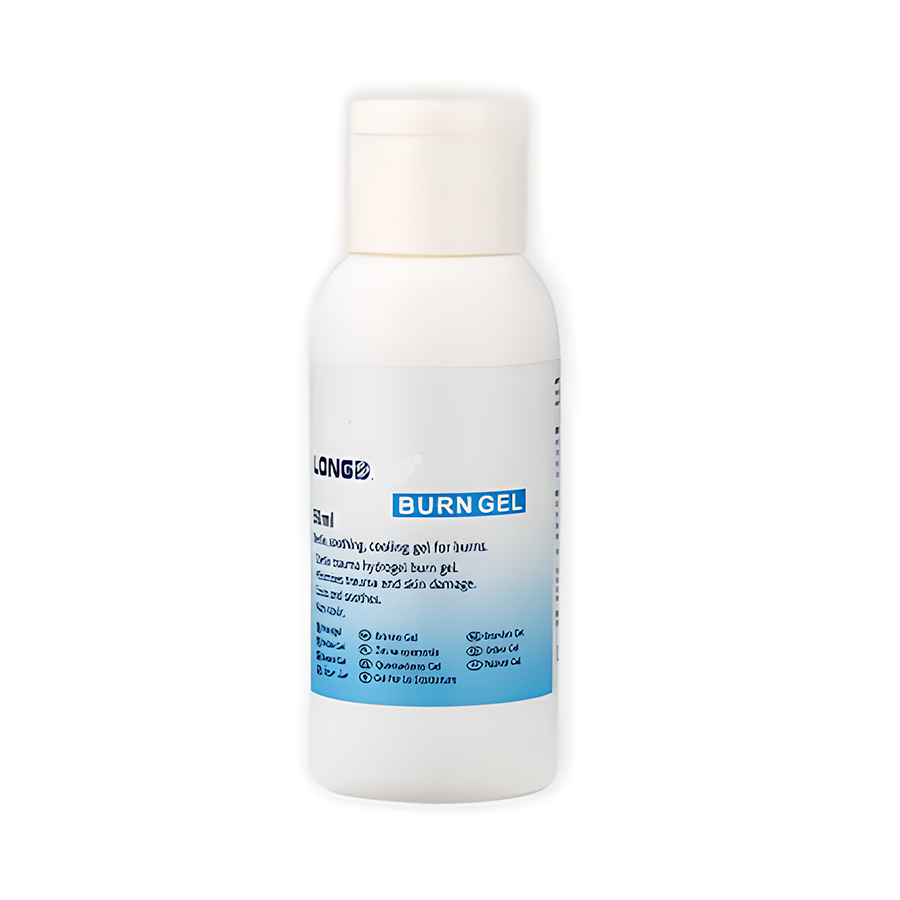
Secure Reliable Burn Gel Supplies Today!
Order our high-quality wholesale burn gels made with safety standards to stabilize your healthcare operations.
Conclusion
Burn gel vs burn cream is more than a wording detail in a purchasing list. Burn gel and hydrogel dressings belong at the front of your response, right after running water, to cool minor burns, cut pain, and protect fragile skin without hiding what is going on underneath. Burn creams and ointments, whether prescription or over the counter, sit further down the line for selected small injuries and usually under some level of clinical guidance.
A simple pattern keeps everyone aligned:
Cool with water as fast as you can.
Use burn gel on small first‑degree or very superficial second‑degree burns.
Cover with a clean non‑stick dressing.
Monitor for warning signs.
Send any serious or uncertain burn straight for medical care.
Avoid home remedies and thick generic creams in the early phase, no matter how familiar they may feel to long‑serving staff. By combining clear SOPs, proper product placement, and hydrogel-centered first aid systems, businesses can reduce confusion, improve recovery outcomes, and strengthen workplace safety culture.If your current kits still rely heavily on generic creams, now is a good time to audit your burn-response strategy and modernize your approach.


