

Introduction
Eye injuries hit hard, and weak planning around eyewash station wholesale orders turns small gaps into serious incidents. According to NIOSH, about 2,000 U.S. workers need medical treatment for eye injuries every day, many from chemicals that damage tissue in seconds. When stations are missing, out of reach, or do not run long enough, injuries worsen.
A clear buying plan for wholesale eyewash station coverage answers three questions right away: where the hazards are, which ANSI Z358.1-compliant units fit each spot, and how you will keep them ready week after week.
This guide walks through OSHA and ANSI rules, compares station types for manufacturing and construction, lists key specifications for RFQs, and explains how the right wholesale partner supports scale. Keep reading to stress less about eyewash compliance and focus more on safe, reliable production.
Key Takeaways
Use OSHA and ANSI rules as your baseline. Treat OSHA 1910.151 and ANSI Z358.1 as non‑negotiable when planning eyewash coverage. Buy only equipment that clearly states compliance so inspections and audits stay straightforward.
Match station types to real tasks and layouts. Fixed production lines, labs, and mixing rooms favor plumbed stations. Portable units and construction layouts rely on gravity-fed tanks and mobile setups. Many networks use a blend so every hazard sits within a short, clear walk.
Focus on tepid water, reach time, and flush duration. Workers should reach the eyewash in about 10 seconds on the same level. Stations must deliver a gentle flow for at least 15 minutes with water between roughly 60 and 100°F. These points matter more than fancy extras.
Standardize SKUs and maintenance across sites. Using the same models, signs, and inspection tags across plants simplifies training and spare parts. Central standards make it easier to keep weekly tests and yearly checks on track across a whole network.
Choose a wholesale partner that supports customization and scale. Look for in‑house manufacturing, OEM options, and flexible quantities. The right partner helps align eyewash coverage with your hazards, brand, and roll‑out schedule instead of just shipping catalog items.
How Do OSHA And ANSI Standards Shape Wholesale Eyewash Station Choices?

OSHA and ANSI standards shape eyewash station wholesale decisions by setting the minimum performance and placement rules. They tell you when an eyewash or shower is required, how fast workers must reach it, and how it should operate during an emergency.
OSHA standard 29 CFR 1910.151 requires “suitable facilities” for quick drenching or flushing wherever corrosive materials can contact eyes or skin. Construction rules in 29 CFR 1926.50 use similar language. Inspectors usually look to ANSI/ISEA Z358.1 when deciding what “suitable” means in real plants, warehouses, and construction yards. According to OSHA, missing or blocked units can support citations under the medical services rule or the General Duty Clause.
ANSI Z358.1 turns that short OSHA text into practical design rules. It covers the 10 second reach guideline, the 15 minute continuous flush, and the tepid water range. Research summarized by ANSI and safety groups shows that workers often stop flushing early when water is too cold or hot, which raises the chance of lasting eye damage. A smart wholesale order starts with units listed as ANSI compliant, then layers in placement, training, and maintenance.
For a deeper planning checklist, many safety teams use the internal OSHA eyewash station requirements guide alongside their own hazard assessment. That mix turns legal text into a practical map for which station types to order and where to install them.
Key OSHA And ANSI Requirements You Must Design Around
OSHA’s trigger is simple. If a chemical is corrosive or its Safety Data Sheet calls for at least 15 minutes of rinsing, you need nearby eyewash coverage. According to the Bureau of Labor Statistics, the U.S. records hundreds of thousands of nonfatal workplace injuries with days away from work each year, and eye cases remain a steady share of that total. Treating eyewash as basic protection rather than an optional add‑on saves both people and production time.
ANSI/ISEA Z358.1 then supplies the practical checklist:
Workers should reach a station within about 10 seconds, on the same level, along a clear, well lit path.
Valves must activate in one second or less and stay open without hand pressure.
Both eyes need a soft, even stream for at least 15 minutes, with flushing fluid held in a tepid range between roughly 60 and 100°F.
Eyewash bottles on their own do not meet these rules for corrosive risks. Personal bottles and a wholesale eyewash bottle station work well as first response tools and for mobile staff, but they only supplement full ANSI rated stations. Weekly activations, yearly performance checks, and inspection tags round out the program and give you proof that equipment works when needed.
What Types Of Eyewash Stations Should Manufacturers Buy Wholesale?
Manufacturers, warehouses, and construction firms rarely solve their risks with one single station type. Instead, they plan eyewash station wholesale orders as a mix of plumbed units, portable tanks, and combinations that include emergency showers. That mix follows where chemicals, dust, and flying debris actually appear.
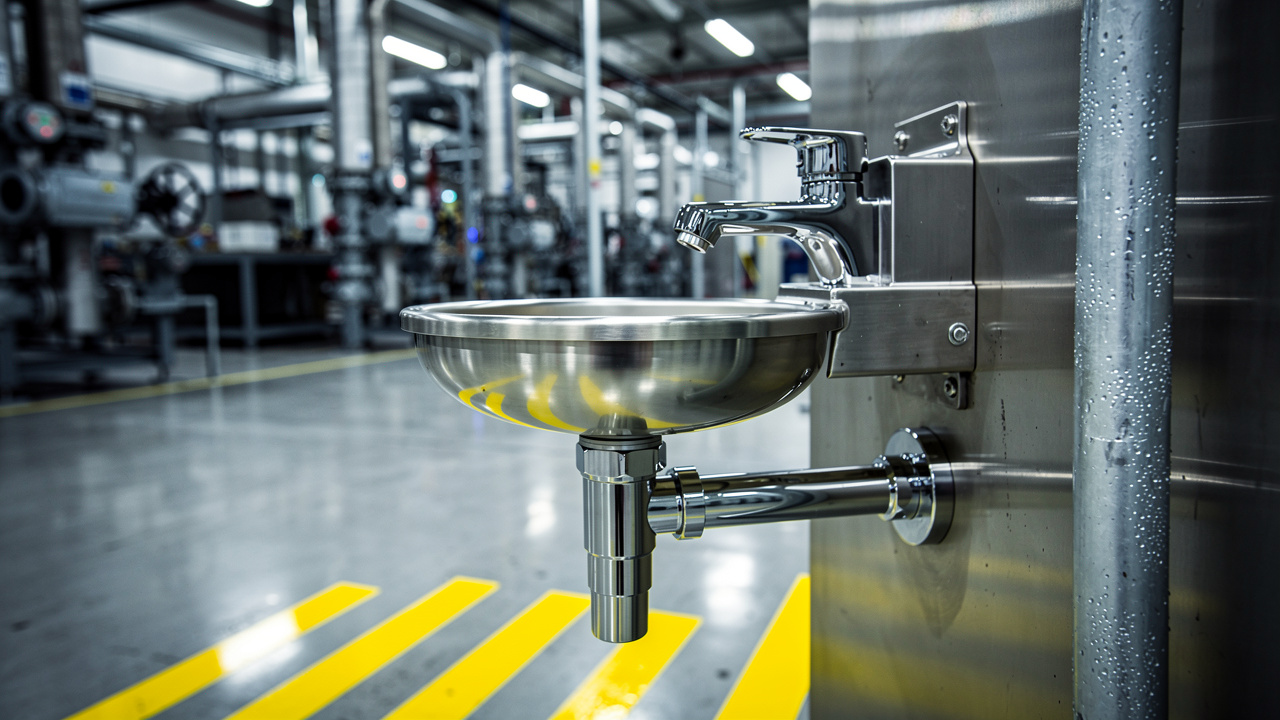
Plumbed wall mounted stations suit fixed production cells, labs, and mixing rooms with good plumbing access, and the growing demand for such installations is reflected in the Hand Hygiene Stations Global market research tracking facility hygiene infrastructure trends. Pedestal or floor mounted eyewash units help in open bays and large warehouses where hazards sit away from walls. Guidance shared by ANSI and OSHA notes that these fixed units often provide the most reliable 15 minute flush when water supply and drainage are stable.
Where full body exposure to caustic cleaners or acids is possible, a wholesale emergency shower and eyewash station becomes the better fit. Combination units pair an overhead drench shower with eye or eye and face heads so one installation handles both body and eye contact. For outdoor loading racks or unheated areas, insulated or heated versions keep systems ready in freezing weather.
Comparing Station Types For Manufacturing, Warehousing, And Construction

In real projects, leaders compare several core options before placing a wholesale order. Each type has a natural home and some tradeoffs you should plan around.
Wall mounted plumbed eyewash stations sit near taps and drains in labs, chemical mixing rooms, and production cells. They give a consistent 15 minute flow as long as water pressure and tempering are planned correctly. They fit best where layouts stay stable, and pipe runs are easy to add during projects. Their weakness is limited flexibility if you often move equipment or reconfigure lines.
Portable or gravity fed units serve satellite warehouses, outdoor maintenance, agriculture sites, and temporary construction projects. These tanks do not need plumbing, which makes them ideal where infrastructure lags behind operations. Many gravity units are designed to meet ANSI timing rules when filled and treated correctly. The main catch is maintenance, since preservatives and water must be changed on a strict schedule.
Combination wholesale chemical shower and eyewash station setups sit near bulk chemical storage, CIP skids, and battery rooms. They protect workers from both eye and full body contact during spills or hose failures. In a wholesale construction eyewash station plan, these combinations often anchor high risk mixing or fueling zones. They need more space, floor drainage, and sometimes heated or insulated designs for outdoor service.
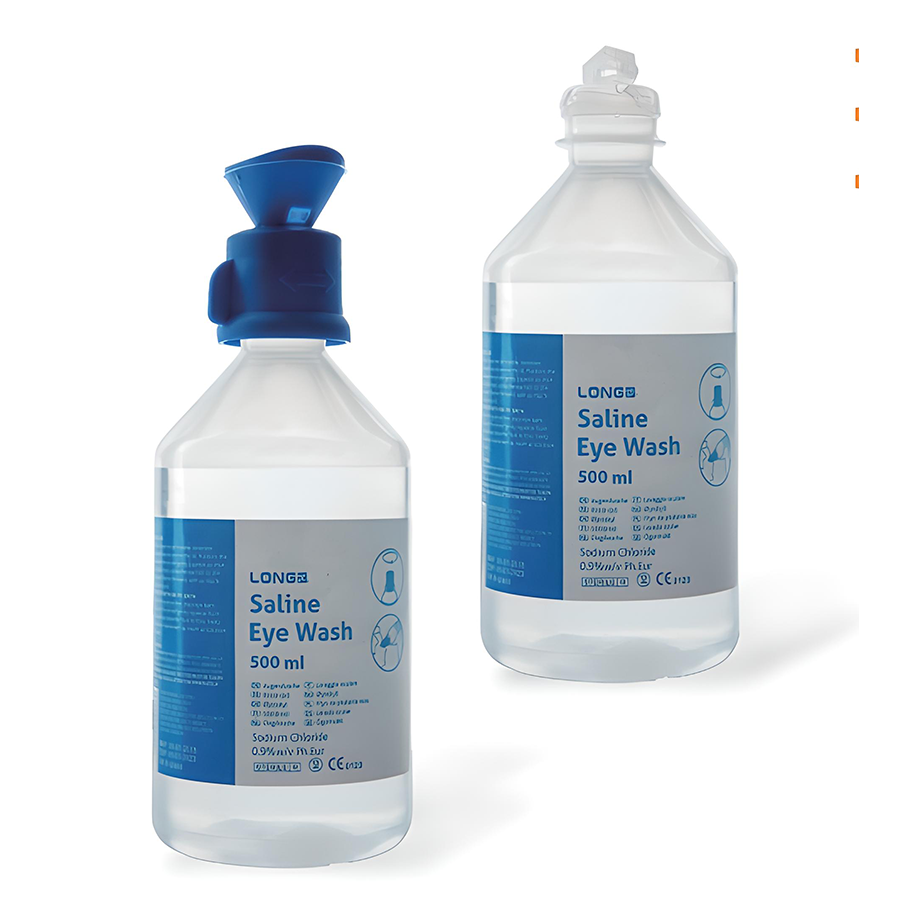
Wholesale eyewash bottle station products support mobile tasks such as field maintenance, lift truck work, or small batch cleaning away from fixed units. They give rapid first rinsing and help remove dust or mild irritants. For severe corrosives, though, bottles only bridge the gap until the worker reaches a full plumbed or gravity station for the full 15 minute flush.
Here is a simple comparison that many safety teams adapt for RFQs.
| Type | Best For | Key Benefits | What To Watch |
|---|---|---|---|
| Wall mounted plumbed eyewash | Fixed cells, labs, and chemical rooms | Reliable 15 minute flow, simple weekly tests | Needs plumbing and tempering near each hazard |
| Portable gravity fed unit | Remote or changing work areas | No plumbing, easy to relocate | Frequent refills and preservative changes |
| Combination shower and eyewash | Bulk chemicals, tank farms, battery rooms | Eye and body coverage in one location | Space, drainage, possible heating for cold areas |
| Eyewash bottle station | Mobile work, low to moderate irritants | Fast first flush, highly portable | Only a supplement for corrosive hazards |
For more layouts and examples, many buyers review an internal ultimate eyewash stations solutions guide before finalizing orders.
Which Key Specifications Should You Prioritize When Buying Eyewash Station Wholesale?

When you compare eyewash station wholesale quotes, it is easy to fixate on unit price and shipment dates. A better approach looks at performance, durability, and lifetime cost across many sites. That way, your first order already matches ANSI expectations, local plumbing realities, and the way your teams actually work.
Performance specs come first. Flow rate must reach both eyes at once with a soft pattern that does not drive chemicals deeper. Gravity units need enough tank volume to support a full 15 minute flush. According to NIOSH, early and sustained rinsing reduces both injury severity and days away from work, which explains why long, steady flow matters so much.
Build quality and environmental fit sit close behind:
Stainless steel and high grade plastics suit wet, harsh, or food production zones.
UV resistant housings support outdoor locations.
In cold regions, many facilities match stations with mixing valves, heat traced piping, or heated enclosures so tepid water stays available year round.
Accessories such as signs, floor markings, inspection tags, and spare heads finish the picture and should be part of the first wholesale order, not an afterthought.
Practical Buying Checklist For Operations And Safety Leaders
Operations and safety leaders often want a short checklist they can paste straight into RFQs. The points below cover the main items that protect both workers and budgets.
Performance and safety fit
Confirm that each model lists ANSI/ISEA Z358.1 compliance in its documentation, including flow rate, reach time, and tepid range.
Check that spray heads treat both eyes together with a gentle pattern instead of a harsh jet.
For portable units, verify that the tank size and outlet design genuinely provide 15 minutes of flow.
Durability for your environment
Choose corrosion resistant materials that match each area, such as stainless steel for food plants and rugged plastic for noisy, high traffic warehouses.
Think about forklifts, temperature swings, and washdown routines when reading spec sheets. Long service life cuts the chance of failures during emergencies and also lowers replacement spending.
Temperature and plumbing planning
Wherever possible, pair plumbed eyewash and wholesale emergency shower and eyewash station units with thermostatic mixing valves so water stays in the tepid range.
In outdoor or freezer dock areas, look at insulated booths or heated cabinets rather than bare piping. Keeping water comfortable helps workers stay under the stream for the full flush period.
Accessories and compliance tools in the same shipment
Add high visibility signs, approach floor markings, inspection tags, and test log templates to your initial order.
For portable tanks, include enough water preservative and spare valves to support at least the first year of service. Bundling these items into eyewash station wholesale quotes saves time and keeps plants from improvising later.
Budget and lifecycle view
Compare quotes on more than sticker price by factoring in installation, weekly testing labor, refill cycles, and possible OSHA fines if stations fail during an inspection.
Many groups standardize SKUs across sites so training, maintenance, and spare parts stay simple, which can cut long-term costs even when the unit price is slightly higher.
Why Choose Us For Your Eyewash Station Wholesale Needs?
If you are serious about keeping workers’ eyes safe and passing audits without stress, the right wholesale partner makes a real difference. You want:
Consistent quality so every station performs the same way across sites
Flexible order sizes that work for a single facility or a full network
Custom options that match your branding, languages, and hazard profile
Reliable lead times that keep projects and shutdown windows on track
Buying from First Aid Longs checks all of these boxes while keeping the process straightforward. You can source plumbed units, portable stations, combination shower systems, eyewash bottles, and supporting first aid gear in one coordinated plan. That kind of integrated approach makes it easier to standardize layouts and training, instead of piecing things together from multiple vendors.
When you review your next eyewash station wholesale order, compare not just prices but how smoothly you can roll out the same protection across every line, warehouse, and construction site. If you want that kind of consistency, consider shifting your next round of eyewash purchases to a specialist instead of generic catalog items.
Why Choose First Aid Longs As Your Eyewash Station Wholesale Partner?

Choosing a wholesaler for eyewash coverage means trusting them with both worker safety and audit outcomes. A partner with in‑house manufacturing, strong quality control, and flexible quantities reduces that risk compared with a pure trading company.
First Aid Longs has focused on wholesale first aid and eyewash products since 1996, with production in 100K Class Cleanroom facilities and strict material controls. That setup supports consistent quality, short lead times, and pricing that works for small networks and large manufacturers alike. For multi site operations, this blend of control and capacity means you can roll out standard eyewash coverage across plants without juggling many suppliers.
How Our Products And Capabilities Support Your Eyewash Strategy

First Aid Longs aligns its product range with the real layouts described earlier in this guide:
Wall mounted eyewash stations support fixed hazard zones such as chemical rooms and production lines.
Portable eyewash stations cover remote or changing areas where plumbing is not yet available.
Combination units pair eye flushing and body showers for high chemical risk spaces such as bulk storage or mixing points.
The company also supplies boxed eyewash station sets with 100 ml and 500 ml saline bottles, frames, and mirrors for quick access at workstations. These fit well where a wholesale eyewash bottle station helps mobile workers start rinsing before reaching a full plumbed or gravity unit. Related products such as saline wipes, burn gels, and industrial first aid kits round out chemical response needs in one consistent order.
Wholesale buyers gain several operational advantages:
Every eyewash product is made in‑house, so orders scale from modest batches to large rollouts without long waits.
Flexible minimum order quantities help smaller plants standardize gear without overbuying.
Fast shipping windows, often within about 45 days, support project timelines and renovation schedules.
Customization is another strong point. First Aid Longs offers custom colors, labeling, and packaging for eyewash station wholesale programs, so stations match your safety branding and language needs. You can choose cap types, extra nozzles, heated housings for cold environments, and specific eyewash solution formulations for your chemical profile. OEM and ODM partnerships allow distributors and larger groups to develop branded eyewash ranges while relying on proven manufacturing.
Feedback from global clients highlights on time delivery, reliable product performance, and responsive support. To explore options or request a quote, you can browse the full range of wholesale eyewash stations and products or speak with the team about your multi site plan.
Secure Reliable Eyewash Supplies Today!
Order our high-quality eyewash products made with safety standards to stabilize your healthcare operations.
Ready To Build A Safer, Compliant Eyewash Program?
Building a safer eyewash program starts with clear standards, smart station selection, and a plan for ongoing checks. OSHA rules and ANSI Z358.1 set the floor, while your hazard map and injury history decide how far beyond that floor you go. Thoughtful eyewash station wholesale purchasing lets you cover many sites at once instead of reacting plant by plant after issues appear.
To move forward:
Review your current coverage and walk through each process where corrosives or strong irritants appear.
Mark any gaps in 10 second reach, tepid water, or flush duration.
Use this guide, along with resources like the ultimate eyewash stations solutions guide, as a checklist for upgrades and new builds.
When you are ready to standardize protection across manufacturing plants, warehouses, or construction projects, consider buying from First Aid Longs. With in‑house manufacturing, customization options, and reliable lead times, you can place one coordinated order and cover many locations.
Take the next step by exploring the current wholesale eyewash range and planning where each station belongs. Your workers get fast access to proper eye flushing, your audits run smoother, and your safety program gains a solid, reliable backbone.


