Introduction: Why Chemical Burn First Aid Can’t Wait In The Workplace
When first aid for chemical burns is only a line in a policy and not a skill people use fast, the cost can be eyesight, skin, or even a life. Safety goals cannot fade out once the calendar flips. Chemical burns happen when corrosive liquids, powders, or fumes damage body tissue. Unlike a flame that stops when the heat source is gone, many chemicals keep eating into skin or eyes while they stay in contact. Some cause little pain at first, so the danger is easy to miss. That is why minutes matter more than bandage brands. Fast, simple steps with water and the right gear often decide how deep the injury goes.
You and your leadership team need more than a poster on the wall. You need a clear, realistic playbook for first aid for chemical burns that works for crews in construction, manufacturing, logistics, gyms, hotels, schools, and offices across the United States. In this guide, you see how to:
Spot chemical burns fast
Give step-by-step care for skin, eyes, inhalation, and ingestion
Decide when to call 911 or Poison Help
Set up first aid kits, showers, eyewash stations, and training
Key Takeaways
Time is your strongest tool. Start first aid for chemical burns fast. Flush with cool water for twenty minutes as a basic rule.
Responder safety comes first every time. Use gloves and eye protection and keep clear of spills and fumes so you do not add a second casualty.
Skin, eye, inhalation, and ingestion exposures all need different steps. The shared theme is quick removal of the chemical and steady, calm action.
Clear rules for when to call 911 or Poison Help guide your teams. Written triggers remove guesswork when stress and panic rise.
A first aid kit for chemical burns needs gloves, non stick dressings, eye pads, gauze, tape, and cutting tools, backed by plenty of clean water or eyewash.
Training, drills, and consistent medical supplies from partners such as First Aid Longs turn written procedures into real skills people can use under pressure.
What Chemical Burns Are And Why They Matter In Your Workplace
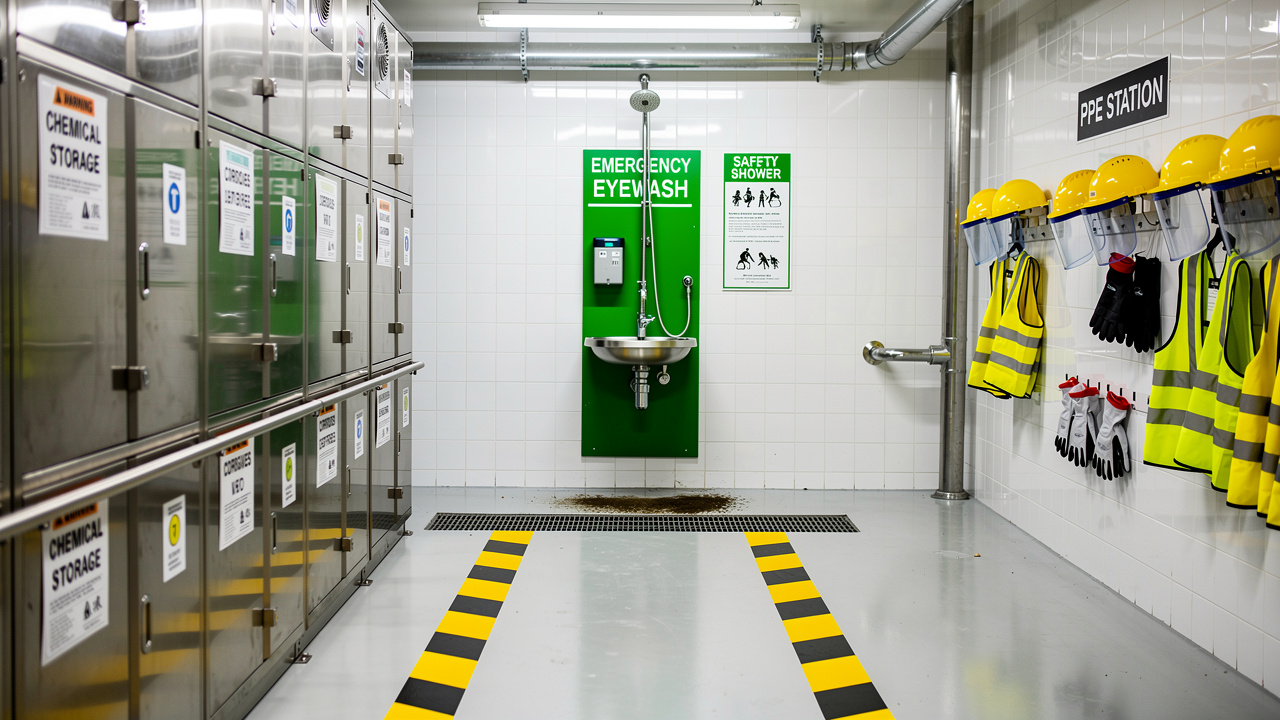
A chemical burn is damage to skin, eyes, airways, or internal organs caused by a corrosive or irritating substance. The chemical may be a liquid, a powder, a gas, or a mist. In many workplaces, these are everyday products such as cleaners, degreasers, fuels, and lab reagents. The injury happens when the chemical reacts with body tissue and begins to break it down.
Strong acids are a common source. Examples include battery acid, brick and concrete cleaners, and powerful toilet descalers. Strong alkalis are just as serious and often go deeper into tissue than acids. Wet cement, caustic drain openers, and oven cleaners fall into this group. Oxidizers and solvents can also burn, such as bleach, pool chlorinators, metal cleaners, and industrial degreasers used in shops and plants.
Across your operations, risk shows up in different ways:
Construction and concrete work often use wet cement, mortar additives, and brick cleaners. Workers kneel, lift, and carry these materials, so burns tend to hit hands, knees, and lower legs. Hidden moisture under clothing or gear can let chemicals sit on the skin for long periods.
Manufacturing plants, warehouses, and logistics centers may have battery charging rooms, metal cleaning lines, and cleaning-in-place systems. Here, staff face splashes, leaks, and drips from concentrated products that can burn quickly. Small spills on gloves or sleeves may go unnoticed until pain appears.
Automotive service centers handle battery acid, brake cleaners, degreasers, fuels, and coolants. The mix of liquids, vapors, and heat creates many paths to chemical burn injuries on hands, arms, and faces.
Food production, supermarkets, hotels, and restaurants rely on strong oven cleaners, grill cleaners, floor strippers, and sanitizers. Tight spaces and busy shifts mean cleaners sometimes hit bare skin or eyes.
Gyms, pools, schools, and universities store pool chemicals, lab chemicals, and maintenance products. Students and guests add another layer of risk if chemicals are left unsecured.
The severity of a chemical burn depends on:
How strong the product is
How long does it stay in contact
How much of it is there
Where it lands on the body
A small spot on a finger can be very deep, while a wide splash on clothing might look minor at first. Some alkali burns hardly hurt early on, even while damage spreads beneath the surface.
For your business, that means a single spill can lead to:
Lost work days
OSHA recordables
Workers’ compensation claims
Shaken trust from employees and customers
Treating chemical burn readiness as part of core operations, not an afterthought, is sound management and supports both safety and productivity.
Step-By-Step First Aid For Chemical Burns In The Workplace
First Aid For Skin Chemical Burns
For most workplace incidents, skin exposure is the main problem. Chemical burn first aid on skin begins with scene safety:
Put on disposable or chemical resistant gloves.
Use eye protection and an apron if available.
Check that you are not standing in a spill or breathing strong fumes.
Move bystanders back and control access to the area.
Next comes stopping the exposure:
If the chemical is a dry powder, such as cement dust or some pool products, gently brush or wipe it off with a gloved hand, cloth, or card. Avoid spreading it toward the face.
For liquids, skip brushing and go straight to water.
Remove contaminated clothing, shoes, and jewelry by cutting them away when needed so you do not drag the chemical over more skin.
Anything stuck to the burn stays in place and is cut around, not peeled off.
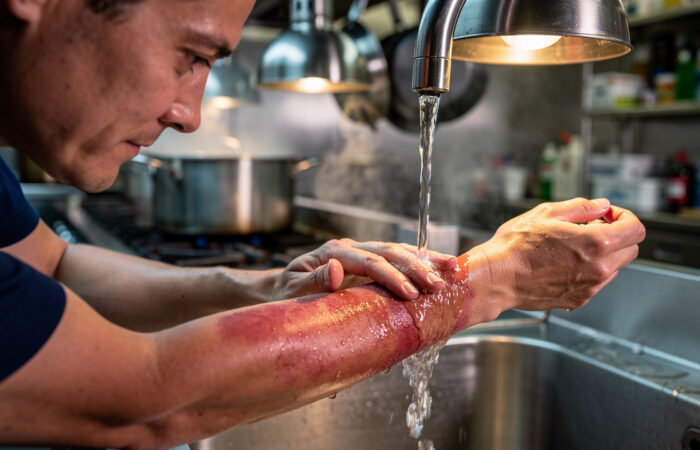
First aid treatment for chemical burns on the skin centers on irrigation:
Use a safety shower, hose, or sink with cool or lukewarm running water.
Keep flushing for at least twenty minutes.
Direct runoff away from uninjured areas and from your own body.
Do not apply creams, oils, or home remedies.
Do not try to neutralize acids with baking soda or alkalis with vinegar.
After flushing:
Gently pat the area dry with a clean material.
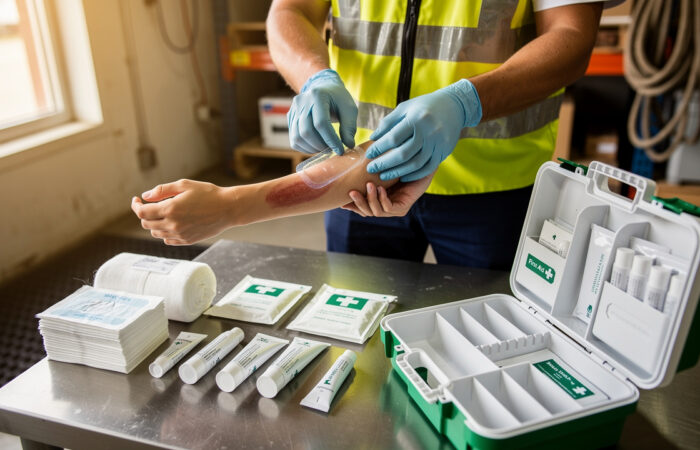
Cover it loosely with a non stick sterile dressing.
Watch for signs of shock (pale, clammy skin, fast pulse, confusion).
Arrange prompt medical review according to your escalation rules.
First Aid For Chemical Eye Burns
Eyes are very sensitive, so first aid for a chemical burn to the eye is always an emergency step.
Protect yourself first:
Put on gloves.
Use goggles or a face shield if available.
Then:
Guide the person to an eyewash station or sink.
Ask them to tilt their head so the injured eye is lower than the uninjured one. This angle keeps contaminated water from flowing into the healthy eye.
Hold the eyelids open and start gentle irrigation right away.
Use cool, clean running water or an approved eyewash product, and keep it flowing for at least twenty minutes. Ask the person to move the eye in all directions so water can reach under the lids.
If contact lenses are present and do not wash out, remove them only if it can be done easily during flushing and without delay.
Afterward:
Cover the eye lightly with a clean, non fluffy dressing.
Remind the person not to rub the eye.
Arrange urgent medical care in an emergency department or with an eye specialist. All chemical eye exposures need professional assessment, even when pain seems to ease.
First Aid For Inhalation And Ingestion Of Corrosive Chemicals
Inhalation and ingestion incidents may not look like burns on the surface, but the airways and digestive tract can suffer severe damage.
For inhalation:
Do not send unprotected staff into visible gas clouds or tight rooms filled with fumes.
Move the affected person to fresh air as soon as it is safe.
Loosen tight clothing.
Let them sit upright if that feels better for breathing.
Call 911 if there is:
Trouble breathing or fast breathing
Chest pain or tightness
Confusion, seizures, or collapse
Then contact Poison Help at 1-800-222-1222 for product specific advice.
For ingestion:
Treat the event as a medical emergency from the first moment:
Call 911 and Poison Help right away.
Do not induce vomiting.
Do not give food or drink unless poison control tells you to do so.
If the person is fully awake and can control their swallow, help them rinse their mouth gently with water and spit.
Send the product label or container with emergency responders if it can be done safely.
When To Call 911, Poison Help, Or Treat On-Site
When providing first aid for a chemical burn, it is safer to act on the high side than to hope for the best. Written escalation rules help supervisors, leads, and first aiders make the right call even when they feel pressure to keep work moving. Chemical burn first aid often happens at the same time as calls to outside help, not before or after.
You call 911 without delay when any of these are true:
The burn involves the face, eyes, hands, feet, genitals, buttocks, or a major joint.
The area is larger than roughly three inches across, covers a wide section of the body, or wraps fully around an arm or leg.
The burn looks deep, with white, brown, or black areas, leathery skin, or numb patches.
Any chemical that lands in the eyes, mouth or is swallowed.
The person has breathing trouble, severe cough, wheeze, chest pain, seizures, signs of shock, or loses consciousness after any exposure.
You call Poison Help at 1-800-222-1222 when:
You know there has been contact, but you are not sure how dangerous the product is.
You are unsure how long to flush.
There has been any ingestion or inhalation, even if the person looks stable.
The experts there can tell you:
How long to irrigate
Whether the person needs an emergency department
What information to send with them
Some cases need same day urgent care or occupational health review rather than an ambulance. That includes small burns away from critical areas that still:
Blister
Stay painful after long flushing
Show spreading redness and swelling
Any eye exposure, even after full irrigation, should get a medical review. So should burns that seem to worsen again after a day or two, which can signal infection.
On site care with routine follow up may be reasonable only for very small, superficial skin spots from mild products with brief contact, and only if symptoms clear quickly after careful first aid treatment for chemical burns.
In all cases, document:
Time of exposure
Time irrigation started
How long did it lasted
Name and strength of the chemical
Share the Safety Data Sheet (SDS) and product label with emergency staff or clinics so they can plan care accurately.
Building A Chemical Burn First Aid Program And Kit Strategy (With Support From First Aid Longs)
1. Designing First Aid Kits And Supplies For Chemical Burns
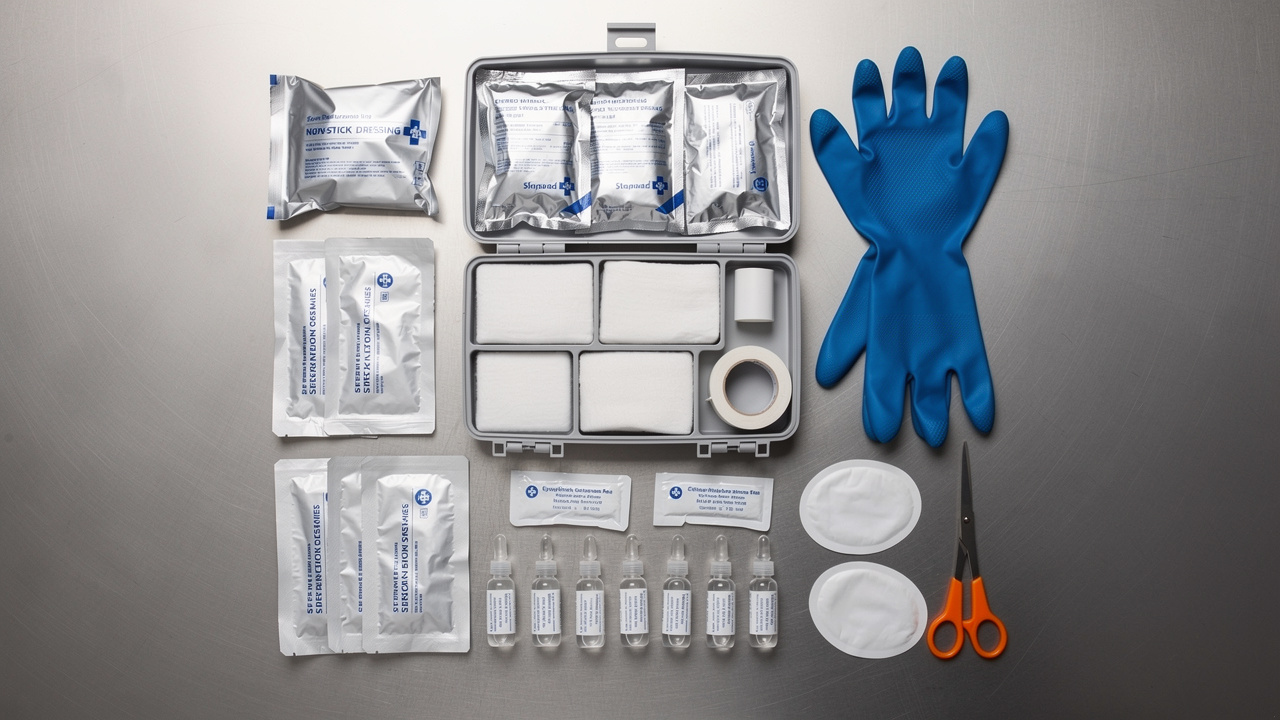
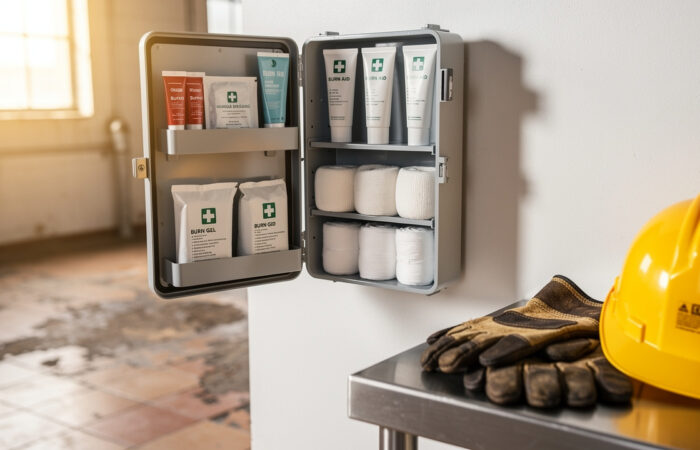
A single general purpose kit is rarely enough for industrial chemical risks. You need a planned first aid kit for chemical burns that matches the actual products and tasks on your sites. At a minimum, kits near chemical areas should hold:
Disposable or chemical resistant gloves
Spare eye protection
Non stick sterile dressings
Sterile gauze and eye pads
Soft wraps or tape that can secure dressings without sticking to injured skin
Small saline or sterile eyewash ampoules as a backup to plumbed stations
Scissors that can cut clothing to remove soaked fabric fast
Kits alone do not solve chemical exposure events. They must be:
Within easy reach of the hazard, not in a locked office on another floor
Clearly marked and checked on a schedule
Stocked to match the specific chemicals in use
High risk spots such as production lines, battery rooms, commercial kitchens, labs, and pool plant rooms need safety showers and eyewash stations nearby. Signs should be clear and lit, so even a panicked person with stinging eyes can find them within seconds.
For multi site companies, standard layouts and labeling in every kit make training and audits simpler and help workers moving between locations find what they need without hesitation.
Tip: During audits, have someone new to the area try to find the closest shower and eyewash with their eyes partly closed. If they hesitate, you need clearer signage or placement.
2. Embedding Procedures, Training, And Drills
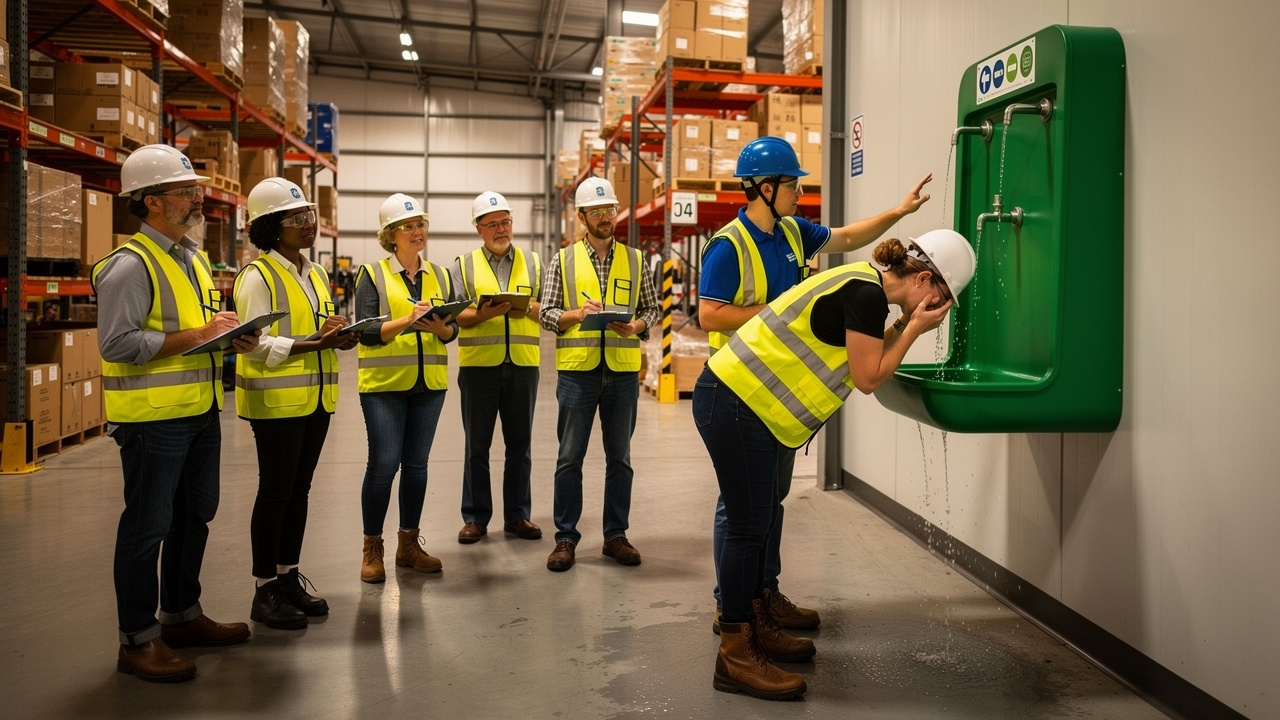
Good gear still fails if people do not know what to do with it. Your written procedures should spell out first aid treatment for a chemical burn on:
Skin
Eyes
Inhalation
Ingestion
Use plain, step by step language. Procedures should also be named:
Who calls 911
Who calls Poison Help
Who meets emergency responders at the entrance
Who documents the event and collects SDS information
Connecting these steps to your OSHA Hazard Communication program keeps labels, Safety Data Sheets, and first aid plans in sync.
Training then turns words into reliable action:
New hires and existing staff need hands on practice with safety showers and eyewash units, including how to hold lids open and how long to flush.
Tabletop drills help supervisors think through chemical spill scenarios in battery rooms, pool areas, or production lines before a real event.
Live drills, even short ones, show how long it takes to reach water and how easy it is to forget gloves when stress rises.
You also want coverage on all shifts, with contractors and temps included, so every crew has people who know the plan. Track attendance and refresh training on a set schedule so skills do not fade.
3. How A Medical Supply Partner Like First Aid Longs Fits In
A strong chemical burn program depends on steady access to reliable dressings, gloves, and other consumables. That is where a medical supply partner such as First Aid Longs can support your teams.
First Aid Longs manufactures medical products in large in house facilities with 100K Class Cleanroom standards, which supports consistent quality and cost control. The company offers OEM and ODM services with low minimum order quantities, so you can match kits to a pool, plant, lab, or warehouse without wasting budget or storage space.
For groups that run many sites, such as hotel brands, gym chains, supermarket groups, school districts, or manufacturing networks, First Aid Longs can support:
Standard kit designs across locations
Reliable restocking and on time deliveries
Consistent labeling and packaging for easier training
That supports your safety and compliance goals because your first aid stations stay stocked the same way in every building. When you review your current supply chain, it is worth asking whether your present vendors help you keep chemical burn first aid ready at scale or just ship generic boxes. Partners like First Aid Longs are set up to support clear, consistent first aid systems instead of one off orders.
Prevention, Preparedness, And Common Mistakes To Avoid
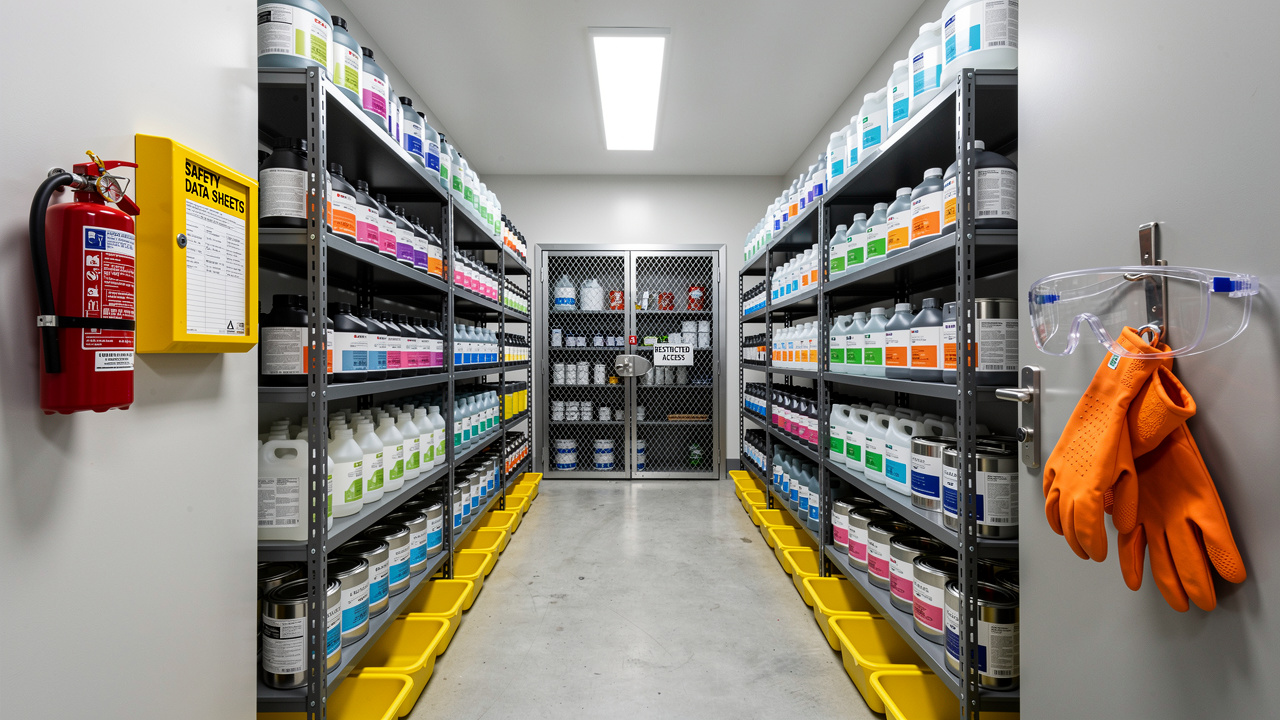
The best outcome for a chemical burn is the one that never happens. Prevention starts with how you store, move, and use chemicals day to day.
Good practices include:
Keeping corrosives in original labeled containers, not in drink bottles or unlabeled jugs
Locking or supervising storage areas, especially in schools, hotels, and gyms, where children and the public may be nearby
Separating incompatible chemicals, such as strong acids and strong alkalis, so they do not sit side by side
Engineering controls support safe work:
Emergency showers and eyewash stations in every area where a serious splash is possible, close enough that a worker can reach them in about ten seconds
Floors, drains, and splash guards to reduce pooling and spread from spills
Good local ventilation in battery rooms, pool plant rooms, and chemical mixing areas to lower the chance of inhalation burns from fumes
Personal protective equipment (PPE) and clear procedures add more layers:
Chemical resistant gloves, goggles or face shields, and aprons or coveralls should sit right where chemicals are used, not locked in a distant cage.
Staff need to know which gloves go with which products and how to check for damage.
Written directions for mixing or diluting cleaners, preparing pool chemicals, and cleaning production lines help people avoid risky shortcuts.
Many workplaces repeat the same errors when they give first aid for a chemical burn. You can call these out directly in your procedures:
People delay flushing while they search for a magic antidote or wait for a supervisor. Every minute without water lets chemicals dig deeper into tissue.
Staff try to neutralize acids with alkalis or the other way around without proper training. That can create heat, gas, and more damage than the original spill.
Responders pull off clothing that is stuck to burned skin. This can tear away healthy tissue and worsen the wound.
Workers put ice, very cold water, creams, or home products on a fresh chemical burn. These steps do not remove the chemical and can trap it against the skin.
Teams shrug off small looking splashes from strong products and skip medical review. Some of the worst damage hides under skin that looks almost normal at first.
Helpers skip gloves or eye protection because the task will be quick. This turns one patient into two and breaks your emergency plan.
After every incident, even a small one, review what went well and what did not. Check whether:
PPE was close enough and used correctly
People remembered Poison Help
Showers and eyewashes were easy to reach and worked properly
Then adjust training, signs, storage, and first aid supplies. Over time, this steady improvement ties your chemical burn program to your wider safety and quality systems.
Conclusion
Most goals fade after a few weeks, just like those New Year’s resolutions that vanish by February. Chemical burn readiness at your sites cannot be one of them. When a strong cleaner splashes or a battery leaks, life, vision, and long term health are on the line. Clear first aid for chemical burns, backed by practice and supplies, turns a frightening event into a controlled response.
The must haves are simple to state, even if they take work to build:
Immediate, steady flushing with cool running water is the core of first aid treatment for chemical burns
Firm rules for when to call 911 and Poison Help
First aid kits, safety showers, and eyewash stations are placed where chemicals are handled, not hidden in a back office
Staff who are trained and drilled often enough that they do not freeze when a spill or splash happens
An honest audit of your current facilities, supplies, and training can show gaps before the next incident. A dependable medical supply partner such as First Aid Longs helps you keep the equipment and consumables side of the plan steady, while your internal team focuses on procedures and culture. A well-built chemical burn first aid program protects workers, guests, and your brand, and it sends a clear message that safety promises in your company do not fade with time.
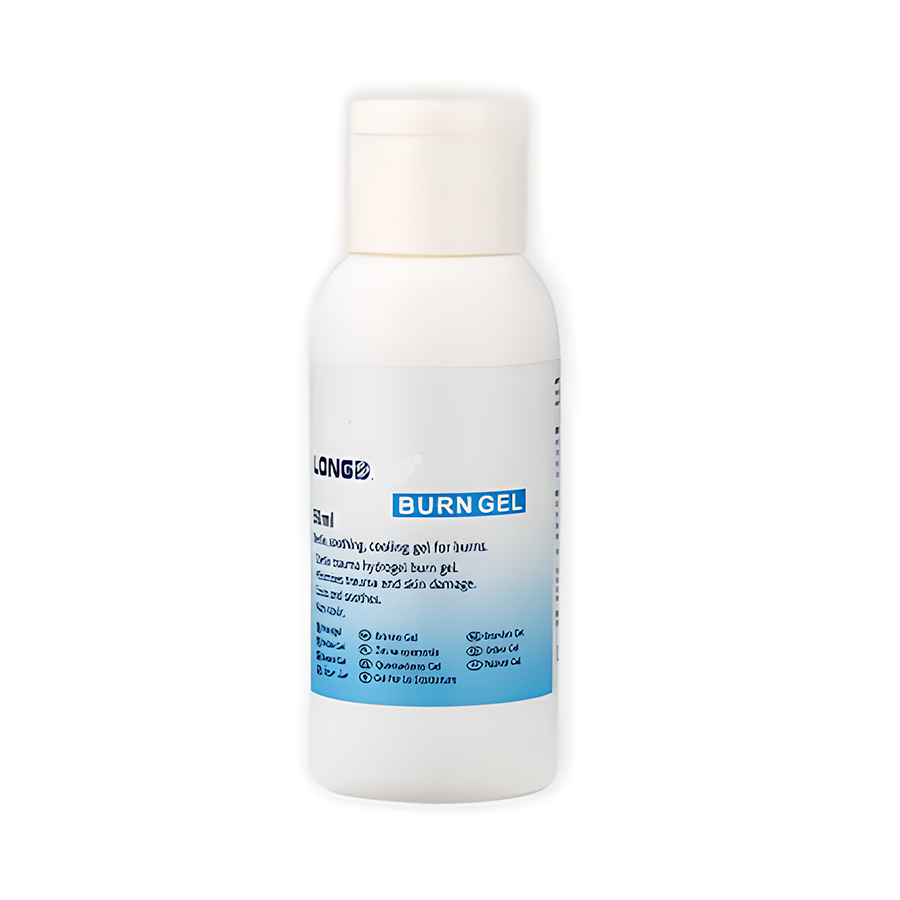
Secure Reliable Burn Gel Supplies Today!
Order our high-quality wholesale burn gels made with safety standards to stabilize your healthcare operations.