Introduction
Have you ever grabbed the workplace first aid kit during an emergency and found half-empty boxes, dried-out saline wipes, or missing gloves? Has anyone on your team asked who decided what went into that kit, how to stock a first aid kit or when it was last checked?
Many businesses treat buying a first aid kit as a one-time purchase instead of an ongoing safety duty. Yet workplace injuries are common, and fast, effective first aid can reduce severity, time off work, and long-term cost.
For operations managers and safety leaders, how to stock a first aid kit is both a compliance task and a real test of care for people. OSHA expects “adequate” supplies, ANSI provides clear benchmarks, and insurers pay close attention to how prepared you are. A missing tourniquet, expired eye wash, or empty glove box can turn a manageable incident into a serious problem for your employee and your organization.
This guide shows you how to stock a first aid kit that matches your hazards, passes audits, and works when it counts. You’ll see core supplies, industry-specific add-ons, placement strategies, maintenance routines, and the role of reliable suppliers like First Aid Longs. By the end, you can review your current kits with confidence and close any gaps.
Key Takeaways
You learn how to stock a first aid kit that meets OSHA and ANSI expectations instead of relying on basic home-style kits, turning first aid from guesswork into a structured program.
You see the difference between personal kits and workplace-ready kits, and how risk level and headcount change what you need so you avoid both overbuying and dangerous shortages.
You discover which wound care items, cleaning products, tools, and medications form the non‑negotiable foundation for every kit and how to turn them into simple checklists.
You understand how to stock a first aid kit differently for manufacturing, construction, food handling, and offices, with examples for burns, heavy bleeding, contamination control, and ergonomic issues.
You gain a practical maintenance routine with regular checks, plus insight into why supplier quality, staff training, and documented kit locations matter as much as the supplies themselves.
Understanding First Aid Kit Requirements And Workplace Standards
Most people know how to stock a first aid kit for home use, but workplaces have higher stakes and different rules. A box that covers minor cuts may be fine in a kitchen drawer, yet it rarely meets OSHA expectations or handles industrial injuries.
OSHA requires “adequate” first aid supplies, quick access, and trained responders when medical help is not close by. Because that wording is broad, many safety teams also follow ANSI/ISEA Z308.1, which lists specific items and minimum quantities for different kit classes. That way, you can show that your kit contents are based on a recognized standard.
When you plan how to stock a first aid kit, start with a simple risk assessment:
What tasks, tools, and machinery are used?
Are there chemicals, extreme temperatures, or heights?
How many people are on site, and where do they work?
How far is professional medical care?
A small office has very different needs from a welding shop, cold-storage warehouse, or gym. Higher‑risk areas often need more trauma supplies, burn care, and eye wash, plus additional kits spread across the site.
To make this easier, many companies use OSHA and ANSI together:
Standard | What It Focuses On | How It Helps With First Aid Kits |
|---|---|---|
OSHA (29 CFR 1910.151) | Legal duty to provide “adequate” first aid and trained responders | Sets the baseline requirement employers must meet |
ANSI/ISEA Z308.1 | Detailed lists of items and minimum quantities for Class A/B kits | Provides a practical checklist that supports OSHA compliance |
OSHA Compliance And What The Law Requires
OSHA’s rules give you the legal frame for how to stock a first aid kit that keeps your workforce safe. Employers must provide first aid supplies that are adequate for the hazards and size of the workplace, and those supplies must be easy to reach.
OSHA states, “In the absence of an infirmary, clinic, or hospital… a person or persons shall be adequately trained to render first aid.” — 29 CFR 1910.151(b)
Training connects directly to kit contents. When medical help is not nearby, trained first aid providers must know where kits are located, what they contain, and how to use them. Records of inspections, training sessions, and incident responses show that you treat first aid as an active responsibility. For remote work, construction sites, and lone workers, employers remain responsible for access to appropriate first aid supplies and instruction.
Core Essential Supplies For A Solid Foundation
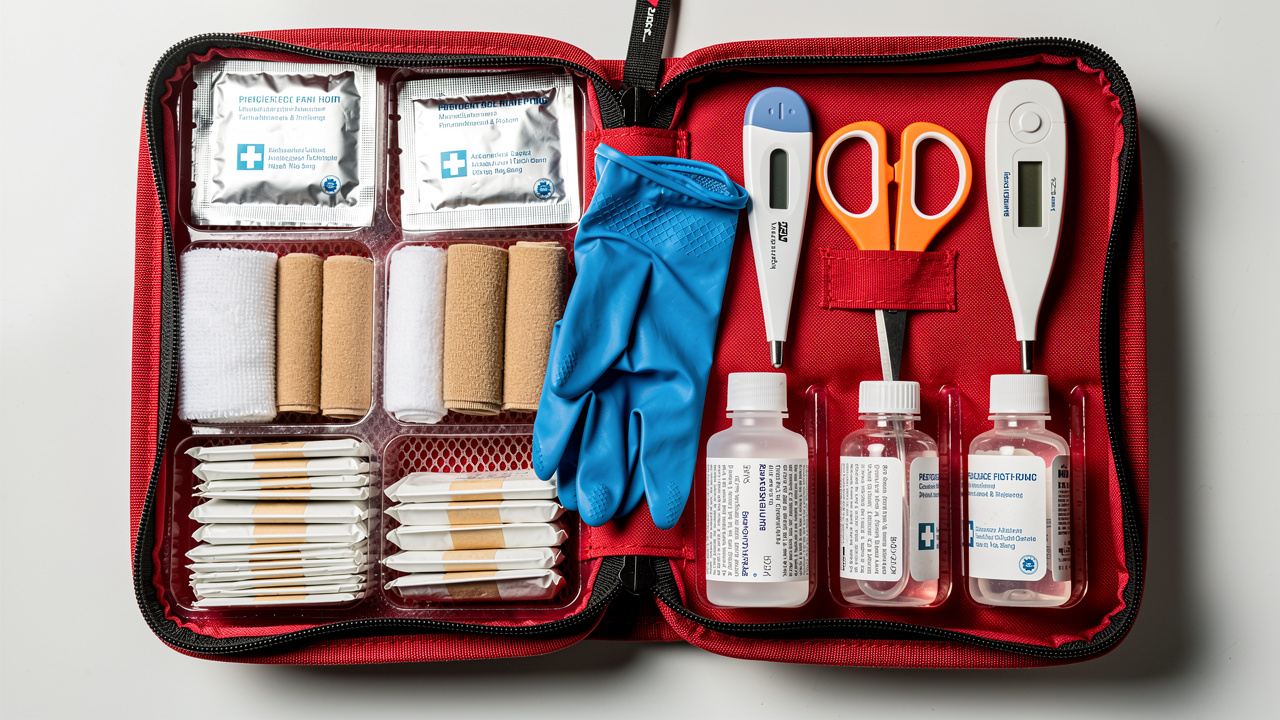
Once you understand your risks, you can plan how to stock a first aid kit with a strong base that fits almost any workplace. From that base, you add industry‑specific items.
Think in categories:
Wound care and bandaging
Cleaning and disinfection
Tools and instruments
Medications (if allowed by policy)
Personal protective equipment (PPE)
For a small office with 5–25 people, one ANSI Class A style kit in a central spot may be enough. Medium sites with 26–100 workers usually need Class B kits and more than one station. Large operations often rely on multiple cabinets plus bulk stock for refills.
Quality matters. Medical‑grade products stay on skin better, cut clothing safely, and have clear labeling. Sterile items that touch wounds (gauze, dressings, cotton swabs) should be individually wrapped, while tapes and wraps need clean, dry storage.
First Aid Longs focuses on medical supplies and consumables designed for workplaces, not just home use. Standardizing on a workplace‑grade supplier helps you keep quality, packaging, and expiry dates consistent across locations.
Wound Care And Bandaging Supplies
Wound care is the core of how to stock a first aid kit for any site. At minimum, every workplace kit should have:
Adhesive bandages in assorted sizes (at least 25 pieces for small sites, more for busy areas)
Sterile gauze pads (2×2, 3×3, 4×4 inches) and gauze rolls for larger wounds
Absorbent compress dressings for heavier bleeding
Medical tape (cloth, waterproof, hypoallergenic)
Elastic wraps for sprains and strains
Triangular bandages for slings or wide-area wrapping
Packaging should stay sealed and intact until use to protect sterility.
Cleaning And Disinfection Essentials
Clean wounds heal faster, so cleaning products deserve careful thought when you decide how to stock a first aid kit:
Antiseptic wipes (alcohol-based) and povidone-iodine swabs to clean skin
Antibiotic ointment packets to help prevent infection
Sterile saline or hydrogen peroxide for gentle irrigation
Hand sanitizer and simple soap near each kit
All of these items carry expiration dates and can dry out or lose strength, so they need cool, dry storage and regular checks.
Critical Tools And Instruments
Tools turn supplies into effective care. A well-planned workplace first aid kit should include:
Trauma shears to cut clothing and belts safely
Tweezers for splinters or debris
Non‑latex gloves in several sizes
A digital, non‑mercury thermometer
CPR face shields or pocket masks with one-way valves
Instant cold packs for strains, sprains, and bruises
Safety pins and simple splints for fingers or limbs
When companies source instruments and consumables from First Aid Longs, items pass through controlled production environments designed for consistent performance—important when gloves must not tear and cold packs must activate on the first squeeze.
Over The Counter Medications For Common Workplace Ailments
Medications can be helpful in workplace kits, but they also raise policy and legal questions. Before you decide how to stock a first aid kit with internal medicines, review local rules and your company’s stance. Some employers skip tablets entirely and ask staff to bring their own; others stock a limited set with clear use guidelines.
If your policy allows, consider:
Pain and fever relievers such as acetaminophen and ibuprofen
Aspirin for adults, with clear guidance about heart attack symptoms and age limits
Antihistamines for mild allergic reactions
Topical products such as hydrocortisone cream, calamine lotion, and aloe gel
Digestive aids like antacids, if appropriate
Keep medications in original or blister packaging with dosage information and warnings visible. Watch expiration dates closely and follow a first‑in, first‑out system so older stock is used first. Prescription items such as epinephrine auto-injectors or inhalers usually remain each person’s responsibility unless your site has a separate medical protocol.
Industry Specific Customization For Your Workplace Hazards
One checklist cannot cover every workplace. Customization sits at the heart of how to stock a first aid kit that truly matches your hazards.
Begin with a brief risk review:
What machinery, chemicals, or sharp edges are present?
Are there risks from heat, cold, confined spaces, or vehicle traffic?
Which incidents are frequent but minor, and which are rare but severe?
Think of two injury groups:
Frequent, less severe: cuts, minor burns, strains
Less frequent, severe: heavy bleeding, deep burns, eye damage, cardiac events
Many facilities use a tiered approach: standard first aid cabinets as the base, plus specialized trauma packs, burn kits, or eye wash units where needed. First Aid Longs supports this model by helping businesses think through how to stock a first aid kit for each department, not just the main office.
Manufacturing Plants And Industrial Facilities

Heavy machinery, sharp metal, high heat, and electrical systems all shape how to stock a first aid kit for manufacturing:
Extra trauma supplies such as large absorbent dressings, additional gauze, and pressure bandages
Burn care: sterile burn dressings, burn gel, non‑stick pads
Eye wash bottles or stations where grinding, welding, or chemicals are present
Commercial tourniquets for limb injuries (used under proper training and medical guidance)
At least one AED per facility, often more, with clear signage
Large plants also benefit from multiple first aid stations near production lines, loading docks, and maintenance shops to cut response time.
Construction Sites And Outdoor Work Environments
Construction and outdoor crews move often, face weather, and may be far from clinics. This changes how to stock a first aid kit:
Rugged, weatherproof cases that travel easily
Supplies for environmental issues: sunscreen, insect repellent, instant hot and cold packs, emergency blankets
Splinting materials for suspected fractures
Extra dressings, bandages, and gloves because medical help may be delayed
Portable kits should have handles or straps so supervisors can bring them right to the incident, and communication tools (phones or radios) should be part of the broader emergency plan.
Food Production And Commercial Kitchen Facilities
Food handling adds contamination concerns to the usual injury list. When you plan how to stock a first aid kit for kitchens or food plants, focus on:
Detectable, brightly colored bandages (often blue and metal-detectable)
Extra burn care for hot oil, steam, and ovens
Waterproof bandages and finger cots for very small cuts when policy allows continued work
Kits and containers should be easy to wipe clean and stored away from splashes. Choices must support both worker safety and food safety rules.
Corporate Offices And Low Risk Work Environments
Offices rarely see traumatic injuries but still need thought and planning. When you decide how to stock a first aid kit here, focus on:
Assorted adhesive bandages, small gauze pads, and antiseptic wipes
Cold packs and pain relievers (if allowed) for strains and headaches
Consider aspirin for adults and simple glucose sources for diabetic lows under clear policies
A visible AED and staff trained in CPR
Quantities can be modest, but kits still need regular checks and clear labeling.
Strategic Placement For Your First Aid Kits
Placement decides whether your work on how to stock a first aid kit pays off in real life. A perfect kit locked in a back office is less helpful than a smaller kit near the production floor.
A useful rule of thumb: no employee should be more than three to four minutes away from first aid supplies during a normal workday. To achieve that:
Combine a central station (near a time clock or break room) with satellite kits in vehicles, guard posts, and remote corners
Use clear signs with a red or green cross, and consider reflective markers in low-light areas
Mount wall cabinets away from heat, chemicals, and moisture, but keep them easy to reach
Place kits on every floor in large buildings and in each company vehicle
Document kit locations in your emergency response plan and cover them during new-hire orientation.
Establishing A Maintenance Schedule To Keep Your Kit Ready

Once you learn how to stock a first aid kit correctly, the next challenge is keeping it that way. A dusty box with expired tablets and missing bandages creates risk instead of reducing it, and regulators view neglected kits as a warning sign.
Many organizations use three review levels:
Monthly quick checks for obvious issues
Quarterly or semi‑annual audits for deeper reviews
Extra spot checks after major incidents or when a department moves
Supplier support matters here too. When you partner with a manufacturer such as First Aid Longs, you can order refills in standard packs with clear expiry dates, making it easier to maintain steady stock levels.
Monthly Quick Inspection Checklist
Monthly checks should be fast but focused. A simple checklist works well:
Confirm each kit is in its assigned place, closed properly, and clearly labeled.
Open the case and review high‑use items (bandages, gauze pads, gloves, antiseptic wipes); note anything running low.
Look for signs of moisture, dirt, pests, or tampering.
Spot‑check expiration dates on medications, ointments, and cleansing products.
Test any nearby flashlight or headlamp.
Record the inspection date and initials on a log or digital form and forward refill needs to your safety or purchasing team.
Comprehensive Quarterly And Semi Annual Audits
Deeper audits show how well your first aid program matches real‑world use. At least twice a year:
Compare each kit against a master checklist and replace missing or damaged items.
Check every expiration date on medicines, ointments, sterile dressings, and cleaning products; many teams replace items within three months of expiry.
Inspect tools (scissors, tweezers, thermometers) for sharpness, accuracy, rust, or cracks.
Test all battery-powered devices and replace batteries on a set schedule.
Review printed emergency contacts and any quick reference guides for accuracy.
Wipe down the kit container so it stays clean and easy to handle.
Document your findings and keep records for inspections or audits. Some organizations work with First Aid Longs or a similar supplier for planned refill programs to avoid shortages.
Quality Matters When You Choose Suppliers For First Aid Supplies
Deciding how to stock a first aid kit is only half the story; where you buy the contents matters just as much. First aid supplies are not simple office stationery. They touch open wounds, support life-saving efforts, and must hold up under real use.
Professional, medical-grade items usually:
Last longer on the shelf
Perform better in heat or humidity
Come with clearer documentation for safety and compliance
Poor‑quality items, on the other hand, can fail when you need them most and may need constant replacement.
Supply reliability is also important. A one‑time online purchase may work once, but regular restocking calls for a partner that can deliver consistent products on schedule. Buying from a dedicated medical supply manufacturer often gives better cost control for multi‑site operations because bulk orders and standard packs simplify training and refilling.
When you evaluate suppliers, look beyond price. Product quality, safety standards, delivery performance, and responsive support all matter. A partner who can align kits with your hazards and headcount adds real value.
First Aid Longs As Your Partner In Workplace Safety And Compliance
First Aid Longs focuses on serving businesses that need steady, high‑quality medical supplies and consumables for workplaces. That makes the company a strong partner when you decide how to stock a first aid kit across offices, plants, schools, or healthcare networks.
With substantial in‑house production and 100K Class cleanroom facilities, First Aid Longs controls quality from raw material through final packaging. This supports consistent bandages, dressings, gloves, and other items that can stand up to daily use. Flexible OEM and ODM services allow you to create branded or custom-packed kits without very high minimum orders, which suits both large enterprises and smaller operators.
First Aid Longs already supports clients across construction, manufacturing, logistics, healthcare, education, and more. The team follows developments in the medical supply chain, including trends covered in content such as “Medical Supply Chain 2026 7 Trends for Cost and Delivery,” so they can help you stay ahead of supply challenges. With competitive pricing and reliable delivery, First Aid Longs helps keep every workplace first aid kit stocked and ready.
Beyond Supplies And The Role Of First Aid Training

Even the best work on how to stock a first aid kit will fall short if no one knows how to use what you buy. Supplies are tools, and tools need trained hands.
First aid training builds both knowledge and confidence. Staff learn:
When to call emergency services
How to control bleeding and treat burns
How to respond to breathing or heart problems
What not to do, so they avoid well‑meaning but harmful actions
As Benjamin Franklin is often quoted, “An ounce of prevention is worth a pound of cure.”
Strong programs usually combine Basic First Aid, CPR, AED use, and bloodborne pathogen awareness. High‑risk industries may add courses for industrial first aid or remote areas. Certifications usually last around two years, so refreshers should be planned on a calendar.
You also need enough trained people across shifts and departments. Relying on one safety officer leaves gaps during vacations or nights. Good practice places several trained responders in each area and includes the layout of your siteespecially kit locations as part of the training. A clear first aid manual or quick reference guide inside each main kit supports both trained and untrained staff.
Conclusion
How to stock a first aid kit is more than a shopping list; it is a core part of how you protect people and manage risk. A box stuffed with random items will not support your team through a serious incident, and regulators know it.
You have seen the main steps that support strong first aid readiness:
Core supplies for wounds, cleaning, tools, and (when policy allows) medications
Industry‑specific customization for manufacturing, construction, food areas, and offices
Strategic placement so kits are always within reach
Ongoing maintenance so supplies stay fresh and complete
Reliable suppliers such as First Aid Longs, plus training that turns supplies into effective care
The next step is simple: walk your site, open your kits, and compare what you find with this guidance. Note what is missing, outdated, or hard to reach. Then update your purchasing, supplier relationships, and training plan so they work together. When an emergency strikes, there is no second chance to prepare.
Secure Reliable First Aid Kit Supplies Today!
Explore Our first Aid Kits designed to reduce delays and stabilize your healthcare operations.