Introduction
At the same time, more than 4.7 million workplace injuries happen in the United States each year, driving growth in the First Aid Kit Market as organizations invest in comprehensive safety programs. Companies that invest in structured, branded safety programs often see incident response times drop by around one-third, along with stronger adoption of safety rules. When first aid equipment is easy to find, clearly labeled, and matched to real risks, your teams are more likely to act fast and correctly. Private label first aid kits are kits that a medical manufacturer produces to your specifications and sells under your brand. White label first aid kits sit a bit closer to “off the shelf” options, where you add your logo to a standard kit with minimal changes. In both cases, you move from anonymous, generic boxes to safety gear that carries your name and reflects your standards.
For operations and safety leaders, this shift matters. Custom branded safety gear turns a basic compliance item into a clear sign of care for staff, visitors, and clients. It helps with cost control at scale, raises brand visibility across facilities and vehicles, and lets you match contents to real hazards in construction, manufacturing, offices, or field work. In this guide, you see how private label and white label options work, what to customize, how pricing and minimums work, and how partners such as First Aid Longs support you from design to delivery.
A common safety saying sums it up well: “Safety doesn’t happen by accident.”
Key Takeaways
This quick summary helps you see if private label first aid kits fit your safety and branding plans. It also gives you starting points for vendor talks.
You have wide freedom to customize materials, case style, contents, and branding so your kits match your real workplace risks and your visual identity. That means you can align kits with construction sites, warehouses, offices, or vehicles without paying for items you do not need. You keep a single, consistent look across every location.
Most programs offer minimum order quantities (MOQs) starting around fifty kits, with the ability to scale into the tens of thousands for large groups. Simple white label options usually sit at the lower end, while fully custom private label projects may need higher starting volumes. Clear MOQ data early in talks helps you plan budgets and rollout timing.
Pricing is more accessible than many teams expect, with compact branded kits often coming in under three dollars per unit at volume. Contents, case material, and print style all influence cost, but bulk orders cut the price per kit when compared with buying retail branded products. This helps you extend safety coverage without stretching budgets.
Applications stretch from internal safety programs and fleet standardization to corporate gifts, trade show giveaways, and retail or online sales. You can use one product line to support compliance, marketing, and client care at the same time. This versatility is especially helpful for multi‑site organizations.
Many manufacturers build kits that follow guidance from medical professionals and current safety standards, which gives your safety teams peace of mind. First Aid Longs follows medical supply chain trends and shares insights on upcoming shifts, so you are not planning your kits in isolation. You gain both product and industry awareness in one partner.
What Are Private Label First Aid Kits?
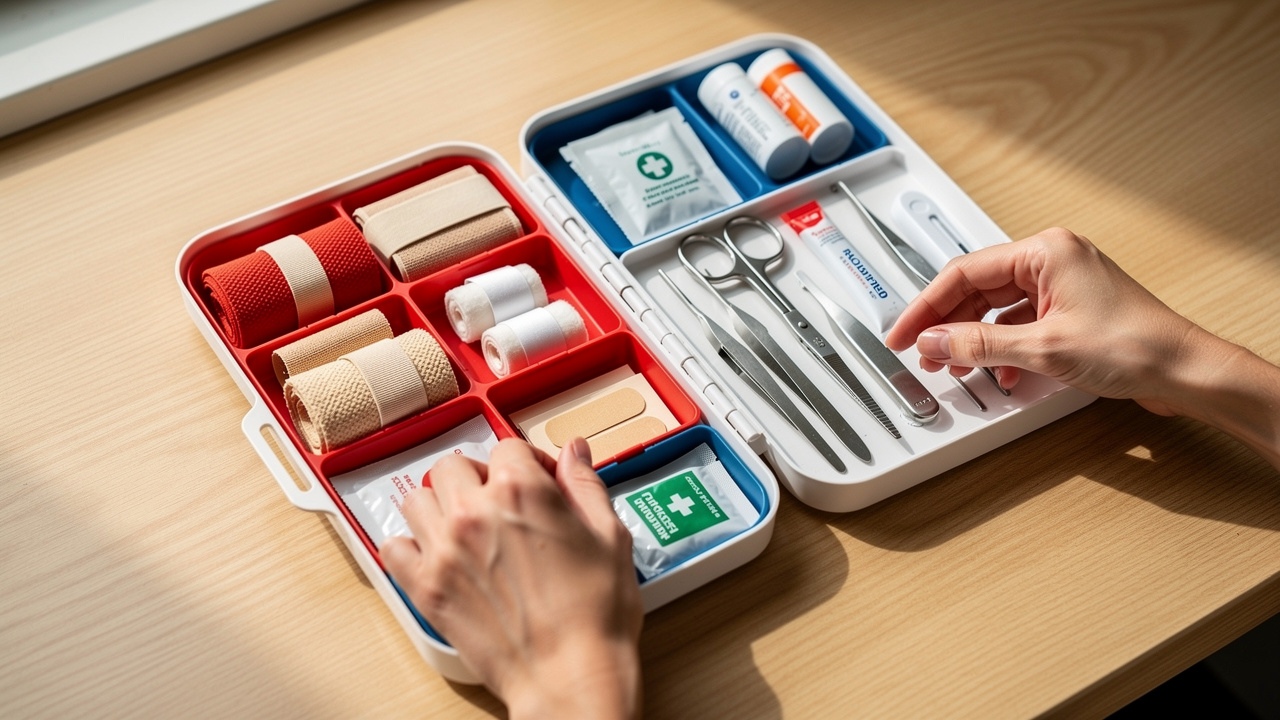
Private label first aid kits are safety kits that a specialist manufacturer designs and produces, while you control the brand on the outside and often the exact contents inside. Your logo, colors, and messaging appear on the case or pouch, and the supplier handles sourcing, packing, and quality checks in the background. You then use or resell the kits as part of your own product or safety program.
White label first aid kits sit slightly differently. With white label, you usually start from a prebuilt kit that already has fixed contents and packaging, and you simply add your logo or a small design change. With a private label, you have much more room to choose materials, content mix, labeling, and even insert cards or custom instructions that speak directly to your staff or customers.
A simple comparison looks like this:
| Feature | Private Label First Aid Kits | White Label First Aid Kits |
|---|---|---|
| Contents | Customizable item list and quantities | Predefined item list with limited changes |
| Packaging / Case | Wide range of sizes, colors, and materials | Standard case with minor branding adjustments |
| Branding | Full control of logo, colors, and messaging | Logo placement and small design elements |
| Setup Time | Longer setup and design phase | Faster, based on ready‑made templates |
| Best For | Ongoing programs, resale lines, and specific risk profiles | Promotions, simple programs, and budget‑sensitive uses |
The customization scale runs from simple logo printing on a standard kit to fully built kits where every component has been chosen for a specific job type or risk level. You can brand:
The exterior case or pouch
Dividers or inner trays
Instruction booklets and quick‑reference cards
Packaging of key items such as bandage wraps or ointments
This turns every part of the kit into a reminder of your brand.
Behind the scenes, you partner with a medical supply manufacturer that understands regulatory rules, quality systems, sterile packing, and First Aid Kit Packaging standards that meet industry safety requirements. They manage raw materials, Class cleanroom production where needed, and inspections, while you focus on which hazards matter across your sites and how you want the kits to look. Compared with buying generic boxed kits from retail shelves, private label first aid kits give you better pricing at scale, closer alignment with your safety policies, and a way to stand out in crowded markets.
Benefits Of Custom Branded First Aid Kits For Your Business
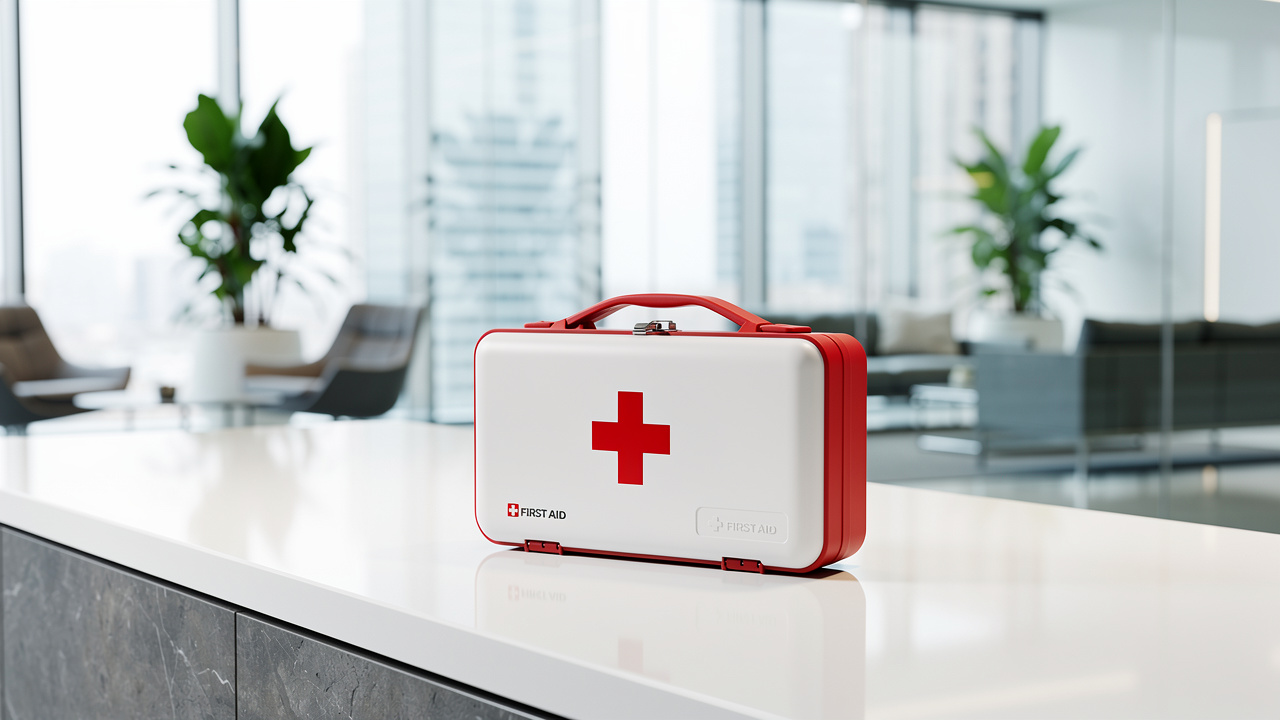
When first aid kits carry your brand, they act like small billboards that also protect people. A kit on a warehouse wall, in a service truck, or in a customer’s home keeps your logo in view for years. Because people reach for first aid kits in important moments, the brand they see can feel trustworthy and steady.
Branded kits also send a clear signal that you care about more than ticking a compliance box. When employees, clients, or inspectors walk through a facility and see consistent, well maintained kits with your name on them, it shows that safety is built into how you operate. This helps safety officers build a stronger culture, because staff can see that leadership backs policies with real tools.
From a financial angle, private label first aid kits can lower your per‑unit costs once you reach modest volumes, a trend reflected in the growing First Aid Kit Market as businesses seek cost-effective safety solutions. You avoid retail markups, middle layers of distribution, and packaging that is designed for store shelves rather than job sites. You can also stop over‑buying items that no one uses and instead focus each kit on the hazards that matter in a workshop, kitchen, office, or loading dock.
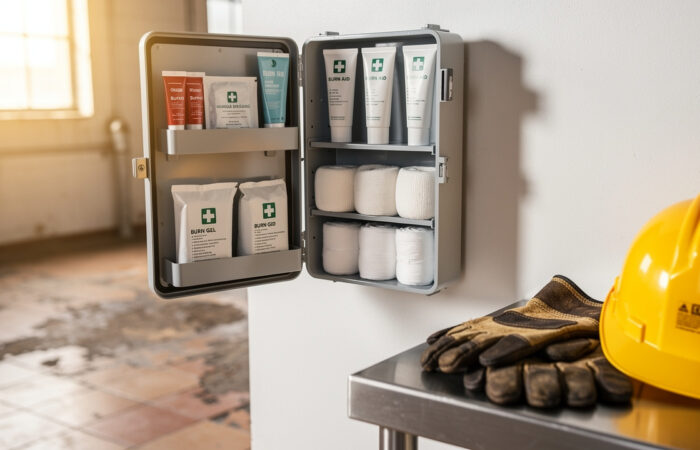
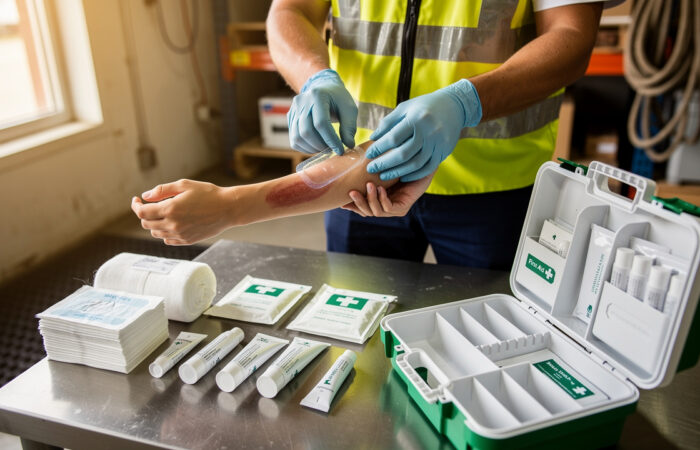
Customization of content is another major benefit. A manufacturing plant may need more eye wash, finger cots, and heavy duty bandages, while a food production line leans on burn dressings and blue detectable plasters. Construction sites need outdoor‑ready cases and items for cuts, falls, and minor crush injuries. With private label kits, you match supplies to the work, instead of forcing one generic mix across all locations.
Finally, these kits are flexible tools for marketing and employee relations. You can give compact branded kits as trade show giveaways, client gifts, or rewards for meeting safety goals. Retailers and online sellers can build a full range of branded first aid products without building their own factories. Across all of these uses, a well built kit lifts your professional image and shows that your brand stands behind real, practical safety support.
To recap, custom branded first aid kits can:
Strengthen day‑to‑day safety culture
Keep your logo visible where work actually happens
Cut waste from unused or unnecessary items
Match supplies to OSHA and ANSI expectations for your risk level
Support marketing campaigns, customer care, and employee rewards
As many safety managers like to say, “The best safety program is the one your workers actually use.”
Key Customization Options: Materials, Styles & Contents
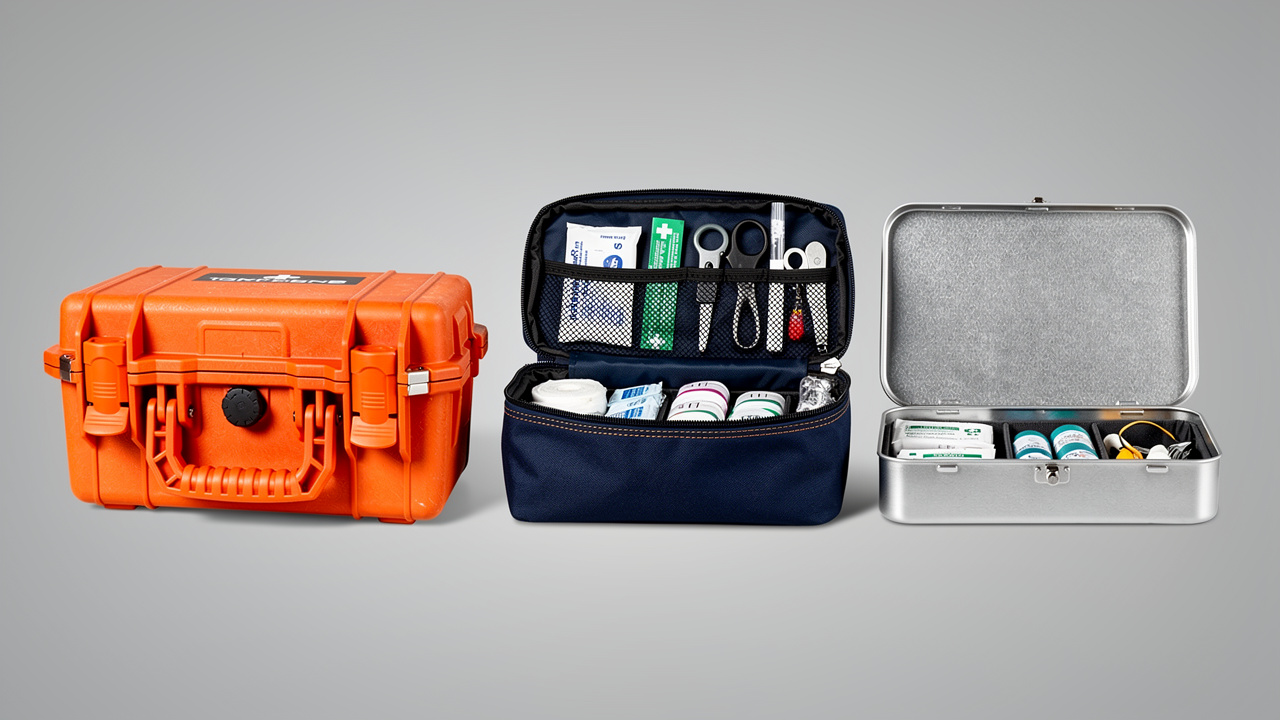
The first big choice with private label first aid kits is the container. Different case types suit different workplaces:
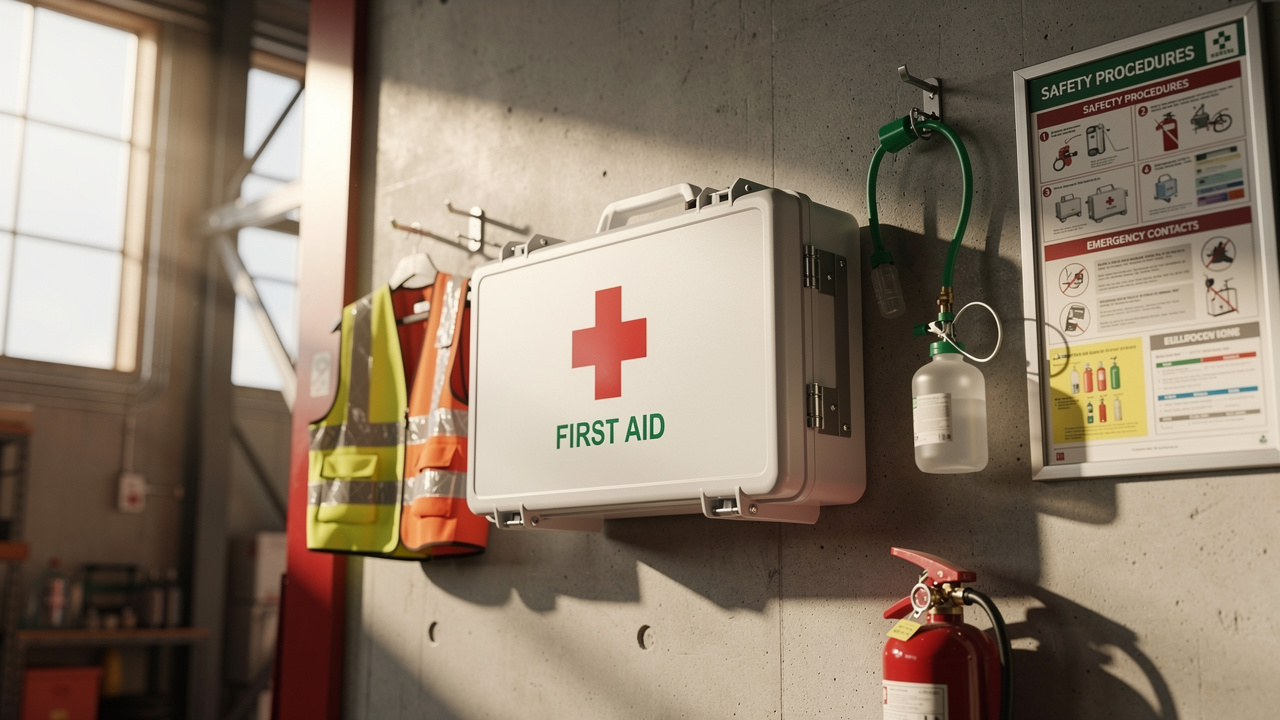
Hard cases made from plastic or polypropylene work well for industrial sites, construction projects, or vehicle fleets where kits may be dropped or knocked around. They protect contents from dust and impact and mount easily to walls or brackets, which keeps them visible and accessible during an incident.
Soft cases made from nylon, polyester, or vinyl suit teams that need portability and flexible storage. Field technicians, security staff, or maintenance crews can keep a soft case in a backpack or service bag. Nylon and polyester resist tears and clean easily, while vinyl adds water resistance for outdoor events or marine settings.
For high‑end gifts or retail lines, metal tins or stainless steel cases give a premium look, and slim Mylar pouches create very compact, sealed kits for travel or single‑use events.
Size and content scope come next. You might choose:
A simple 4–10 piece kit for glove boxes, reception desks, or giveaway bags, where you mainly cover minor cuts and scrapes
Mid‑size kits for small teams, service vehicles, or front offices
Larger 60‑piece or higher count kits for busy workshops, family preparedness, or remote job sites where help may take longer to arrive
Many manufacturers have medical professionals design standard content lists so supplies are logical, with the right quantities and clear usage.
Special categories are growing as well. General human first aid remains the core, but pet first aid kits are gaining attention with items like tick removers and pet‑safe antiseptic wipes. Industry‑specific builds can focus on burns for food service, extra eye care for manufacturing, or outdoor‑ready content for agriculture and security work. Some partners offer Build‑A‑Kit programs where you pick each component to match OSHA or ANSI guidance and your internal protocols.
Branding design choices bring everything together. Simple one‑color prints keep costs low for large orders, while full‑color prints can match your brand guidelines down to gradients and taglines. Most buyers place the logo and key information on the front of the case so it is easy to spot in an emergency. High‑contrast colors and clear fonts help staff find the kit fast, even in low light or high‑stress moments. For the best print quality, suppliers usually ask for vector artwork files such as AI, EPS, or PDF, and companies like First Aid Longs can connect you with in‑house art support if you need help finalizing the design.
Private Label First Aid Kit Applications Across Industries
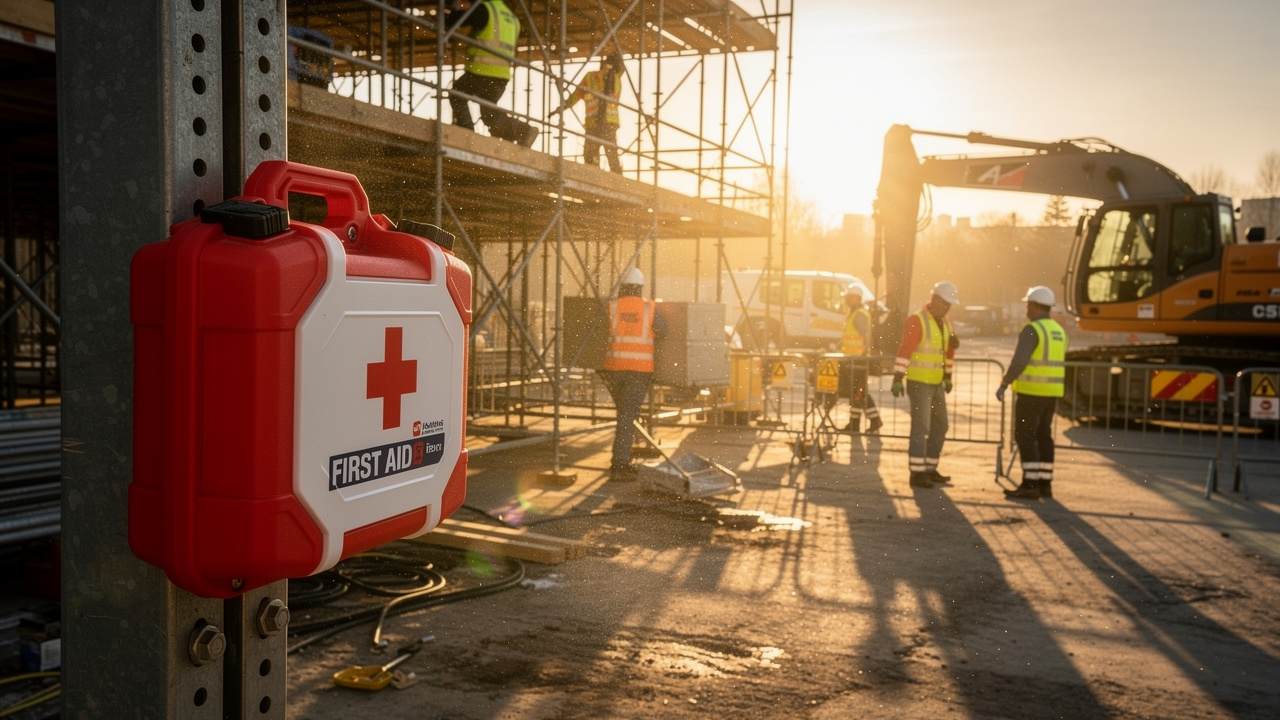
Private label first aid kits fit into many parts of your operations, not just the safety office. For internal programs, they help standardize coverage across plants, offices, vehicles, and remote teams. When every site uses the same clearly branded kits, training becomes easier, and people know exactly what to look for if something happens.
Employee programs gain extra impact when you give each new hire a compact branded kit during onboarding or safety orientation. It becomes both a practical tool and a symbol that their health matters from day one. You can also use higher‑end kits as rewards for safety milestones or years of service, tying recognition directly to safe behavior.
On the marketing side, private label first aid kits stand out at trade shows, open houses, and community events. Unlike pens or flyers that get thrown away, a kit often ends up in a car, workshop, or kitchen drawer and stays there. Retailers and online sellers can offer full lines of branded kits without building their own manufacturing systems, which lets them test new markets quickly.
Industry‑specific uses are broad, for example:
Construction: Weather‑resistant kits on each floor or zone of a site, with contents focused on cuts, abrasions, and minor impact injuries
Manufacturing: Kits with added eye care near machinery that creates dust, chips, or sparks
Hospitality and leisure: Guest‑facing kits in hotel lobbies, gyms, and event venues to show care for visitors and members
Education: Classroom and office kits with clear labeling so staff can respond quickly to minor student injuries
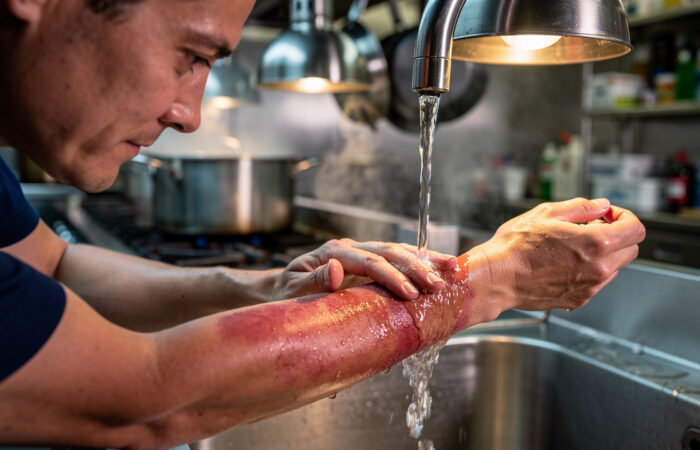
Food production: Burn‑focused kits near hot surfaces and fryers, with blue detectable plasters for food safety standards
Logistics and transport: Standardized vehicle kits across trucks, vans, and service cars, so drivers always know what is on hand
By mapping kit contents to real‑world tasks and locations, you make first aid support feel like part of how work is done, not an afterthought.
How To Order Private Label First Aid Kits: Process & Logistics
Ordering private label first aid kits is straightforward once you know what information suppliers need. Your first step is usually a short inquiry by email, phone, or an online form. You share your preferred kit style or components, your estimated quantity, your target delivery date, and your shipping address, along with any notes on hazards or standards that matter in your workplaces.
Minimum order quantities, often called MOQs, vary with each project. Simple white-label kits that use standard cases and content sets may start at fifty units, which works well for small offices, pilot programs, or local events. Heavily customized private label projects, especially those with custom molded cases or special components, may call for higher volumes. Some manufacturers also ask you to buy an initial run of branded packaging on the first invoice, even if they assemble kits from that stock over time.
Pricing depends on what you put inside the kit, what type of case you choose, and how many you order. Compact vinyl or polyester pouches with basic contents can cost less than three dollars each when ordered in bulk. Larger plastic or stainless cases with advanced contents and full‑color printing cost more per unit but can still beat the combined price of buying retail kits and then adding separate branding. When you request quotes, ask for a clear breakdown that lists kit cost, printing or setup fees, and freight so you can compare vendors on an even footing.
Timeline is another key topic. Production time changes based on order size and artwork approval, but you should plan for design review, sample sign‑off if needed, full production, quality checks, and shipping. Reputable suppliers test contents, confirm labels and expiration dates, and make sure print quality reflects well on your brand. First Aid Longs, for example, runs manufacturing inside 100K Class Cleanroom facilities, offers OEM and ODM customization with low MOQs, and focuses on timely delivery so your safety programs roll out on schedule. As you build a long‑term partnership, you can set up simple reorder paths and plan content updates as standards or workplace risks change.
A quick ordering checklist:
Define your use cases (workplace safety, retail, giveaways, or mixed use).
Choose case type, size, and approximate contents.
Gather your brand guidelines and vector artwork.
Confirm MOQs, pricing tiers, and packaging needs with the supplier.
Approve proofs and samples before full production.
Schedule reorders so you never run short on critical kits.
Secure Private Label First Aid Kit Supplies Today!
Explore our private label first aid kits designed to reduce delays and stabilize your healthcare operations.
Conclusion
Private label first aid kits give you far more than a box of bandages. They support safety compliance across worksites, raise brand visibility in places that matter, and help you control costs by matching contents and materials to real‑world risks. Instead of juggling random kits from different vendors, you create a clear, consistent line of safety gear that fits your operations.
By choosing the right case materials, content sets, and branding design, you can match kits to construction, manufacturing, hospitality, offices, schools, or fleets without wasting budget on unused items. Partnering with an experienced manufacturer also gives you access to medical and regulatory knowledge, so your kits line up with OSHA, ANSI, and internal safety expectations. This is especially useful when your teams span several states or countries with different rules.
First Aid Longs combines in‑house manufacturing, 100K Class Cleanroom facilities, and flexible OEM or ODM services to support programs for small firms and global groups alike. Our published insights on medical supply chain trends for 2026 show how closely we follow changes in cost, sourcing, and delivery, and that same awareness guides private label projects. Your next step is simple: review your current first aid coverage, list the gaps in both safety and branding, then request detailed quotes from qualified manufacturers so you can compare options and move toward a more consistent, professional safety program.