Choosing between saline wipes and alcohol wipes during a busy shift often feels harder than it should. One wrong pick can mean more pain for the person hurt and more risk for your facility.
Saline wipes are best for gentle cleansing of open wounds and sensitive skin, while alcohol wipes are best for quick antisepsis on intact skin and some hard surfaces. This article explains the differences in simple terms and shows when each type is best suited to clinical, industrial, and office settings. You will see where gentle cleansing is enough and where disinfection is required.
Next, you will see clear examples, stocking tips for first-aid programs, and guidance on building a simple wipe policy that staff actually follow.
Key Takeaways
Busy buyers and safety leaders often want a short summary before they read details. This section gives the main ideas so you can decide where to focus next.
Saline wipes handle cleansing of open wounds and sensitive skin because isotonic saline matches body fluids and avoids stinging. They work well for minor cuts, periwound skin, nasal areas, and device sites where alcohol would hurt or slow healing. They do not replace registered antiseptics where infection control rules ask for them.
Alcohol wipes give fast antimicrobial action on intact skin and many nonporous surfaces when they contain enough alcohol. According to the CDC, hand products with at least 60% alcohol are preferred for effective antisepsis. Similar levels in wipes help reduce microbes before injections or small procedures on unbroken skin, but they should stay away from open tissue and mucosa.
Most workplaces and healthcare facilities benefit from stocking both wipe types, each in clear locations. Simple rules that match OSHA and World Health Organization guidance help staff pick the right pad under pressure. Wholesale saline wipes then sit at the center of wound cleansing, while alcohol wipes support targeted disinfection and policy compliance.
What Are Saline Wipes And Alcohol Wipes?
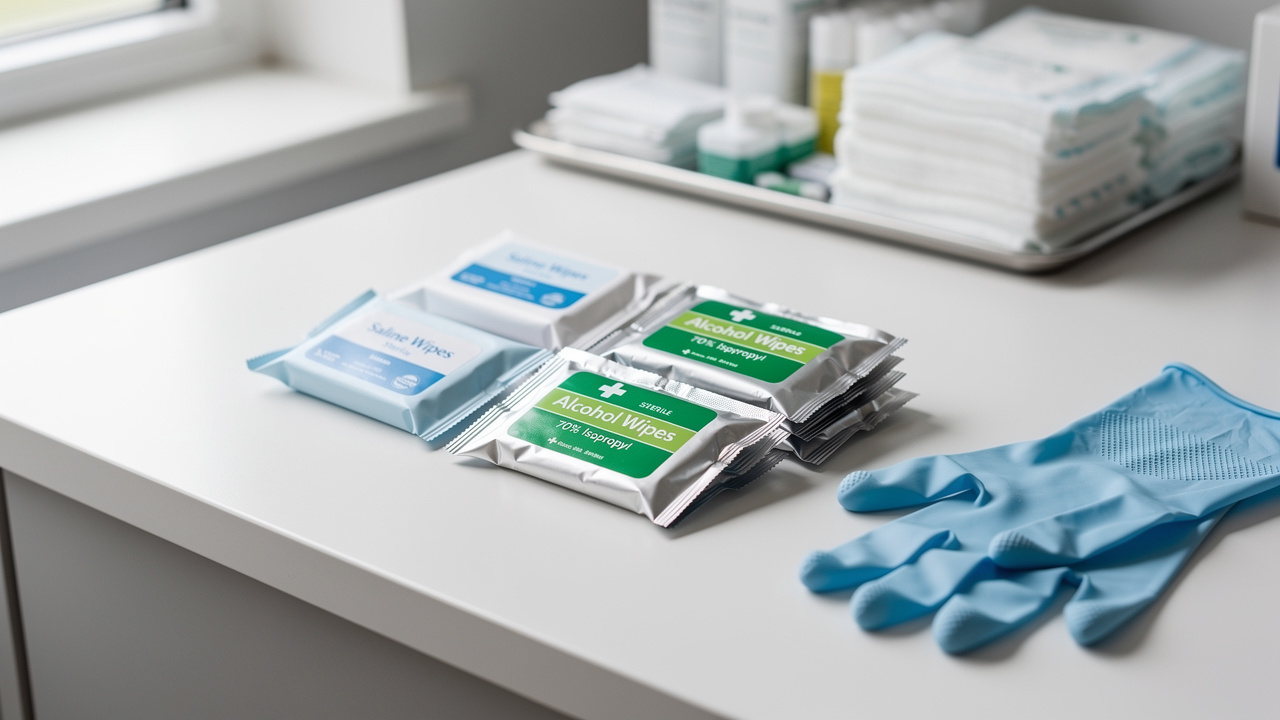
Saline wipes and alcohol wipes look similar at first glance, yet they serve very different roles. Saline products clean through gentle rinsing with sterile salt water, while alcohol pads reduce microbes through chemical action. Understanding that difference keeps first aid teams from using a harsh product where a mild one would do, or a mild pad where disinfection is required.
Saline Wipes Composition And Core Role

Saline wipes are single use cloths soaked in a sterile salt water mix, usually close to 0.9 percent sodium chloride in purified water. This normal saline level is isotonic with human plasma, so it feels mild on tissue, as detailed in the Normal Saline – StatPearls reference on its physiologic properties and clinical applications. Medical versions avoid alcohol and fragrance so frequent use does not dry or irritate skin. Many use soft nonwoven cotton that bends easily around noses, eyes, and device sites.
Their main job is mechanical cleansing, not chemical killing of germs — a distinction clearly outlined in the Disinfectants – StatPearls overview differentiating cleansers from registered antimicrobial agents. The wet pad loosens dried blood, mucus, ink, and light dirt so it can be wiped away without hard rubbing. That makes saline wipes useful for periwound skin, minor cuts, tattoo aftercare, piercings, and nasal or perinasal care across pediatrics, adults, and older adults. Major hospital systems often favor gentle saline for fragile skin because it respects the healing process and fits with moist wound care practices described by the NIH.
Typical uses include:
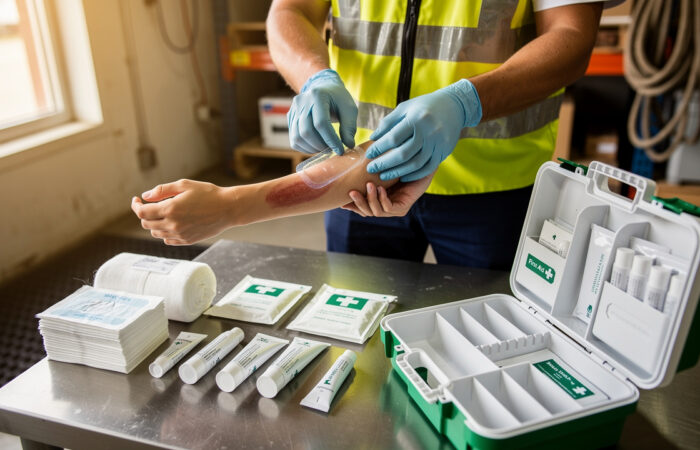
First aid and wound care: saline wipes give a quick, sterile option when there is no sink or irrigation bottle nearby. Staff can open a packet, clean the wound margin, then apply dressings or a separate antiseptic if policy calls for it. This approach supports moist wound healing that many evidence based guidelines describe as better for tissue repair.
Nasal, facial, and eye area care: saline wipes offer a soft way to clear secretions during allergy or cold seasons. Brands aimed at children and long term care residents reduce redness that dry tissues often cause with repeated wiping. Similar pads can help clean skin around tracheostomy and gastrostomy sites where friction and harsh chemicals are a concern.
“Gentle cleansing that protects new tissue is a core part of wound care.”
— Adapted from wound care principles cited by the National Institutes of Health
Alcohol Wipes Composition And Core Role

Alcohol wipes are pads soaked in isopropyl or ethyl alcohol at antiseptic levels, commonly around 70 percent. This concentration acts quickly to reduce bacteria and many viruses on intact skin and some hard surfaces. Health agencies such as the CDC describe alcohol as a fast, broad antimicrobial when used correctly, which is why small pads sit next to syringes and lancets in so many clinics.
In practice, alcohol wipes prepare skin before injections, fingersticks, and minor intact skin procedures. They also clean small areas of equipment or work surfaces when the device maker allows alcohol. Pharmacies, vaccination clinics, and occupational health offices depend on them for routine skin prep and point of care tasks.
These pads do have clear limits. Alcohol dries and stings open tissue, can damage delicate cells, and is unsafe on mucous membranes or near the eyes. For that reason, guidelines from OSHA and facility infection control teams keep alcohol wipes on intact skin and compatible surfaces, not inside wounds or on raw, inflamed areas.
In short:
Use saline where comfort and tissue protection matter.
Use alcohol where rapid antimicrobial action on intact skin or approved surfaces is needed.
When Should You Use Saline Wipes Instead Of Alcohol Wipes?
Saline wipes are the better choice whenever you clean open skin, fragile tissue, or areas that need frequent gentle care. In those situations, isotonic saline gives comfort and basic cleanliness without the burn and drying that alcohol brings.
Healthcare and workplace first aid teams reach for saline pads when they handle cuts, abrasions, and device sites. The same applies in schools, construction trailers, and warehouse clinics where staff deal with nose irritation during cold season or minor scrapes on the line. Saline shines where comfort, moisture balance, and low risk of irritation matter more than rapid antiseptic strength.
Priority Use Cases For Saline Wipes In Healthcare And Workplaces

Saline wipes fit many daily scenarios in hospitals, clinics, and job sites. Grouping them into use clusters makes stocking and training easier for procurement and safety teams.
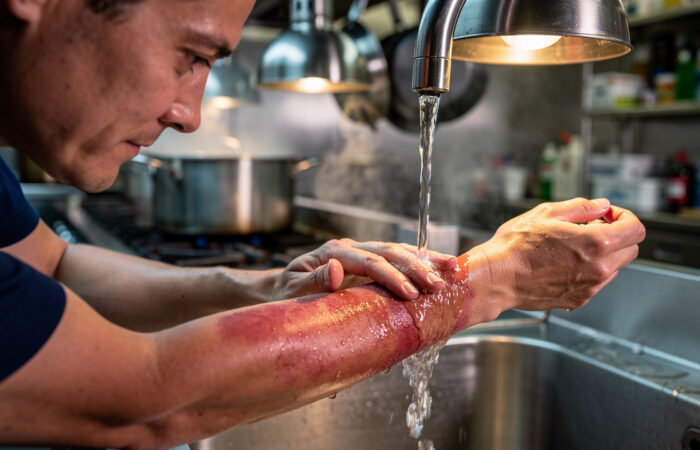
Wound and periwound cleansing comes first, because minor cuts are among the most common workplace injuries. The U.S. Bureau of Labor Statistics reports millions of nonfatal workplace injuries each year across private industry, and many involve cuts and abrasions. Saline pads help remove visible dirt and dried exudate before a nurse, EMT, or trained first aider applies dressings or a separate antiseptic if needed, consistent with best evidence for antiseptics at various surgical and wound sites to prevent postoperative infections. Alcohol pads would sting and can slow early healing.
Sensitive skin and high risk groups include neonates, children, older adults, and people on long term steroids or chemotherapy. Many hospitals and long term care providers avoid alcohol near these patients’ fragile skin. Saline wipes offer a low irritant option for diaper area care, face cleansing, and skin around chronic devices, and maintenance intravenous fluid therapy research in infants with sepsis further underscores how isotonic saline solutions are the preferred choice for sensitive pediatric patients.
Respiratory and nasal care brings another high value use. During flu or COVID surges, people wipe noses all day, and dry tissues can create raw, cracked skin — a concern supported by hypertonic saline nasal irrigation research demonstrating symptom relief benefits during COVID-19 infection. Saline facial wipes soften and lift mucus instead of scraping it off, which reduces redness around the nostrils. Pediatric offices and school nurse rooms that stock saline pads often see better child cooperation because cleaning feels more comfortable, as supported by one prospective study of physiologic sea saline nasal care showing reduced upper respiratory tract infection incidence in children.
Device and stoma site care, such as tracheostomy and gastrostomy openings, benefits from the gentle profile of saline. Clinical teams use saline based products to clear secretions from the skin before applying any ordered antiseptic or barrier cream. Piercing and tattoo studios run under local health department rules also use saline wipes to clean ink, blood, and crusting without harsh chemicals that could upset healing tissue.
Industrial and construction first aid stations use individually wrapped saline wipes in toolboxes, vehicles, and wall kits. Workers on remote roads, roofs, or shop floors can clean a cut or eye area skin quickly while waiting for full medical care if needed. In dusty plants, safety officers may also include nasal saline wipes so staff can clean perinasal skin after long shifts around powders and fibers.
When Are Alcohol Wipes The Better Choice?
Alcohol wipes rise to the top when your main goal is rapid antisepsis of intact skin or small hard surfaces. Their high alcohol content reduces microbes in seconds and supports infection control policies in many clinical and workplace settings.
Any time a policy, CDC advisory, or device maker specifically calls for an alcohol based prep, saline wipes are not enough on their own. Vaccination clinics, blood draw stations, and blood glucose testing points all rely on alcohol pads, and compositional factors driving antibacterial efficacy in healthcare wipe products demonstrate why formulation concentration matters for achieving reliable microbial reduction. The same is true for small equipment touch points that tolerate alcohol, such as some thermometers or stethoscope heads in primary care.
Common Clinical And Workplace Scenarios For Alcohol Wipes
Alcohol wipes show clear value in a focused list of settings where intact skin and small surfaces need quick antimicrobial action. Safety managers can use these patterns to match stock levels to real use.
Pre injection and minor intact skin procedures are the classic use. Nurses and pharmacists use alcohol pads before vaccines, insulin shots, IV cannulas, and lancets because quick skin antisepsis helps reduce infection risk, and research confirms that chlorhexidine solutions are more effective than povidone-iodine for intravascular catheter-related infection prevention, illustrating how alcohol-based options compare across antiseptic choices. Research cited by the World Health Organization supports alcohol based skin prep for many routine injections, as long as skin is unbroken. Saline wipes cannot replace this function, since they lack broad antimicrobial activity.
Small area skin disinfection for point of care testing and occupational health exams also favors alcohol. Fingerstick glucose readings in diabetes clinics, blood alcohol checks, and small dermatologic procedures on intact skin often use an alcohol pad. Large systems and smaller clinics alike standardize these pads on their supply lists so every site follows the same infection control rules.
Equipment and hard surface cleaning sometimes calls for an alcohol wipe when the device instructions permit it. Examples include some blood pressure cuffs, thermometers, and lab bench areas where staff need fast drying and low residue. Facilities must check manufacturer instructions for use, since some plastics, rubber parts, or electronic coatings react poorly with alcohol. For broader surface decontamination, EPA registered disinfectant wipes or sprays are still required; you can confirm options through the EPA’s List N overview.
Situations where saline wipes alone are not enough include heavily contaminated wounds, suspected infection, and preoperative skin prep. In those cases, a clinician may flush with saline first, then use chlorhexidine, povidone iodine, or an alcohol containing prep ordered by protocol. Occupational health teams guided by the CDC and state health departments keep clear checklists so staff know when to use high level disinfectants instead of simple cleansing pads.
Training notes help workers choose correctly during real events. Simple job aids that say, for example, “open wound or sensitive skin, pick saline; intact skin disinfection, pick alcohol as policy directs” cut down on confusion. Orientation for new staff in hospitals, factories, and schools can cover these basics along with hand hygiene, eye wash stations, and emergency reporting.
How Should You Stock Saline Vs Alcohol Wipes In First Aid Programs?

Stocking saline wipes and alcohol wipes in a smart way turns theory into safer care across sites. The goal is to place each product where staff most often need that specific action, while keeping kits clear and easy to use.
Most organizations gain from a simple two tier approach. Saline wipes live wherever wounds and sensitive skin appear most, while alcohol wipes sit near medication use, injections, and equipment cleaning. OSHA expects “adequate first aid supplies” to be readily available, and OSHA guidance notes that contents should match workplace hazards, not just a generic list.
Building A Practical Wipe Strategy For Your Facility

A good wipe plan starts with a quick review of your sites. Look at how often minor injuries occur, how many injections or point of care tests staff perform, and whether you serve children, older adults, or other sensitive groups. Corporate health and safety teams often pull incident logs and clinic usage reports to support these choices.
Then, map out your storage points:
Place saline wipes where workers meet minor injuries and irritation:
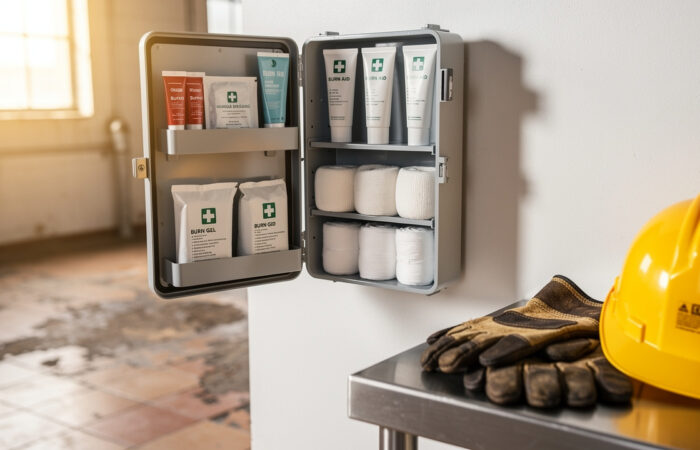
Wall mounted first aid boxes in plants, warehouses, kitchens, and labs
Crash carts and treatment rooms in clinics and urgent care units
School nurse offices and college health centers
Tattoo and piercing studios and on site corporate clinics
Cluster alcohol wipes around:
Medication rooms and vaccination stations
Occupational health offices and wellness clinics
Point of care testing benches
Areas where staff clean small device surfaces that allow alcohol
Packaging choices matter for both types:
Individually wrapped, sterile saline wipes suit wound and sensitive site care, mobile kits, and vehicles because each pad stays protected until use.
For high use areas, boxes or resealable inner bags help limit waste while guarding against drying.
Alcohol wipes may sit in small tear open packets for skin prep or in canisters for surface touch points, as long as staff follow device and chemical safety directions.
Finally, support the plan with simple wall charts or short standard operating procedures:
Show common scenarios with a column for saline and a column for alcohol.
Keep safety data sheets and product specs on file for audits.
Align choices with guidance from the CDC, FDA, and local health departments so your wipe strategy backs up your infection prevention policies.
Why Choose Us For Wholesale Saline Wipes And First Aid Supply?
Selecting a wholesale partner for saline wipes and first aid stock affects safety, comfort, and budget across every site. A supplier that controls its own production, packaging, and quality systems offers more confidence than a loose chain of middlemen. That structure also supports consistent pricing and reliable restocking when demand spikes.
First aid buyers often look for:
Medical grade ingredients that feel gentle but still support hygiene
Consistent quality checks and traceable batches
Cleanroom production suitable for healthcare and industrial programs
Flexible case sizes for clinics, plants, and large multi site groups
Helpful ordering support when you need to standardize wipe choices
If you want to simplify ordering and keep standards tight, buying from a focused first aid supplier makes daily work easier for both safety teams and purchasing.
Our Saline Wipes And First Aid Support For Your Facility
A core saline cleansing wipe offered through First Aid Longs uses distilled water with Sodium Chloride 0.02 percent and Cetrimide BP 1 percent. That mix gives gentle saline cleansing plus mild antiseptic action, which suits sensitive skin better than straight alcohol while still supporting hygiene. The wipes come in individually packaged formats that protect sterility until the tear line, along with resealable bulk bags for higher volume areas.
Wholesale programs through First Aid Longs cover pack sizes from 100 to 1,000 wipes, so small clinics and large hospital groups can order to fit their volume. The company also bundles medical wipes within first aid kits for plants, construction firms, schools, and offices, which simplifies central purchasing and helps standardize contents across locations.
On the manufacturing side, wipes roll out of a 100K Class Cleanroom with documented quality checks and medical approvals. That controlled environment helps the product hold up in heat and humidity, which matter in warehouses, offshore sites, and mobile units. Refill and bulk programs for wholesale medical products reduce unit cost and cut the chance of stockouts during respiratory surges or busy construction seasons.
If you want a single partner for wholesale saline wipes and broader first aid supply, you can work with First Aid Longs by email, phone, or web catalog. Many organizations standardize on one saline wipe as the default wound cleansing pad across clinics, first aid rooms, and field kits, while still adding alcohol wipes through the same channel for intact skin prep. For multi site organizations, that means one contract, one invoice trail, and one quality standard instead of a patchwork.
To see how wipes fit into complete kits and restocking programs, explore medical wipes within first aid kits and related wholesale medical products directly at First Aid Longs.
Moving Forward With A Smarter Wipe Strategy
Saline wipes and alcohol wipes both matter, but they are not interchangeable. Saline based pads care for open wounds, fragile skin, noses, and device sites with gentle cleansing, while alcohol wipes deliver focused antisepsis on intact skin and selected surfaces where policies call for it. Using each type for the right task protects workers, patients, and visitors from avoidable pain and infection risk.
Most organizations gain from mapping this article’s guidance against their current kits and carts:
Check whether first aid boxes, school nurse rooms, and plant clinics hold enough sterile saline pads for daily minor injuries and sensitive uses.
Confirm that injection points, testing stations, and equipment touch areas carry listed alcohol wipes, not just general cleaners.
Once you settle on counts and locations, buying wholesale saline wipes from First Aid Longs helps you lock in quality, pricing, and lead times across many locations. You can then:
Document your wipe strategy in simple SOPs
Train staff once with clear “saline vs alcohol” rules
Refill kits on a regular schedule without surprise stock gaps
If you want help building that plan or you are ready to place your next bulk order, visit First Aid Longs to review medical wipes within first aid kits and related wholesale options. A short call or email can line up samples, quotes, and customization so your wipe stock matches the real risks your workers and patients face.
Why Buy From First Aid Longs?
When you compare suppliers, a few points often decide who you trust with first aid stock. First Aid Longs stands out by focusing on safety, reliability, and real world use:
Purpose Built First Aid Range
Saline wipes, alcohol wipes, and full first aid kits designed for workplaces, clinics, and schools
Product choices that match OSHA expectations for “adequate” and relevant supplies
Consistent Wholesale Supply
Bulk ordering for saline wipes and broader wholesale medical products
Refill programs that help you keep every kit aligned with your wipe strategy
Quality And Compliance Focus
Cleanroom manufacturing and documented checks support inspection ready records
Clear product information so policies and SOPs can reference specific wipe types
Helpful Support For Safety Teams
Guidance on stocking levels for different risk profiles
Options to align kit contents across all your sites
If you are reviewing your wipe policy or updating your kits, adding wholesale saline wipes from First Aid Longs is a simple step that gives your staff the right pad in their hand at the right moment.
Ready to Stock Essential Saline Wipes?
Maintain hygiene compliance with dependable saline wipes suited for high demand workplace environments.