
Minor burns can still mean days off work when they happen on a busy line or in a hot kitchen. In one clinical trial of 27 patients examining aloe vera gel’s effect on dressing-related pain in burn wounds, partial-thickness burns treated with aloe vera healed in about 12 days, while Vaseline gauze areas took about 18 days. That kind of gap matters when staff time and productivity are on the line, and it raises real questions about burn gel vs aloe vera in first aid. For workplace first aid, commercial burn gel usually handles the emergency moment better, while aloe-based products can support healing later.
This guide explains how burn gels and aloe vera work, what does burn gel do in practice, and where aloe vera for burns fits best. You will see which option fits each burn type, how serious burns change the decision, and simple steps to build a clear burn response plan. By the end, you can match your first-aid shelves to real risks instead of office folklore and know where to buy the right products.
Keep reading to see how these choices play out across construction, food production, offices, and more, and how to stock smart rather than guess.
Key Takeaways
This section gives a fast overview of the main points before you decide how to stock your first-aid kits.
For most workplaces, burn gel is the better first step when staff compare burn gel vs aloe vera for fresh burns. It cools quickly, eases pain, and fits first-aid guidance from bodies such as NHS burn care advice. Aloe products still help, but they belong later in the healing path.
Aloe vera can help partial-thickness burns heal faster than basic dressings in controlled studies. Medical-grade aloe creams and gels support moist wound healing and skin repair. Plant leaves and cosmetic gels do not offer the same safety or control.
Burn gel is the better choice in kitchens, warehouses, plants, and gyms where staff need fast pain relief. It comes in sterile, labeled packs with clear expiry dates. That makes audits, OSHA checks, and internal reviews much easier.
Serious burns are never a simple burn gel vs aloe vera choice and always need urgent medical care. Electrical, chemical, deep, or large-area burns must go straight to professional treatment. Gels and creams only support comfort until clinicians take over.
A simple burn response sequence keeps staff safe and confident across sites. Cool with running water, apply burn gel on suitable burns, cover with a clean dressing, and escalate when size or location make the burn more than minor.
What Does Burn Gel Do Compared To Aloe Vera In First Aid?

When workplaces compare burn gel vs aloe vera for first aid, burn gel handles the first minutes after injury more reliably. Aloe products focus more on healing support over days, under cleaner and calmer conditions. Both have value, but they are not interchangeable in a formal first-aid plan.
How Burn Gel Works On Minor Workplace Burns
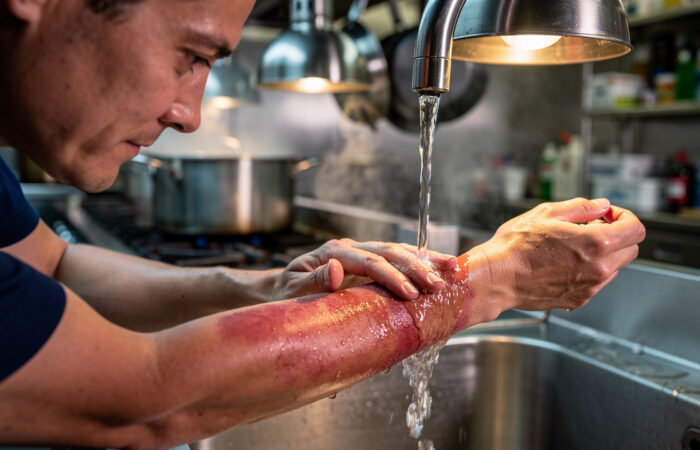
When safety teams ask what does burn gel do, the answer is straightforward. Burn gel is a water-rich hydrogel for small, superficial, and partial-thickness burns after cooling with clean running water. The high water content absorbs heat from the skin, which helps limit tissue damage and cut down pain.
Most workplace burn gels include extra ingredients that help staff feel better and protect the wound surface. Many brands add lidocaine, a local anesthetic that blocks pain signals for fast relief. Others include humectants such as glycerin or propylene glycol, which hold moisture and help keep the wound bed from drying out or cracking.
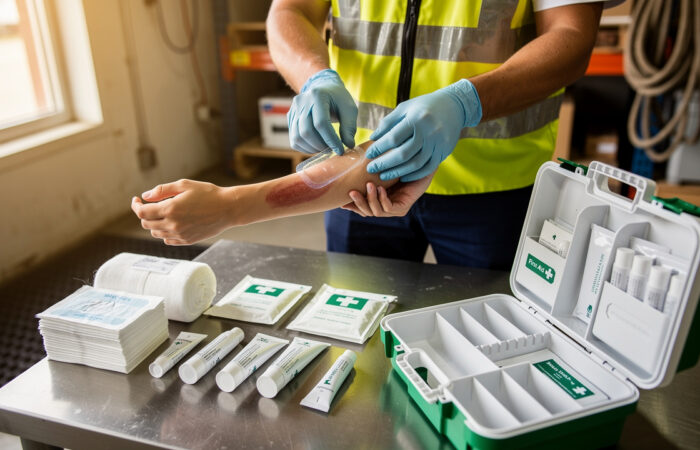
Thickening agents keep the gel in place on curved areas like fingers, wrists, or faces during a shift. Formulas are non-greasy and non-stick so clinicians can rinse them off easily for a clear look at the wound later. Single-use sachets, tubes, and gel-soaked dressings make it easy for non-medical staff to open, apply, and move on with the rest of the response steps.
When companies ask does burn gel work beyond the theory, they should think about real incident moments. A worker with a fryer splash or grinder burn needs cooling, pain relief, and protection delivered in seconds, not a search for a plant on a windowsill or a cosmetic tube with unclear ingredients.
How Aloe Vera Works On Burns And Where It Helps Most
When people ask can you use aloe vera gel on burns, the honest answer is yes for some burns and some products. Aloe vera gel comes from the inner leaf of the aloe plant and holds water, plant sugars, vitamins, amino acids, and other active compounds. These substances can calm inflammation and support tissue repair in superficial and partial-thickness burns.
Clinical trials give useful detail. In one study of 27 patients, aloe vera gel helped partial-thickness burns heal in about 11.9 days on average, while Vaseline gauze areas took about 18.2 days. In another trial with 30 patients, an aloe cream beat silver sulfadiazine cream on healing time for second-degree burns, with aloe sites healing in about 16 days and silver sites in about 19 days, a pattern consistent with a systematic review and network meta-analysis of natural remedies in burn care. These results suggest that aloe vera for burns can speed up re-epithelialization, which means faster regrowth of the skin surface.
Those studies used medical-grade aloe products under close medical care, not random cosmetic bottles or pieces of plant cut in a break room. That difference matters for infection control and predictable results. Aloe gels are also not tuned for maximum evaporative cooling the way burn hydrogels are, so they are weaker in the first minutes after injury.
In practice, aloe makes the most sense for follow-up care of small, already assessed burns once the emergency phase is over. It is less suited as the only first-aid product across a chain of warehouses, kitchens, or shops where fast, standardized responses matter.
Is Burn Gel Or Aloe Vera Better For Different Types Of Burns?
When managers weigh burn gel vs aloe vera for different burns, burn gel usually wins for first-degree and small second-degree injuries. Aloe vera can still play a role later, but serious burns always move straight to medical care and not just to a tube or packet.
Understanding Burn Types Before You Choose A Product
Before you set stocking rules, it helps to link burn types to product choices.
Key points on burn depth:
First-degree burns
Affect only the top layer of skin
Red, dry, and painful, no blisters
Often from brief contact with hot surfaces or mild sun exposure
Second-degree, or partial-thickness, burns
Reach deeper into the skin and hurt more
Red, swollen, often blistered
Common with scalds from hot liquids, steam, or longer contact with hot equipment
Third-degree, or full-thickness, burns
Can look white, brown, or charred
May hurt less because nerves are damaged
Often from open flame, strong electricity, or very hot chemicals and always require urgent care
Electrical and chemical burns are special cases and should always be treated as medical emergencies. For a more detailed look at how clinicians define burn depth, you can review this overview of burn degrees. Any deep burn, large-area burn, or burn on the face, hands, feet, or genitals is a medical emergency rather than a question about which gel to pick.
When Burn Gel Is Clearly The Better First-Aid Choice
When you match burn gel vs aloe vera to real workplace risks, burn gel stands out for the emergency phase. It is the better first-aid choice for small thermal or scald burns on hands, arms, or other limited areas. It works well in kitchens, warehouses, construction sites, gyms, and loading docks where staff need fast cooling and pain control.
Burn gel has clear benefits in these cases that aloe alone often cannot match:
Gives rapid cooling after the first flush under water, which can limit how deep the burn goes
Forms a protective hydrogel layer that shields exposed nerve endings and reduces pain
Stays where it is applied on curved or moving areas
Arrives in sealed, clearly labeled formats with expiry dates and instructions
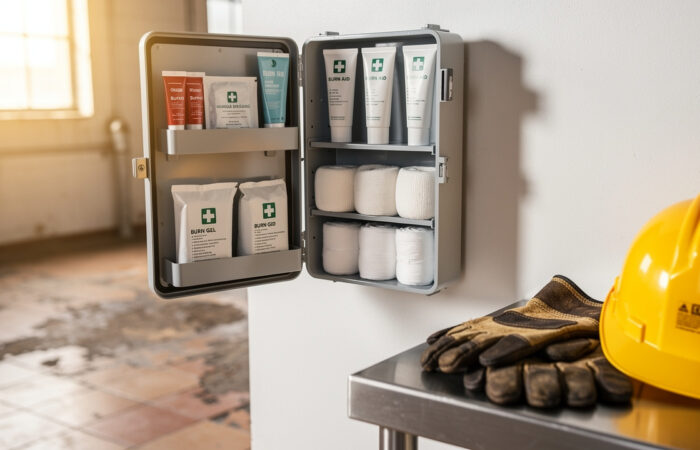
Most commercial burn gels are packaged for first aid, not for home beauty use. They come in sterile, sealed formats with ingredient lists, directions, and expiry dates that help with OSHA and internal audits. Many workplace guidelines now expect some form of burn gel or hydrogel dressing in complete first-aid kits for higher heat risk environments.
When Aloe Vera Can Add Value In Burn Care
Aloe vera adds value once the burn is stable and has been checked. Medical-grade aloe gels and creams can help with ongoing care of small superficial burns and sunburn after a clinician has ruled out deeper damage. They are a good fit for follow-up in occupational health clinics or primary care when the main goal is comfort and faster closure of a minor wound.
Workplaces should avoid depending on fresh aloe plant leaves as part of any written protocol. Cosmetic aloe gels with perfume, color, or extra alcohol are also poor choices on open burns because they may irritate or contaminate the wound. Aloe works best as a planned add-on, not as the only product in the cabinet, and it should sit beside, not instead of, burn hydrogels.
Pros And Cons Of Burn Gels Vs Aloe Vera In Workplace First Aid

When leaders compare burn gels vs aloe vera for workplace first aid, burn gels score higher on cooling, pain relief, sterility, and standardization. Aloe vera brings real healing benefits but fits better as a planned extra in a wider burn care system instead of the sole tool on site.
Benefits And Limits Of Burn Gel For Workplace Burns
Burn gel brings several strengths that matter when non-clinical staff respond to injuries. Products are designed so that any trained worker can tear open a sachet or unwrap a hydrogel dressing in a stressful moment. Single-use packets help reduce cross-contamination in cafeterias, classrooms, gyms, and shared vehicles.
Key advantages include:
Effective evaporative cooling after water flushing
Pain relief when lidocaine or similar anesthetics are included
A moist, non-stick layer that protects damaged tissue
Clear expiry dates, batch codes, and instructions for audits and training
Shelf-stable formats that suit vehicles, warehouses, and outdoor kits
There are also limits that safety teams should know:
Some burn gels contain anesthetics that can trigger allergies in a small number of people
They are not meant for very large or deep burns without medical advice
They must follow, not replace, first-line cooling with clean running water
As agencies such as the Centers for Disease Control and Prevention and OSHA stress, cool running water remains the first step before any gel is applied.
Benefits And Limits Of Aloe Vera For Burns And First Aid
For questions about burns and aloe vera, the science gives a mixed but helpful picture. Evidence from human trials shows that aloe vera can speed healing of partial-thickness burns when compared with plain petroleum gauze or some silver creams, echoing findings from a comparison between povidone iodine and aloe vera gel on burn wound healing. Medical-grade aloe helps keep the wound moist and may lower inflammation, which are both useful for tissue repair.
Most patients in these studies tolerated aloe creams and gels well, with only minor discomfort reported. That makes aloe a reasonable choice for ongoing care of small, properly assessed burns. Staff can also use medical aloe products for sunburns that happen during outdoor work or sports programs, where blistering and peeling rather than deep tissue damage are the main issues.
Limits appear when companies try to use plant leaves or cosmetic gels in a formal protocol:
Plant material and open jars can carry bacteria
Scented cosmetic aloe can cause contact allergy or sting damaged skin
Concentrations of aloe and extra ingredients are inconsistent
These products are not designed for emergencies or for serious burns
Aloe should never delay calling 911 or reaching an emergency department when depth, size, or location make a burn more than minor. It belongs in follow-up plans and staff education, not as the default first response on the shop floor.
Practical Comparison For Safety And Operations Managers
From an operations view, the decision between burn gel vs aloe vera should feel clear and repeatable. Burn gel is the right choice when you need a ready-to-use, labeled product in every standard kit across offices, plants, and field teams. It delivers fast cooling and pain relief at the scene for minor burns and fits OSHA-style expectations about structured first aid.
Aloe vera works best when:
The emergency has passed and the burn has been assessed as minor
The wound is clean and starting to close
Staff want extra comfort and support for skin repair
Sunburn or light surface burns affect larger but shallow areas
In a professional setting, pick burn gel as the primary first-aid tool for burns and then layer aloe-based medical products only where clinical teams or occupational health agree.
Why Choose Us For Burn Gels, Dressings, And First-Aid Kits?

When organizations move from home remedies to structured burn care, they need products and systems that match real risk. This section explains how a specialist first aid supplier can support that goal with burn gels, hydrogel dressings, and stocking programs that fit industrial, commercial, and educational sites. If you want to buy once and stock with confidence, this is where a focused provider makes all the difference.
How Our Burn Gels And Dressings Improve Your First-Aid Response
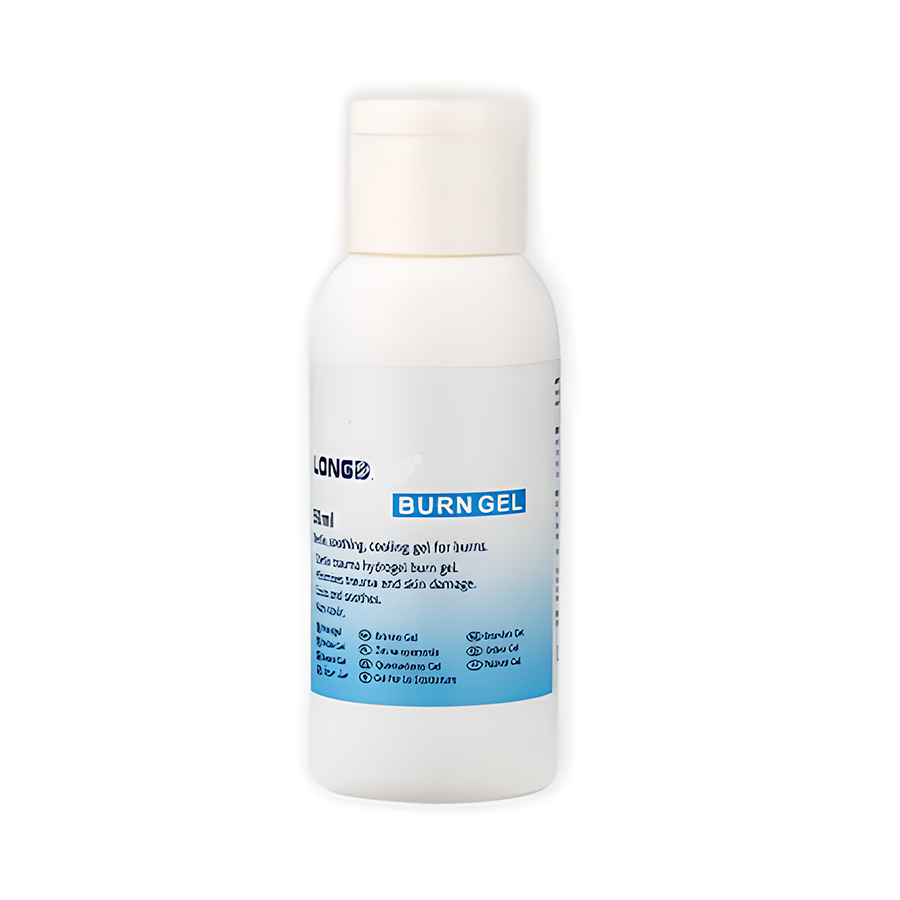
A good workplace burn range will offer burn relief gels in tubes and single-use packets that fit lockers, wall cabinets, and mobile kits. The most useful formulas combine aloe with humectants such as glycerin and propylene glycol to hold moisture and ease tight, dry skin around the wound, similar in principle to newer research into a betaine-aloe vera-gelatin hydrogel formulation developed specifically for burn wound treatment. Many versions also include lidocaine hydrochloride to deliver strong, fast pain relief when seconds matter on a busy shift.
Single-use packets give measured doses that cut cross-contamination risk in kitchens, classrooms, gyms, and hotel back-of-house zones. Hydrogel burn dressings cover cooling and wound protection in one step for areas like hands, forearms, or small facial burns. The dressings form a non-stick, low-friction layer that shields fragile tissue during transport and later dressing changes in clinics or emergency departments.
When you stock through a dedicated workplace first aid supplier, you can also match product sizes and pack counts to how your staff actually work. That means fewer half-used bottles in cupboards and more right-sized sachets at the exact point of risk.
How We Help You Stay Stocked, Compliant, And Ready
Strong burn care is about systems as well as products. The right provider will support teams that manage many locations and mixed risk profiles.
Look for services such as:
Customized kits for marine work, food production, construction, laboratories, and offices
Burn gel formats matched to typical incidents in each environment
Clear component lists to roll out the same standard kit across every branch
Standardization and replenishment tools so burn gels and dressings stay in date
Stocking lists, reminder schedules, and color cues for approaching expiry dates
Leaders can review existing burn stations, flag places where aloe-only items or home remedies still linger, and shift to a consistent, burn gel based system that still keeps aloe products for long-term healing when medical teams recommend them. When you are ready to upgrade your kits, you can buy everything in one place from First Aid Longs so your teams are not guessing or mixing brands at the last minute.
Secure Reliable Burn Gel Supplies Today!
Order our high-quality wholesale burn gels made with safety standards to stabilize your healthcare operations.
In Summary
For workplace first aid, commercial burn gels are usually safer and more practical than stand-alone aloe vera products. Hydrogels cool quickly, reduce pain, fit OSHA-style guidance, and come in sterile, labeled packs that make audits and training far easier. Aloe vera has real healing benefits, but its best place is in follow-up care for small, already assessed burns.
Every organization can review its burn risks, from fryers and welders to science labs and fitness centers. The next step is to replace improvised remedies with standard burn gel kits, hydrogel dressings, and clear escalation rules. By sourcing burn products and wider first-aid kits from First Aid Longs, you can build a burn response system that protects people, supports compliance, and helps keep work moving without long delays after minor injuries.