
How sure are you that your teams would handle a second-degree burn the right way at work? Would they grab water first or reach straight for a tube of burn gel and hope for the best? For second-degree burns, correct care always starts with cool running water, not a product. After that, the best gel for second degree burn in busy worksites is a simple, cooling hydrogel paired with a non-stick dressing, while a thin layer of plain petroleum jelly often serves as the safest everyday ointment option. Thick antibiotic creams or silver creams play only a small, specialist role. In this guide, we break down what second-degree burns are, how creams, ointments, and gels differ, and which choices fit modern medical guidance. You will see where a basic second degree burn ointment fits, when a cooling gel helps, and when the burn needs a doctor instead of any tube in the kit.
By the end, you can review your current kits, refill orders, and training and line them up with clear, evidence-based burn care steps across all of your sites.
Key Takeaways
This section gives a fast snapshot so you can update kits and training with confidence.
Cool running water stays the first step for every second-degree burn at work, with at least 20 minutes of gentle irrigation.
For many small, clean burns, a thin layer of plain petroleum jelly under a non-stick pad is usually enough.
Cooling hydrogel dressings help when water is limited, during transport, or for comfort after cooling, but they never replace medical care.
Any large, deep, chemical, electrical, or face and hand burn needs urgent assessment, not more gel or ointment from the cabinet.
What Is A Second-Degree Burn And Why Product Choice Matters

A second-degree burn, also called a partial-thickness burn, damages the top skin layer and part of the layer under it. These burns look red or pink, often blister, feel very wet or shiny, and hurt a lot because nerve endings are exposed. In workplaces such as kitchens, plants, garages, and gyms, steam, hot oil, and hot surfaces often cause exactly this type of injury.
Because the skin barrier is broken, product choice affects pain, infection risk, and healing speed. The best gel for second degree burn care cools, keeps the wound moist, and does not hide the injury from the clinician who will review it later. No cream, ointment, or gel replaces the need for fast cooling, clean dressings, and clear rules on when to send someone to urgent care or a burn center.
Water First, Then Gel Or Ointment: The Correct Order Of Second-Degree Burn Care

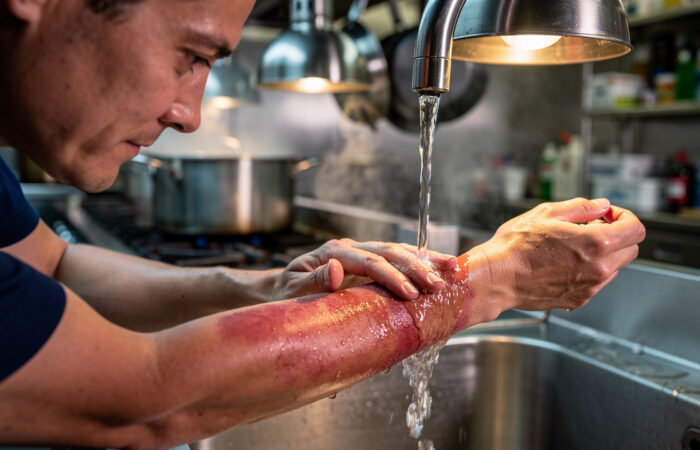
Correct second-degree burn care in the field always begins with stopping the heat and cooling under running tap water. Guidance from major hospital systems agrees that teams should use cool, not icy, water for at least 20 minutes, started as soon as possible. This single step can limit how deep the burn becomes and makes any later product work better.
A simple sequence works for most worksites.
Remove the person from the heat source and take off rings, watches, and tight items near the burn.
Hold the burned area under cool running water for at least 20 minutes, keeping the person warm.
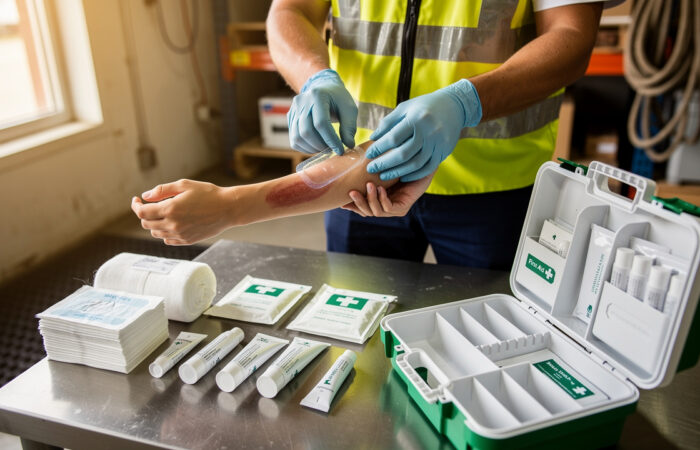
After cooling, cover the burn with a non-stick pad and add a thin layer of petroleum jelly or a suitable hydrogel if advised.
In many offices, stores, and light industry sites, plain petroleum jelly under a sterile non-stick dressing is usually the safest default for small, clean, second-degree burns. In remote sites, vehicles, or event spaces where water is limited, a non-medicated hydrogel dressing can help cool and protect the area until proper irrigation or medical review happens. In either setting, no 2nd degree burn ointment or gel should ever delay calling for help when a burn looks serious.
Second-Degree Burn Cream Vs Ointment Vs Gel: What’s The Difference And What’s “Best”?

Second-degree burn creams, ointments, and gels differ in how much water they contain and how they behave on damaged skin.
Creams mix oil and water, feel smooth, and can contain antibiotics or silver, but they offer little cooling on their own.
Ointments are oil-heavy, form a barrier, and help hold moisture in.
Gels are mostly water, feel cool, and often sit inside a soft, clear base.
For most small workplace burns that have already been cooled, the best ointment for 2nd degree burns is usually plain petroleum jelly, not a thick antibiotic or silver cream. It keeps the wound moist without hiding the skin or adding allergy risk from extra drug ingredients. The best gel for second degree burn support in kits is a non-medicated cooling hydrogel, and a systematic review and meta-analysis of randomized controlled trials on biocompatible hydrogels as smart dressings supports their use in thin layers or pads for short periods, especially during transport or in settings where water access is shaky. Older silver creams and heavy antibiotic products now sit more in the specialist, clinician-directed group than in the everyday first aid kit.
How First Aid Longs Burn Gel And Hydrogel Dressings Support Safer Workplace Burn Care

This section explains how one manufacturer’s burn gels and dressings fit into modern, water-first burn protocols. The focus is on simple, water-rich products that support cooling and comfort without pretending to replace clinical care.
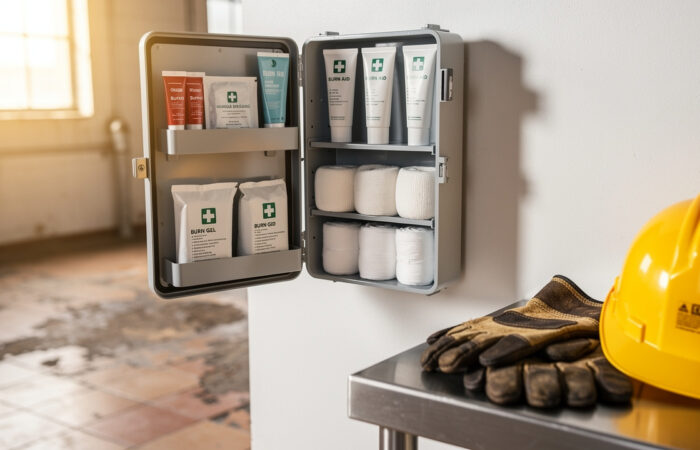
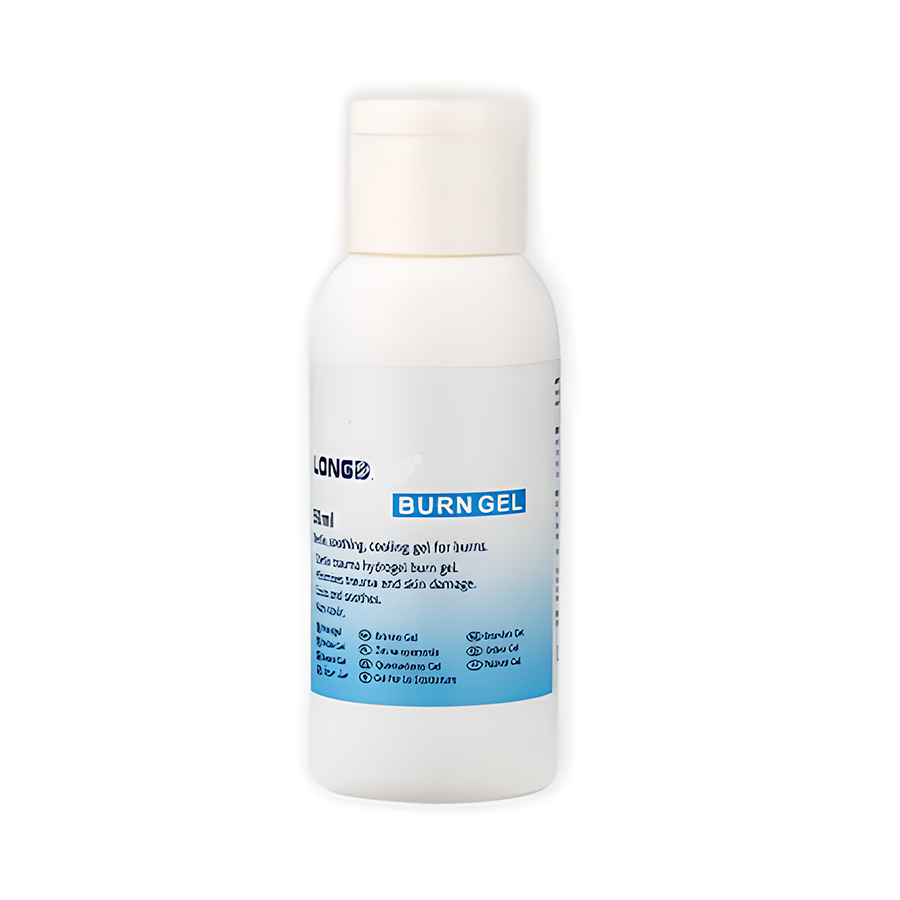
First Aid Longs supplies water-based burn relief gels in tubes, single-use packets, and sterile hydrogel pads that cover common workplace burn sizes. These gels rely on high water content to draw out heat, while ingredients such as aloe vera help with comfort on minor, limited areas. The hydrogel dressings are non-adherent, so clinical staff can remove them easily to examine the wound. Because the company manufactures in-house, it can standardize formats across plants, kitchens, security posts, and vehicles, which helps safety leaders keep every kit aligned with ANSI-style expectations.
Secure Reliable Burn Gel Supplies Today!
Order our high-quality wholesale burn gels made with safety standards to stabilize your healthcare operations.
In Summary

Second-degree burns at work need fast, structured care that every supervisor and first aider can remember. The core steps stay the same across construction sites, warehouses, schools, hotels, and gyms, even if the risks differ. Remove the heat, cool with running water for at least 20 minutes, protect with a clean non-stick dressing, and know the triggers for urgent medical review.
For small, clean burns on limited areas, plain petroleum jelly under a non-stick pad often serves as a safe second degree burn ointment choice. The best gel for second degree burn support is a simple hydrogel dressing or packet that cools and protects without heavy drugs, used in a thin layer and never instead of water. No product should ever delay calling 911 for deep, large, chemical, electrical, or face and hand burns. With standardized gels, dressings, and first aid kit components supplied at scale, First Aid Longs can help you bring that same clear, evidence-based response to every site you manage.