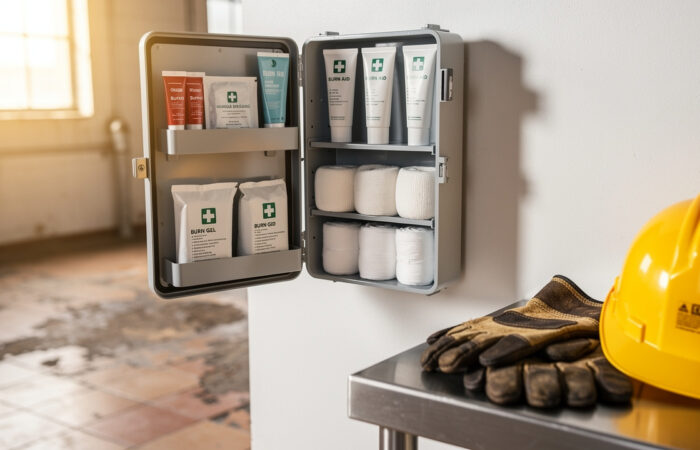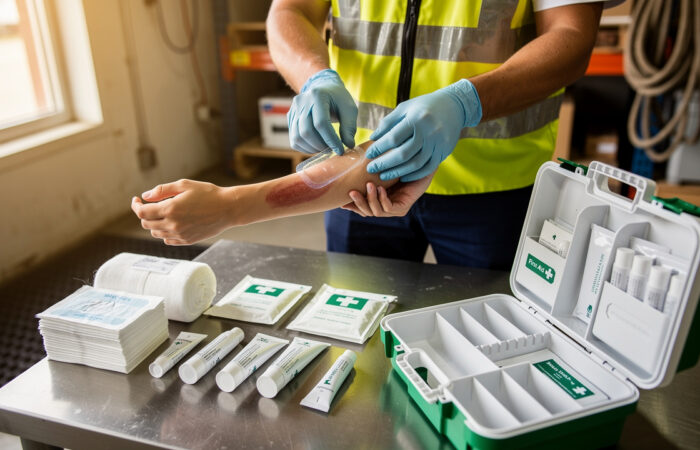

When a worker reaches for burn cream after an accident, everyone assumes it will still work. If that tube is expired, relief can be weaker, infection risk can increase, and your safety paperwork may face hard questions later. For a business, that small detail can turn into extra medical visits, insurance friction, and audit findings. So does burn cream expire, and what does that mean for your workplace kits? Yes, burn creams and burn gels have real expiration dates because their ingredients and packaging change over time. That shift can reduce pain relief, weaken infection control, and raise the chance of irritation on damaged skin. This guide explains typical burn ointment shelf life, how storage affects that shelf life, how to check and rotate stock, and how to build a simple system that keeps kits ready across all locations. We will also touch on how suppliers such as First Aid Longs support larger operations with expiry tracking and reliable burn care products.
If you manage health and safety, a clear plan beats guesswork and last-minute scrambles. By the end, you will know what the expiration date means, how often to review burn supplies, and how to document checks for regulators and insurers. Now it is time to look at what really happens once that date passes.
Does burn cream expire, and what really happens after the date?

Burn creams and burn gels do expire after the date printed on the tube, packet, or box. When people ask does burn cream expire, the short and honest answer is always yes. After roughly 1 to 2 years, active ingredients such as local anesthetics and antiseptics start to break down, the cream or gel base can separate or dry, and the packaging no longer protects sterility as well. For your facility this can mean poor pain relief, unreliable infection control, and products that are hard to defend during OSHA or insurance reviews. The safest working rule for any workplace is simple: treat burn cream and burn gel as out of service the moment they pass the marked expiration date.
Why burn creams and burn gels have expiration dates
Burn treatments carry expiration dates because their chemistry changes over time, even when stored well. Research into topical formulations for burn injuries shows that the critical role of pH and rheological behavior in plant-derived treatments affects how well pain relieving ingredients such as lidocaine and soothing agents such as aloe perform, and degradation over time can mean workers feel more pain and may need higher level medical care. Antiseptic ingredients that help keep bacteria away can also weaken, so the product no longer gives the same protection against infection on damaged skin. Manufacturers test stability in controlled conditions and set a date where they can still guarantee the labeled effect.
There is also a growing risk from the packaging as time goes on. Tubes, sachets, and hydrogel dressings can slowly lose their seal, especially after heat or rough handling in vehicles and tool bags. Once air and moisture reach the contents, bacteria or mold can grow and sterility is gone. Texture changes such as clumping, hardening, or watery separation make the product hard to spread and reduce cooling. Because makers and regulators such as the FDA only stand behind safety and strength up to the printed date, anything beyond that sits outside the tested safety range.
What are the risks of using expired burn cream in your facility?
Using expired burn cream in a workplace brings together several avoidable risks in one small tube:
Staff may get weaker cooling and pain relief, which can make even minor burns feel worse and look more severe.
Damaged or old packaging can let germs enter, so you might place bacteria straight onto a fresh burn and see avoidable infection, a risk highlighted in research on the therapeutic effects of skin repair ointments in burn wound healing.
Chemical changes inside the tube can lead to redness or itching instead of relief.
Safety inspectors, OSHA investigators, and even guests or parents who see expired products can question your safety culture and record keeping.
Claims teams and insurers may point to expired items as evidence of poor maintenance if a case escalates.
How long does burn cream last compared with other first aid items?

Burn cream and burn gel usually stay in good condition for about 1 to 2 years when stored correctly. Compared with other first aid items in an ANSI Z308.1 style kit, that is on the shorter side, so these products often expire first. Items such as eyewash, instant cold packs, and many sterile dressings often list 3 to 5 year dates when kept in normal indoor conditions. No matter what general tables say, the printed expiration date from the manufacturer always wins, and harsh storage in hot kitchens, work trucks, or damp storage rooms can make stock effectively reach the end of its life earlier.
Typical shelf life for burn creams, gels, and related items
Most workplaces keep several short lived items next to burn treatments, so it helps to compare them. Burn ointments and burn gels often show about 1 to 2 years of shelf life on the label. Some hydrogel burn dressings may list 2 to 3 years, but they still sit in the faster moving group that needs closer checks.
Burn creams, burn gels, and hydrogel dressings are among the quickest items to expire in a stocked kit. They usually sit in the 1 to 3 year range, depending on packaging, active ingredients, and storage conditions. Because they touch damaged skin and often contain pain medicine, they deserve special attention during each kit review.
Antibiotic and antiseptic ointments nearby often show around 2 years on their labels. Alcohol wipes and antiseptic wipes also sit around 1 to 2 years before the liquid dries out or chemicals lose strength. Eyewash bottles commonly list about 3 years, but they must be discarded sooner if the seal breaks or the liquid looks cloudy.
Sterile gauze pads, burn dressings, and some bandages can list 2 to 5 year dates when stored in clean, dry, indoor cabinets. Adhesive bandages may keep their stick for 3 to 5 years, although glue can fail much earlier in hot or humid areas. Because burn care products usually sit at the lower end of these ranges, they are often the first items you will replace when you check a mixed first aid cabinet.
How storage conditions can shorten burn cream shelf life
Storage conditions can quietly shorten how long burn cream is safe and useful, even before the printed date arrives. Problem spots include:
High temperatures in a work truck, warehouse dock, or boiler room that speed up chemical breakdown and can warp plastic tubes or pop foil seams.
Freezing in winter and thawing again, which can ruin the texture of gels and creams so they separate, harden, or leak.
Damp locker rooms, dishwashing areas, or pool decks that add moisture, rust metal parts, soften cardboard, and support mold on outer packaging.
Direct sun on wall cabinets near windows, which can heat the contents and fade labels so dates are hard to read.
A simple rule you can write into your company standard is very clear: all first aid items, including burn products, should be kept in cool, dry, clean places away from direct sun.
How do you check if burn cream or burn gel is expired or unsafe?

To check whether burn cream or burn gel is expired or unsafe, you need to look at both dates and condition. A quick scan for the printed expiration date and a closer look at tubes, sachets, and dressings will tell you if an item still belongs in your kit. This habit is easy to add to regular OSHA style safety walks or fire extinguisher checks, and it gives operations managers a strong answer whenever someone on the floor asks does burn cream expire faster in certain spots. Any time you see a past date, damaged packaging, or strange looking product, the safest step is to remove it right away.
Step-by-step checks for burn creams and gels in your kits
A simple checklist makes it easier to train supervisors and first aiders across multiple sites. It also supports consistent documentation for insurance carriers, corporate risk teams, and inspectors who may review your program.
Start by finding the date stamp on each tube, packet, or box. Look for terms such as EXP, Use by, or Best before printed near the crimp, cap, or edge. If the date has passed or will arrive before your next planned inspection, move the item straight into your expired bin and plan a replacement.
Check the packaging for damage even when the date still looks good. Tears, pinholes, swollen layers, rust, dried product around a cap, or leaks all suggest air or germs reached the contents inside. Treat any suspect tube, sachet, or dressing as expired and remove it from every active first aid location.
When a tube has already been opened, look closely at the gel or cream itself. Any strong odor, color shift, or texture change such as separation or hard lumps shows it is no longer safe to place on skin. In heat exposed areas such as vehicles, hot kitchens, or outdoor sheds, treat even small changes as a sign to replace the product early.
For vehicle and outdoor kits, compare your findings with indoor kits. If the same brand expires or fails faster in high heat or cold, adjust your inspection frequency and stocking approach in those areas.
After checks are complete, record what you found in a simple log that lists location, date, inspector name, and any items removed. This record helps during OSHA outreach visits, corporate EHS audits, and reviews by outside groups such as the National Safety Council or your insurance carrier.
Can you ever use expired burn cream in an emergency?
Best practice for any business or institution is clear, expired burn cream, burn gel, and sterile burn dressings should not be used on real injuries. In a fixed workplace with access to current stock, your written policy should state that any expired product is removed from service and replaced, not kept as a backup. In rare remote settings with no alternatives, a trained first aider may decide that a recently expired product in perfect condition could offer short term comfort, but that is a personal judgment call, not a company policy. In managed facilities such as factories, hotels, schools, and corporate offices, well planned stock control means your team should never reach the point where they must consider using expired burn treatment.
How should you store, rotate, and dispose of burn creams in your workplace?

Good storage, rotation, and disposal habits keep burn creams safe to use and help your operation stay aligned with OSHA guidance and internal procedures. The basic idea is simple: protect products from heat, moisture, and light, move older stock forward so it is used first, and remove expired or damaged items so they cannot reach patients. When leaders ask does burn cream expire faster in some parts of the building, these habits also provide a clear answer backed by records instead of guesswork. A few written rules, consistent checks, and a clear disposal routine are usually enough for even large multi site businesses.
Best practices for storage and rotation
Storage is the base that supports everything else in your burn care program. Good placement reduces waste because products keep their strength longer, and it reduces risk because your teams always know where to find in date treatments.
Keep all burn creams, gels, and dressings in cool, dry, and clean spots that staff can reach quickly.
Avoid mounting cabinets over ovens, steam tables, radiators, or hot equipment, and avoid locations near windows where direct sun can heat kits or fade packaging.
In warehouses, garages, and agriculture sheds, try to place kits in areas that stay as close as possible to normal room ranges through the year.
Post a short instruction card inside each cabinet door that reminds staff to check dates and move older stock to the front.
Rotation is the next step once storage is stable. Use a first in, first out method by placing new stock behind older stock on shelves and in cabinets, and by writing the earliest expiration month and year on a small front label. Higher risk environments such as construction sites, production lines, and commercial kitchens may need monthly or every 2 to 3 month checks, while offices and lower risk corporate spaces may be fine with quarterly or twice yearly reviews.
What to do with expired burn creams and gels
Expired or damaged burn products should leave active kits as soon as you find them. The person doing the inspection can move them into a separate container labeled Expired not for use so they are not picked up by mistake during an incident. Small amounts of over the counter burn cream usually go into normal waste, although healthcare settings and some states may ask for pharmacy or medical waste channels instead. Many organizations keep a small amount of expired, non sterile essential stock for drills and practice sessions, stored far away from real kits and clearly marked for training only. Whatever you remove, record what left each location and what replaced it so your logs tell a clear story during audits or incident reviews.
How First Aid Longs helps you manage burn cream shelf life across sites

For multi site businesses, tracking when burn products expire in every plant, store, or vehicle can feel complex without a plan. Organizations need burn gels, hydrogel dressings, eyewash, and related items that share predictable shelf life and clear labeling so they can fit into standard checklists. A consistent product mix across locations also makes it easier to answer questions from OSHA or local fire marshals during visits. This is where working with a single specialist supplier such as First Aid Longs can support both safety and cost control.
Coordinated burn care products and expiry management support
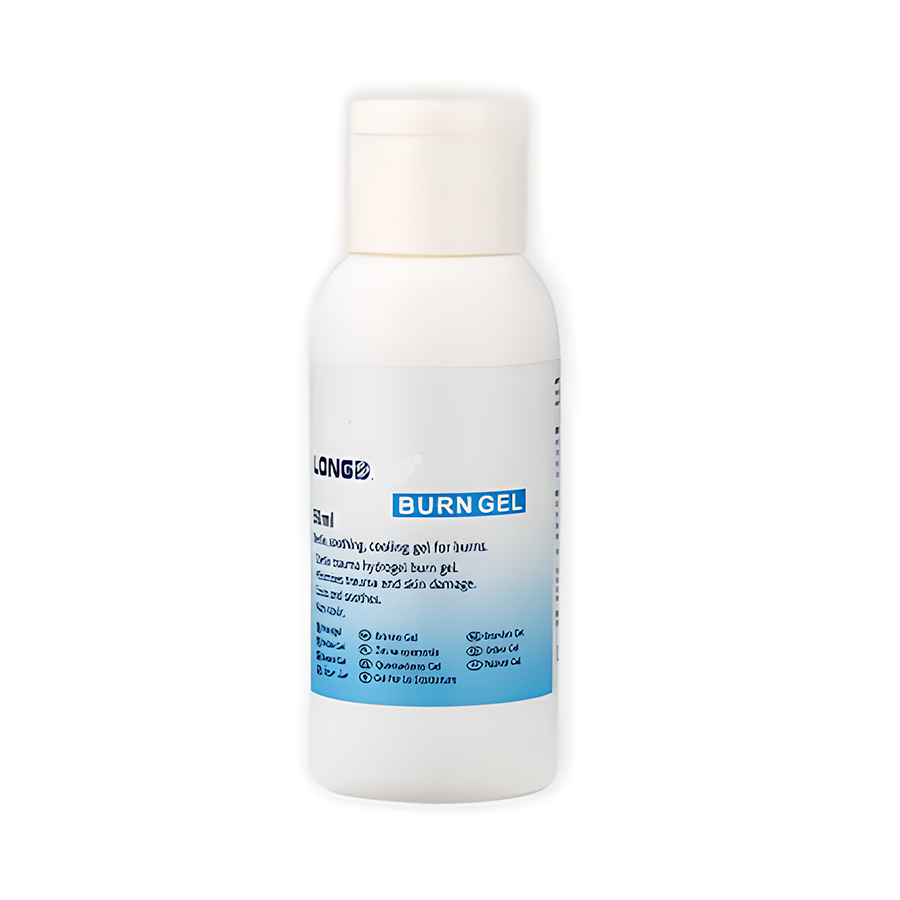
First Aid Longs manufactures hydrogel burn dressings, burn relief gel tubes, and single use burn gel packets in its own cleanroom facilities. That direct control over production supports stable formulations and reliable packaging, which helps each item keep its strength and sterility up to the labeled date. Because the main burn products come from the same source, operations managers can standardize on a small set of SKUs across factories, warehouses, offices, hotels, and school sites.
The company also helps safety teams handle the practical side of expiry tracking. Simple inventory sheets list each location, product code, and expiration date so supervisors can check items quickly during monthly or quarterly walks. Some clients use color coded stickers to flag burn products that will expire within the next 12 months, which prompts early reorder or movement to higher use sites. Labels on shelves or cabinet doors can show the item name and the earliest expiration date facing forward so anyone can see which stock to use first. Because the exact shelf life is printed on every label, facility managers can contact the platform for product specific advice and stocking plans that match risk levels in kitchens, welding bays, or outdoor crews.
Secure Reliable Burn Gel Supplies Today!
Order our high-quality wholesale burn gels made with safety standards to stabilize your healthcare operations.
In summary
Burn creams and burn gels do not last forever, and expired products can quietly turn a routine first aid case into a bigger issue. As time passes, active ingredients break down, cream bases change, and tubes or sachets lose their tight seal. That mix can leave workers with poor pain relief, higher infection risk, and a treatment record that looks weak during OSHA or insurer reviews. Knowing that does burn cream expire is only the first step; the real value comes from how you manage that fact day to day.
By checking dates, inspecting packaging, and choosing cool, dry, clean storage, you protect both people and your compliance record. A simple system that links inventory logs, regular inspections, and clear disposal rules works in construction, manufacturing, hospitality, education, and corporate offices alike. If your operation needs coordinated burn care products with predictable shelf life and support for expiry tracking across many sites, partnering with a specialist such as First Aid Longs can make that system far easier to maintain.