First aid industry trends are shaping which kits you buy, how ready your teams feel, and how audits play out. In 2026, these first aid industry trends reach every plant, clinic, school, and jobsite you manage. According to Statista, global spending on medical and safety products keeps rising as employers invest in prevention and early care. This guide shows what is changing, where demand grows fastest, and how First Aid Longs helps you respond with smart product choices, steady supply, and flexible customization.
Key Takeaways
- Compliance is moving from minimal lists toward risk focused programs that match real hazards. Inspectors now look at kit contents, placement, and training together.
- Custom, industry specific first aid is becoming standard for plants, construction sites, clinics, schools, and food facilities. Generic wall kits often miss burns, eye injuries, or major bleeding risks.
- Supply chain reliability beats the lowest unit price in 2026, especially for multi site buyers. Stable manufacturing, cleanroom production, and refill programs reduce stockouts and rush orders.
- Digital training and readiness programs grow fast as more staff learn CPR, AED, and first aid online. E learning reduces travel time and gives consistent content across locations.
How Are First Aid Industry Trends Reshaping Workplace Readiness In 2026?

First aid industry trends reshaping workplace readiness in 2026 show a clear move from basic kits toward full readiness programs. These shifts affect incident response, training plans, and your vendor choices.
Globally, the first aid market was worth about 4.77 billion dollars in 2024 and is projected to reach 6.18 billion by 2030, at about 4.4 percent yearly growth (Technavio), reflecting broader patterns seen across the Global Datafication Market Outlook that document how data-driven industries are accelerating demand for connected safety infrastructure. North America, led by the United States, accounts for almost half of that value.
According to the U.S. Bureau of Labor Statistics, employers recorded roughly 2.5 million nonfatal workplace injuries in 2024, and a Smart First Aid: A systematic review of high-technology medical devices confirms that faster access to appropriate supplies significantly improves emergency outcomes in workplace settings.
Market Growth And Demand Patterns For First Aid Industry Trends
Market growth and demand patterns within first aid industry trends show faster growth in workplaces than at home. This shift matters because your kit specs and vendor contracts need to reflect real risk.
Consumer studies from Mintel show U.S. retail first aid sales shrinking slightly after a pandemic surge, due to long replacement cycles. In contrast, workplace first aid supplies now form the largest product segment, with about 26.9 percent of global market share. High injury settings like manufacturing, construction, logistics, and youth sports see more kits per site and richer contents.
Here is a quick view of where demand is strongest.
| Setting | Main Drivers | First Aid Focus |
|---|---|---|
| Factories And Warehouses | Cuts, eye injuries, sprains, burns | Trauma dressings, eyewash, splints |
| Construction And Field Work | Falls, major bleeding, weather exposure | Bleed control, burns, outdoor modules |
| Schools And Sports | Sprains, concussions, sudden cardiac events | Braces, cold packs, AED support |
Regional And Sector Differences In First Aid Industry Trends
Regional and sector differences in first aid industry trends shape what you need at each site. You should not expect one single kit layout to fit every place.
- North American employers face strong OSHA oversight and active plaintiffs’ attorneys, so they tend to invest more in trauma and eye care.
- Schools and youth sports programs increase spending on splints, cold packs, and AED support as sudden cardiac events remain a concern.
- Food production and kitchens focus on blue metal detectable bandages, finger cots, and strict hygiene supplies.
Budget Planning For First Aid Industry Trends
Budget planning for first aid industry trends needs a shift from one time buying to steady, planned refresh cycles. You want fewer surprises and fewer rush orders.
You can break your spending into three simple parts:
- Core kits that meet OSHA and ANSI expectations.
- Specialty modules for burns, chemicals, or major bleeding.
- Training and digital tools that help people use the gear with confidence.
Why Compliance And Regulation Are Driving New First Aid Industry Trends

Compliance and regulation drive many new first aid industry trends because regulators now look at real hazards, not just a basic box on the wall. These changes push programs toward risk based design and regular training.
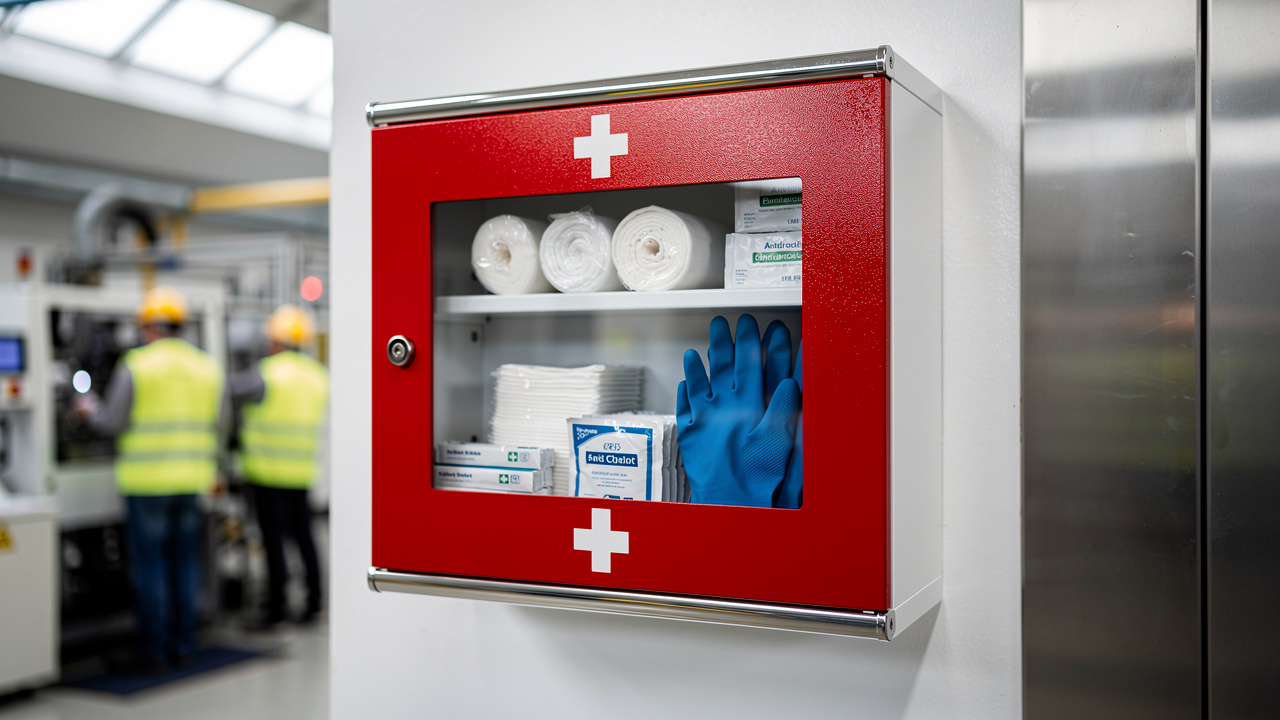
OSHA expects accessible supplies that match workplace risks plus trained people to use them. ANSI and ISEA give kit classes and item lists that help set baselines. On top of that, state and sector rules add AED, eyewash, naloxone, and concussion protocols, especially in schools, healthcare, and high hazard work.
First Aid Longs designs Class A and Class B kits around OSHA 29 CFR 1910.151(b) and ANSI/ISEA Z308.1-2021, then adapts contents for sectors like construction, marine, and laboratories.
OSHA, ANSI, And Risk Based First Aid Industry Trends
OSHA, ANSI, and risk based first aid industry trends now work together to reset what a “good” kit looks like. The key idea is simple. Kit contents should reflect the injuries most likely to happen.
OSHA rules require access to suitable first aid for injured workers and may expect trained responders when clinics or hospitals are not close. ANSI/ISEA Z308.1-2021 defines Class A kits for common, low risk workplaces and Class B kits for higher risk sites with more serious hazards. Many states then add extra expectations for AEDs, eyewash stations, emergency showers, and opioid reversal medicine in certain settings.
Documenting Compliance For First Aid Industry Trends
Documenting compliance for first aid industry trends helps you during audits and serious incident reviews. Good notes show that you thought through risk, not just cost.
You should keep:
- A list of all kits and their locations.
- Contents lists for each type and class of kit.
- A simple log of inspections, refills, and training dates.
During an OSHA visit, this folder or digital record shows that you treat first aid as a live program. The OSHA Small Business Handbook gives useful tips on building this type of documentation. First Aid Longs item codes and refill packs make it easier to track exactly what sits in each box.
Which Product And Technology Innovations Are Leading First Aid Industry Trends?
Product and technology innovations leading first aid industry trends move kits beyond simple bandages into smarter, more specific tools. These changes help you treat injuries faster and reduce waste from unused items.
Advanced wound dressings, industry focused kits, and sports support products now appear in many standard RFQs. At the same time, AEDs, eyewash, and other devices link to digital monitoring and training, a trend consistent with the growth of smart infrastructure documented in reports such as the Mega Data Centers Business report, which projects significant expansion in the connected-device ecosystems that underpin facility safety monitoring.
Advanced Supplies And Modular Kits In First Aid Industry Trends

Advanced supplies and modular kits inside first aid industry trends give you more control over both readiness and cost. Instead of one mixed box, you now combine focused modules that match each job.
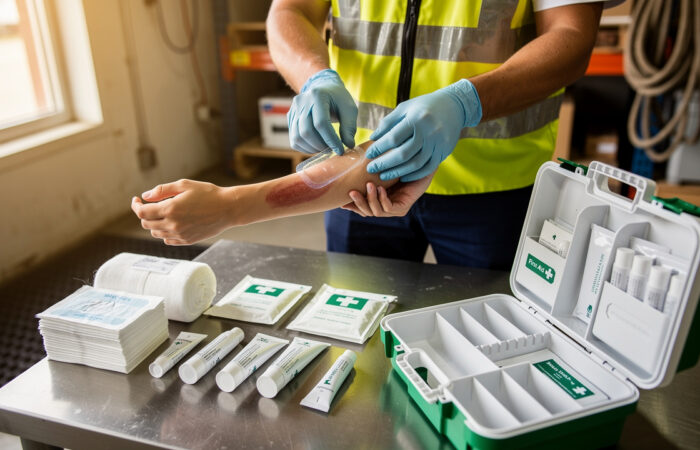
New dressings include moisture indicating bandages that signal when a change is due and advanced foams and hydrocolloids that protect fragile skin. These products support better healing for older workers and people with chronic disease.
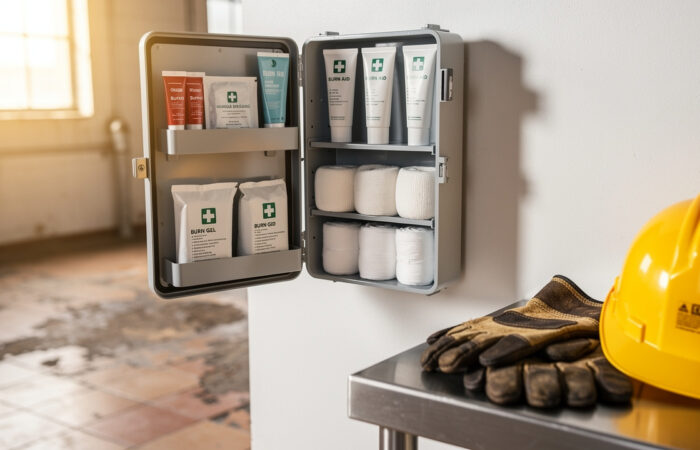
Modular kits break stock into labeled packs such as burn care, eye injuries, major bleeding, and outdoor hazards. That layout helps workers find the right items under stress and simplifies inspection and refills.
Smart Devices And Monitoring In First Aid Industry Trends
Smart devices and monitoring within first aid industry trends support faster response and smoother maintenance. You gain better data and fewer gaps.
Common tools include:
- AEDs that self test and send alerts when pads or batteries near expiry.
- Cabinets and lockers with simple sensors that flag when a door opens.
- QR codes on kits that link to contents lists, training clips, or restock forms.
How Are Digitalization And Training Shaping First Aid Industry Trends In 2026?

Digitalization and training shape first aid industry trends in 2026 by turning static kits into active readiness systems. The focus now sits on who can act and how they learn, not only what sits on the shelf.
Mobile apps now guide users through crisis steps, show matching kit contents, and send stock or expiry reminders, reflecting the rapid growth in mobile-driven safety tools captured in the Mobile Advertising Expenditure Forecast, which tracks how mobile platform investment is expanding across health, safety, and consumer engagement sectors.
First Aid Longs positions its supplies as tools that work best when paired with these digital aids. Replenishment programs and consistent item codes support QR labels, stock dashboards, and online training links across your network of sites.
Online Learning And Programmatic Readiness In First Aid Industry Trends
Online learning and programmatic readiness within first aid industry trends change how you plan budgets and schedules.
E learning lets shift workers, temporary staff, and remote teams complete theory on their own time. A short on site skills check then confirms performance without long classroom days.
Programmatic readiness also means planned reviews of kit placement, contents, and incident patterns. Instead of annual checks only, safety teams may review high risk sites monthly while software tracks expiry dates. Pairing each AED or trauma kit with scenario based practice helps workers know exactly which pouch to open first.
Culture And Engagement Around First Aid Industry Trends
Culture and engagement around first aid industry trends decide whether your program feels real or just lives on paper. You want people to care, not just check boxes.
You can:
- Share short stories of real saves, with worker permission.
- Run quick drills that take ten minutes during shift meetings.
- Use friendly posters and QR codes near kits and AEDs.
When staff see that you invest in their safety and give them tools they can use, they tend to speak up more about hazards and near misses. That feedback then helps you fine tune your kit layouts with First Aid Longs.
How Can You Use First Aid Industry Trends To Build A Future Proof Program With First Aid Longs?
You can use first aid industry trends to build a stronger, future ready program by shifting from generic kits to risk based, standardized designs. This approach cuts surprises during incidents and audits.
A good program starts with injury data and hazard reviews, then links supplies, placement, and training to that picture an approach that mirrors the evidence-based protocols.
Practical Steps To Apply First Aid Industry Trends With First Aid Longs

Practical steps to apply first aid industry trends with First Aid Longs start with clear data and end with steady upkeep. Here is a simple roadmap you can adapt.
- Step 1 Map incident and risk data by site so you see patterns. Separate cuts, eye injuries, burns, strains, and environmental issues like heat or stings. This view shows which modules matter most for each department or campus.
- Step 2 Choose ANSI Class A or Class B cores that match your overall risk level. Offices and low hazard sites often use Class A, while plants and construction prefer Class B.
- Step 3 Use specialty kits and modules for high risk tasks such as outdoor work, marine jobs, sports fields, or food service lines. For example, blue metal detectable bandages suit kitchens, while outdoor kits support field crews.
- Step 4 Standardize kit types and locations across all sites while allowing local add ons. A plant, office, and clinic can share core layouts, with extra modules for each hazard. This structure helps new staff and visitors find supplies fast.
- Step 5 Implement replenishment programs and component packs to keep many kits ready without constant manual checks. First Aid Longs offers refill packs and bulk parts that match its kit codes.
- Step 6 Align purchasing with ESG and DEI goals by choosing durable products, avoiding needless waste, and placing kits in inclusive, visible spots. Consider skin tone inclusive bandages and skin friendly adhesives to support varied workforces.
To Sum Up
Regulation, innovation, and digital learning are reshaping first aid programs in 2026. The shift moves from single wall kits toward risk based, modular systems tied to online training and steady restocking. Treating first aid as a strategic safety asset, not just a rule, helps reduce injury severity, lost time, and inspection stress. It also signals care for staff, patients, and students. First Aid Longs supports this change with OSHA and ANSI-aligned kits, cleanroom manufacturing, flexible customization, and refill services that suit both large and smaller buyers.