
How does burn gel work is not just a medical question, it is a procurement and safety question. You see burns on lines, in kitchens, and on job sites. According to the American Burn Association, about 400,000 people in the US seek medical care for burns each year. This preface explains how burn gel cools, eases pain, and protects skin, which ingredients matter most, and how to match products to your sites. Keep reading to turn that knowledge into safer kits, smarter training, and better orders.
Key Takeaways
- Cooling First, Not Magic Fix
Burn gel helps pull leftover heat from skin and eases pain fast. It works best on minor burns in the first minutes after injury. - Multi Action Ingredients In Burn Gel
Water does most of the cooling work in a hydrogel base. Lidocaine, aloe vera, glycerin, and propylene glycol each support comfort and moisture. - When To Use Burn Gel Vs Running Water
Cool running water for twenty minutes stays the gold standard when you have safe access. Burn gel steps in when water is limited, unsafe, or too cold. - Choosing Formats For Your Sites
Pads, tubes, and single use packets handle very different burn scenarios. The right mix depends on your risks, from factories to cafeterias.
How Does Burn Gel Work On Minor Workplace Burns?

Burn gel uses a high water hydrogel that pulls heat away from the burn area, then lets that heat leave through evaporation. At the same time, the gel cushions exposed nerve endings and keeps the surface moist, which helps comfort and short term healing.
How Does Burn Gel Work To Remove Heat?
After a burn, hot tissue keeps cooking deeper layers for several minutes. Fast cooling matters because it limits how deep that damage goes, a mechanism supported by research into An immunomodulatory hydrogel featuring antibacterial and ROS-scavenging functions for enhanced burn wound healing. Burn gel controls this heat by placing a thick layer of water rich gel right on the skin.
Heat moves from the hot skin into the cooler water inside the gel through direct contact. That water then evaporates from the surface into the air, which carries heat away. This process feels a lot like cool running water, which groups like the American Red Cross still list as the first step for burns.
How Does Burn Gel Work To Reduce Burning Sensation?
Burn pain comes from super hot tissue and exposed nerve endings. When you place cool gel on the skin, the lower temperature calms the tiny pain sensors in the area. That drop in nerve activity means the burning feeling fades within minutes.
The burn gel also forms a soft cushion between the wound and the air. That shield cuts the sharp sting you get from moving air, dust, or clothing over the burn. In products that contain lidocaine, you gain a second layer of relief because the drug blocks pain signals along local nerves.
Skin Protection And Moisture Balance After You Apply Burn Gel
Once you cool the area, you still need to protect the skin surface. A burn gel layer acts like a gentle barrier that shields the wound from friction, dirt, and contact with tools or uniforms. That barrier lines up well with simple cover guidance from hospitals like the Mayo Clinic.
It also sticks less than dry gauze, so later dressing changes cause less pulling and pain. Remember that this benefit applies to small, shallow burns. Deep, large, or facial burns still need rapid EMS care and a burn center, not only gel.
What Active Ingredients In Burn Gel Actually Do The Work?

This section breaks down what sits inside common burn gels and how each part helps. You will see how the base and active ingredients support cooling, pain relief, and moisture.
Most products start with a hydrogel built from over ninety percent water held in a safe polymer network, and the potential of these advanced formulations is well documented in research on The Potential of Functional hydrogels in burns treatment. First Aid Longs then adds lidocaine hydrochloride, aloe vera, glycerin, and propylene glycol in its tube gels to boost comfort and hydration.
Water And The Hydrogel Base: The Main Cooling Engine
Water is the real worker inside any burn gel. In a hydrogel, more than ninety percent of the product is purified water that sits inside a three dimensional web of polymers such as cellulose derivatives. That network acts like a sponge that holds water on the skin without running off.
When you place this gel on a hot burn, the trapped water pulls in heat through contact and then loses that heat through slow evaporation. Research reviewed by the National Institutes of Health shows that early cooling can limit burn depth and improve later healing. Because the gel stays soft, a nurse or physician assistant can remove it easily in a clinic to reassess the wound.
Lidocaine Hydrochloride: How Does Burn Gel Work To Block Pain?
Lidocaine hydrochloride is a well known local anesthetic that doctors and dentists use every day. In low dose burn gel, it sits in the top layers of skin and blocks sodium channels in nearby nerves. That block stops pain signals from traveling to the brain for a short time.
Aloe Vera, Glycerin, And Propylene Glycol: Comfort And Moisture Support
Aloe vera is a plant extract that many people know from home sunburn care. On the skin surface, it soothes redness and adds a light anti inflammatory effect that helps comfort, a property also leveraged in formulations like An Injectable Thermosensitive Chitosan/Astaxanthin/Ibuprofen hydrogel designed to mitigate burn injury through inflammation inhibition. In combination with lidocaine, it can make a small burn feel calmer within a short time.
Glycerin sits in the top skin layers and attracts water, so the area feels less dry and tight. Propylene glycol supports this action and also stabilizes the gel texture, so it spreads well.
Why Format Matters As Much As Ingredients In How Burn Gel Works
Ingredients matter, but the way you deliver them matters just as much. A hydrogel pad, a tube, and a single dose packet can hold the same formula yet solve very different problems. Pads give one step cool and cover, while tubes and packets favor very small spots or high traffic locations.
Which Burn Gel Formats Work Best In Different US Workplaces?

Hydrogel dressings help most when you need quick coverage of a clearly defined burn, such as a palm or forearm. Tube gels offer flexible spot treatment for small burns and sunburn. Single use packets shine where you worry about shared contact and infection control.
| Format Type | Best Use Cases | Key Strengths |
|---|---|---|
| Hydrogel burn dressings | Lines, kitchens, auto bays, labs | One step cooling and cover, sterile pad |
| Tube based burn gel | Offices, lifeguard stands, vehicles | Flexible dose, great for very small burns |
| Single use gel packets | Cafeterias, schools, gyms, public events | Strong hygiene, easy to hand out |
Hydrogel Burn Dressings: How Does Burn Gel Work In Pad Form?
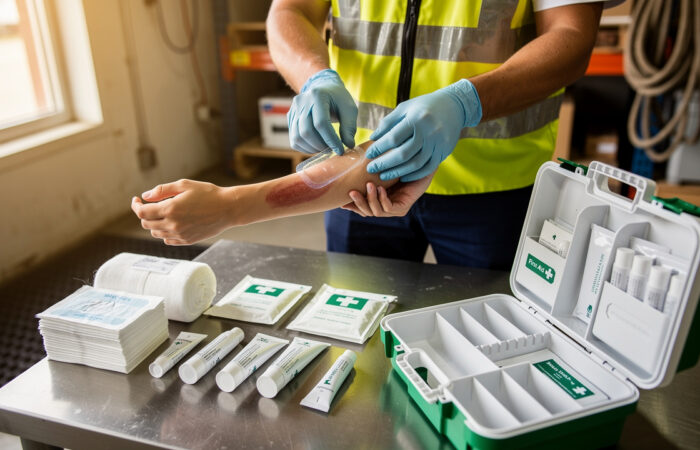
Hydrogel burn dressings are sterile pads soaked in cooling gel and sealed until you open the pouch. You place the gel side straight onto the burn, which gives cooling and coverage in one move. The non stick surface helps protect fragile tissue when medical staff remove the pad later.
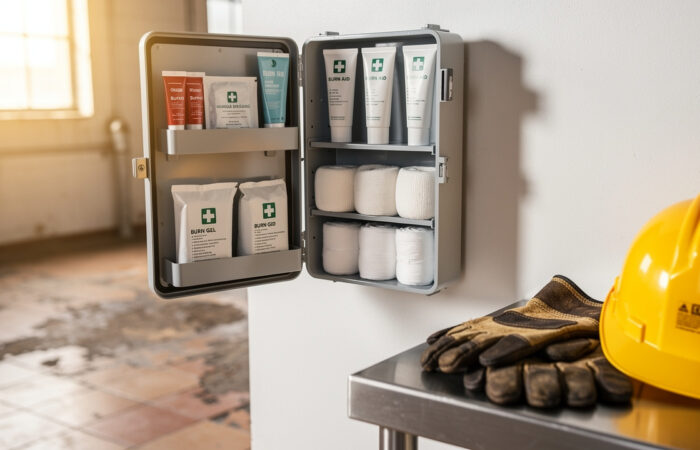
These dressings fit best at fixed first aid points near ovens, weld stations, or hot lines. They also line up well with ANSI style first aid kit layouts that call for dedicated burn care.
Tube Based Burn Relief Gel: Small Burns, Big Flexibility
Tube gels shine when you face lots of tiny burns across many spots. A 50 ml or 125 ml tube handles light sunburn on a lifeguard, a small oven burn in a café, or a solder burn in an electronics lab. Staff squeeze out what they need and apply a thin layer, then cover if needed.
Best locations include reception desks, office kitchens, security posts, supervisor trucks, and pool stations.
Single Use Burn Gel Packets: Hygiene In High Turnover Spaces
Single dose packets reduce the worry that many hands will touch the same tube tip. Each packet holds enough gel for a small burn on a finger or wrist, and you tear it open on the spot an approach aligned with hygiene-focused research such as Topical Probiotic Hydrogels for burn wound healing that underscores the importance of contamination control in wound care. That simple design helps you keep strong hygiene in places where many people pass through.
They fit well in cafeterias, school nurse offices, buses, stadium stands, and gyms. Packets support infection control rules and OSHA minded safety programs that stress single use items.
Standardizing Burn Gel Across Sites With First Aid Longs
If you manage many floors or campuses, standard products matter almost as much as product quality. Using the same burn gel formats and ingredients in every kit means your training looks the same everywhere. Staff who move between plants or clinics do not face new labels at each door.
When Should You Use Burn Gel Vs Cool Running Water?
This section sets clear rules on when to cool with water and when to reach for gel. You will see how to fit both tools into one easy first aid flow.
Guidelines from the American College of Emergency Physicians and many burn centers still point to cool running water for at least twenty minutes as first choice. Burn gel steps in when water is not safe, not reachable, or would cause too much body cooling. Clear written rules help you avoid delays or confusion during real events.
How Does Burn Gel Work In Your First Aid Sequence?
Your basic burn sequence stays the same across job types. You stop the burning, cool the area, cover the wound, and call for help if you need it. Burn gel fits mainly in the cooling and cover steps.
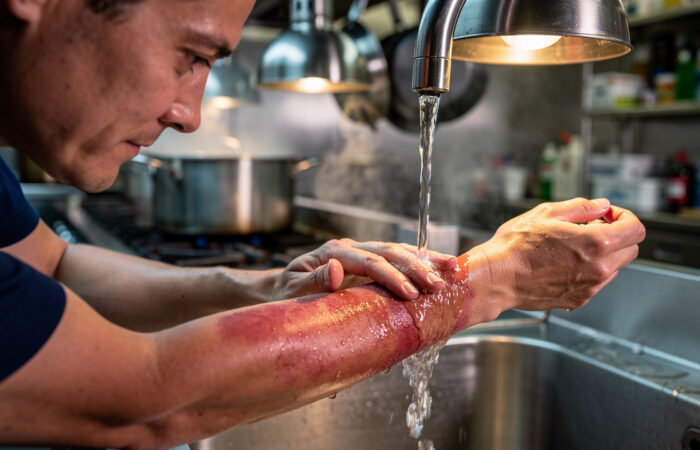
When water is close and safe, you hold the burn under a gentle stream. When water is not an option, you apply burn gel for about fifteen to twenty minutes instead.
Situations Where Burn Gel Is The Better Practical Choice
Some workplaces cannot rely on sinks, even with solid planning. Remote construction sites, utility poles, railroad yards, and wind farms often lack plumbing. Here, hydrogel dressings and packets in mobile kits make more sense than hoping for water.
Cold outdoor settings raise another concern. In a winter road crew or on a high steel structure, long water cooling can push someone toward hypothermia. In that case, gel gives focused cooling while blankets protect the rest of the body. During multi patient events, such as a kitchen fire in a resort, water access and time may run short, so gel pads help spread care across many people
When You Should Not Rely On Burn Gel Alone
Burn gel has clear limits. You should never use it as your only care on deep, large, or high risk burns. A useful rule is any burn larger than the person’s palm, or that looks white, charred, or leathery, needs emergency care.
Electrical or chemical burns, and burns to the face, hands, feet, genitals, or major joints, also need rapid 911 contact. Very young children, frail older adults, and people with major health problems fall in the same group. In these cases, gel may play a short role for comfort, but it must not delay transport to an emergency department or burn center.
Training, Policy, And Documentation For US Facilities

Good gear means little without clear rules and practice. Your written protocol should say when staff can use lidocaine gels, how long they cool with gel, and when they must call EMS. Limits by age and burn size reduce both hypothermia risk and legal risk.
Conclusion
Understanding how does burn gel work helps you move from random purchases to smart, system wide burn care. You now know that water rich hydrogel is the main cooling engine, while lidocaine, aloe vera, glycerin, and propylene glycol support pain control and moisture. You also saw how pads, tubes, and packets each solve different problems across factories, clinics, offices, and schools.
Use this knowledge to update protocols, train staff, and check kit contents against real burn risks. When you want consistent formats, proven ingredients, and flexible order sizes, First Aid Longs can support a standard burn gel program across all your locations.