
How to apply burn dressing the right way protects workers, budgets, and your reputation. You see burn risks in plants, kitchens, labs, and classrooms every day across the US. According to the Bureau of Labor Statistics, employers report more than fifteen thousand nonfatal work related burn injuries each year that require days away from work.
Poor technique can turn a minor burn into a long absence or a costly claim. Good technique, backed by smart product choices, keeps most burns simple and contained. This guide shows you how to apply burn dressing step by step, match dressings to burn depth, and standardize kits with First Aid Longs products.
Key Takeaways
- You learn how to apply burn dressing from cooling and cleansing through covering, securing, and monitoring. Each step links to OSHA style first aid expectations. You also see when a burn is too serious for on site care.
- You see how burn depth drives dressing choice, from simple non stick pads to hydrogel dressings and burn gel. Clear rules show which burns you manage on site and which you send to an emergency department or burn center.
How To Apply Burn Dressing Safely In Workplace Settings
How to apply burn dressing in a workplace starts with cooling the burn, then cleansing, then covering with the right non stick layers. Safe technique protects skin, limits infection, and supports your OSHA record.
Step By Step Technique: How To Apply Burn Dressing

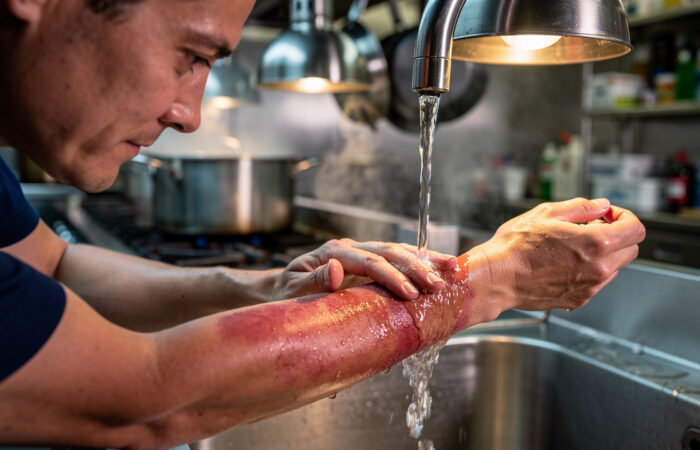
For any burn, your first move is scene safety. Turn off power, shut off the gas, move the worker away from the hot surface, and remove rings or tight items near the area. Next, cool the burn under cool running water for about twenty minutes. The CDC advises cool water and no ice, butter, toothpaste, or oil products, because they trap heat and can harm skin.
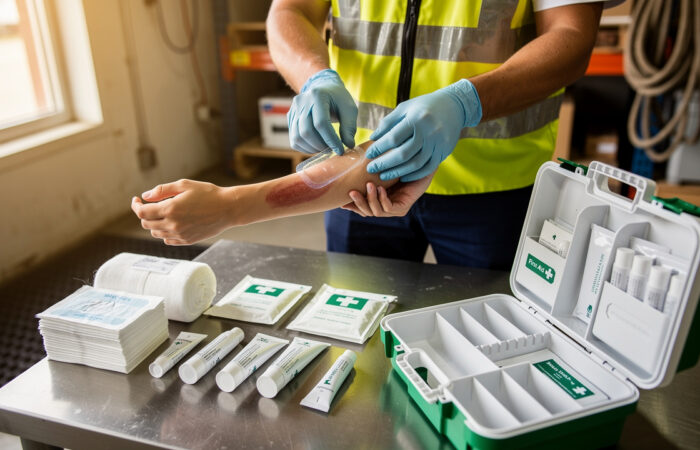
After cooling, gently pat the skin around the burn dry with clean gauze or a towel. Wash your hands, put on gloves, and set up a clean area with a waste bag. For a minor, superficial burn, you can now apply a thin layer of First Aid Longs burn relief gel or place a sterile First Aid Longs hydrogel burn dressing, following the label. Do not break blisters on purpose, and avoid rubbing the area.
Place a non adherent pad or hydrogel dressing over the burn without stretching the skin. Cover it with sterile gauze pads, then wrap with a gauze roll from the end of the limb toward the body. The wrap should hold the dressing but not feel tight. Check color, warmth, and feeling beyond the wrap.
Basic Burn Dressing Steps
Frontline staff need a quick visual reminder when stress is high. This simple table turns how to apply burn dressing into a fast checklist you can print and place near first aid stations.
| Step | Do This | Avoid This |
|---|---|---|
| Cooling the burn | Use cool running water for about twenty minutes right after the injury | Using ice, butter, oil, or ointment before cooling |
| Cleansing and inspection | Gently clean with mild soap and water, then look for size and blisters | Scrubbing hard or peeling intact blisters |
| Applying gel or dressing | Use burn gel or hydrogel only after cooling is complete | Smearing thick layers that trap heat or using gel on deep or chemical burns |
| Securing dressing | Cover with non stick pad and loose gauze wrap | Wrapping so tight that fingers or toes turn pale or numb |
| Monitoring escalation | Recheck pain, color, swelling, and function often | Ignoring rising pain, spreading redness, or burns near face or joints |
How To Apply Burn Dressing Based On Burn Type And Depth
How to apply a burn dressing correctly depends on burn depth, size, and location. The right match keeps minor burns simple and flags serious burns fast.
Here, you link easy visual signs to on site actions and escalation rules. This helps you write clear protocols so non clinical staff make safe choices under pressure. Data from the American Burn Association shows hundreds of thousands of people seek burn care each year, so simple cues really matter.
Matching Burn Types To Dressing Choices
Superficial burns look red, dry, and painful without blisters. Your main goal is comfort and basic protection. Cool the area, then use a small amount of First Aid Longs burn gel or a light hydrogel pad, followed by a thin non stick cover.
Superficial partial thickness burns look red, wet, and blistered, and they hurt a lot. After cooling, protect the area with a non adherent contact layer and soft gauze so the blisters stay covered. You want a moist, clean space, so hydrogel burn dressings and padded wraps from First Aid Longs work well on small areas.
Deep partial thickness or full thickness burns may look pale, leathery, or even black, and they can feel less painful because nerves are damaged, a distinction underscored by research on the Efficacy and safety of platelet-rich plasma as an adjunct therapy in burn patients with granulating wounds. These burns are not for workplace dressings alone. Cool with water if safe, cover loosely with a clean dry cloth, and call 911 or send straight to an emergency department or burn center.
Burn Type Vs Recommended Workplace Response
This table helps you and your teams jump from what you see to what you do. It belongs in first aid cabinets, safety manuals, and digital training.
| Burn Depth | Typical Signs | On Site Dressing Approach | When To Escalate |
|---|---|---|---|
| Superficial | Red, dry, painful, no blisters | Cool water, burn gel, light non stick pad | Escalate if the area is large or worker has other health problems |
| Superficial partial thickness | Red, blistered, weeping, very painful | Cool water, hydrogel dressing, non stick pad, gauze wrap | Escalate if on face, hands, feet, genitalia, or across major joints |
| Deep partial or full thickness | Pale or charred, leathery, less sensation | Cool if safe, cover loosely with clean dry cloth only | Call 911 or send to burn center, never rely on on site dressings alone |
How To Choose Burn Dressings And Gels For Your Facilities
How to apply burn dressing at scale depends on having the right products on the shelf. Format, placement, and labeling shape how well your teams follow the steps you train.
Selecting The Right Burn Dressing Format For Each Risk Area

Hydrogel burn dressings from First Aid Longs are sterile gel soaked pads that cool and cover at the same time. They work well on hands, arms, and other focused areas in plants, warehouses, and commercial kitchens. The smooth, non stick surface lowers pain when you remove or change the dressing, which keeps staff more willing to come forward early.
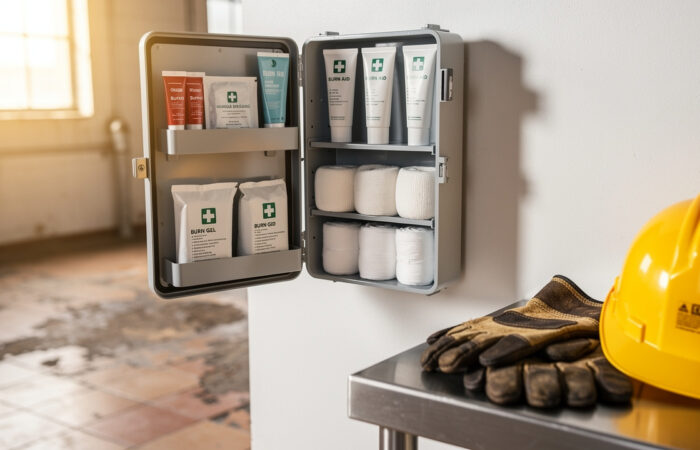
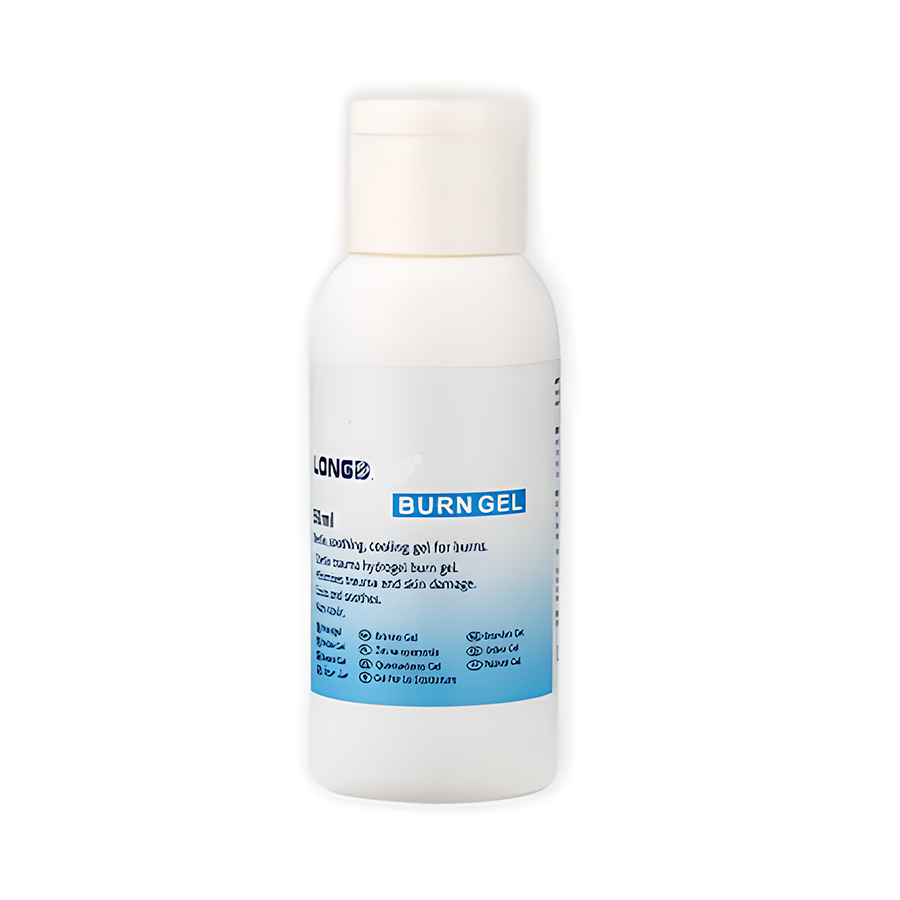
Tube based burn relief gel suits very small burns and sunburn on limited skin. First Aid Longs gel combines lidocaine for pain relief with aloe and moisturizers for comfort. Tubes ride well in supervisor kits, lifeguard stands, reception desks, and security carts. Clear labeling reminds users that gel is only for minor, superficial burns.
Single use burn gel packets give you fixed doses with less mess and less infection risk. They shine in cafeterias, school labs, buses, gyms, and concession stands where many people share space. Workers rip, squeeze, and apply once, then throw the packet away. This format removes the temptation to dip fingers into shared jars.
Secure Reliable Burn Gel Supplies Today!
Order our high-quality wholesale burn gels made with safety standards to stabilize your healthcare operations.
First Aid Longs Burn Products By Use Case
| Product Type | Ideal Locations | Best For | Key Advantages |
|---|---|---|---|
| Hydrogel burn dressings | Production lines, commercial kitchens, service bays | Small area thermal burns on limbs and torso | Sterile, cooling, non stick surface, made in 100K Class Cleanroom facilities |
| Tube burn relief gel | Guard posts, office kitchens, patrol vehicles | Very small superficial burns and sunburn | Easy to carry, measured squeeze, clear on label, use for minor burns only |
| Single use gel packets | Cafeterias, classrooms, buses, gyms | Quick response in busy shared spaces | One time dose, low cross contamination risk, simple tear and apply |
| Complete first aid kits | Factories, warehouses, schools, clinics | Mixed injuries including cuts and burns | Bundled dressings, PPE, tools, and burn gels in standardized layouts |
Why Standardized Burn Dressing Application Reduces Cost And Risk
How to apply burn dressing the same way at every site lowers injury costs and supports OSHA and ANSI expectations. Standard steps plus standard products mean fewer mistakes when stress is high.
Operational And Compliance Benefits Of Proper Burn Dressing Technique
When minor burns get prompt, correct care, workers return faster and feel more confident, an outcome supported by evidence on advanced wound materials such as Influence of Propolis-Containing Nonwoven PLGA dressings on burn wound healing dynamics. Proper cooling, non stick dressings, and clear follow up reduce infection, scarring, and unplanned clinic visits.
From a compliance angle, OSHA and NIOSH both expect employers to plan for realistic hazards. Written burn protocols, mapped kit placement, and documented training all show you take that duty seriously.
Sample Burn Care Protocol Flow Table
A simple flow turns how to apply a burn dressing into repeatable steps for every shift. You can adapt this outline into your own corporate burnout policy and attach it to training records.
| Step | Responsible Person | Products Used | Documentation Required |
|---|---|---|---|
| Immediate response cooling | Nearest trained coworker | Cool running water, timer | Incident start time, cause, area of body |
| Initial burn assessment | Supervisor or first aider | Gloves, light, basic size chart | Depth guess, size estimate, photos if policy allows |
| On site dressing application | First aider | First Aid Longs burn gel or hydrogel, pads, gauze | Products used, batch or kit number, pain level notes |
| Escalation referral | Supervisor or nurse | Phone, transport plan, loose clean cover if needed | Decision to send off site, receiving clinic or center |
| Restocking review | Safety or supply lead | Kit refill list, First Aid Longs reorder contact | Refill date, any issues with product choice or placement |
How First Aid Longs Supports Your Burn Dressing Protocols
How to apply burn dressing at scale is easier when your supplier understands both products and real workplaces. First Aid Longs combines quality controlled manufacturing with practical kit design and education.
This section shows how you can partner with First Aid Longs to build site specific burn kits, align supply with risk, and keep every cabinet ready. The OSHA focus on ready access to first aid makes strong placement and refills more than a nice extra.
Building Site Specific Burn Kits With First Aid Longs

Start by mapping hot surfaces, open flames, chemicals, and outdoor exposure across each site. That means looking at weld stations, ovens, lab benches, boiler rooms, loading docks, and sporting fields.
Industrial job sites and construction areas often need larger hydrogel pads, robust gauze, paramedic shears, and eyewash, and ensuring adequate fluid management is also part of a severe burn response. Warehouses and logistics hubs may use a mix of cabinet kits near docks plus smaller burn gel tubes for yard staff.
First Aid Longs can configure custom kits that bundle hydrogel dressings, burn gel tubes, single use packets, PPE, non stick pads, gauze rolls, and saline wipes. Volume discounts and organized refill programs help multi site organizations keep the same kit layout in every building. You can reach the First Aid Longs team to review options and align them with your internal policies.
Challenges In Burn Dressing Application And First Aid Longs’ Solutions
Many burn first aid problems come from product confusion or poor placement, not bad intent.
| Common Challenge | Risk | First Aid Longs Solution |
|---|---|---|
| Wrong product used for severe burns | Delay in emergency care and worse outcomes | Clear on pack guidance and training that gel is only for minor superficial burns |
| Shared containers spread germs | Infection risk for workers and students | Single use burn gel packets for high turnover areas |
| Dressings stick and damage new tissue | Longer healing time and higher pain | Non stick hydrogel burn dressings that lift away with less trauma |
| Different products at every site | Confusion during audits and real incidents | Standardized kit mixes and refill programs across all locations |
Conclusion
Knowing how to apply burn dressing in a calm, consistent way turns many workplace burns into short, well managed events. Matching burn depth to dressings, gels, and wrap types keeps your staff safer and your records cleaner. Standardized protocols, training, and kit layouts show regulators, insurers, and workers that you take burn care seriously. With First Aid Longs hydrogel burn dressings, burn relief gels, and custom kits backed by 100K Class Cleanroom production, you can align real world hazards with reliable products at every site. Now is a good time to review your current kits, update your burn protocol, and work with First Aid Longs to bring every location up to the same strong standard.