
Medical supply chain issues leave you short on basics, from gloves and saline bags to workplace first aid kits. That creates stress and surprise costs for you. This guide explains how the US medical supply chain works, why shortages repeat, and how simple changes reduce risk. You get clear stats, real examples, and steps you can use in hospitals, clinics, factories, construction sites, schools, and government agencies. You also see how First Aid Longs fits into a practical supply plan.
Key Takeaways
- Biggest Medical Supply Chain Issues You Face. You deal with recurring shortages, poor inventory visibility, global dependence, and labor gaps. These problems show up as missing items, higher prices, and compliance headaches. They also affect patient care and worker safety every day.
- Why Visibility and Forecasting Matter Most. You cannot fix what you cannot see. Better data, scanning, and simple dashboards cut waste and reduce surprise stockouts. They also help you defend budget requests with real numbers.
- How to Build a More Resilient Supplier Mix. A smart mix of national distributors, local manufacturers, and partners such as First Aid Longs lowers single vendor risk. You gain options when shocks hit and avoid last minute panic buys.
- Simple Steps You Can Start This Quarter. You can standardize kits, set basic PAR levels, add barcodes, and write a short shortage playbook. Even small actions reduce future emergencies. They also build support for larger projects later.
What Are The Main Medical Supply Chain Issues You Face?
The main problems you face in the medical supply chain fall into shortages, weak inventory control, global shocks, regulatory pressure, and labor strain. These medical supply chain issues repeat so often that you need to treat them as normal business risk.
Across the chain, many products depend on a few plants, overseas suppliers, and tired staff. According to the FDA, around 72 percent of active drug ingredients for the US market come from abroad, which raises exposure to disruption.
Persistent Shortages And Single-Source Dependence

Persistent shortages hit you in many categories, from ICU drugs and injectable antibiotics to exam gloves, masks, and burn dressings. The American Society of Health System Pharmacists listed around 220 active drug shortages in recent years, many for sterile injectables used in intensive care, and US Antibiotic Importation and supply chain vulnerabilities have been well documented in recent peer-reviewed research. These gaps push pharmacy and nursing teams into daily workarounds.
Single plants create big weak spots, and Fragile Supply Chain Structure: geographic concentration and limited domestic capacity compound this vulnerability across multiple product categories.
You then see rationed PPE, delayed surgeries, and reused products that should be single use. In factories or schools, missing eyewash or AED pads put you out of OSHA compliance and slow emergency response.
Inefficient Inventory And Lack Of Visibility
Many facilities still track supplies with clipboards, spreadsheets, or siloed software. That creates a mix of overstocked shelves for slow items and near empty bins for fast movers. Staff often do not know which shortage is real and which is just poor internal distribution.
Simple tools help. Barcodes, handheld scanners, and basic PAR level systems give you real counts in real time. AI based forecasting tools, now used in roughly 40 percent of US hospitals according to surveys highlighted by Becker’s Hospital Review, use past usage and season trends to suggest smarter orders. These tools turn vague guesses into specific reorder points.
External Shocks, Regulation, And Labor Strain
External shocks act like stress tests on every weak point in your supply chain. Natural disasters, export limits, and shipping delays change delivery times overnight.
Regulators add needed safety, yet they also add sudden changes. Nearly 900 device recalls were recorded in a single recent year, a sharp rise from a decade earlier, and the unreliability of estimated release dates during drug shortages further compounds the challenge for hospital pharmacy operations managing these disruptions.
How Do Medical Supply Chain Issues Impact Your Organization Day To Day?
You feel the impact of these medical supply chain issues in patient care, worker safety, budgets, and staff stress. The effects differ by setting, but the pattern is the same when supplies are not reliable.
Hospitals see delayed procedures and medication workarounds, while factories face safety risks and possible shutdowns. Government and school buyers must stretch thin budgets while still meeting state and federal rules. Once you see the full picture, it becomes easier to justify investments in better data and more resilient contracts.
Clinical Care, First Aid Response, And Safety At The Front Line

When key products run short, your teams may need to switch drugs, devices, or PPE in a hurry. That raises risk for dosing errors, wrong route administration, and device misuse, since staff do not know the substitute items as well. A shortage of small saline bags, for example, can force nurses to dilute and deliver meds in less familiar ways.
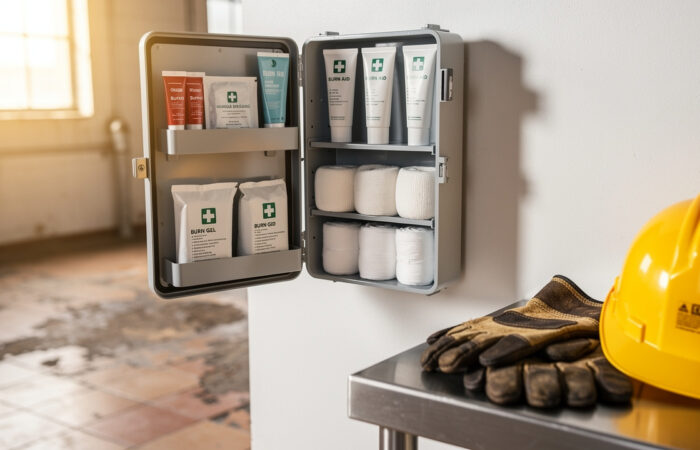
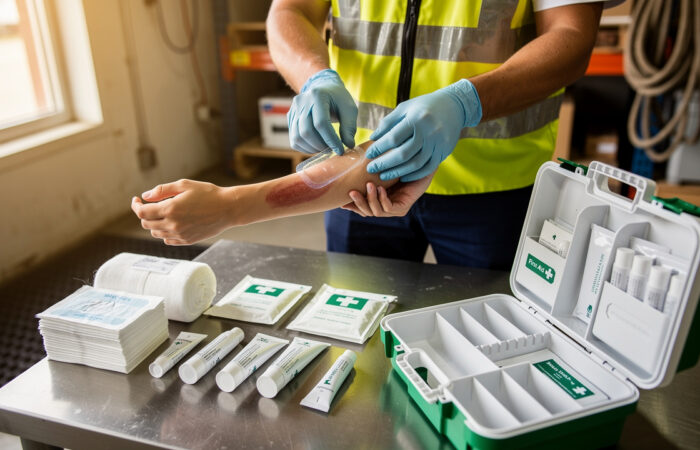
On worksites and campuses, gaps show up when the burn station has no gel packs or the eyewash station is out of solution. AED pads past expiry or empty first aid boxes are not just minor oversights. They can change outcomes when an injury happens. Partners like First Aid Longs offer OSHA aligned first aid, burn, and eyewash products that help you avoid those gaps.
Compliance, Reputation, And Staff Burnout
When PPE or first aid supplies fall short, you face more than inconvenience. OSHA rules for workplace first aid, eyewash, and respiratory protection still apply even during shortages. Accreditation bodies and state inspectors also expect consistent standards.
Inside the organization, constant fire drills wear staff down. Clinicians and safety teams grow tired of daily emails about new shortages and substitutions. That fatigue feeds turnover, which removes institutional knowledge about product options and vendor contacts, and the cycle starts again.
How Can You Build A More Resilient Medical Supply Chain?
You can reduce many medical supply chain issues with better visibility, a smarter vendor mix, and planned reserves. You do not need a giant budget to start, just focused steps and steady follow through.
The aim is not perfection. Instead, you want fewer surprises and faster, calmer responses when they happen. The steps below work across hospitals, clinics, factories, schools, and government agencies, and you can scale them over 6 to 24 months.
Improve Visibility, Forecasting, And Inventory Discipline

Start by replacing guesswork with data. Even simple barcode labels in supply rooms and on first aid kits help you see what exists at each site. Staff can scan items in and out, so counts update without manual tallies.
Set PAR levels for key categories, such as exam gloves, syringes, burn dressings, and eyewash. These levels define the minimum on hand at each location and when to reorder. Review them each quarter and adjust for season, service changes, or new lines of work.
AI based forecasting tools link past usage with near term signals, such as flu season or local outbreaks, and research on AI Applications in Supply chain and materials management confirms these tools are increasingly effective cost-reduction instruments in disruption scenarios.
Diversify Suppliers And Support Local Or Domestic Capacity
Next, look at where you rely on a single vendor or country. Categories like IV fluids, PPE, eyewash, and first aid kits deserve at least two qualified suppliers whenever possible. That way, a plant fire or export ban does not stop your operation.
US policy has directed hundreds of millions of dollars toward domestic PPE and component capacity, noted by the U.S. Department of Health and Human Services. Local suppliers often offer shorter lead times and better alignment with US rules. First Aid Longs, with in house production and cleanroom facilities, fits well in this balanced mix for first aid and safety items.
When you write RFPs, include questions about upstream sourcing, risk plans, and domestic production, not only unit price. That small change sends a strong signal about what you value.
Stockpiling, Risk Plans, And Scenario Playbooks

A good stockpile is more than a big closet full of random boxes, and the cost-effectiveness of inventory reserves for preventing drug shortages has been validated in peer-reviewed health-economic evaluations. Start with a short list of life safety and OSHA relevant items, such as trauma dressings, AED pads, eyewash, nitrile gloves, and key medications. Decide which items need 30, 60, or 90 days of buffer and where to store them.
Rotate these supplies through daily use so they do not expire on the shelf. Your inventory system should flag items that near expiry so you can move them to high use sites. Partners like First Aid Longs support this with refill programs and component packs that match your chosen levels.
Where Does First Aid Longs Fit Into Your Solution Strategy?
First Aid Longs fits into your plan as a dependable source of first aid and related medical supplies across many sites. The company supports you with in house production, customization, and refill programs that lower both shortage risk and waste.
Because First Aid Longs serves hospitals, factories, logistics firms, and schools, it understands how safety and compliance needs vary by setting. That cross sector view helps you design standard kits and processes that work in real life, not only on paper.
In-House Manufacturing, Quality, And Compliance

First Aid Longs manufactures its products in house instead of outsourcing to many unknown factories. That gives shorter lead times and more control over materials, testing, and packaging. Regular sterilization and 100K Class Cleanroom procedures support consistent medical grade quality.
The product lines include first aid kits, burn gels, eyewash, and bulk components that match healthcare and industrial needs. Items are designed to support OSHA and workplace safety requirements, which helps you during inspections and audits. Clear documentation and lot tracking also make recall handling and traceability easier.
Customization, OEM/ODM, And Right-Sized Kits
Every site has a different risk profile, from a surgical floor to a welding shop. First Aid Longs offers OEM and ODM services so you can design kits that match real workflows and hazards. That avoids kits stuffed with items that no one uses.
You can combine empty boxes, bags, and cases with bulk components to build your own layouts. For example, a multi site manufacturer might standardize on one burn kit design for all plants and another for mobile crews.
Conclusion
Medical supply chain issues will not disappear, yet you can reduce their impact with better data, more varied sourcing, and simple stockpiles. Visibility, forecasting, and honest risk planning turn surprise shortages into manageable events instead of full blown crises for you and your teams.
Partners matter as much as software. First Aid Longs brings in house manufacturing, cleanroom quality, customization, and refill programs that support steady first aid and safety stock across many sites. That combination helps you protect both patient care and worker safety while staying ready for audits.